
Materia Medica
Educational content, not medical advice. Nothing in this library is a substitute for care from a qualified healthcare provider. Any dose you see on these pages reports what a named source used or recommended, whether a trial protocol, a regulator, a historical text, or a practicing herbalist. It is not a recommendation for you. Do not stop or change a prescribed medication based on anything you read here. If you are pregnant, nursing, taking medication, or managing a health condition, talk with your doctor or pharmacist before adding herbs. The full disclaimer is at the bottom of this page.
About This Library
A materia medica is a working reference on medicinal plants. Herbalists have kept records like this for centuries, and this one continues the practice online. Every entry is free to read, and the library grows as new monographs are finished.
Most herb information online has one of two problems. It repeats claims with no source attached, or it reduces a plant to a single compound and skips centuries of documented clinical use. Each monograph here names its sources. When a 19th century Eclectic physician, a modern clinical herbalist, and a randomized trial all have something to say about the same plant, you get all of them, with a link to each.
Where a topic is covered in depth elsewhere on the site, the monograph links there. Preparation methods, for example, point to the guide to herbal preparation types, and herbs that appear in the Herbal Remedies articles are cross-linked in both directions.
What You Will Find in Each Monograph
Every entry follows the same order, so once you have read one you can find your way around the rest.
- About the herb. Botanical name, plant family, part used, where it grows, and what each healing system calls it.
- Traditional use. Western herbalism and the Eclectic physicians, Ayurveda, and Traditional Chinese Medicine, each under its own heading with the source text named.
- Constituents. The main compounds in the plant and what laboratory and human studies have connected each one to.
- What the research shows. One card per study, listing the preparation used, the study design, the dose, whether the work was done in people, animals, or a dish, and the weak points, including who paid for it.
- Dosing perspectives. A table of ranges from named herbalists, regulators, and traditions, quoted in the units each source used. Disagreements stay visible.
- Preparations. Which extraction method pulls which constituents, the alcohol strength for tinctures, and a note on preparations that do not work for that plant.
- Safety and cautions. Contraindications, medication interactions, and pregnancy positions, drawn from Francis Brinker's Herbal Contraindications and Drug Interactions and the European Medicines Agency monographs where entries exist.
- FAQ and sources. Common questions, then a numbered source list linked from every footnote in the text.
The Herbs
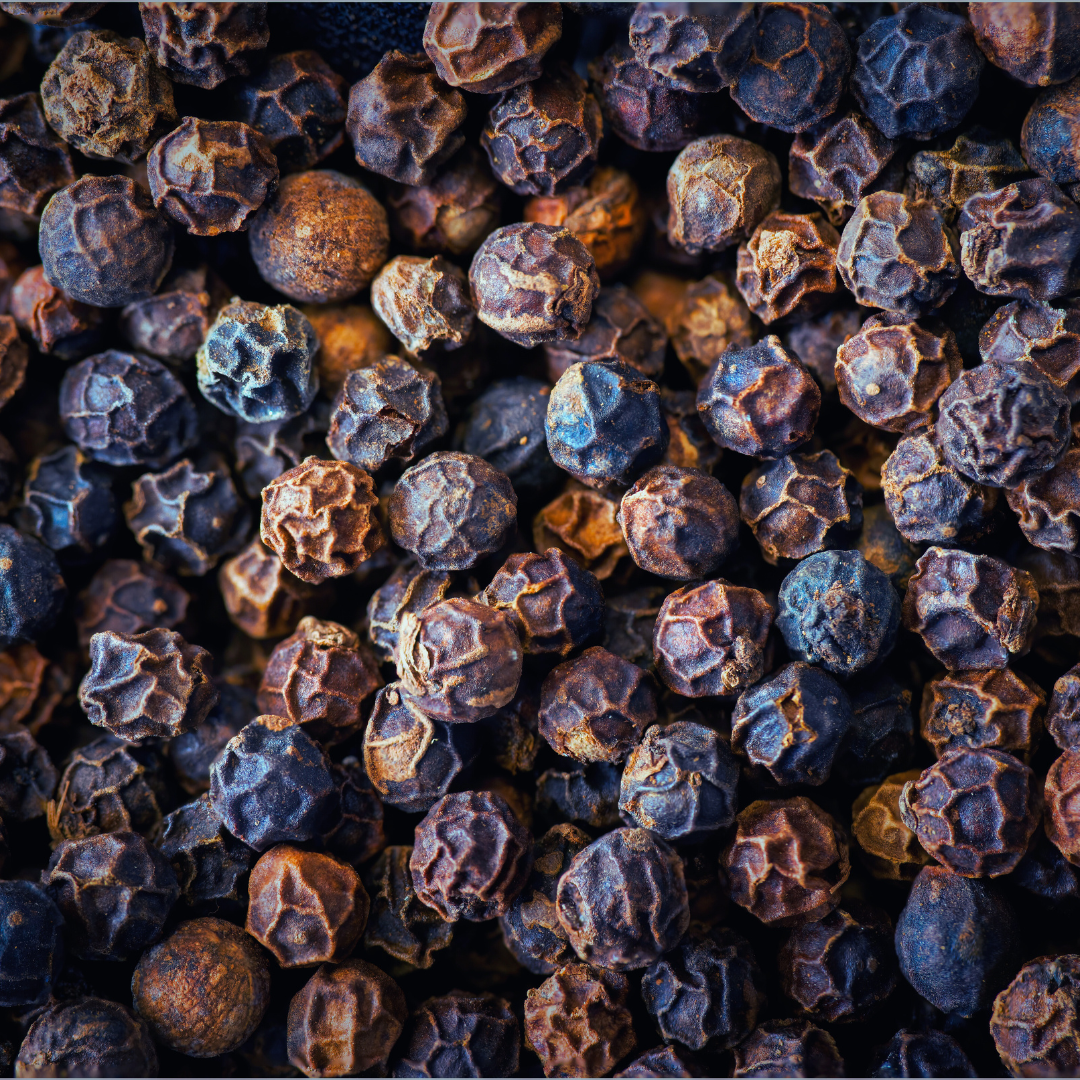
Black Pepper (Piper nigrum)
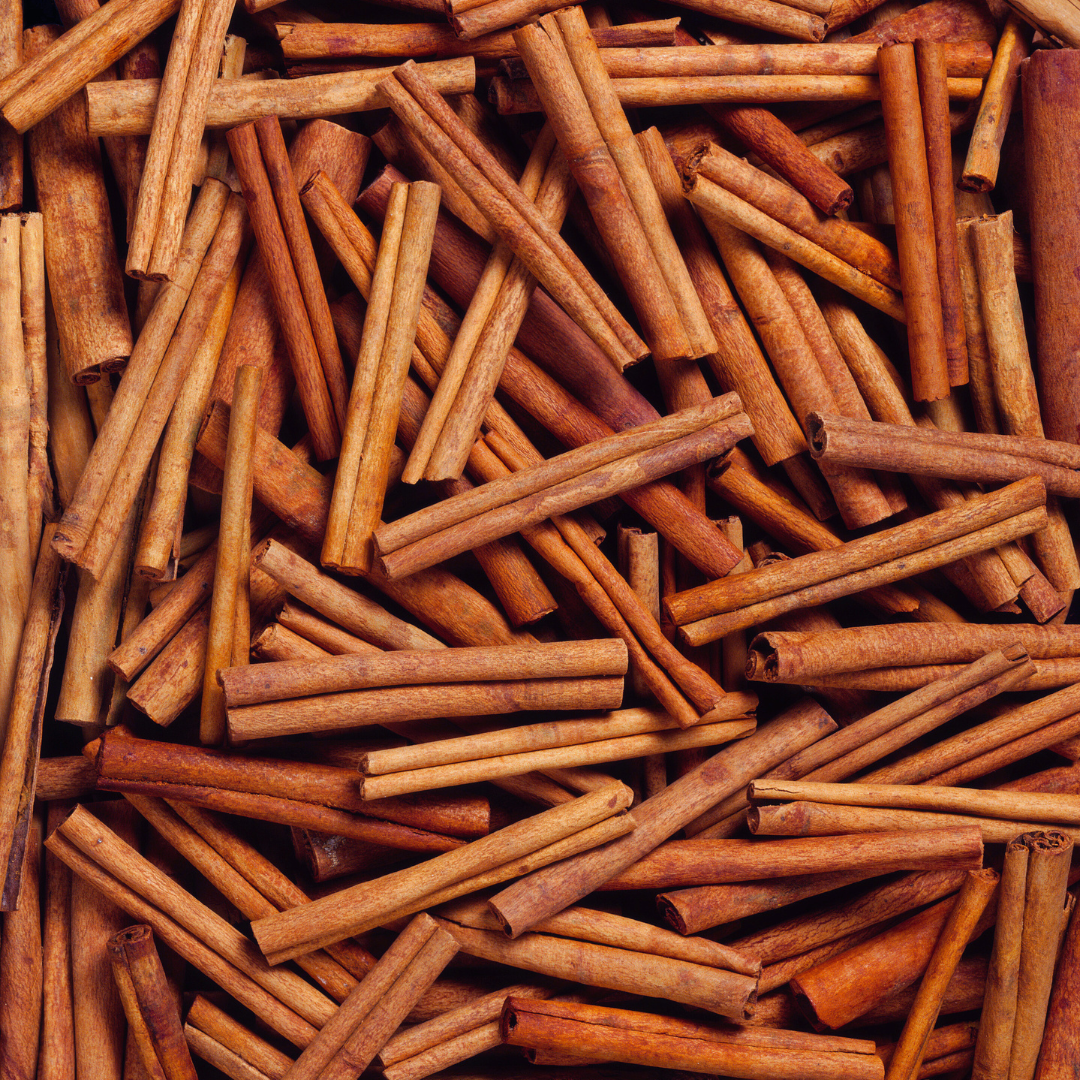
Cinnamon Bark (Cinamonum cassia)
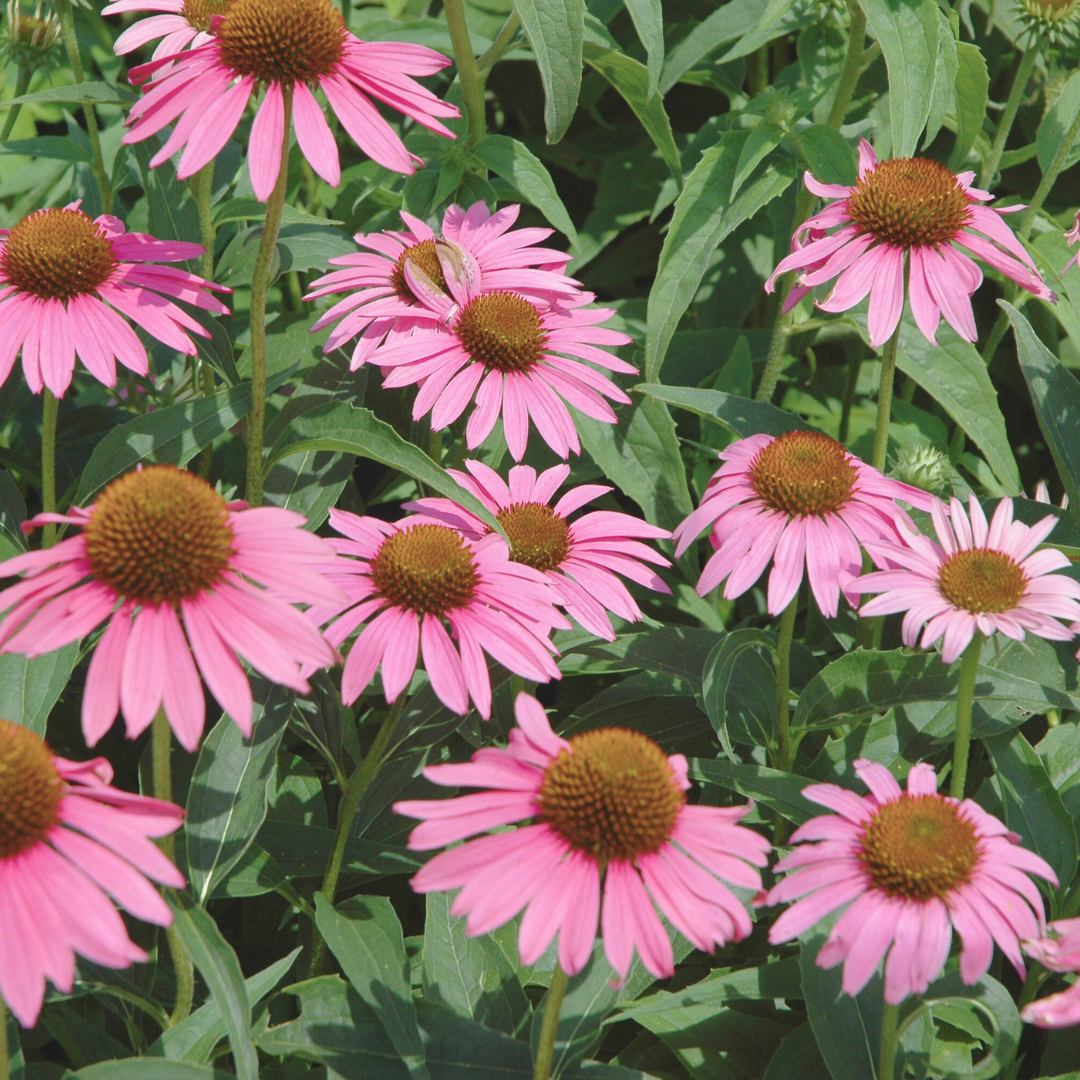
Echinacea (Echinacea augustifolia)
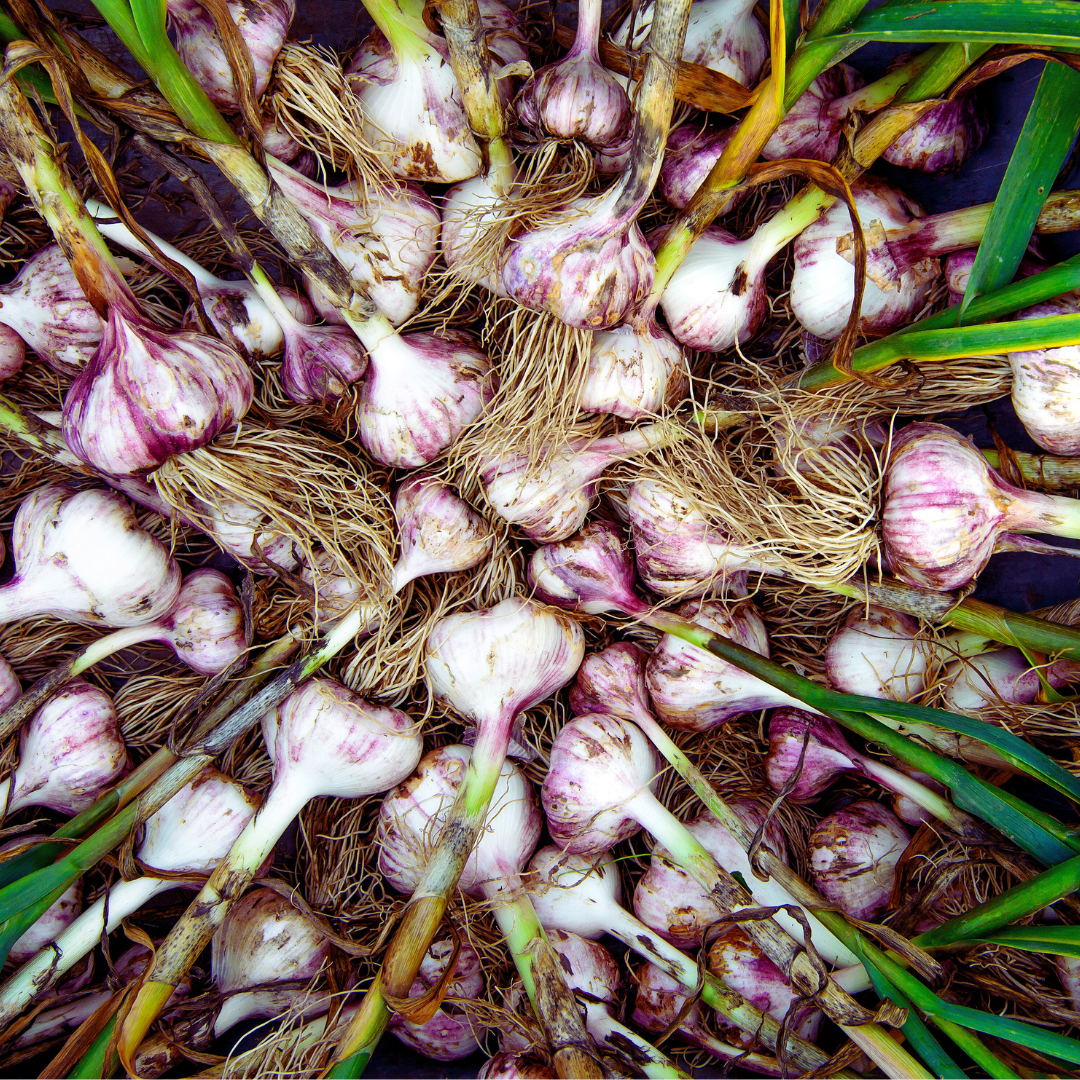
Garlic (Allium sativum)
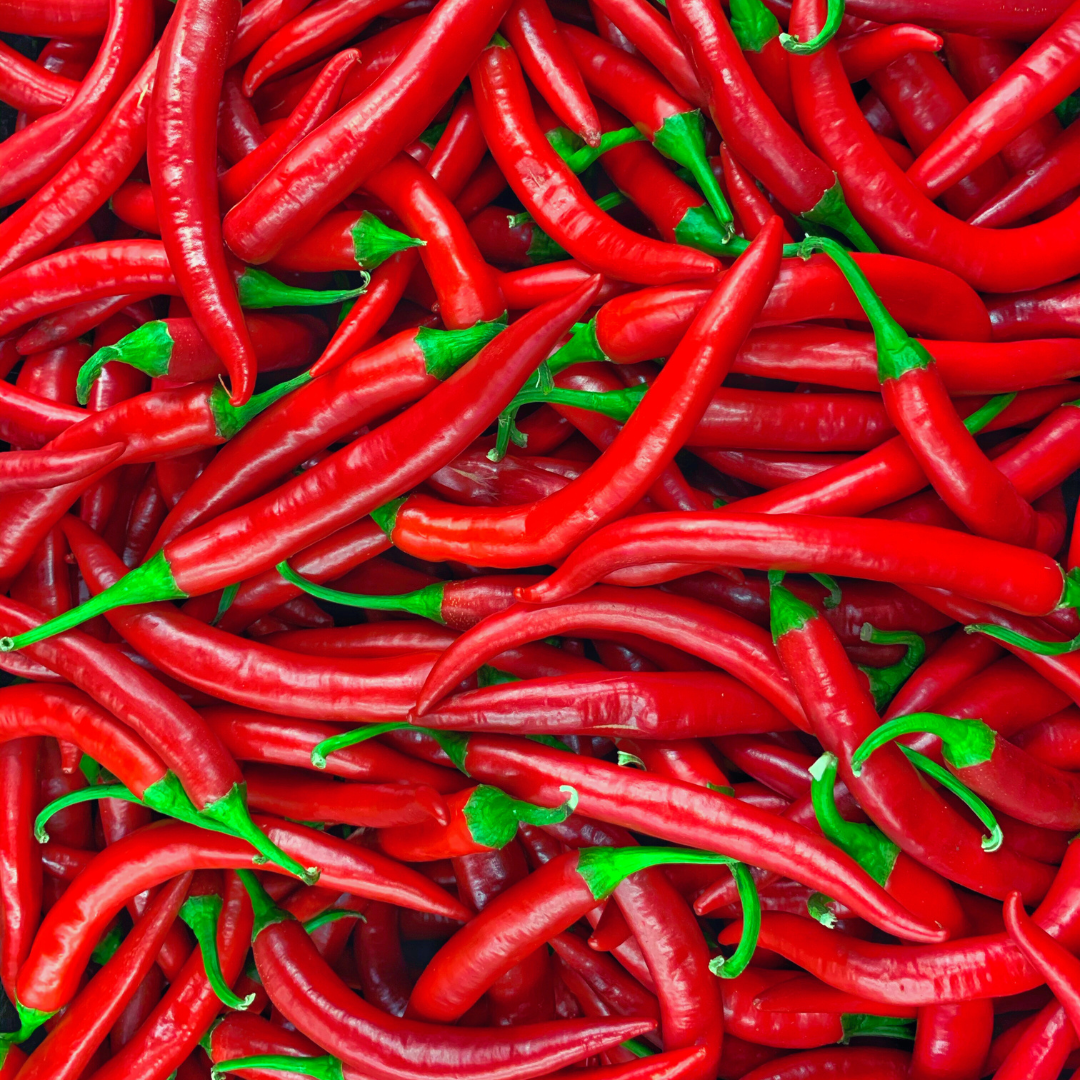
Cayenne (Capsicum annuum)
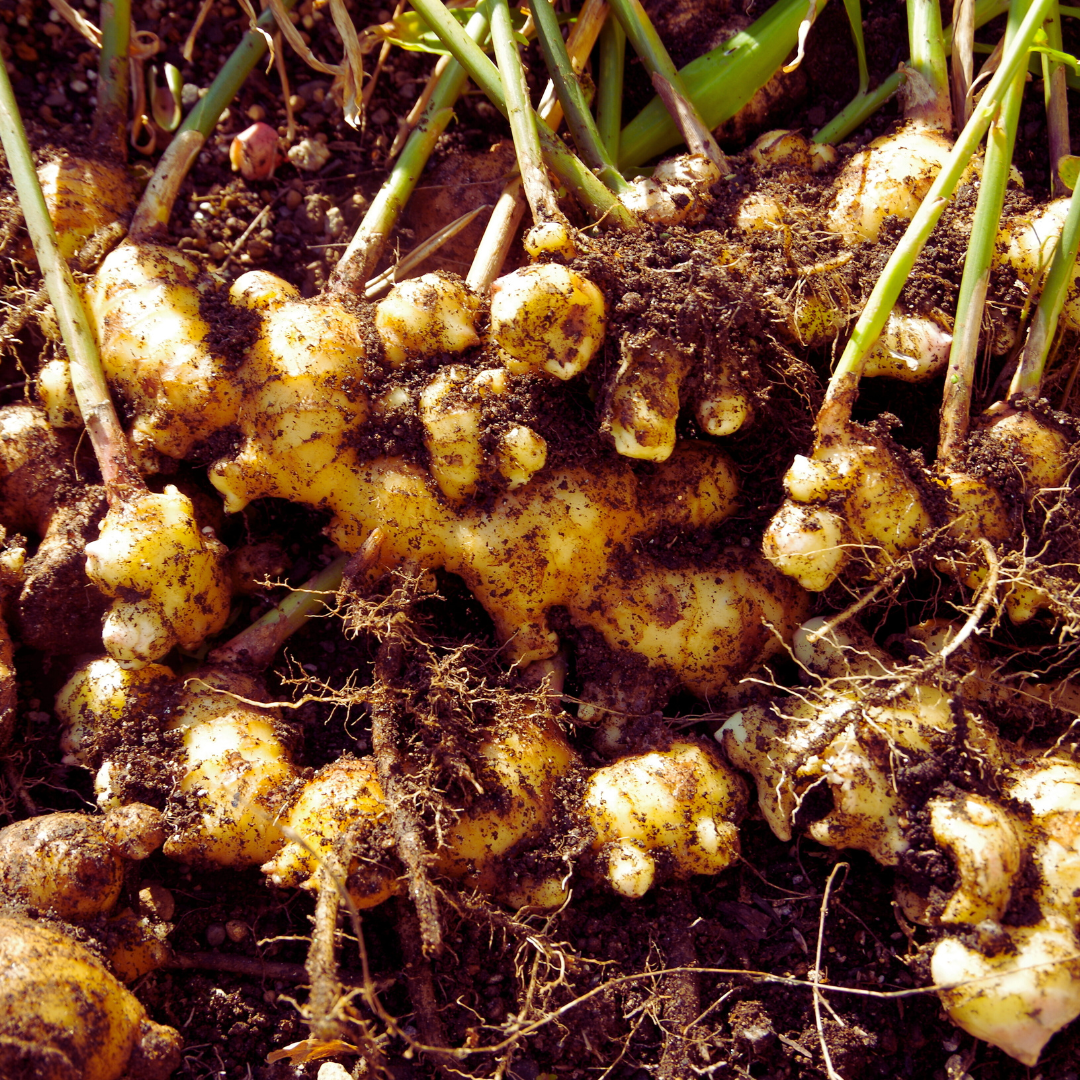
Ginger (Zingiber officinale)
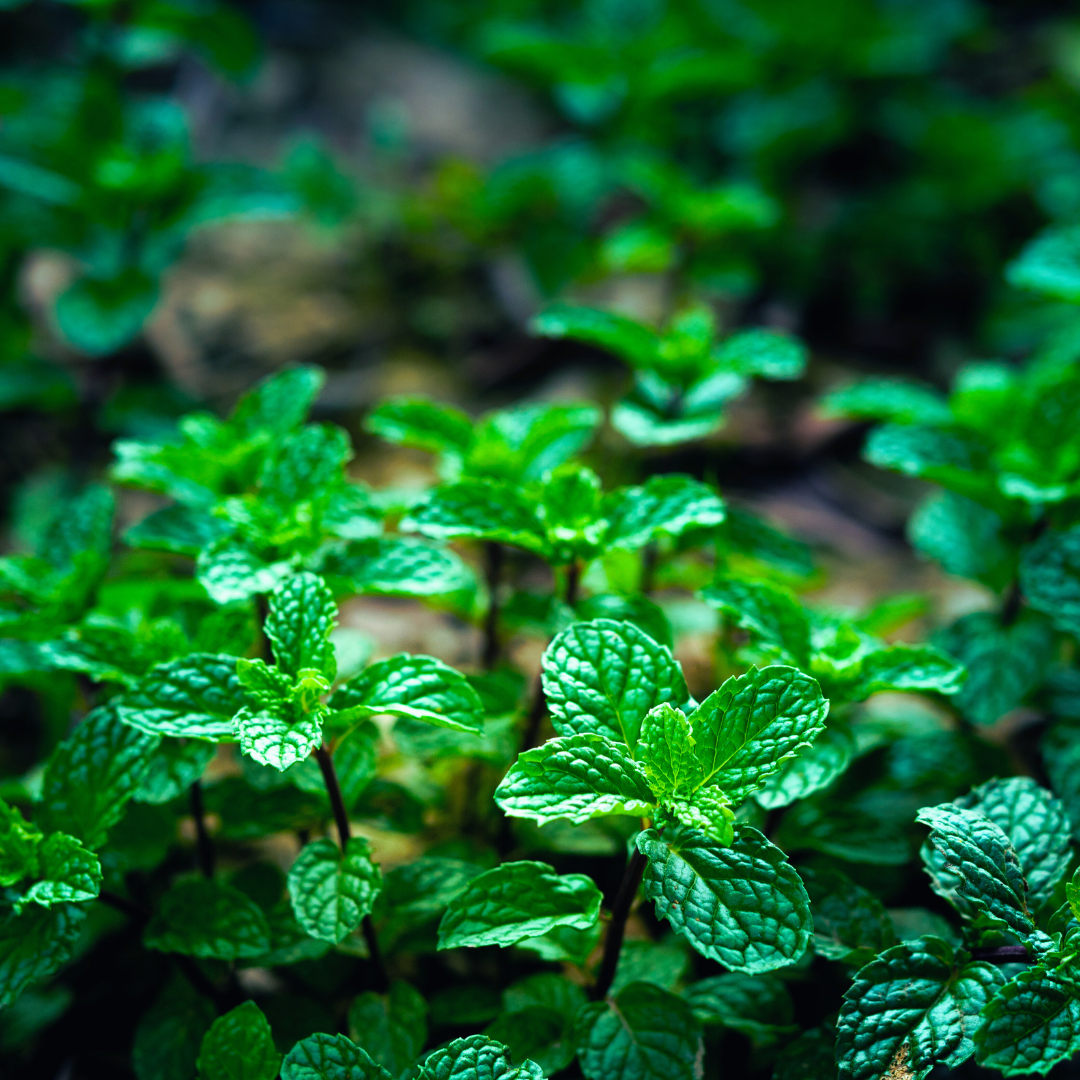
Peppermint (Mentha piperita)
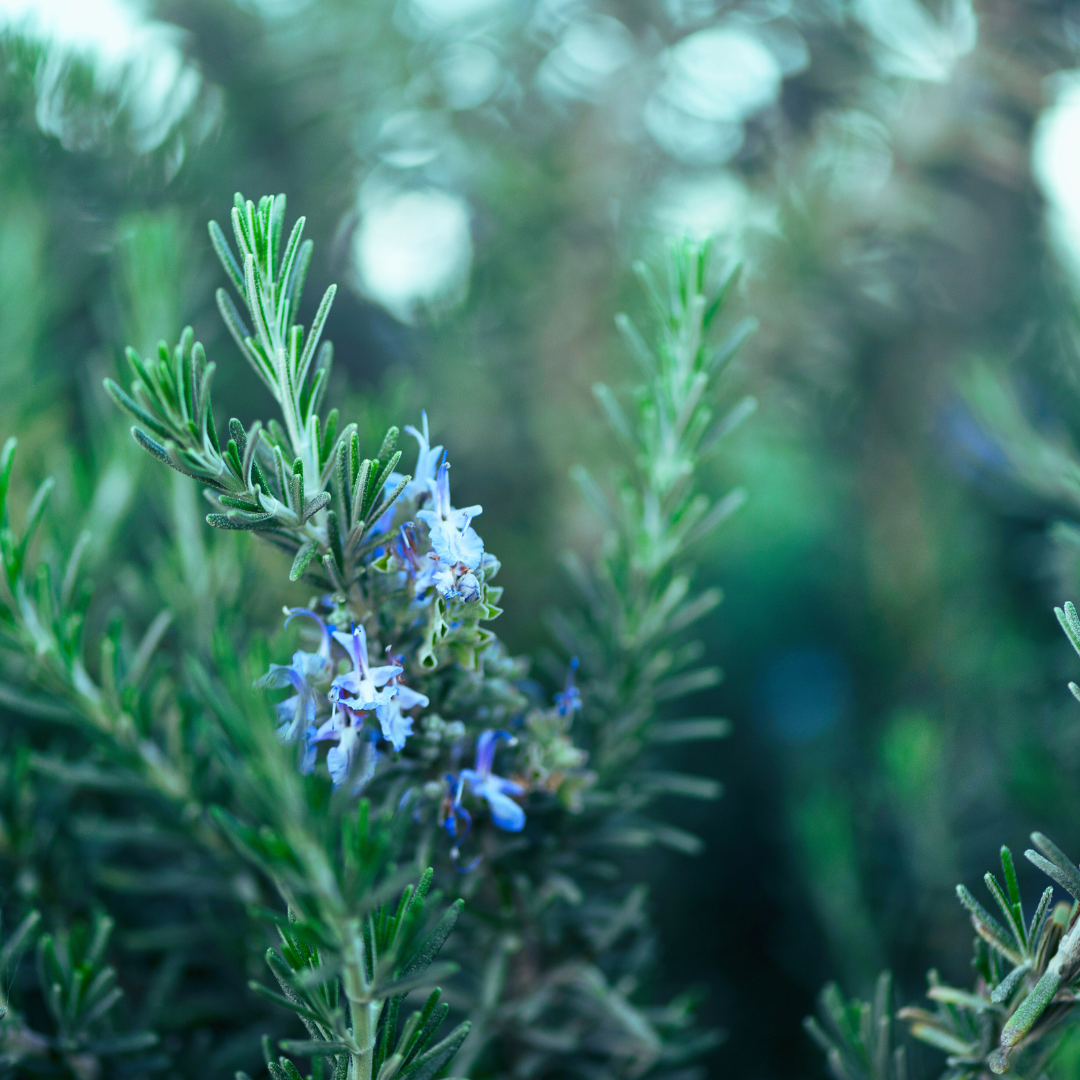
Rosemary (Rosmarinus officinalis)
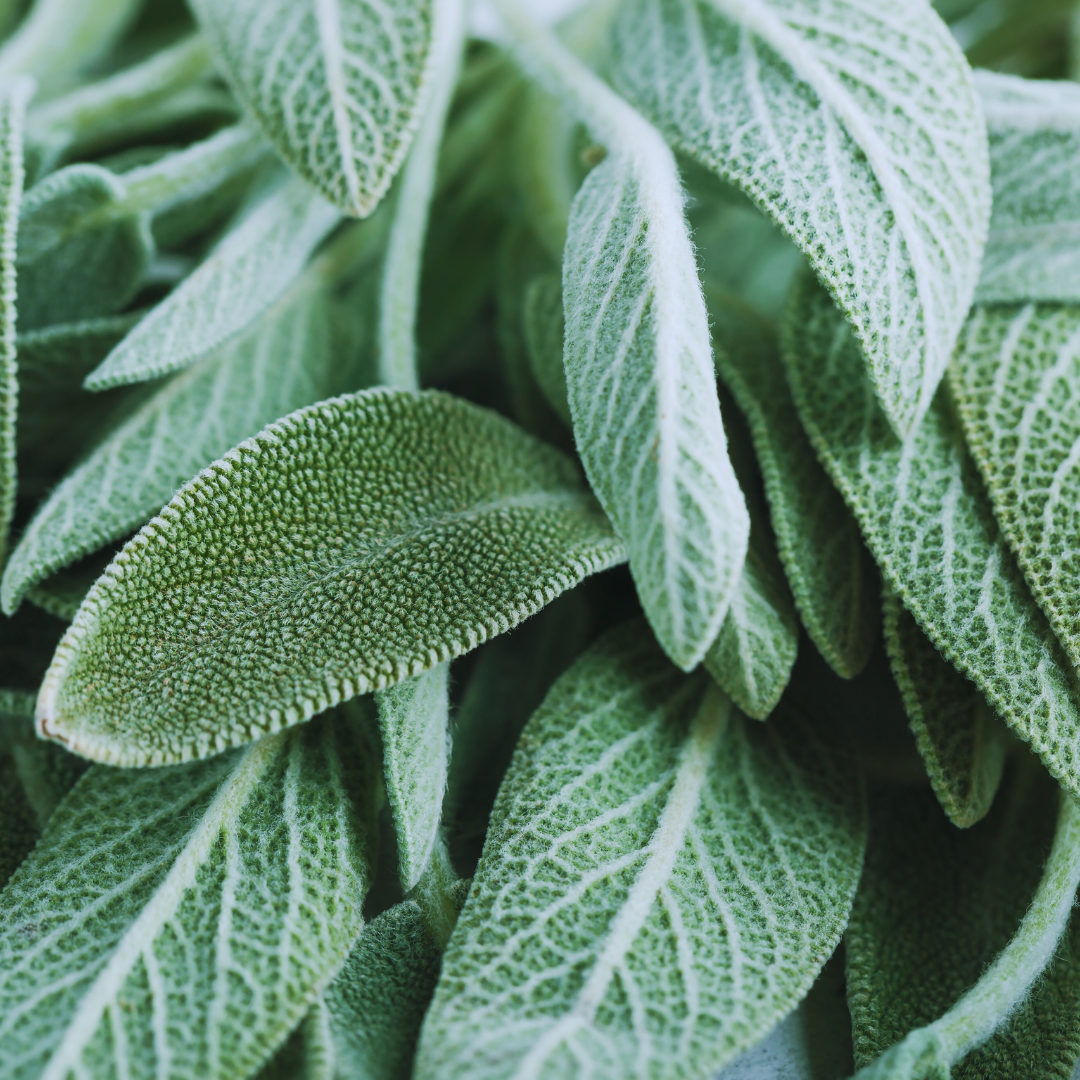
Sage (Salvia officinalis)
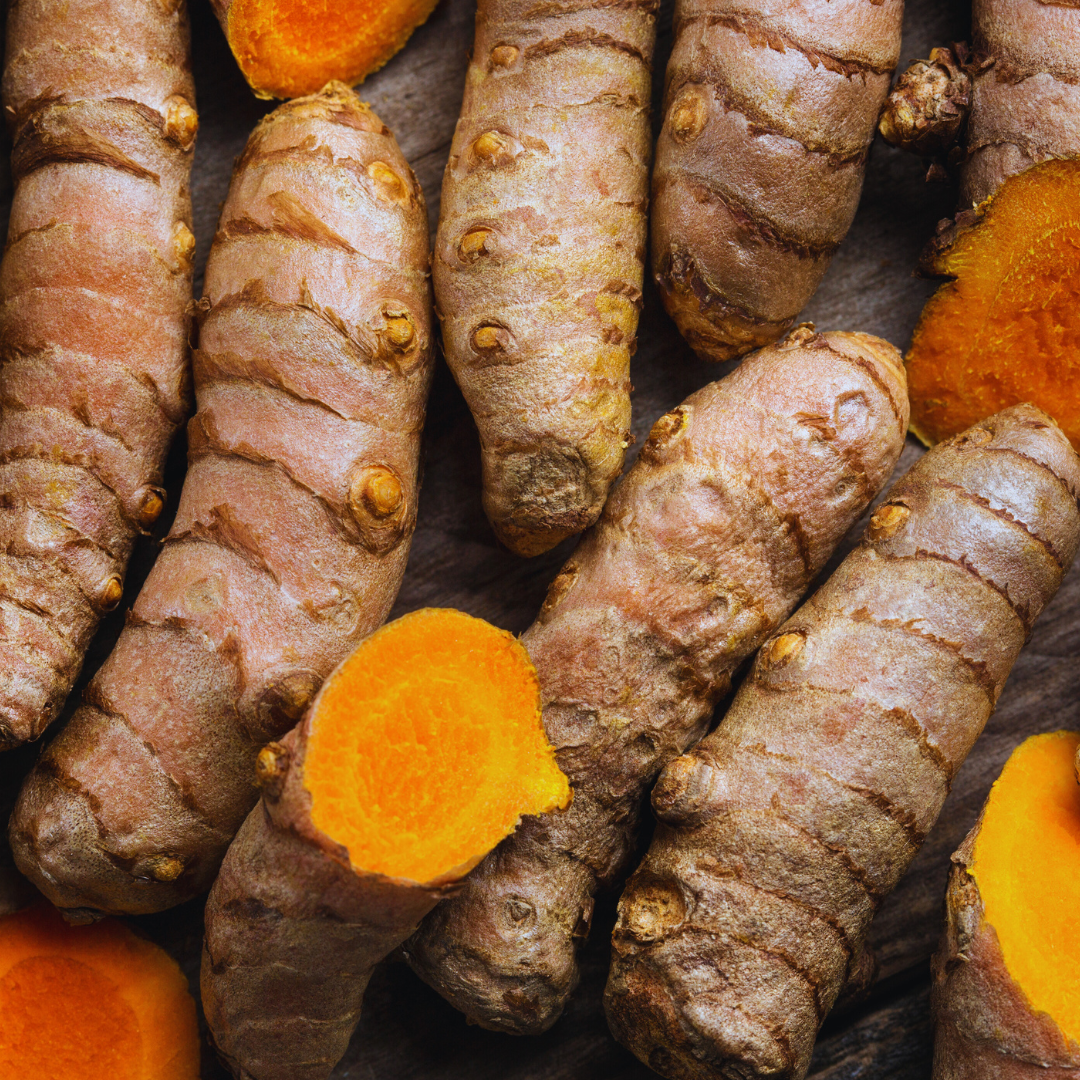
Turmeric (Curcuma longa)
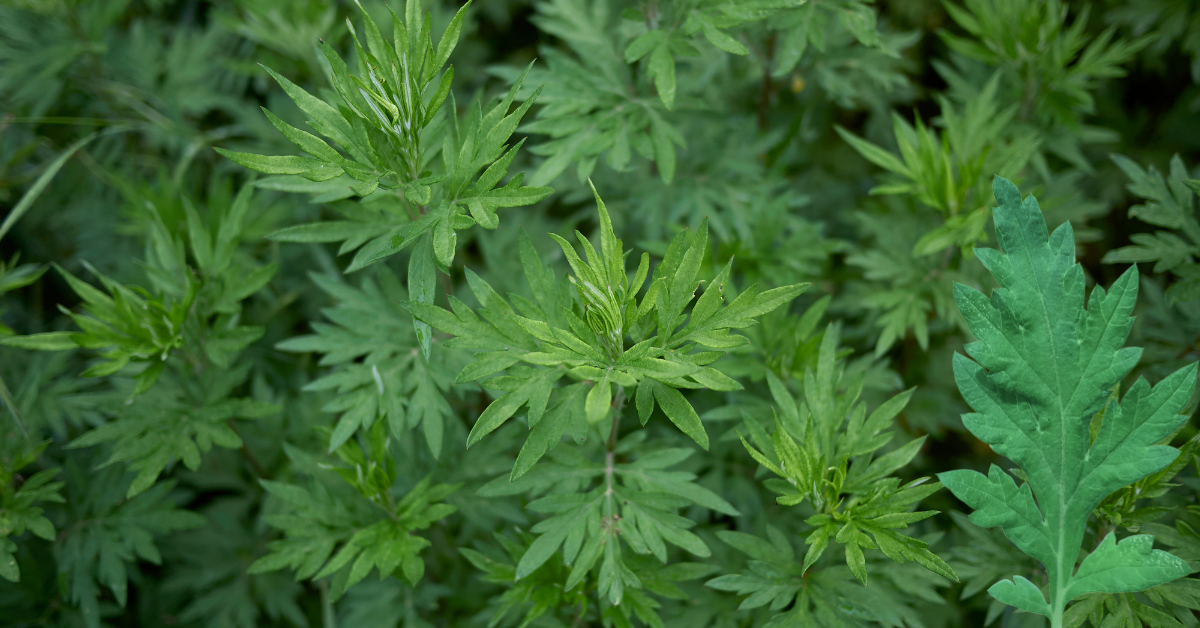
Mugwort (Artemesia vulgaris)
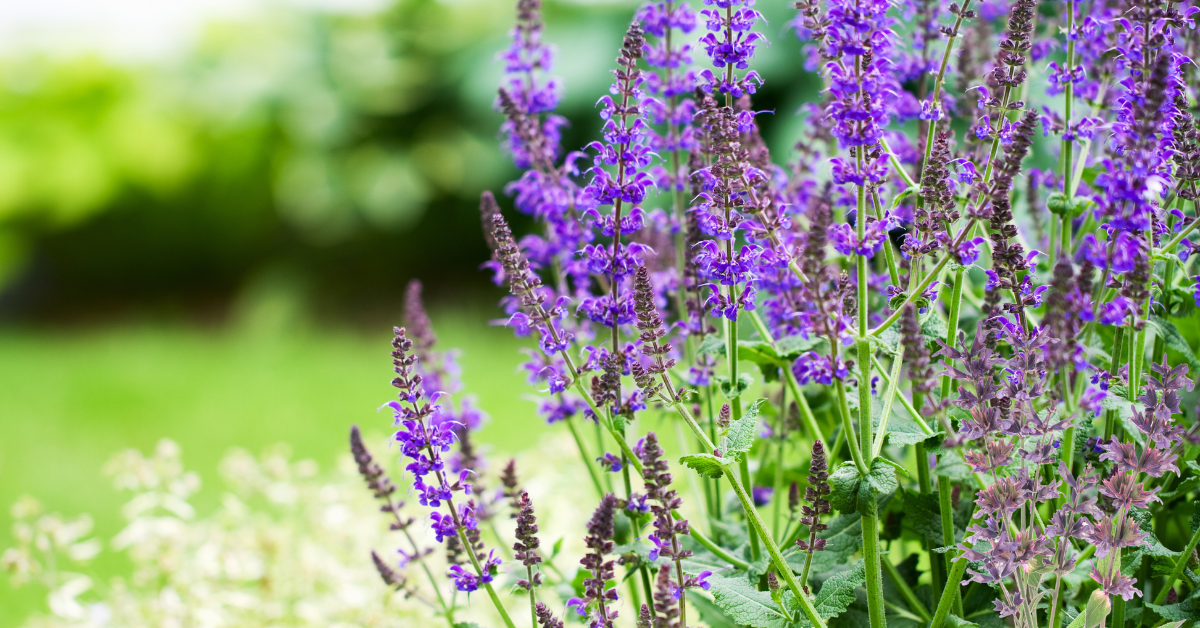
Red Sage (Dan Shen, Salvia miltiorrhiza)
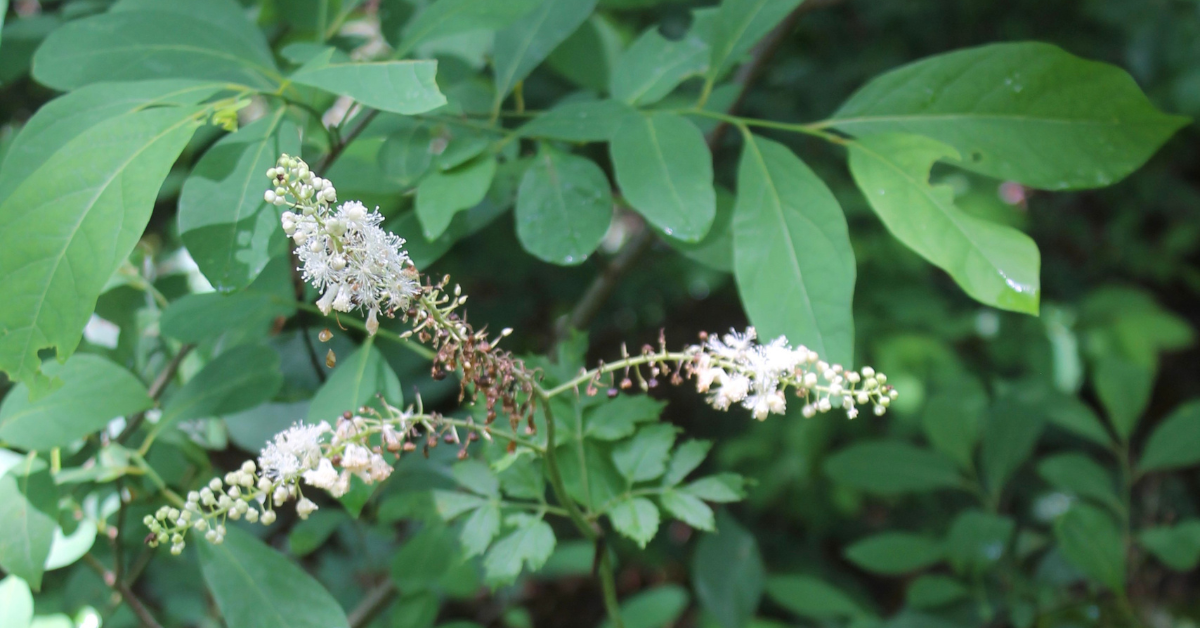
Black Cohosh (Actaea racemosa)
How I Source This Library
Herbal information tends to be either overstated or dismissed outright, so each claim on these pages carries its source. The rules I work by:
- Primary sources first. Traditional uses cite the original text: King's American Dispensatory, Felter's Eclectic Materia Medica, and Maude Grieve's A Modern Herbal for the Western record, Sebastian Pole for Ayurveda, and Bensky's materia medica for Chinese medicine. The public domain texts are linked in full so you can check any citation yourself.
- Modern research is linked, not summarized from a headline. Each study gets its own card with the preparation used, the study design, the dose, and the weak points. Human trials count for more than animal studies, and animal studies count for more than test tube results. If the evidence is early or thin, the card says so.
- Funding is disclosed. Industry-funded trials are flagged. Regulatory monographs from Germany's Commission E and the European Medicines Agency are cited as the positions of official bodies. The American Botanical Council, which publishes the English Commission E text, is a nonprofit funded partly by industry membership, and that is noted where it is cited.
- Dosing comes from named people. Ranges are drawn from the published work of practicing clinical herbalists and from regulators, with each one named. If two respected sources recommend different doses, both appear.
- Safety references are physical books. Contraindication entries are checked against my copy of Brinker's Herbal Contraindications and Drug Interactions, with his evidence grades carried over.
- Conservation is part of the record. Plants on the United Plant Savers At-Risk list are marked, with a note to buy cultivated material.
Frequently Asked Questions
Why are there so many different dosing approaches for each herb?
Because herbalists disagree about dose more often than they agree. A common theme across the field is that respected sources land on different numbers for the same plant, depending on the preparation, the tradition, and the goal. I include a wide spread of those views so you can see the range that exists in clinical practice. This is for educational purposes. The table shows you what practitioners and researchers have used. It does not tell you what to take.
Is anything on these pages medical advice?
No. The monographs describe how herbs have been used historically and how they have been studied. Any dose figure reports what a named source used. Decisions about your own health belong in a conversation with your healthcare provider, who knows your history and your medications.
What is a clinical herbalist, and is that a licensed profession?
A clinical herbalist is someone trained to work with medicinal plants in a one-on-one setting. In the United States there is no state license for herbalists. My certification comes from a training program, not a licensing board. I am not a physician, nurse, pharmacist, or dietitian, and I do not diagnose, treat, cure, or prevent any disease. The Become an Herbalist page covers how training works in this field.
Why cite books from the 1800s?
The Eclectic physicians recorded decades of bedside observation on the same plants people use today, in a level of detail that most modern writing lacks. Their texts are in the public domain and linked in full, so any reader can verify a citation. They are paired with modern research on each page so you can see where the old observations hold up and where they do not.
How do you decide which studies make it onto a page?
Human trials come first. Each study card names the preparation, the design, the dose, and every weak point I can find, including small sample sizes, missing placebo groups, extracts used in place of whole plants, and industry funding. A study with problems can still be included, as long as the problems are listed next to the findings.
Why do kitchen spices have a safety section?
Because a medicinal dose is different from a culinary one. Black pepper on your eggs is food. Black pepper in capsules can change how the body clears certain prescription drugs, and that is documented in human studies. Every monograph separates the two so the caution is aimed where it belongs.
Can I request an herb?
Yes. Send the plant name through the contact page. Requests are added to the queue in the order they arrive.
How often are the monographs updated?
Each page carries a last-updated date at the bottom of its source list. When a new trial or a revised regulatory monograph changes the picture, the page is revised and the date moves.
Looking for more free material?
The free resources page gathers the outside references I rely on in practice, including Dr. Joel Penner's American Dragon database for Traditional Chinese Medicine, along with guides and downloads from this site. If the materia medica is useful to you, that page is the next stop.
Browse the free resourcesEducational Use and Disclaimer
None of the content in this library is medical advice. It is published for educational purposes only and is not intended to diagnose, treat, cure, or prevent any disease. Statements on this site have not been evaluated by the Food and Drug Administration.
- About my qualifications. I am a certified clinical herbalist. Clinical herbalism is not a licensed profession in the United States, and my certification comes from a training program rather than a state board. I am not a physician, nurse, pharmacist, dietitian, or any other licensed healthcare provider. Reading this site does not create a practitioner relationship of any kind.
- About dose figures. Any dose, dosing range, preparation, or protocol on these pages reports what a named source used or recommended: a clinical trial protocol, a regulatory monograph, a historical text, or the published range of a practicing herbalist. These figures are included so readers can see how the field approaches each plant. They are not a recommendation for any individual.
- About safety information. Herbs contain active compounds that can interact with medications and health conditions. The safety sections list the interactions and cautions documented in the sources cited. They cannot cover every situation. If you take medication, are pregnant or nursing, have a chronic condition, or are considering herbs for a child, talk with your doctor or pharmacist first.
- About medications. Do not stop, start, or change a prescribed medication based on anything you read here. Bring questions about herbs and prescriptions to the person who prescribed them.
- About emergencies. Nothing on this site is intended for emergency use. If you or someone near you has a medical emergency, contact emergency services.
- About accuracy. Every source is checked and linked so you can verify it yourself. Errors can still happen. If you find one, send it through the contact page and I will correct it.
Reference Texts Used Across the Library
The monographs draw on the same core references again and again. Public domain works are linked to full text. Modern books link to a retailer where an affiliate arrangement exists, and that is marked.
- Felter HW, Lloyd JU. King's American Dispensatory, 1898. Public domain, hosted at Henriette's Herbal.
- Felter HW. The Eclectic Materia Medica, Pharmacology and Therapeutics, 1922. Public domain, hosted at Henriette's Herbal.
- Grieve M. A Modern Herbal, 1931. Public domain, hosted at Botanical.com.
- Blumenthal M, ed. The Complete German Commission E Monographs. American Botanical Council, 1998. Expanded Commission E online. ABC is a nonprofit funded in part by industry membership.
- European Medicines Agency, Committee on Herbal Medicinal Products. European Union herbal monographs.
- Hoffmann D. Medical Herbalism: The Science and Practice of Herbal Medicine. Healing Arts Press, 2003 (affiliate link).
- Pole S. Ayurvedic Medicine: The Principles of Traditional Practice. Singing Dragon, 2006 (affiliate link).
- Bensky D, Clavey S, Stöger E. Chinese Herbal Medicine: Materia Medica, 3rd edition. Eastland Press, 2004.
- Brinker F. Herbal Contraindications and Drug Interactions, 4th edition. Eclectic Medical Publications, 2010.
- Tierra M. Planetary Herbology. Lotus Press, 1988.
- Khalsa KPS, Tierra M. The Way of Ayurvedic Herbs. Lotus Press, 2008.
- PubMed, the National Library of Medicine's index of published research. Individual studies are cited and linked on each monograph.
- United Plant Savers, Species At-Risk list.
This page is updated as the library grows. Last updated September 2026.
Ivy Ham
I'm Ivy Ham, a clinical herbalist dedicated to blending traditional healing wisdom with modern science, and revealing how nature's remedies can enhance everyday wellness. Through my blog, I share insights on herbal solutions, nutrition, and holistic practices to guide you toward a more balanced, vibrant life.
Certified clinical herbalist · Missoula, Montana · Read more about Ivy