
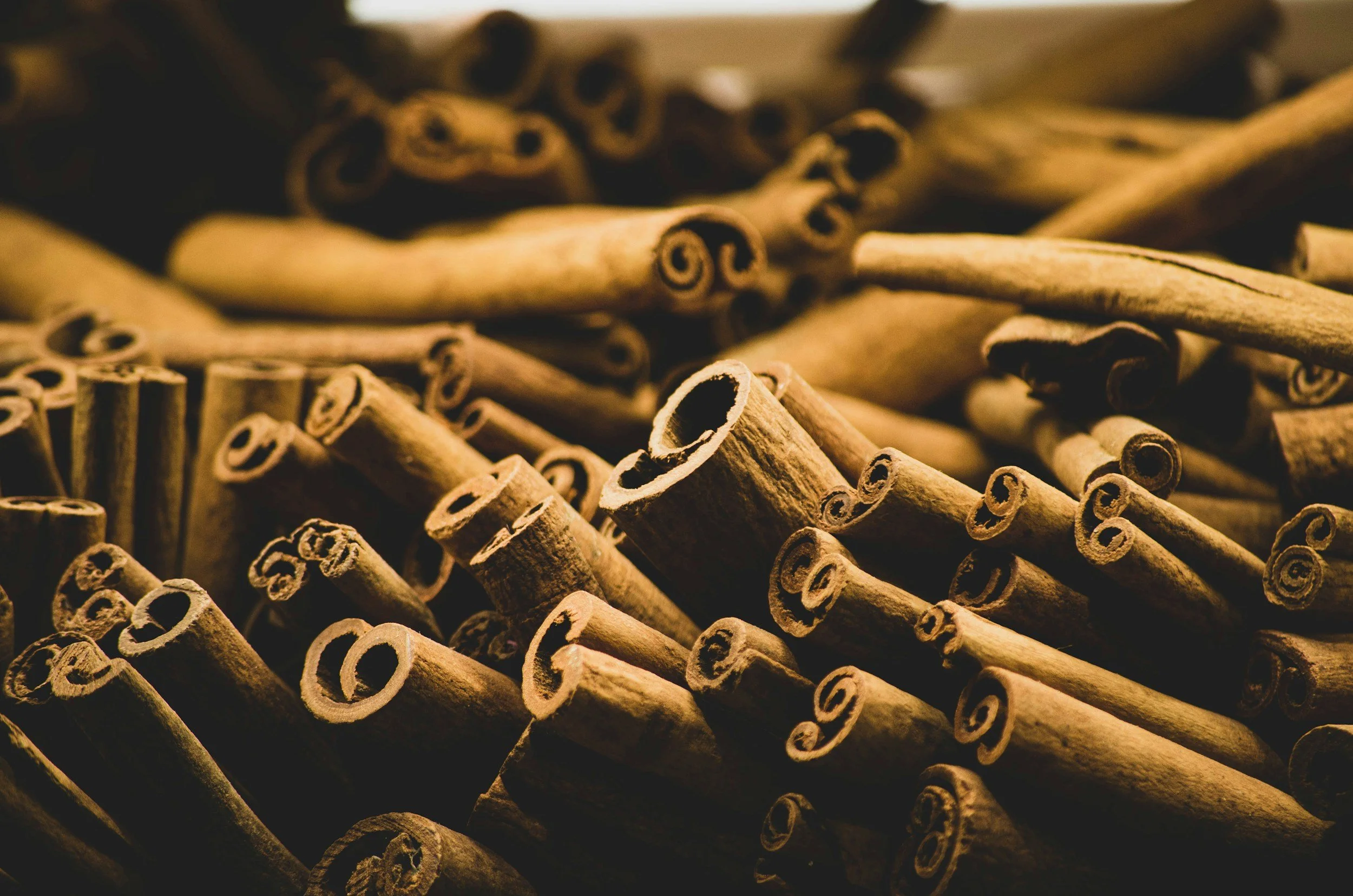
Cinnamon Bark
Cinnamomum verum (syn. C. zeylanicum) and Cinnamomum cassia · Lauraceae · dried inner bark
Also known as Twak (Ayurveda), Rou Gui (Traditional Chinese Medicine, bark), Dalchini (Hindi), Ceylon cinnamon, cassia
- Hot
- Pungent
- Sweet
- Drying
- Astringent
- Carminative
- Circulatory stimulant
- Antimicrobial
Educational content, not medical advice. Nothing on this page is a substitute for care from a qualified healthcare provider. Do not stop or change a prescribed medication, including diabetes medication, based on anything you read here. Cinnamon in medicinal amounts can affect blood sugar and, in the cassia species, the liver, so talk with your doctor or pharmacist before using it beyond food amounts.
About Cinnamon
Cinnamon is the dried inner bark of evergreen trees in the genus Cinnamomum, laurel family. King's American Dispensatory listed three kinds as official in 1898: Ceylon, cassia, and Saigon.1 Two of them still matter in commerce, and they differ enough that this monograph treats them side by side.
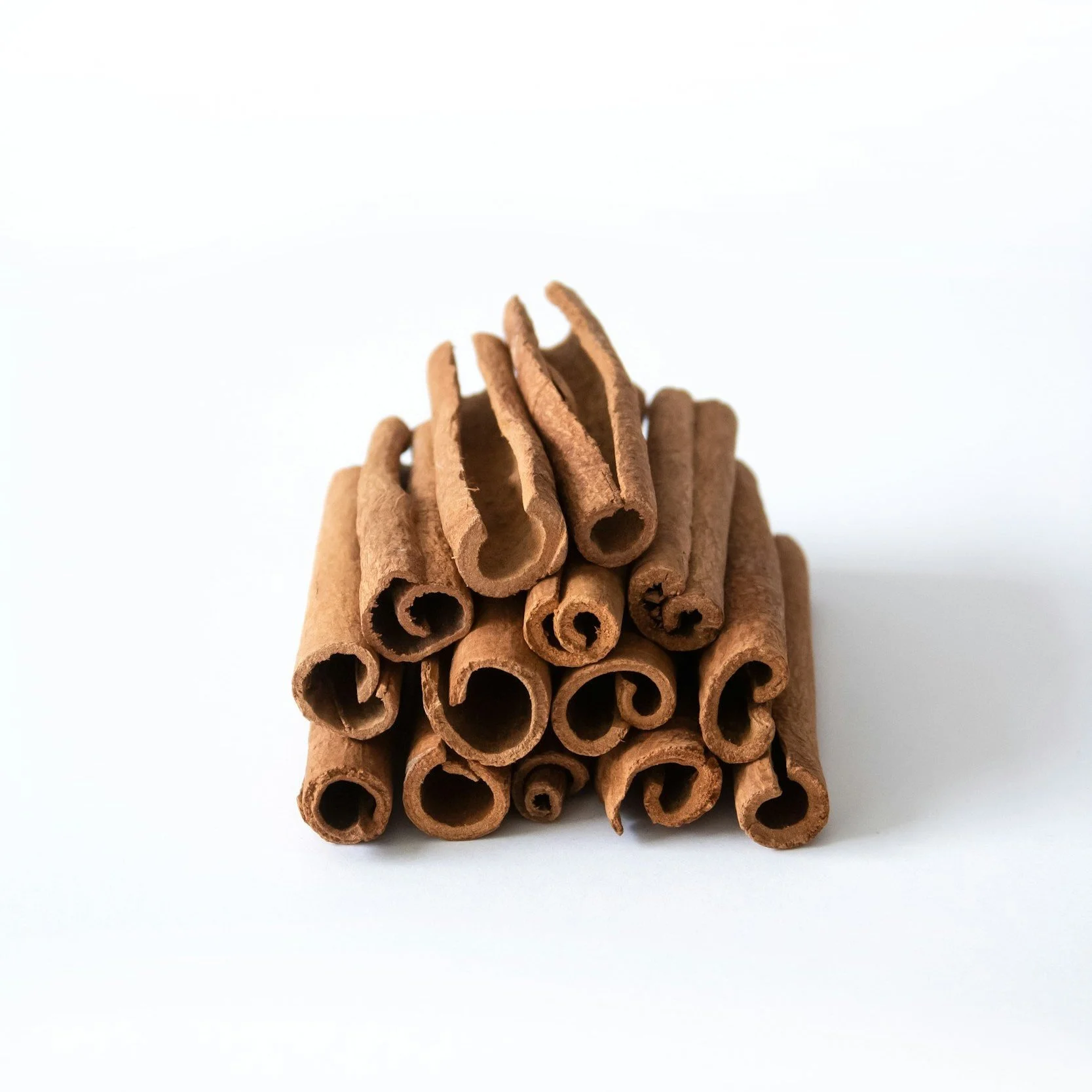
- Ceylon cinnamon, Cinnamomum verum, is native to Sri Lanka and still appears on labels and in older texts under its synonym C. zeylanicum. Shoots about two years old are cut, the outer cork is scraped away, and the thin inner bark is rolled into quills that nest inside one another.1
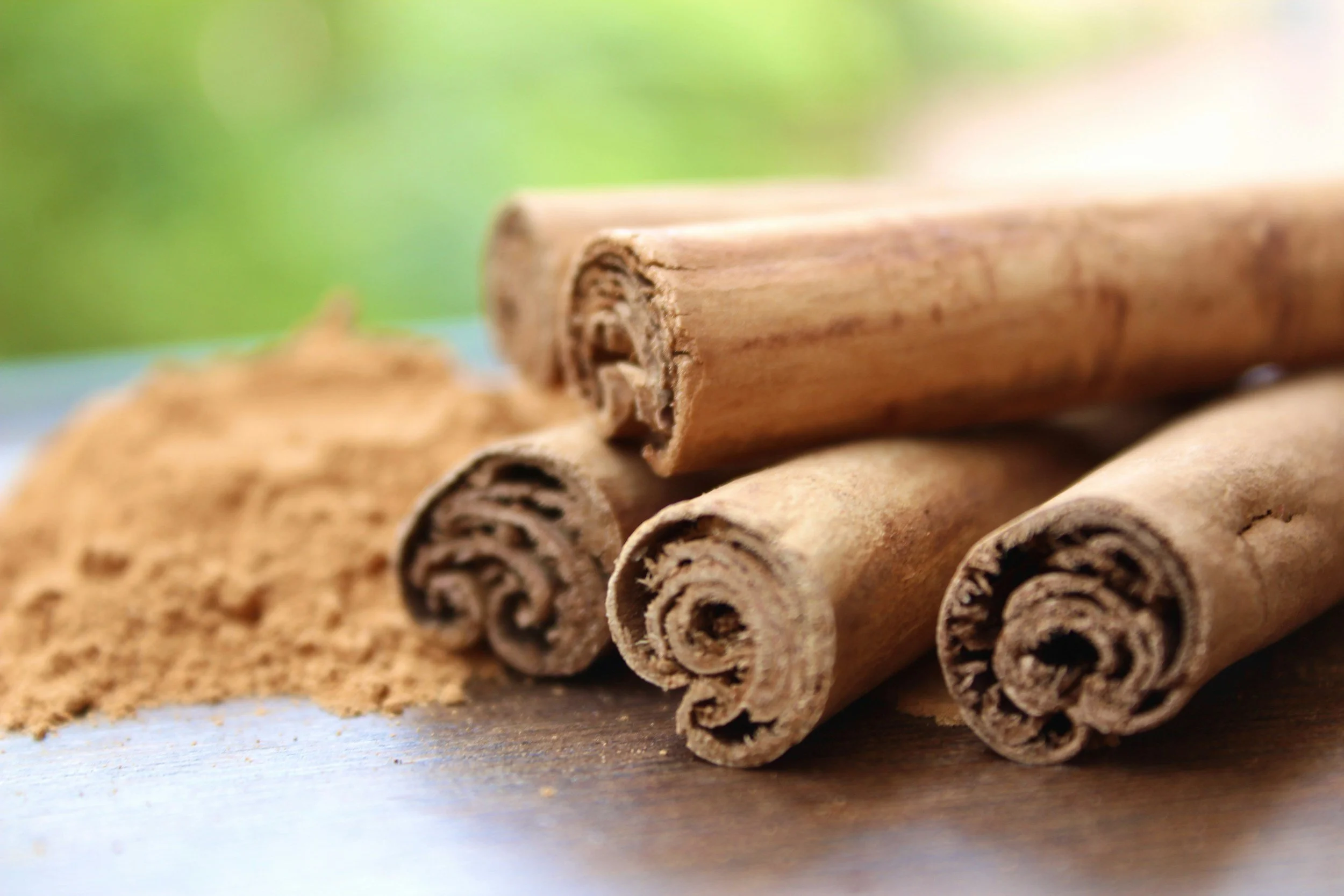
- Cassia cinnamon, Cinnamomum cassia, is native to southern China and is the species behind nearly all ground cinnamon on American grocery shelves. Indonesian cassia (C. burmannii) and Saigon cinnamon (C. loureiroi) are close relatives that grade with it and share its high coumarin content.13
- Where it grows: Ceylon comes mainly from Sri Lanka, with smaller production in Madagascar and the Seychelles. Cassia comes from China, Indonesia, and Vietnam.
- The twig is a different medicine. In Chinese medicine the twig, Gui Zhi, is used and dosed separately from the bark. This page covers the bark only.
Telling Ceylon from cassia
| Character | Ceylon (C. verum) | Cassia (C. cassia) |
|---|---|---|
| Quill structure | Many thin, papery layers rolled together into a dense scroll | One thick bark layer curled into a hollow tube |
| Color | Tan to light brown | Reddish to dark brown |
| Taste | Delicate, sweet, with citrus notes | Hot, strong, slightly bitter, more acrid and lasting1 |
| Texture | Brittle, crumbles when pressed | Hard, snaps |
| Coumarin | Trace | Substantial, varies widely by batch13 |
| Typical price | Higher | Lower |
Their actions overlap heavily. Both are dominated by cinnamaldehyde, both are warming carminatives (herbs that ease gas and bloating), and traditional systems used whichever species grew nearby. The meaningful split is coumarin, covered under Safety.
Who has used it
- Traditional Chinese Medicine calls the bark Rou Gui and files it among the herbs that warm the interior and tonify yang.5
- Ayurveda calls it Twak and uses it in digestive and respiratory formulas.6
- Western herbalism carried it from Greek and Roman pharmacy into the European pharmacopoeias and the American Eclectic physicians of the 1800s.1
Traditional Use
The traditions below describe how practitioners have used cinnamon bark. These are historical and cultural records, not instructions. None of this is medical advice.
Energetics
Warming to hot, pungent and sweet, drying, with an astringent finish. Cinnamon moves blood toward the surface, warms the core, and dries damp, sluggish digestion. It suits people who run cold, with cold hands and feet, gas and bloating, and complaints that worsen in cold weather. It aggravates hot, dry, irritated states.
Western herbalism and the Eclectics
King's American Dispensatory classifies cinnamon as a stimulant, tonic, stomachic (a digestive strengthener), carminative, and astringent, and notes it was "reputed" to bring on menstruation and to reduce milk supply.1 The Eclectic physicians, a school of American doctors active from the mid 1800s into the 1930s, used it:
- as a hemostatic (an agent that slows bleeding) for postpartum and other uterine bleeding, where King's calls it "one of the most prompt and efficient remedies in the Materia Medica," acting on the uterine muscle to cause contraction1
- for diarrhea, colic, stomach cramp, flatulence, nausea, and vomiting
- to correct the taste or the griping quality of other medicines, especially cinchona bark
- to a limited degree for bleeding elsewhere, including blood in the urine and coughed-up blood
King's also records that cinnamon first stimulates and then depresses the nervous system, and that it yields its properties to water but more readily to alcohol.1 Germany's Commission E later approved the bark for loss of appetite and dyspeptic complaints (indigestion with bloating and gas).2,3 The European Medicines Agency lists Ceylon bark as a traditional remedy for mild spasmodic digestive complaints and mild diarrhea.4
Ayurveda: Twak
Sebastian Pole classifies cinnamon as heating and sweet, reducing kapha (the heavy, damp, cold quality) and vata, and increasing pitta (heat).6,7 Its traditional roles include:
- kindling agni, the digestive fire, in cold and sluggish digestion
- supporting the lungs in cold, wet, congested patterns
- warming the circulation and the reproductive system
- as one of the three aromatics with cardamom and bay leaf, a classical trio added to digestive formulas to carry other herbs and improve their taste
Traditional Chinese Medicine: Rou Gui
Bensky's Chinese Herbal Medicine: Materia Medica describes Rou Gui as acrid, sweet, and hot, entering the Heart, Kidney, Liver, and Spleen channels. It warms and tonifies yang, disperses cold, and promotes the movement of blood. It is given for aversion to cold, cold limbs, weak low back and knees, cold-type abdominal pain with poor appetite and loose stools, and painful menstruation with clotting. Bensky cautions against it in yin deficiency with heat signs, in interior heat, and during pregnancy.5 It is often taken as powder or added at the end of a decoction, since long boiling drives off its volatile oil.
Constituents and What They Do
Cinnamon bark holds one volatile oil that gives it its scent and heat, and a group of water-soluble compounds that carry most of the modern research interest. The volatile oil runs about 0.5 to 1 percent in Ceylon bark and 1 to 4 percent in cassia.1,3
| Constituent | Where it sits | What studies show |
|---|---|---|
| Cinnamaldehyde | Roughly 65 to 90 percent of the volatile oil, higher in cassia | Responsible for the warmth, aroma, and carminative action. Antimicrobial and antifungal in laboratory work. Mild antiplatelet activity in laboratory work. The main skin sensitizer in cinnamon, and the reason cinnamon bark oil irritates skin.3 |
| Coumarin | Cassia powder 1,740 to 7,670 mg/kg (mean 4,020); Ceylon powder below detection to 297 mg/kg | Caused liver injury in a susceptible subset of patients who took it as a drug.14 Absorbed from cinnamon powder about as well as from pure coumarin in a human crossover.15 Has no blood-thinning activity; see Safety. |
| Type-A polymeric procyanidins | Water-soluble fraction of the bark | Isolated by a USDA lab and shown to mimic insulin signaling in fat cells in a dish.8 These are the compounds behind the blood sugar trials. Cell-level evidence only for the mechanism. |
| Tannins | Water-soluble | Give the bark its astringent grip and its traditional use in diarrhea and passive bleeding.1 |
| Eugenol | Ceylon leaf oil mainly; 4 to 10 percent of cassia bark oil | A clove-like compound with antiseptic activity in laboratory work. Its distribution is one reason bark oil and leaf oil are not interchangeable.1,3 |
What the Research Shows
Nearly all human research on cinnamon asks one question: does it lower blood sugar in people with type 2 diabetes? The answer depends on which trials are pooled. Individual trials and one meta-analysis report modest reductions in fasting glucose and blood fats; a Cochrane review pooling a similar set found the evidence insufficient. The trials used different species, doses, and durations, which explains much of the disagreement. Blood pressure has a small signal from three short trials. The safety research on coumarin is the most consistent body of work on this page. Nobody should adjust diabetes medication around cinnamon.
Cassia cinnamon and blood sugar in type 2 diabetes
- Design: 60 people with type 2 diabetes in Pakistan, split into six groups of 10. Three groups took 1, 3, or 6 g of cassia daily for 40 days; three took matching wheat flour placebo capsules. A 20-day washout followed.
- Findings: all three cinnamon doses reduced fasting glucose by 18 to 29 percent, triglycerides by 23 to 30 percent, LDL cholesterol by 7 to 27 percent, and total cholesterol by 12 to 26 percent. Placebo groups did not change.9
- Dose: 1, 3, or 6 g of ground cassia daily.
- Limitations: ten people per group and 40 days. All three doses worked about equally, so there was no dose response, which is unusual for a true drug effect. Later trials in other countries found smaller effects or none. Co-author Richard Anderson of the USDA led the laboratory work on cinnamon's insulin-signaling compounds, so the trial came from the research group with the strongest prior stake in the result. At 6 g daily, the cassia used here would exceed the coumarin tolerable daily intake several times over.
Pooled trials: cinnamon in type 2 diabetes
- Design: a meta-analysis (a statistical pooling of separate trials) covering 10 randomized controlled trials and 543 people with type 2 diabetes, with cinnamon doses from 120 mg to 6 g daily for 4 to 18 weeks.
- Findings: fasting glucose fell by about 25 mg/dL, total cholesterol by about 16 mg/dL, LDL by about 9 mg/dL, and triglycerides by about 30 mg/dL. HDL rose. HbA1c, the three-month average blood sugar marker, did not change significantly.10
- Dose: varied across trials.
- Limitations: the trials used different species, whole bark and extracts, and different durations, and the authors themselves advise caution because the right dose, duration, and patient group remain unknown. No change in HbA1c means the fasting glucose drop may not translate into long-term control. Authors were pharmacy faculty with no industry funding stated.
Cochrane review: cinnamon for diabetes
- Design: a Cochrane review, the most conservative form of pooled analysis, covering 10 randomized trials and 577 people with type 1 or type 2 diabetes, mostly using about 2 g of cinnamon daily for 4 to 16 weeks.
- Findings: no statistically significant effect on HbA1c, fasting glucose, or insulin. The authors concluded the evidence was insufficient to support cinnamon for diabetes.11
- Dose: about 2 g daily in most trials.
- Limitations: the same trial pool as Allen, analyzed with stricter inclusion rules and a different statistical model, which is why the conclusions differ. Both reviews agree the trials are small and short. No industry funding.
Cinnamon and blood pressure
- Design: three randomized trials, 139 people with prediabetes or type 2 diabetes, cinnamon 500 mg to 2.4 g daily for up to 12 weeks.
- Findings: systolic pressure fell by about 5 mmHg and diastolic by about 2.6 mmHg compared with control.12
- Dose: 500 mg to 2.4 g daily.
- Limitations: three trials and 139 people is a thin base. The lead author ran one of the three included trials. The effect is small and short-term, and blood pressure was a secondary outcome in the trials, not the reason they were run.
Coumarin content of retail cinnamon
- Design: 47 cinnamon powders and 29 cassia sticks from the German retail market, plus bark from five trees in Indonesia, analyzed by liquid chromatography for coumarin, cinnamaldehyde, and eugenol.
- Findings: cassia powder contained 1,740 to 7,670 mg/kg coumarin (mean 4,020). Cassia sticks ranged from below detection to 9,900 mg/kg, with wide variation even within one package and one tree. Ceylon powder ran from below detection to 297 mg/kg.13
- Dose: not applicable; this is a content study.
- Limitations: German market samples, so US brands may differ. Conducted by Germany's Federal Institute for Risk Assessment, a government body with no product to sell.
Coumarin risk assessment using human data
- Design: a review of liver toxicity data from patients who took coumarin as a prescription drug (for lymphedema and other conditions), combined with a telephone survey of more than 1,000 Germans on seasonal cinnamon intake.
- Findings: a subgroup of people is more susceptible to coumarin liver injury than any animal species tested. The cause is unknown. The liver changes reversed when coumarin stopped. Using the human data, the authors derived a tolerable daily intake of 0.1 mg per kg body weight, matching the figure EFSA set in 2004, and found that heavy cassia consumers can reach it.14
- Dose: for a 60 kg adult, the tolerable daily intake is 6 mg of coumarin, which about 2 g of average cassia delivers. A child weighing 15 kg reaches it at about 0.5 g.3
- Limitations: the human toxicity data come from drug doses far above dietary intake, so the limit is a precaution built on a safety factor. Government authors, no industry funding.
Dosing Perspectives
Not medical advice. The doses below are educational. They show how different herbalists, traditions, and regulators have approached cinnamon bark so you can see where they agree and disagree. They are not a recommendation for you. Work with your healthcare provider before using any herb beyond food amounts, especially if you take medication for blood sugar or have a liver condition.
| Source | Preparation | Dose (as stated) | Use |
|---|---|---|---|
| King's American Dispensatory (1898) | Powdered bark | 5 to 20 grains (about 325 mg to 1.3 g) | Internal |
| King's (1898) | Tincture of cinnamon | 10 to 60 drops; for uterine bleeding, drachm doses (about a teaspoon) in sweetened water every 5 to 20 minutes, a historical clinical use recorded for the record | Internal |
| King's (1898) | Tincture of the oil: 1 fluid drachm oil in 8 fluid ounces of 98 percent alcohol | 5 to 30 drops, repeated as needed | Internal |
| German Commission E (1990) | Dried bark, or equivalent preparation | 2 to 4 g daily | Internal |
| European Medicines Agency (2011), Ceylon bark | Herbal tea | 0.5 to 1 g comminuted bark as an infusion, up to 4 times daily; adults only | Internal |
| EMA (2011), Ceylon bark | Liquid extract 1:1 in 70 percent ethanol; tincture 1:5 in 70 percent ethanol | Extract 0.5 to 1 ml three times daily; tincture 2 to 4 ml daily | Internal |
| Bensky, Chinese Herbal Medicine: Materia Medica | Rou Gui (cassia bark), powder or added at the end of a decoction | 1.5 to 4.5 g | Internal |
| Herbal Reality monograph (McIntyre) | Dried bark | 1.5 to 8 g | Internal |
| Herbal Reality monograph (McIntyre) | Tincture 1:3 in 45 percent alcohol | 2 to 4 ml up to twice daily, in a little water | Internal |
| Culinary use | Ground or in quills, with food | To taste | Internal |
The spread from under a gram to 8 g a day is not carelessness. The low end treats cinnamon as an aromatic where the volatile oil does the work, dosed in drops or in a cup of tea. The high end treats it as a decocted constitutional herb inside a Chinese-style formula. The species decides which end is safe for daily use: at 2 g of average cassia a day, a 60 kg adult already reaches the coumarin tolerable daily intake, so any dose above a cup of tea taken daily belongs to Ceylon.3,13
Preparations by What You Want to Extract
Not every constituent in a plant dissolves in every solvent, so the preparation decides what ends up in the cup. If the extraction methods are new to you, start with my article on decoctions versus infusions.
Solubility of the constituents
- Volatile oil (cinnamaldehyde): dissolves in alcohol and fat, partly in hot water, and escapes with steam. King's states the bark yields its properties to water but more readily to alcohol.1 An uncovered pot loses much of it.
- Type-A procyanidins: water-soluble. The USDA isolated them from a water extract, so tea and decoction carry them.8
- Tannins: water-soluble, and more of them come out with longer steeping.
- Coumarin: comes through in every preparation. In a human crossover, coumarin from cinnamon powder was absorbed about as well as pure coumarin.15 You cannot prepare it out of cassia; you choose Ceylon instead.
Preparations that fit the chemistry
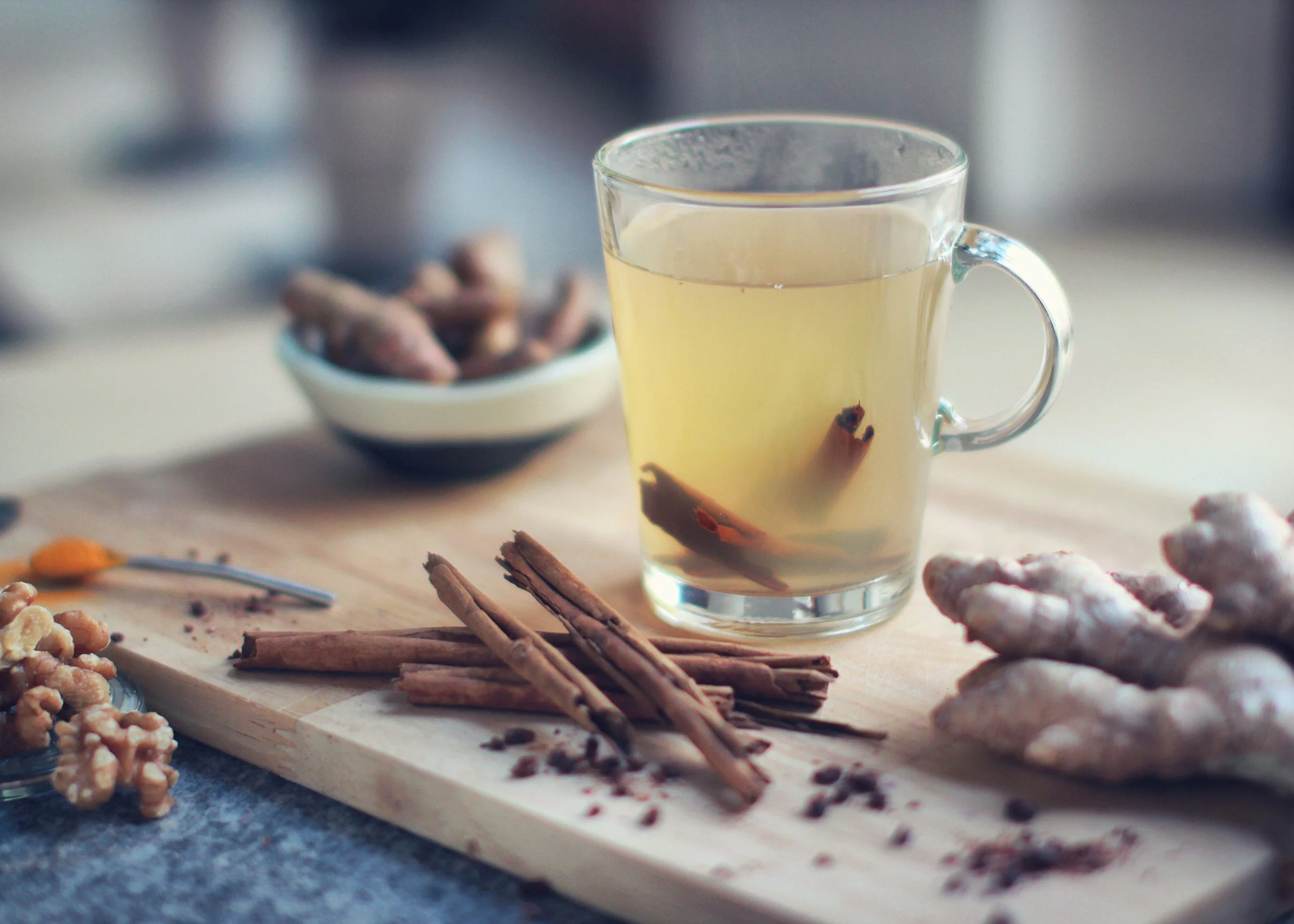
- Covered infusion. One to two teaspoons of crushed quills, or half a teaspoon of powder, per cup of just-boiled water, covered, steeped 10 to 15 minutes. The lid holds the volatile oil in the cup. This is the preparation for cold, gassy digestion and for a warming winter tea. It pairs well with ginger and black pepper .
- Decoction, cinnamon added last. For Chinese-style formulas, simmer the other herbs and add cinnamon in the final minutes. Bensky's practice of taking Rou Gui as powder or adding it late exists for this reason.5
- Powder in food. The simplest route to the amounts used in the blood sugar trials. Stir into warm milk, honey, oatmeal, or coffee. Every gram-level daily dose should be Ceylon.
- Tincture. The EMA monograph uses 1:5 in 70 percent alcohol; Herbal Reality gives 1:3 in 45 percent.4,7 Higher proof pulls the volatile oil more completely. Dosed by the dropper as a warming addition to carminative and circulatory formulas.
- Honey infusion. Crushed quills steeped in raw honey for several weeks make a warming winter preparation that goes down easily in tea or on a spoon.
- With turmeric. Cinnamon is a standard partner in golden milk. See the turmeric monograph for the rest of that blend.
Preparations to skip
- Essential oil taken internally or applied undiluted. Cinnamon bark oil concentrates cinnamaldehyde, a strong skin and mucous membrane sensitizer. Commission E records frequent allergic skin and mucosa reactions.2,3 I do not use it in leave-on products.
- Long uncovered boiling. Drives off the oil that gives cinnamon most of its carminative action and leaves a tannin-heavy, flat-tasting liquid.
- Daily cassia at therapeutic doses. Not a preparation problem but a species problem. See Safety.
Safety and Cautions
Not medical advice. Herbs contain active compounds that can interact with medications and health conditions. Cinnamon at food amounts has centuries of safe use. The cautions below apply to daily or medicinal amounts. Talk with your healthcare provider or pharmacist before using it beyond cooking if any of these apply to you.
Coumarin and the liver
Cassia and its relatives carry coumarin at levels that vary widely between batches; Ceylon carries only a trace.13 Coumarin injured the liver in a susceptible subgroup of patients who took it as a drug, and the injury reversed when they stopped.14 The tolerable daily intake is 0.1 mg per kg of body weight. A 60 kg adult reaches it at about 2 g of average cassia, under a teaspoon, and a 15 kg child at about 0.5 g.3 Most people never experience the effect, and there is no way to know in advance whether you are in the susceptible group. The practical rule: occasional culinary use, either species. Daily use, therapeutic doses, children, or any liver condition, Ceylon.
Coumarin is not Coumadin
Plain coumarin does not thin the blood. Warfarin (Coumadin) is a synthetic derivative several chemical steps away, and articles claiming cassia "acts like a blood thinner because of coumarin" are repeating an error. Cinnamaldehyde does show mild antiplatelet activity in laboratory work, which is a separate and much smaller consideration, noted below.
Medications
- Diabetes medication and insulin. Trials report lower fasting glucose with gram-level doses.9,10 Brinker records that water extracts of cinnamon potentiated insulin in cell studies and raised plasma insulin in rats, with cassia more active than Ceylon. He then notes the contrary human finding: in a placebo-controlled trial of 72 adolescents with type 1 diabetes, 1 g of cinnamon powder daily for 90 days changed nothing, not insulin dose, not hypoglycemic episodes, not HbA1c. Those trials did not name the species used.16 Adding therapeutic cinnamon to insulin or oral glucose-lowering drugs could still push blood sugar lower than intended. Involve your prescriber and monitor.
- Anticoagulant and antiplatelet drugs. Theoretical additive effect from cinnamaldehyde at high sustained doses, based on laboratory data. The EMA monograph on Ceylon bark reports no drug interactions, and Brinker lists none beyond the insulin data above.4,16 Culinary use is not a concern.
Conditions
- Liver conditions. Avoid regular cassia. Use Ceylon if using cinnamon at all, and discuss it with your provider.
- Stomach or intestinal ulcers. Brinker advises avoiding cinnamon (empirical) because its stomachic action stimulates gastric secretion.16
- Acid reflux. Brinker lists reflux as a reason to avoid cinnamon (speculative). His reasoning draws on a human study of peppermint oil, a fellow carminative that relaxes the lower esophageal sphincter, the muscle ring that keeps stomach contents down. No cinnamon-specific study shows this, so he grades it as an inference.16
- Allergy. Commission E, the EMA, and Brinker all contraindicate cinnamon in people sensitive to cinnamon or to Peru balsam, a resin that shares allergens with it. Brinker attributes the reactions to cinnamaldehyde and cinnamein, documented by mouth and on the skin in human studies, and Commission E records frequent allergic skin and mucosa reactions.2,3,4,16
- Prolonged use. Brinker advises against it (speculative) because of possible tissue irritation from the volatile oil.16 The EMA sets a two-week limit for self-treatment of digestive complaints before consulting a practitioner.4 For daily use beyond food amounts, that is two separate sources pointing to short courses.
- Essential oil. Cinnamon bark oil is a strong skin irritant and sensitizer. It is not for internal use or undiluted skin contact.
Pregnancy, nursing, and children
- Pregnancy. Culinary amounts are fine. Commission E lists pregnancy as a contraindication, the EMA does not recommend use for lack of safety data, King's records cinnamon as a reputed emmenagogue (an agent that brings on menstruation), Bensky cautions against Rou Gui in pregnancy, and Brinker advises avoiding large quantities (empirical) because of the emmenagogue effect of the volatile oil.1,2,4,5,16 Five sources point the same direction. Avoid therapeutic doses and the essential oil.
- Nursing. The sources disagree. King's says cinnamon is "capable of diminishing the secretion of milk," while Herbal Reality lists it as a galactagogue, an herb that increases milk supply.1,7 The EMA does not recommend use during lactation for lack of data.4 Food amounts have a long history. Keep medicinal doses for after weaning unless your provider says otherwise.
- Children. The EMA does not recommend cinnamon as a medicine under 18 for lack of data.4 Children reach the coumarin limit at a fraction of the adult amount, so for children who eat cinnamon often, use Ceylon.
Constitutional cautions
- Ayurveda: increases pitta. People who run hot, with reflux, inflammation, or an irritable temperament, should keep to food amounts.6
- Traditional Chinese Medicine: Bensky cautions against Rou Gui in yin deficiency with heat and in interior heat.5
- Large doses of bark have been reported to cause palpitations and a faster pulse.3
Frequently Asked Questions
What is Ceylon cinnamon?
The bark of Cinnamomum verum, the species native to Sri Lanka and sometimes called true cinnamon. It tastes sweeter and more delicate than cassia and contains only trace coumarin, which makes it the species for daily use.
Where does cinnamon come from?
Ceylon comes mainly from Sri Lanka, with smaller production in Madagascar and the Seychelles. Cassia comes from China, Indonesia, and Vietnam. Nearly all ground cinnamon in American grocery stores is cassia.
How can I tell Ceylon from cassia at home?
Look at the quills. Ceylon rolls many papery layers into a dense scroll that crumbles when pressed. Cassia is a single thick layer curled into a hard hollow tube. Ground cinnamon is much harder to distinguish, so with powder you are trusting the label.
Does cinnamon lower blood sugar?
Some trials report lower fasting glucose with 1 to 6 g of cassia daily, and one meta-analysis found a modest drop. A Cochrane review pooling a similar set of trials found the evidence insufficient, and a trial in adolescents with type 1 diabetes found no effect at all. Neither review found a change in HbA1c. Treat cinnamon as a supportive food, and do not adjust diabetes medication around it.
Does cinnamon lower blood pressure?
A meta-analysis of three short trials found a systolic drop of about 5 mmHg in people with prediabetes or type 2 diabetes. The base is thin and the effect is small.
Can dogs have cinnamon?
Small culinary amounts of Ceylon cinnamon are generally considered safe for dogs. Skip cassia for regular use because a dog's small body weight reaches the coumarin limit at a small amount, keep cinnamon essential oil away from them entirely, and never let a dog inhale loose powder, which irritates the airways. Ask your veterinarian before adding any herb to a pet's routine.
Where should I buy Ceylon cinnamon?
Buy whole quills from a spice supplier that names the species and country of origin, ideally with batch testing. Whole quills keep their volatile oil far longer than powder, and you can grind as needed.
Sources
- Felter HW, Lloyd JU. Cinnamomum. King's American Dispensatory, 1898. Public domain, hosted at Henriette's Herbal.
- German Commission E monograph, Cinnamomi cassiae cortex and Cinnamomi ceylanici cortex, 1990. In: Blumenthal M, ed. The Complete German Commission E Monographs. American Botanical Council, 1998.
- German Federal Institute for Risk Assessment (BfR). High daily intakes of cinnamon: Health risk cannot be ruled out. BfR Health Assessment No. 044/2006, 18 August 2006. Summarizes the Commission E monograph and the coumarin intake calculations.
- European Medicines Agency, Committee on Herbal Medicinal Products. Community herbal monograph on Cinnamomum verum J.S. Presl, cortex. EMA/HMPC/246774/2009, adopted 10 May 2011.
- Bensky D, Clavey S, Stöger E. Chinese Herbal Medicine: Materia Medica, 3rd edition. Eastland Press, 2004. Rou Gui entry excerpted here on a retail supplier's page; the book itself is the source.
- Pole S. Ayurvedic Medicine: The Principles of Traditional Practice. (affiliate link) Pole is a co-founder of Pukka Herbs, a tea company.
- Herbal Reality. Cinnamon (Cinnamomum spp.) monograph. Last reviewed July 2020. Herbal Reality is a UK charity founded by Sebastian Pole of Pukka Herbs; it is herbalist-written and does not sell products. Used here for dosing and traditional actions only.
- Anderson RA, Broadhurst CL, Polansky MM, et al. Isolation and characterization of polyphenol type-A polymers from cinnamon with insulin-like biological activity. Journal of Agricultural and Food Chemistry. 2004;52(1):65-70. DOI: 10.1021/jf034916b. USDA authors.
- Khan A, Safdar M, Ali Khan MM, Khattak KN, Anderson RA. Cinnamon improves glucose and lipids of people with type 2 diabetes. Diabetes Care. 2003;26(12):3215-3218. DOI: 10.2337/diacare.26.12.3215. Funded by NWFP Agricultural University, Peshawar; co-author Anderson at USDA.
- Allen RW, Schwartzman E, Baker WL, Coleman CI, Phung OJ. Cinnamon use in type 2 diabetes: an updated systematic review and meta-analysis. Annals of Family Medicine. 2013;11(5):452-459. DOI: 10.1370/afm.1517.
- Leach MJ, Kumar S. Cinnamon for diabetes mellitus. Cochrane Database of Systematic Reviews. 2012;(9):CD007170. DOI: 10.1002/14651858.CD007170.pub2.
- Akilen R, Pimlott Z, Tsiami A, Robinson N. Effect of short-term administration of cinnamon on blood pressure in patients with prediabetes and type 2 diabetes. Nutrition. 2013;29(10):1192-1196. DOI: 10.1016/j.nut.2013.03.007. Lead author ran one of the included trials.
- Woehrlin F, Fry H, Abraham K, Preiss-Weigert A. Quantification of flavoring constituents in cinnamon: high variation of coumarin in cassia bark from the German retail market and in authentic samples from Indonesia. Journal of Agricultural and Food Chemistry. 2010;58(19):10568-10575. DOI: 10.1021/jf102112p. BfR authors.
- Abraham K, Wöhrlin F, Lindtner O, Heinemeyer G, Lampen A. Toxicology and risk assessment of coumarin: focus on human data. Molecular Nutrition and Food Research. 2010;54(2):228-239. DOI: 10.1002/mnfr.200900281. BfR authors.
- Abraham K, Pfister M, Wöhrlin F, Lampen A. Relative bioavailability of coumarin from cinnamon and cinnamon-containing foods compared to isolated coumarin: a four-way crossover study in human volunteers. Molecular Nutrition and Food Research. 2011;55(4):644-653. DOI: 10.1002/mnfr.201000394. BfR authors.
- Brinker F. Cinnamon (Cinnamomum verum). In: Herbal Contraindications and Drug Interactions: Plus Herbal Adjuncts with Medicines, 4th edition. Eclectic Medical Publications, 2010, pages 102-103. Brinker grades each entry as empirical (clinical observation), speculative (inferred), or drawn from human, animal, or cell studies, and those labels are carried into the text above.
This monograph is updated as new research and sources become available.

Ivy Ham
I'm Ivy Ham, a clinical herbalist dedicated to blending traditional healing wisdom with modern science, and revealing how nature's remedies can enhance everyday wellness. Through my blog, I share insights on herbal solutions, nutrition, and holistic practices to guide you toward a more balanced, vibrant life.
Certified clinical herbalist · Missoula, Montana · Read more about Ivy