
Not an official list. My independent research of Ray Peat's published work, compiled and sourced.
The Ray Peat Diet Guide: Foods, Hormones and Lifestyle
Every food he mentioned in his work, his hormone framework in order, and links to his first-hand sources. Searchable, and cited to his own articles and interview transcripts.
This page is for educational purposes only. It is not medical advice, and it is not a substitute for care from a qualified provider.

The Ray Peat food List / Unofficial Ray Peat Diet Reference
Search any food, or filter by verdict or category. Every row links to where Peat made the point: a Source link goes to one of his articles on raypeat.com, an Interview link goes to a transcript of an interview with Ray, and newsletter citations are named, since the newsletters are not online. Scroll inside the table to browse all 150.
| Why |
|---|
No food matches that search. Try a shorter word.
Ray Peat inspired recipes
Recipes from this site built on his food positions, each one linked to the reasoning behind it.



What is the Ray Peat diet?
Ray Peat never published an official diet, food list or food pyramid. This page compiles his positions from his own articles and interviews. Read his work directly and do your own research. This page is educational, not medical advice.
The Ray Peat diet, also called pro-metabolic eating or peating, follows one rule: eat foods that raise your metabolic rate and avoid foods that lower it. That means ripe fruit, milk, gelatin, shellfish, saturated fat, salt and sugar, while avoiding seed oils, most grains, beans, nuts and raw leafy greens.
Key takeaways
- Peat judged foods by their effect on cellular energy production, not by calories or macros.
- His four objections: polyunsaturated fat, muscle meat without gelatin, plant defense compounds in seeds and leaves, and bacterial toxins from slow digestion.
- Sugar is not on his avoid list. Starch is his one concession, ranked below fruit.
- Anything labeled "Peat approved" without a source is somebody's interpretation.
Start here: the four positions he repeated most
- He recommended cooking with saturated fats such as coconut oil, butter and tallow, in place of seed oils.
- He recommended a raw carrot daily, dressed with coconut or olive oil and salt, to help clear estrogen and bacterial toxins.
- He recommended gelatin or broth at any meal built on muscle meat.
- He tracked temperature and pulse, before and after breakfast, as a home measure of thyroid function.
Who was Ray Peat?
Raymond Peat (1936 to 2022) was an American biologist who spent five decades studying how food, hormones and light set the rate at which cells produce energy. He taught at the University of Oregon, Montana State University and the National College of Naturopathic Medicine, counseled private clients on nutrition, and wrote a newsletter into his final years.
His life in six moments
Santee, California
Born January 12. The family moved to southern Oregon during the Second World War.
Blake before biology
Finished a master's thesis on the poet William Blake, years before any formal training in science.
Blake College, Mexico
Founded an experimental school in Valle de Bravo and ran it until 1965.
Turn to hormones
Began the progesterone research that would anchor the rest of his working life.
PhD, University of Oregon
Dissertation on progesterone as a protector of cell structure and energy production.
Died at 86
November 24. His articles remain free at raypeat.com.
What foods did Ray Peat recommend?
No official Ray Peat food list exists. The groups below are compiled from his articles, where he judged each food by its effect on energy production. Fruits carry low defenses because the plant benefits from being eaten. Seeds carry enzyme inhibitors and anti-vitamins because they are built to survive digestion. Most of his plant verdicts follow from that.
Eat Conditional Avoid
Ripe fruit and juice
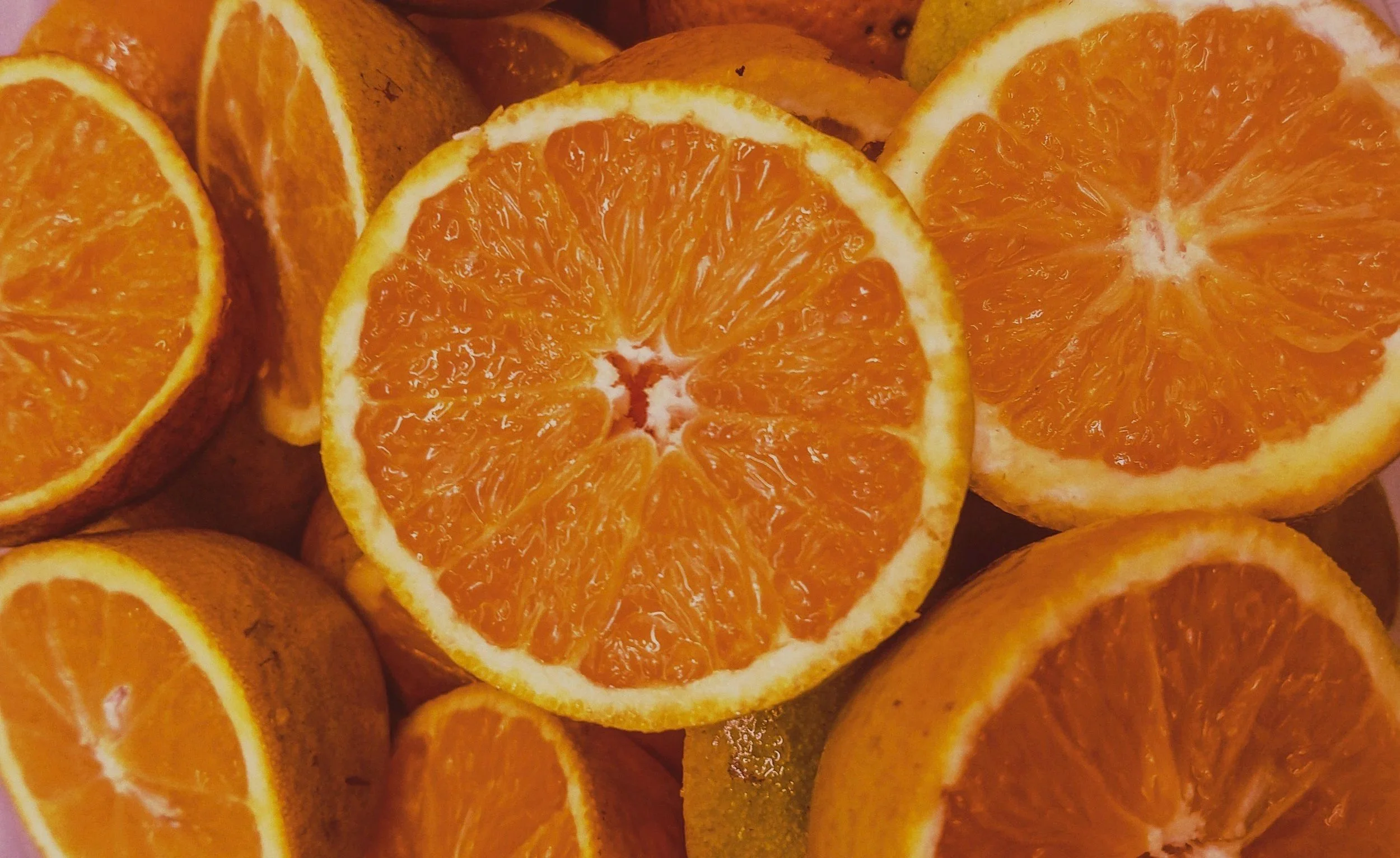
Orange juice was his staple, up to a quart a day, kept away from iron-rich meals because vitamin C raises iron absorption. In research he cited, fruit intake tracked inversely with diabetes. His two exceptions: bananas for latex-related allergens, avocado for its unsaturated fat.
Milk, cheese and eggs
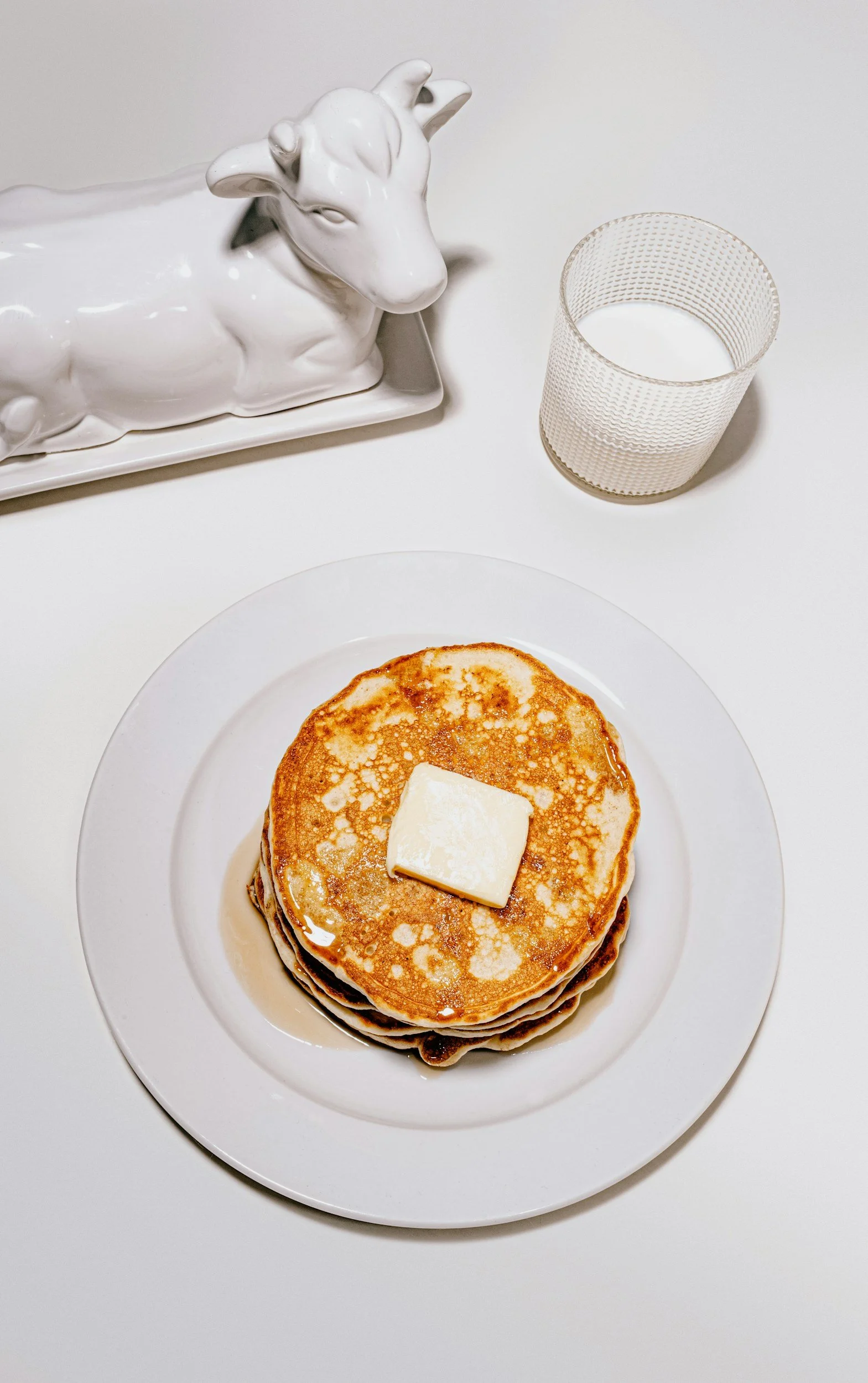
Whole milk over skim, because skim must be fortified and he treated the added vitamin carriers as an allergen risk. Cheese does the same job with less iron. Eggs go with carbohydrate and salt, since their amino acids push insulin hard. More on plant-based milk.
Gelatin, broth, whole animal
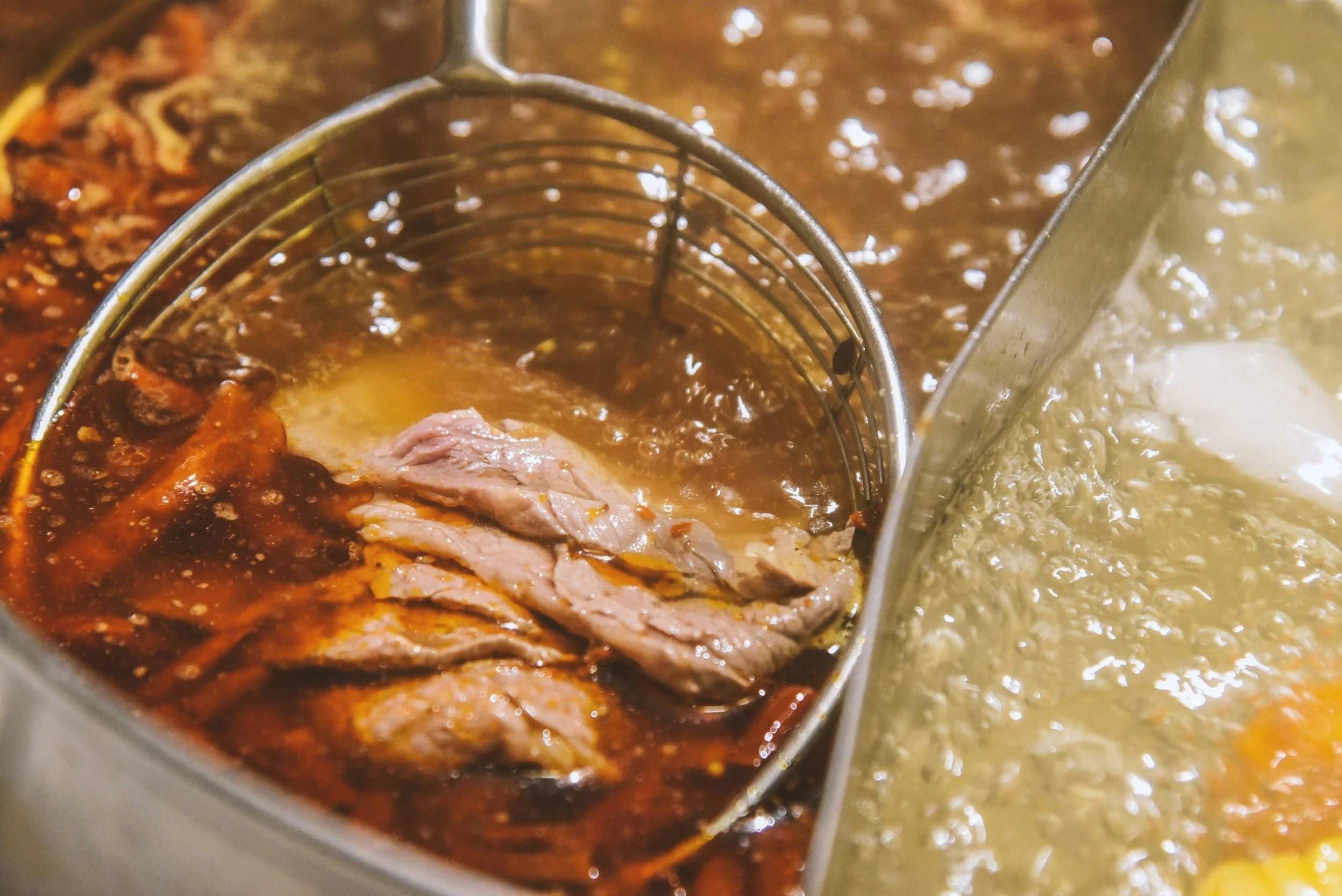
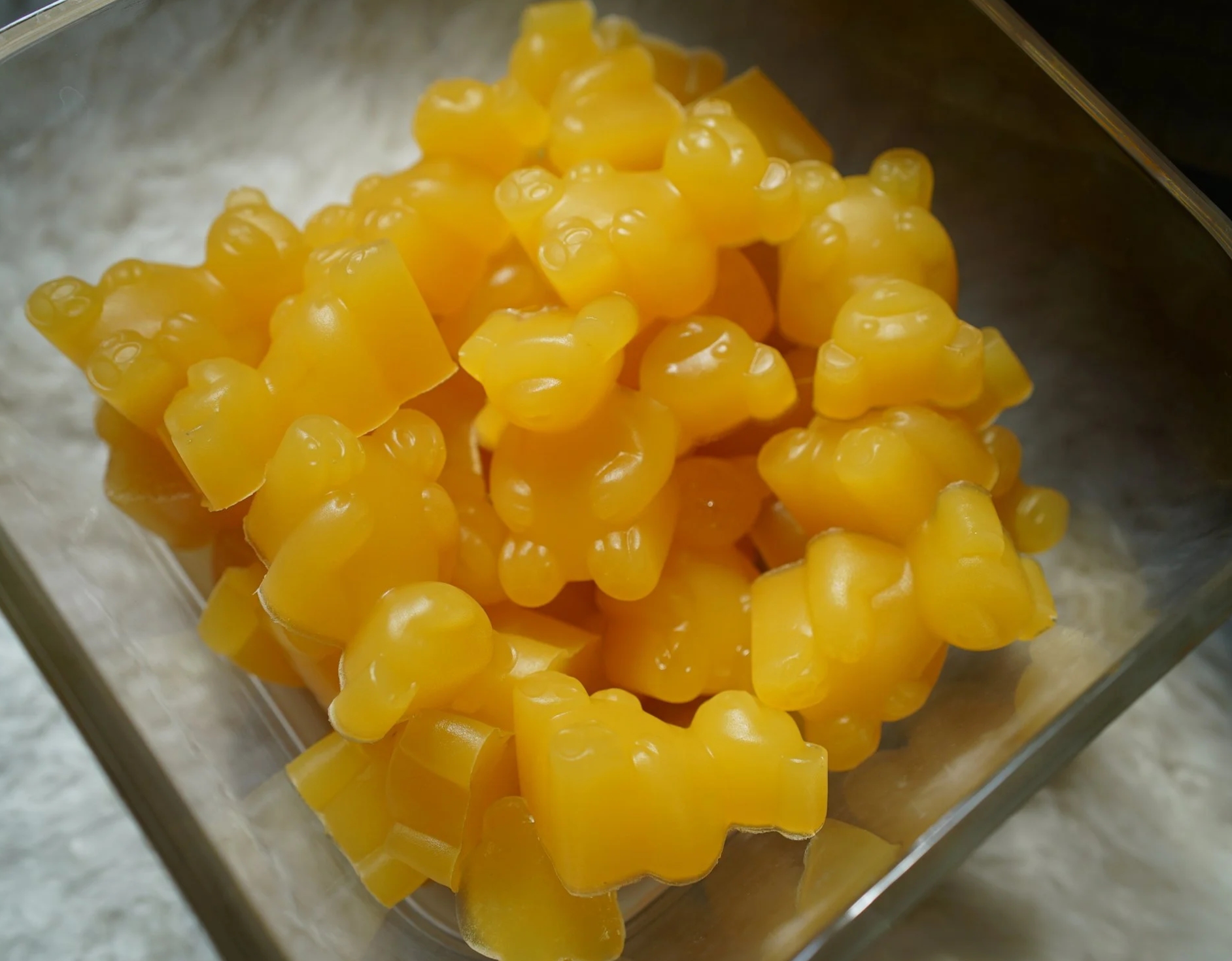
Muscle meat alone delivers a stress-pattern amino acid load that raises serotonin and suppresses thyroid. His figure was roughly 20 grams of gelatin alongside a half pound of steak. Oysters and shrimp earned a regular place for copper. Try the broth bowl or gelatin gummies.
Saturated fat
Coconut oil, butter, tallow, ghee and cocoa butter, with extra virgin olive oil as the one vegetable oil he called safe. A fat with no double bonds cannot oxidize into the reactive fragments he blamed for degenerative disease. More in the cooking oils guide.
Sugar and salt
Sucrose lowers free fatty acids, which limits the damage stored polyunsaturated fat can do. Honey and chocolate sit in the same group. Salt appetite he treated as a reliable signal, and salty food near bedtime helps sleep. See the electrolyte drink recipe.
Coffee
He drank it with meat because it blocks iron absorption, and noted coffee drinkers show less thyroid disease. For people who get shaky from it, his suggestion was about two ounces with cream or milk, taken with food. Read the clean coffee buying guide.
The grey area
Where his position was conditional, or where the community filled a gap he left open.
- Starch. His clearest concession: workable, but better foods should displace it. Well-cooked potato ranks above bread.
- Corn tortillas and masa. The starch he substituted for the others, based on studies of alkali-treated corn.
- White rice and sourdough. Neither appears in his articles. Our sourdough piece works through it.
- Liver. About one meal a week, bought fresh, because he said it can suppress thyroid function.
- Lean pork and lean fish. Allowed in small amounts. The fat is the objection.
- Macadamia nuts. Never named by him, but the lowest-PUFA nut, which is the only argument for them here.
What foods did Ray Peat avoid?
Seed oils and fish oil
Soybean, corn, safflower, sunflower, canola, cottonseed, peanut, sesame and flaxseed oil, plus fish oil and cod liver oil. He argued polyunsaturated fats (PUFA) suppress thyroid function, destroy vitamin E, and break down into fragments that block the cell's use of glucose and oxygen. See our fish oil article.
Grains, beans and nuts
Seeds carry the plant's strongest defenses: enzyme inhibitors, anti-vitamins and storage proteins with poor amino acid profiles. He said no preparation method makes beans satisfactory, and linked bread and pasta directly to diabetes incidence.
Raw leafy greens
He treated leaves as the plant's least edible part and wrote that only ruminants digest them well. The one raw vegetable he recommended daily is the carrot, because its fiber binds estrogen and bacterial toxins on the way out.
Added iron and food gums
Iron-fortified flour, pasta and cereal, plus black olives colored with iron. He wanted adults reducing iron, not adding it. Carrageenan he treated as a known allergen, hidden in ice cream, cream, apple cider, hot dogs and prepared sauces.
What did Ray Peat say about thyroid and hormones?
Most chronic complaints, in his view, trace back to low energy production. Thyroid function sets that rate, stress hormones and estrogen push it down, and progesterone holds it up.
His positions on thyroid testing and hypothyroidism run against current clinical practice, and this section reports what he wrote as education, not as a protocol to follow. If you suspect a thyroid problem, work with a licensed provider on testing and treatment. The steps below follow his argument in order, each with his source and ours where we have covered it.
-
Metabolism sets the frame
Thyroid hormone controls how fast cells turn food and oxygen into energy. He put more weight on body temperature, pulse, cholesterol and reflex speed than on blood tests.
-
Why he distrusted the standard blood test
TSH and T4 testing replaced symptom-based diagnosis after 1945, and the estimated share of hypothyroid Americans fell from 30 or 40 percent to 5 percent within a decade. He wrote that he never saw a person with a TSH over 2 who was comfortably healthy, a figure well below the reference range most labs use.
Source: TSH, temperature, pulse rate, and our piece on cholesterol as a thyroid marker
-
How he measured thyroid function at home
Pulse and oral temperature together, taken before breakfast, after breakfast and mid-afternoon, recorded for at least 14 days.
What he said the readings show
In a healthy person both numbers rise after breakfast. Healthy groups average a resting pulse near 85. He published no target temperature, so charts of "Peat's temperature targets" are not from his writing.
Source: TSH, temperature, pulse rate
-
Stress hormones can hide low thyroid
Adrenaline peaks around 1 or 2 AM and cortisol around dawn, and either can hold a waking reading at normal-looking numbers. This is why he weighed the change across breakfast more than the waking reading alone.
Source: TSH, temperature, pulse rate
-
Estrogen belongs with the stress hormones
He described estrogen as anti-respiratory: it interferes with energy production and switches on the adrenal stress reaction. Polyunsaturated fat amplifies the effect, and the daily raw carrot was his answer for helping the gut carry estrogen out.
Source: Estrogen, Age Stress Hormone
-
The protective hormones
Pregnenolone is the parent compound the body converts into progesterone, which he called the most protective hormone it produces, and into DHEA. DHEA has a ceiling, because he held that excess converts to estrogen or testosterone.
Source: Three Youth-Associated Hormones, and our article on progesterone and heart health
-
How he read menopause
Menopause, in his reading, is a progesterone failure with estrogen continuing at normal levels. Unopposed estrogen also obstructs thyroid secretion, which returns the subject to step one.
Source: Menopause and its causes
Related reading: hypothyroidism and weight loss, the NDT availability problem, and blood sugar control.
Ray Peat diet FAQ
Did Ray Peat publish a food pyramid?
No. Every "Ray Peat food pyramid" graphic in circulation is a community creation. His actual food positions came scattered through decades of articles, and this page compiles them with sources.
What did Ray Peat say about sugar?
He defended it. His argument was that the fructose half of sucrose blunts the insulin surge glucose causes, and that sugar lowers free fatty acids, which limits the damage stored polyunsaturated fat can do. Honey and fruit sugar sat in the same category for him.
Is there an official Ray Peat diet PDF?
No. He sold his books and newsletter but published his articles free at raypeat.com, where they remain. PDFs circulating as his official diet plan are compilations by other people.
Read and hear Ray Peat first hand
Everything below is his actual work, written by him or spoken by him in recorded interviews. Nothing on this page substitutes for his own words.
Articles & newsletter
About 90 free articles live on his own site, and every source link in the database above points there. Ray Peat Rodeo holds 500+ searchable interview transcripts, and decades of newsletter back issues are available from Ray Peat Publishing by request.
Interviews & audio
He rarely lectured, but gave interviews for over twenty years. Danny Roddy's Generative Energy series is the most accessible entry point, while the KMUD archive collects his monthly "Ask Your Herb Doctor" appearances and indexes his other radio work.
Books
He self-published five books. Two are back in print through Ray Peat Publishing, and the rest sell used at prices that swing widely.
- Get Generative Energy
- Get Nutrition for Women
- Find From PMS to Menopause
- Find Progesterone in Orthomolecular Medicine
- Find Mind and Tissue
Book buttons are affiliate links. Items are shipped from Amazon.com and Ivy Herbal may earn a small commission on qualifying purchases.
Common questions
Did Ray Peat publish an official food list?
He never produced an approved-foods document across some 90 articles, five books, a decades-long newsletter, and countless interviews. Every list online, including this one, is assembled from his scattered comments.
Is the Ray Peat diet the same as the pro-metabolic diet?
The two overlap without being identical. Pro-metabolic eating is the broader movement his work started: it keeps the fruit, dairy, gelatin and saturated fat, but softens his positions on grains, vegetables and supplements.
Can you eat sourdough bread on this diet?
He never wrote about sourdough, and bread sits on his avoid list for its starch and gluten, which fermentation does not remove. If you eat it, treat it as a starch you have chosen rather than a food he endorsed.
Why are oysters recommended when other seafood is limited?
Oysters supply copper, and he said copper deficiency causes tissues to retain excess iron, naming oysters and shrimp as foods to use regularly. Being low in fat, they also carry little of the fish oil he objected to.
Are bananas allowed if he liked fruit?
His fruit endorsement wasn't universal. He named bananas specifically, alongside avocado, as carrying chitinase allergens that cross-react with latex.
How much gelatin per day?
He tied it to protein intake rather than a flat number: about 20 grams of gelatin alongside a half pound of steak, eaten at the same time.
What did Ray Peat actually eat?
From his own writing: two quarts of milk and a quart of orange juice daily, cholesterol-rich foods including eggs, cheese, meat and shellfish, coffee with cream, a raw carrot most days, and at one point a quart of ice cream a day.
Was Ray Peat a doctor?
He held a PhD in biology from the University of Oregon; his dissertation was on progesterone and estrogen. He was not a medical doctor and did not treat patients.
Why are the newsletter citations not linked?
He published his newsletter as a paid subscription, and every issue carries his notice that reproduction is not allowed without written permission. No authorized copies exist online, so newsletter sources are cited by issue name instead of linked. Back issues can be requested from Ray Peat Publishing. His articles and interview transcripts have legitimate public homes, which is why those citations link directly.
Medical disclaimer. This page summarizes the published views of one biologist. It is educational and is not medical advice, diagnosis or treatment. Several of his positions, particularly on sugar, aspirin, thyroid hormone and iron, run against standard clinical guidance. Speak with a qualified practitioner before changing your diet, starting a supplement or altering any medication, especially if you are pregnant, managing a diagnosed condition or taking prescription drugs.
Why I follow this work
I found Ray Peat's work in 2023, about a year after he died. For decades he answered emails from strangers, at length and for free, and left his articles online at no charge. I came to it too late to thank him.
His model changed how I understand my own body, and it produced the biggest improvement in my hormone health of anything I have studied. The same ideas now run through my work with clients and what I pass on to friends and family.
This page is my synthesis. His writing is dense and spread across decades, so I compiled the food verdicts into one database, put the hormone articles in a workable order, and added my lens as a clinical herbalist. Any errors in the summary are mine. Read him in his own words too: the first-hand sources are below.
Thank you, Dr. Peat. Rest in peace.
Grass-fed oxtail, potatoes and carrots cooked in the Instant Pot for 4 hours or in a slow cooker for 8. Includes an ingredient-by-ingredient check against what Ray Peat said about oxtail, starch, mushrooms, fish sauce and cook time.