
Vaccines Resources
Get Informed. Know your rights.
What is Informed Consent?
Informed consent is more than a signature on a document; it is a communication process between the clinician and the patient. This process ensures that the patient is fully informed about the nature of any procedure or intervention, the potential risks and benefits, and all of the alternative treatments available.
The patient can refuse or withdraw consent at any time during treatment. Informed consent respects patient autonomy, promotes trust in the patient-provider relationship, and safeguards against unethical practices like coersion.
Know Your Rights.
Blog Articles About Vaccines

Informed Consent Resources
The following resources are organized to support fully informed medical decision-making. Pro-vaccine guidance is widely available at cdc.gov and similar government sites. The resources below focus on legal frameworks, primary documents, patient rights, and perspectives that are harder to find through standard searches.
Books & Paper Media
If you’re looking to dive deeper on this topic, I highly recommend reading any or all of the following books. Books are great because once you own it, it can’t be censored or altered. I also have found that books really go a lot more in-depth and include better citations than anything you’ll find online.
-

Dissolving Illusions: Disease, Vaccines, and The Forgotten History
By Suzanne Humphries MD & Roman Bystrianyk
-
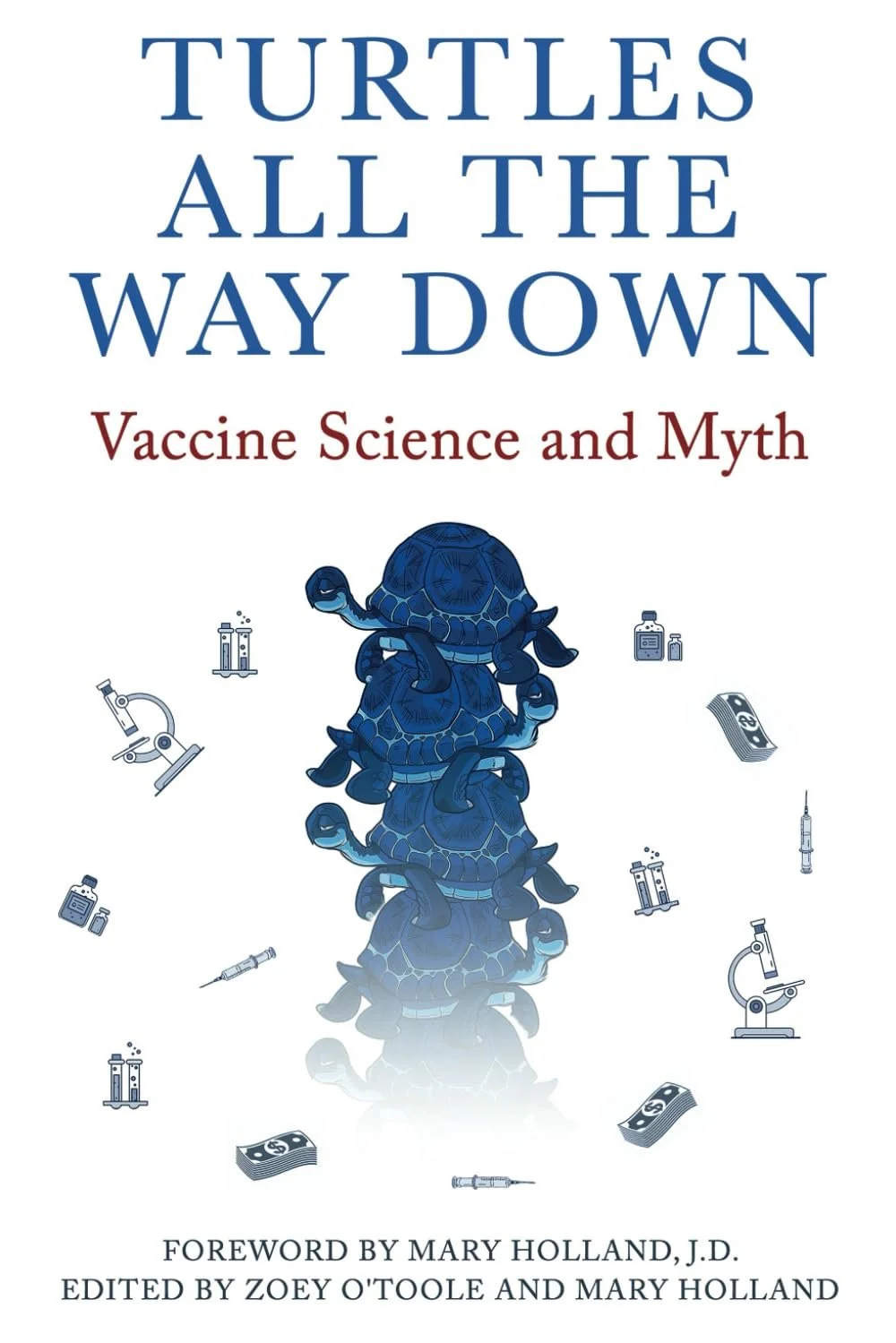
Turtles All the Way Down
By Anonymous
-
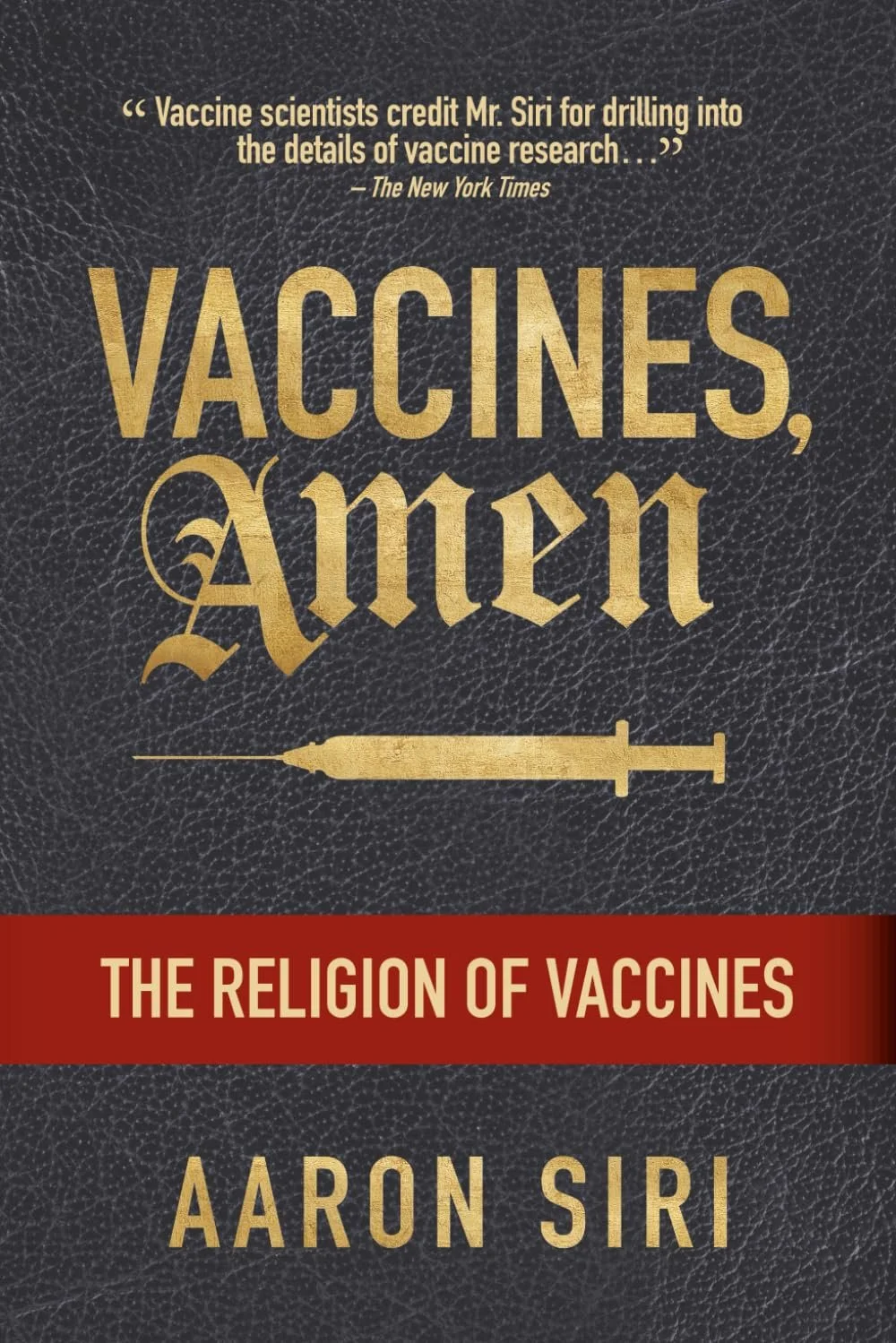
Vaccines Amen
By Lawyer Aaron Siri
-
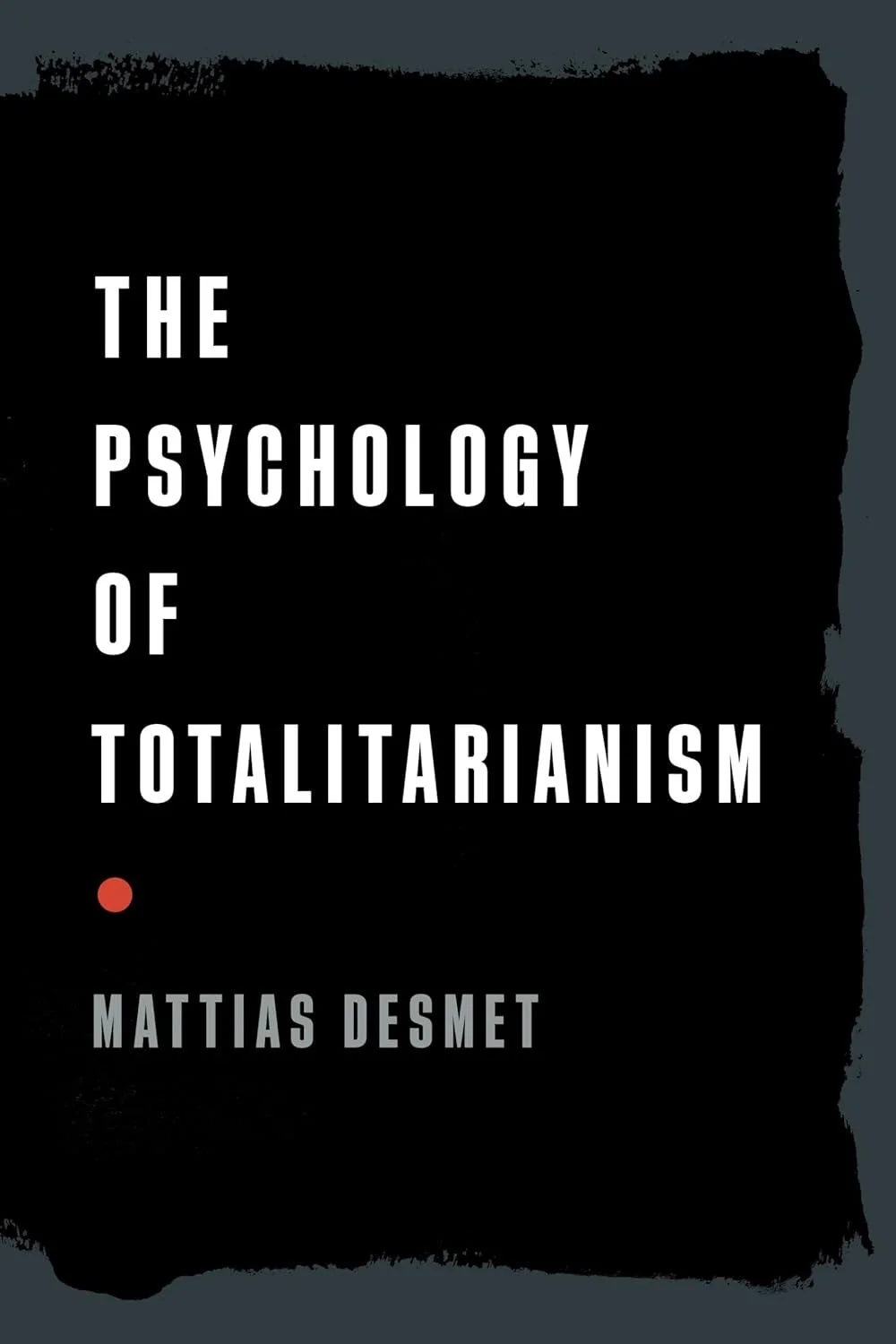
The Psychology of Totalitarianism
By Mattias Desmet
-

The Pfizer Papers: Pfizer's Crimes Against Humanity
By Naomi Wolf
-
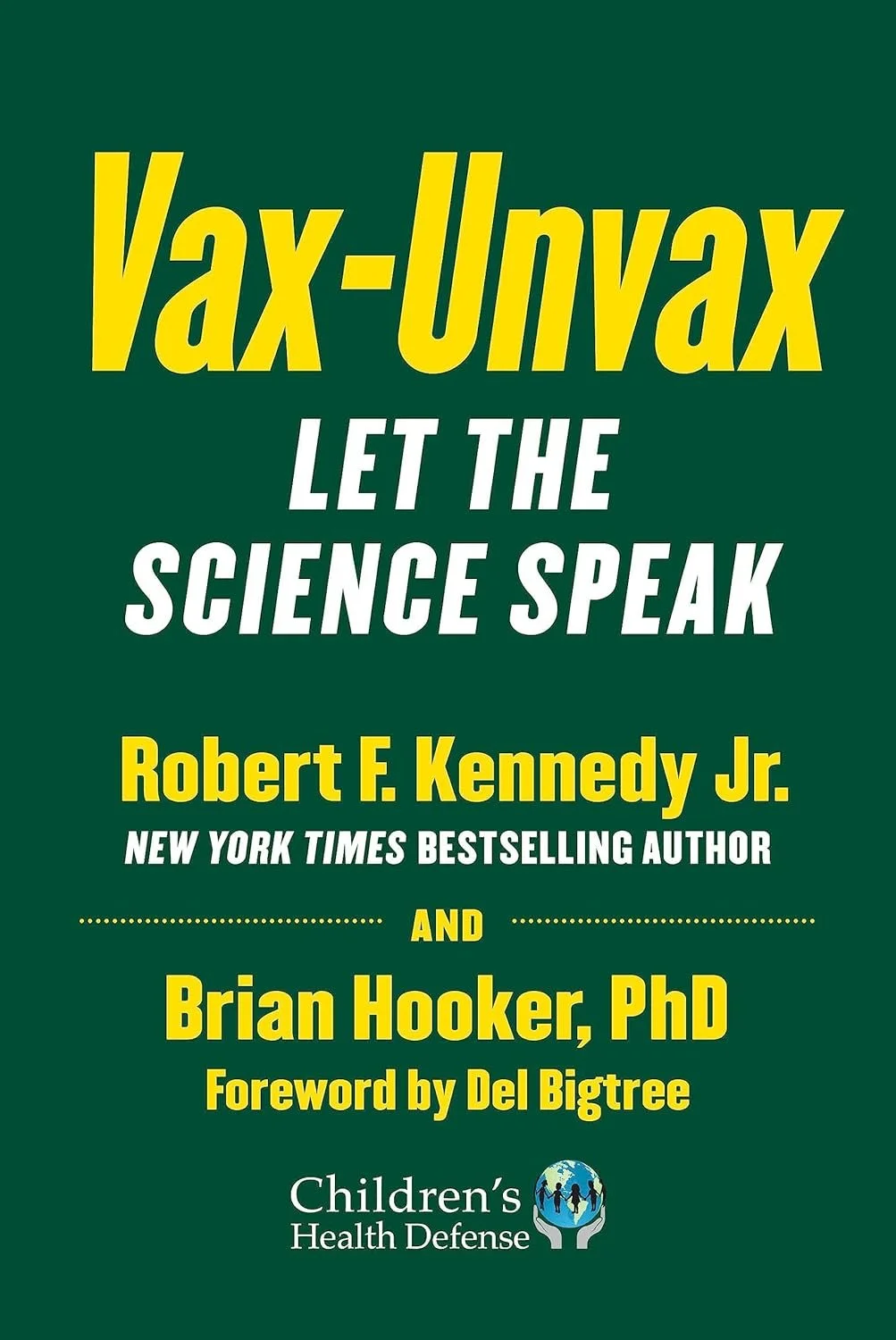
Vax-Unvax: Let the Science Speak
By Brian Hooker PhD & Robert F. Kennedy Jr.
-
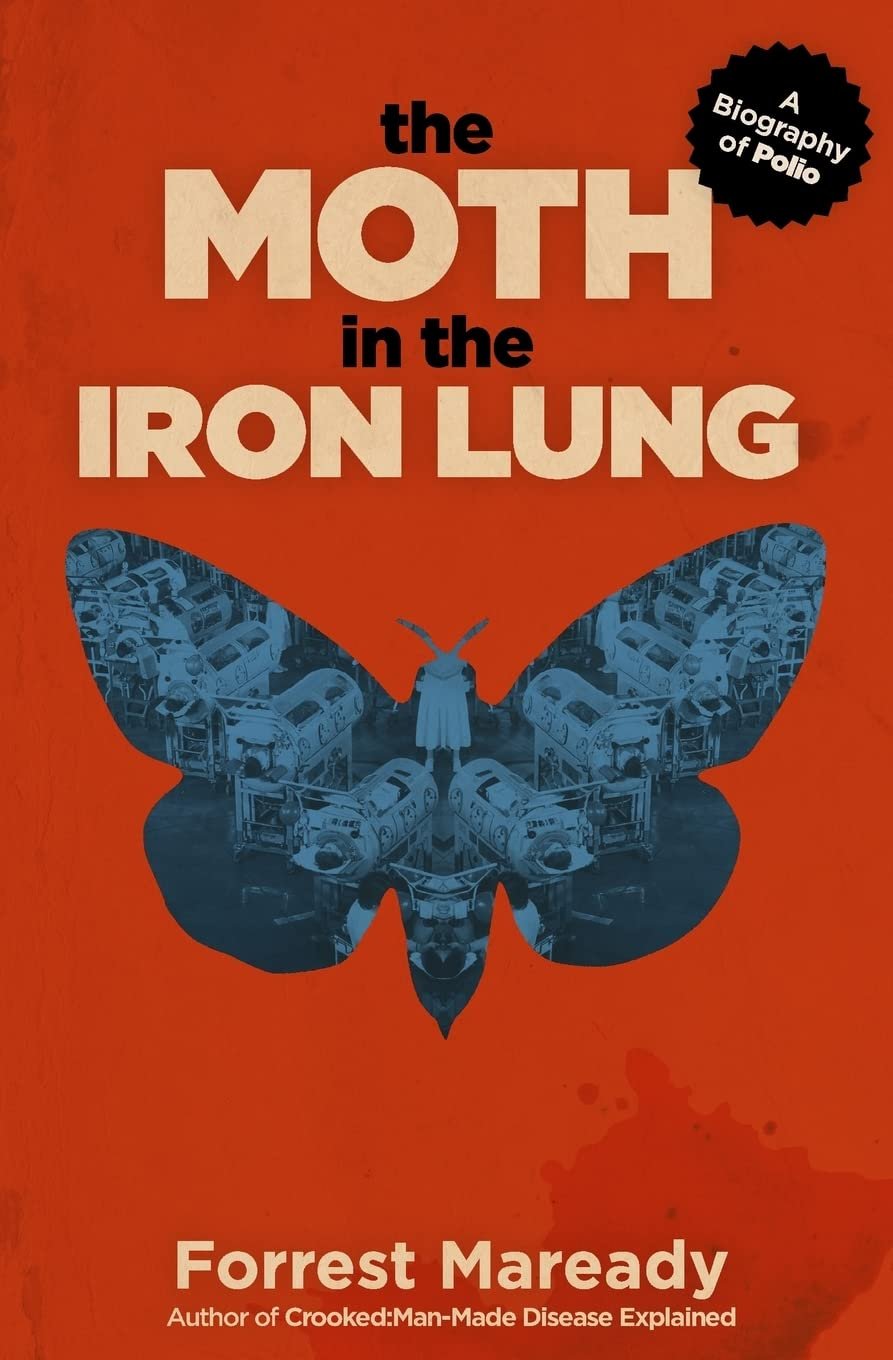
The Moth in the Iron Lung: A Biography of Polio
By Forrest Maready
*Amazon links on this page are affiliate links. IvyHerbal.com may earn a small commission if you choose to purchase a book using one of these links. We highly encourage purchasing these books locally and/or used as there is evidence of later editions of controversial books (not necessarily the ones listed here) being edited or censored.
Frequently Asked Questions
Answers to the questions I see most often about vaccines, patient rights, informed consent, and how to navigate the medical and legal system as an empowered parent or patient.
Yes, informed consent is a legal and ethical requirement that applies to every medical procedure, including vaccines. It is not just a signature on a form. It is an ongoing communication process in which your provider must fully explain the nature of the procedure, its potential benefits and risks, and all available alternatives before you agree.
Informed consent also means you have the right to refuse or withdraw consent at any time. This is codified in the AMA Code of Medical Ethics and upheld by federal and state law. It is not optional. Even when a provider strongly recommends a vaccine, they are legally required to obtain your voluntary, informed agreement first.
Yes. You have the right to read the FDA-approved package insert (also called the "prescribing information" or "product label") for any vaccine before it is administered. This document lists ingredients, contraindications, reported adverse events from clinical trials, and more. Clinics are required by federal law to provide Vaccine Information Statements (VIS sheets), but these are not the same as the full package insert. VIS sheets are condensed summaries prepared by the CDC.
If you want the full insert, you can request it from the provider or look it up yourself at fda.gov or the excellent resource JustTheInserts.com.
In most circumstances, yes. Adults may refuse any medical procedure for themselves. Parents generally retain the legal right to make medical decisions for their minor children, including the right to decline vaccines, within the limits of state law. No state currently mandates vaccines for newborns in hospitals, and no state requires vaccines with zero exemptions for all children in all settings.
However, states can and do condition certain privileges on vaccination, such as attendance at public school, unless you qualify for an exemption. Most states offer medical exemptions; many still offer religious exemptions; and some offer philosophical (personal belief) exemptions. Exemption availability varies significantly by state. Always consult a family law attorney familiar with your state's laws for specific guidance.
Physicians in private practice generally have the right to decline patients who don't follow their vaccine policies, as long as they don't violate anti-discrimination laws and provide appropriate notice. If this happens to you, my suggestion is:
- Look for a provider who respects your decisions. Many integrative, naturopathic, or family physicians do.
- Document any coercive interactions in writing, including dates and what was said.
- Do not feel obligated to sign any form that characterizes your decision as "medical neglect" or "informed refusal against medical advice" using language you haven't read and agreed with carefully.
- If you believe your rights have been violated, contact a health freedom or medical rights attorney.
There are three main types of vaccine exemptions recognized across the United States:
- Medical exemption: Available in all 50 states. A licensed physician signs off that a specific vaccine poses a contraindicated risk for your child based on a health condition.
- Religious exemption: Available in 45 states. You submit a written statement that vaccination conflicts with your sincerely held religious beliefs. No specific religion is required. It must simply be sincere. (Note: California, Connecticut, Maine, New York, and West Virginia currently do not allow religious exemptions for school attendance.)
- Philosophical / Personal Belief exemption: Available in 15 states. Allows parents to opt out based on personal or conscientious objection.
Exemption forms and processes vary by state. Research your specific state's department of health website, or consult a health freedom attorney. Organizations like ICAN (Informed Consent Action Network) also maintain updated state-by-state guidance.
If your state offers an exemption that applies to your situation, begin the exemption paperwork process and resubmit it to the school. Schools are generally required to accept valid exemptions. If the school is denying an exemption they are legally required to honor, that may be grounds for legal action.
If your state offers no exemption that fits your case, additional options include private schools with different policies, charter schools, umbrella school homeschool programs, and full homeschooling, which in most states requires no vaccination at all.
Based on current law and the published policies of the American Academy of Pediatrics (AAP), vaccine refusal alone is generally not considered sufficient grounds for CPS removal. The AAP has explicitly stated it does not support using medical neglect laws stringently when the only issue is a parent declining recommended immunizations. Several states, including Michigan, have formal policies stating that vaccine refusal alone does not constitute medical neglect.
That said, vaccine refusal has been listed as one of multiple factors in some CPS investigations, and in rare cases it has been used as a pretext for investigation when other tensions exist, such as a disputed diagnosis, a hospital conflict, or a contested custody situation. The risk is not zero, but the scenario of a child being removed solely and openly because of vaccination status is legally very problematic and not standard practice.
This is a high-pressure situation and it can feel terrifying. Here are practical steps based on what I've researched. Please also contact a health freedom attorney as soon as possible:
- Stay calm and don't sign anything under duress. You are not required to sign refusal forms that characterize your decision as neglect.
- Put your refusal in writing yourself, clearly stating that you are making an informed parental decision and that you have not received adequate information to give informed consent.
- Ask to speak with the hospital's patient advocate or patient rights officer. Every accredited hospital is required to have one.
- Contact the medical director of the facility and indicate that you intend to document this interaction and seek legal counsel.
- Call a health freedom attorney immediately. Organizations like ICAN (icandecide.org) or the HFDF (Health Freedom Defense Fund) can sometimes provide referrals.
- Do not leave your baby alone with hospital staff if you feel your parental authority is being threatened.
- Document everything: names of staff, times, what was said. Text or email notes to yourself to create a timestamp.
In most states, you are not legally required to allow a CPS caseworker into your home without a court order or warrant, just as you wouldn't let police in without one. However, refusing all cooperation can escalate the situation and may prompt CPS to seek judicial authority to enter. This is a nuanced legal area that varies significantly by state.
My suggestions: Stay composed and polite. Ask the caseworker for their identification and the specific nature of the allegation. You can say you'd like to consult with an attorney before allowing entry, and then schedule a follow-up. Do not make hostile statements. Contact a family law or health freedom attorney before that follow-up meeting.
"Medical kidnapping" is a term used to describe situations where children are removed from their parents by the state based primarily on a disagreement with medical providers, rather than evidence of abuse or neglect. It is documented and real, though it is contested and complex. In my opinion, it is underreported.
In the context of vaccines, advocates and researchers have documented cases where parents who declined vaccines, or questioned a diagnosis, found themselves under sudden and aggressive CPS scrutiny, sometimes resulting in removal, with other allegations added later to justify the action. Because vaccine refusal alone typically cannot legally justify removal, these cases often involve additional, disputed allegations.
Organizations that document and support families in these situations include Health Impact News, the ICAN Action Network, and the Home School Legal Defense Association (HSLDA).
VAERS (Vaccine Adverse Event Reporting System) is the official U.S. government database for reporting adverse events that occur after vaccination. It is co-managed by the CDC and FDA and has been in operation since 1990. Anyone can file a report, including providers, patients, manufacturers, or concerned individuals.
VAERS is a passive surveillance system, which means it captures reports submitted voluntarily. It is not a comprehensive study on its own. However, it is the primary tool available to the public for tracking post-vaccine adverse event patterns, and it is used by the FDA to generate safety signals that can trigger further investigation. In my view, it is an important and underutilized resource that deserves more public attention, not less.
First and foremost, seek appropriate medical care for your child's symptoms. If the reaction is severe, call 911 or go to an emergency room immediately. Once your child is stable:
- Document everything: symptom onset time, nature of symptoms, photos if relevant, and a written account of the events.
- File a VAERS report. You don't need a provider to do this. You can file yourself at vaers.hhs.gov. Providers are required by law to report, but underreporting is widespread.
- Look into the National Vaccine Injury Compensation Program (VICP), which provides compensation for certain vaccine-related injuries. There are strict time limits to file, generally 3 years from the onset of symptoms, so act promptly.
- Consult a vaccine injury attorney. Many work on contingency (no cost unless you win). The VICP is funded by an excise tax on vaccines, not by pharmaceutical manufacturers.
In the United States, vaccine manufacturers have broad immunity from direct lawsuits for injury or death caused by recommended childhood vaccines, as established by the National Childhood Vaccine Injury Act of 1986. You cannot sue Pfizer, Merck, or any other manufacturer in civil court for a vaccine injury under most circumstances.
Instead, claims must be filed through the National Vaccine Injury Compensation Program (VICP), a federal "no-fault" system. If the VICP denies your claim, you may then have limited ability to pursue a civil case under specific circumstances. For COVID-19 vaccines specifically, the PREP Act provides additional liability protections and injuries must be filed through the Countermeasures Injury Compensation Program (CICP), which has a much lower compensation rate than the VICP.
Finding a supportive provider takes a little research but it is very doable. Some suggestions:
- Look for integrative medicine physicians, naturopathic doctors (NDs), osteopathic doctors (DOs), or family practice physicians with a holistic or patient-centered philosophy.
- Ask in local community groups or on platforms like Nextdoor for personal recommendations. "Vaccine-friendly provider" is a common search term parents use.
- Directories like the Integrative Medicine for Mental Health provider directory or the Institute for Functional Medicine finder can surface providers with a more individualized approach.
- When interviewing a new provider, ask directly: "Do you see patients who follow a different vaccine schedule or decline certain vaccines?" Their answer, and their tone, will tell you a lot.
Yes. Informed consent includes the right to request an alternative schedule. Some parents choose to delay certain vaccines, space them further apart, or selectively vaccinate based on their assessment of individual risk. While the CDC schedule represents official recommendations, it is not the only medically defensible approach, and it has never been subjected to a comprehensive randomized clinical trial comparing vaccinated vs. unvaccinated outcomes (a gap that continues to be debated).
That said, some providers may not be comfortable offering alternative schedules. Finding a provider who will work with your preferences rather than dismiss them is key.
A patient advocate is someone who accompanies you to medical appointments to help you ask questions, take notes, understand information, and make sure your wishes are respected. You can bring a trusted friend, partner, family member, or hire a professional patient advocate. This is completely within your rights.
Hospitals are also required to have their own patient advocates (patient rights officers) on staff. If you feel your informed consent rights are being violated in a hospital setting, you can ask to speak with the hospital's patient advocate or the charge nurse immediately.
Physicians are mandatory reporters, which means they are legally required to report suspected child abuse or neglect. The question is whether vaccine refusal alone constitutes neglect. Based on current legal standards and AAP policy guidance, the answer in most situations is no.
Using a CPS report threat as a coercive tactic to force compliance with a medical procedure is ethically questionable and potentially violates the very informed consent principles that govern medical practice. In my opinion, a threat of this kind is a red flag about your provider and your relationship with them.
If a provider makes this threat: document it in writing, seek legal counsel, and consider finding a new provider who will respect your rights as a parent.
No. The Hepatitis B vaccine at birth is recommended by the CDC but is not legally mandated at birth in any U.S. state. Hospitals strongly encourage and sometimes push it aggressively, but you have the legal right to decline.
In practice, hospitals may express concern or escalate pressure, which is why preparation is important. Before your delivery, consider putting your vaccine preferences in writing as part of your birth plan and communicating them to your provider and the hospital in advance. Knowing your rights before you're in a hospital room holding a newborn can make an enormous difference.
RhoGAM is not technically classified as a vaccine. It is a blood-derived immunoglobulin product given to Rh-negative mothers to prevent Rh sensitization, which could affect future pregnancies. It is recommended, not mandatory.
Like any medical intervention, it has potential benefits and potential risks, and you deserve to understand both fully before deciding. I have written a detailed article on this topic, including questions about residual contaminants and what the FDA insert does and doesn't disclose, which you can find in the blog section above. The bottom line: this is your body and your decision, and your provider is obligated to give you the information you need to make it.
Several organizations maintain directories of attorneys who specialize in health freedom, parental rights, and vaccine injury cases:
- ICAN Legal Team (icandecide.org): Aaron Siri's legal team has been involved in landmark health freedom litigation and sometimes takes cases or provides referrals.
- Health Freedom Defense Fund (healthfreedomdefense.org): Focuses on legal challenges to mandates and medical coercion.
- HSLDA (Home School Legal Defense Association): Helpful if the vaccine issue intersects with school enrollment or homeschooling.
- VICP attorneys: Many firms specialize in the National Vaccine Injury Compensation Program; a quick search for "VICP attorney [your state]" will surface options.
You don't owe anyone a full medical debate. A few approaches I find helpful:
- "We've done a lot of research and made the decision that feels right for our family." Simple, boundaried, and non-defensive.
- "I'm happy to share some of the resources I've found if you're genuinely curious." It opens a door without forcing it.
- "I respect that you made different choices. I'd appreciate the same respect." Direct and fair.
You rarely win arguments about this topic in the heat of the moment. Your best tools are calm confidence in your research, clear boundaries, and a willingness to point people toward credible resources when they're genuinely interested, not just trying to change your mind.
How to Access VAERS
(Vaccine Adverse Events Reporting System)
During COVID, I taught myself how to access the Vaccine Adverse Events Reporting System AKA VAERS in order to read about the clinical trials for the various mRNA vaccines that were being tested. After people started doing this and raising alarm about the adverse reactions that were being reported in this database, the authorities started discrediting VAERS as a resource for this information. If it’s so bad, why not make a new system? If it’s so bad, why were they relying on it for decades prior to the pandemic?
My view is that they discredited anything and everything that they viewed as a cause of “vaccine hesitancy” regardless of validity. VAERS remains the best and only system we have for reporting vaccine injuries.
How to Access VAERS
Go to the official VAERS website.
Choose what you want to do:
Search individual reports (web search tool): click Search VAERS Data (or Search) to use the online query form.
Download the raw data (CSV files): click Download VAERS Data to get the files and documentation.
If you’re using the online search form, enter filters (as needed):
Vaccine type/product, symptom terms, age/sex, location, date range, etc.
Run the search and review results:
Open the report details you want, and use export options if you need them (where available).
If you’re using the download files, open/analyze them in Excel/Sheets/R/Python and use the provided data dictionary to interpret fields.
Helpful Websites
Just the Inserts
Just the Inserts takes the complexity and confusion out of the medical decision-making process. We provide thoroughly researched resources and training.
ICAN Action Network
Investigating the safety of medical procedures, pharmaceutical drugs, and vaccines while educating the public of their right to “informed consent.”
The Highwire with Del Bigtree
Months Ahead of Mainstream Media on Covid, The HighWire brings you verified truth, and gives you the sources. Thursdays at 11am PST.
An Inconvenient Study
Winner of the 2025 Malibu Film Festival
In 2016, journalist Del Bigtree issued a challenge to the head of infectious disease at one of the most prestigious medical institutions in the world: conduct the most thorough vaxxed vs. unvaxxed study that has ever been done. The expert took up the challenge and ran the study to prove Del wrong. That study never saw the light of day... until now.

A plain-language look at how the trials behind the childhood vaccine schedule were designed, why inert-placebo controls matter, what the aluminum data does and does not show, and why direct, gold-standard studies are still worth demanding.