
Self-Study Course
Supporting Recovery After Traumatic Brain Injury
Nutrition, herbs, supplements, and complementary therapies explained with the evidence behind each, written to sit alongside care from your medical team.
What the course covers
- How the brain responds to injury, how severity is assessed, and how to track your symptoms
- Foods, nutrients, and hydration studied in brain injury research
- Herb profiles with traditional use, evidence levels, and drug interaction cautions
- Supplements tested in TBI trials, including the ones that failed
- Hyperbaric oxygen, neurofeedback, acupuncture, craniosacral, and red light therapy
- Sleep, home environment, rehabilitation exercises, and mind-body practices
- Emotional changes after injury, herbs for mood, and finding the right therapist
- Long-term habits for maintaining progress and preventing reinjury
Every lesson labels its evidence as strong, moderate, limited, or traditional, so you can weigh each claim yourself and bring informed questions to your providers. Written for people living with a TBI, for caregivers, and for practitioners. Move through the lessons in any order, at whatever pace your recovery allows.
Educational content only. This course does not replace medical care, and nothing in it should prompt a change to prescribed treatment. Seek emergency care for a worsening headache, repeated vomiting, confusion, seizures, or weakness after a head injury.
Supporting Recovery After Traumatic Brain Injury
Welcome to the TBI Support Course
Recovery from a traumatic brain injury takes longer than most people expect, and the path looks different for everyone. This course gathers published research, traditional herbal practice, and practical daily habits into one organized reference, so you can bring informed questions to your care team instead of piecing everything together alone. It applies to recent injuries and to injuries from years ago.
Before you begin: talk with a qualified provider before adding any herb or supplement. Some interact with blood thinners, seizure medications, and antidepressants, and later lessons flag these interactions herb by herb. Do not stop or change prescribed treatment based on anything in this course.
-
Module 1: Understanding Traumatic Brain Injury
-
Introduction to Traumatic Brain Injury and Recovery
Covers the main types and causes of traumatic brain injury and the chain of changes the brain goes through in the days and months after impact. Introduces neuroplasticity and explains how the rest of the course fits alongside conventional medical care.
-
How TBI Severity Is Assessed and Tracked
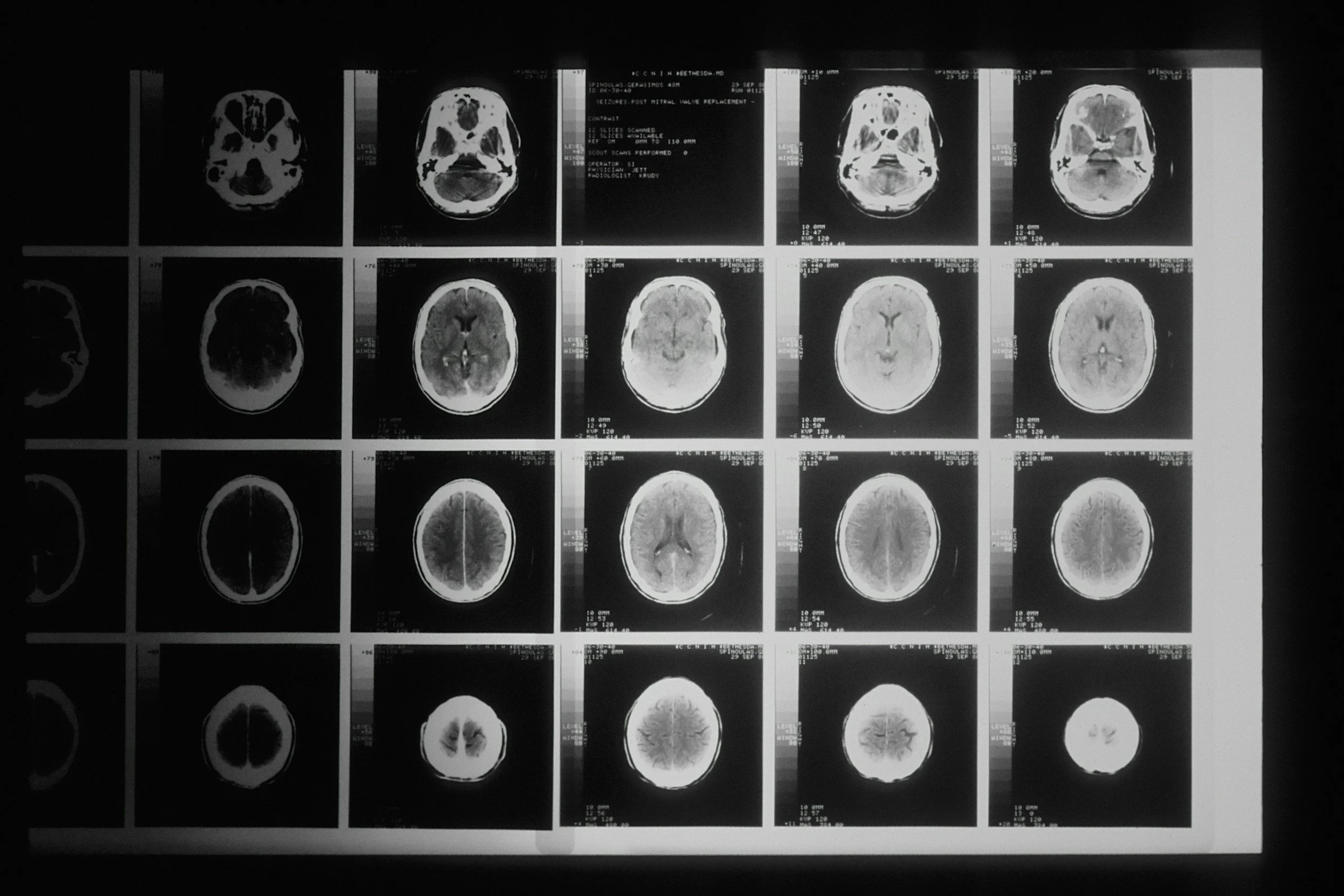
Explains how clinicians grade TBI severity and what imaging and cognitive tests measure. Reviews warning signs that need urgent attention, and shows how to keep a symptom log you can share with your provider.
-
Conventional and Complementary Approaches to TBI Care
Looks at what emergency medicine and rehabilitation do well and where people often feel unsupported once acute care ends. Explains how complementary methods are used alongside standard treatment, with questions to bring to your care team before adding anything new.
-
-
Module 2: Nutrition and Brain Recovery
-
Foods Studied for Brain Health After Injury
Reviews whole foods, dietary fats, and eating patterns that researchers have examined in the context of brain injury. Explains why food sources are emphasized over isolated supplements and where the evidence is still thin.
-
Macronutrients and Micronutrients in Brain Injury Research
Covers protein, omega-3 fats, B vitamins, magnesium, and zinc, with the evidence level for each in brain injury research. Describes common signs of low intake and how to ask your provider about testing.
-
Hydration, Electrolytes, and Water Quality
Explains why water and electrolyte balance matter during recovery and how dehydration can worsen headaches and fatigue. Reviews water quality concerns and common filtration options.
-
-
Module 3: Herbal Support for the Nervous System
-
Introduction to Herbalism and Herb Safety
Introduces how whole-plant preparations differ from isolated compounds and how herbalists think about actions, sourcing, and quality. Covers safety basics, including interactions with common medications and why a pharmacist review matters.
-
Herbs Studied for Nervous System Protection
Profiles herbs studied for nervous system support, including lion's mane, bacopa, gotu kola, and ginkgo. Each profile lists traditional use, the current evidence level, dosing ranges from named references, and known cautions.
-
Adaptogens and the Stress Response
Discusses adaptogens used for fatigue and stress, including ashwagandha and rhodiola, and what research shows about cortisol and mental fatigue. Includes cautions for thyroid conditions and medication interactions.
-
Herbs Studied for Inflammation and Oxidative Stress
Reviews herbs studied for inflammation and oxidative stress, including turmeric, rosemary, willow bark, albizia, and kava. Explains the difference between findings in cells or animals and results from clinical trials, and why salicylate-containing herbs carry a bleeding caution after a head injury.
-
-
Module 4: Supplements Discussed in TBI Research
-
Foundational Supplements: Omega-3s, Vitamin D, and Magnesium
Covers DHA and EPA, vitamin D, and magnesium, with the studies behind each and reasons to favor food sources first. Explains why testing before supplementing matters and what target ranges guidelines actually support.
-
Specialized Supplements in TBI Research
Reviews phosphatidylserine, N-acetylcysteine, acetyl-L-carnitine, and methylene blue: the studies behind each, which were done in people versus animals, and the interactions that matter after a brain injury. Explains why one of the four is a prescription drug and why supplement doses rarely match research doses.
-
Building a Supplement Plan with Your Provider
Walks through how to build a short supplement list with a provider or pharmacist: what to bring to the conversation, how to add one item at a time and log the results, and which upper limits and interactions matter most. Explains why common protocol advice, such as dosing magnesium to bowel tolerance, does not hold up, and how to read third-party seals when choosing products.
-
-
Module 5: Complementary Therapies
-
Hyperbaric Oxygen Therapy for Brain Injury: Evidence and Access
Explains how hyperbaric oxygen works, what trials have found for persistent post-concussion symptoms, and where results conflict. Covers session protocols, cost, access, and questions to ask a clinic before committing.
-
Craniosacral Therapy: What to Know Before You Try It
Describes this gentle hands-on practice, what practitioners claim, and what clients commonly report. Reviews the limited research and how to find a trained practitioner.
-
Neurofeedback, Acupuncture, and Red Light Therapy
Covers biofeedback and neurofeedback, acupuncture, and red and near-infrared light therapy: how each is supposed to work, what the human trials in brain injury have shown, and where the evidence is thin. Ends with a checklist for weighing a clinic's claims before paying for a course of sessions.
-
-
Module 6: Lifestyle and Environment
-
Sleep and a Supportive Home Environment
Covers sleep timing, light exposure, noise, air quality, and lowering stimulation at home. Explains why sleep is among the most studied factors in recovery after brain injury.
-
Physical and Cognitive Rehabilitation Exercises
Reviews graded exercise, balance training, vision exercises, and cognitive activities used in rehabilitation programs. Explains how to progress without triggering symptom flares.
-
Mind-Body Practices: Breathwork, Meditation, and Gentle Yoga
Introduces breathwork, meditation, and gentle yoga, with research on stress reduction and symptom management after TBI. Includes modifications for dizziness and light sensitivity.
-
-
Module 7: Emotional and Psychological Support
-
Emotional Changes After a Brain Injury
Explains why anxiety, depression, irritability, and post-traumatic stress are common after brain injury and how they can slow recovery. Covers when to seek professional mental health care.
-
Herbs Traditionally Used for Mood and Sleep
Profiles herbs with a history of use for mood and sleep, such as lemon balm, passionflower, and skullcap, with evidence levels for each. Interaction cautions for antidepressants and sedatives come first in every profile, along with the case for a provider or pharmacist review.
-
Therapy Options After TBI: CBT, EMDR, and Somatic Approaches
Reviews cognitive behavioral therapy, EMDR, somatic approaches, and support groups. Offers practical tips for finding a therapist experienced with brain injury.
-
-
Module 8: Long-Term Support
-
Maintaining Progress and Preventing Reinjury
Covers ongoing nutrition, movement, sleep, and mental engagement after the acute phase of recovery. Reviews practical habits for lowering the chance of another head injury.
-
Closing Reflections and Resources for Continued Learning
Summarizes how to keep tracking progress, when to revisit your care team, and where to continue learning. Ends with book, podcast, and support group resources.
-
Meet your instructor
✳
Meet your instructor ✳

Clinical Herbalist | Researcher | Fiber Artist
Ivy is a certified clinical herbalist who draws on Ayurveda, Traditional Chinese Medicine, and Western herbalism alongside current published research. She built this course after her own traumatic brain injury, when she found little guidance on complementary approaches that could sit beside standard care. This course collects what she learned so you can bring informed questions to your own providers.
Course FAQ
Who is this course for?
People living with a TBI, family members and caregivers, and practitioners who want a reference for complementary approaches. It applies to recent injuries and to injuries from years ago.
Does this course replace medical care?
No. It is educational and is meant to be used alongside care from your physician, neurologist, or rehabilitation team. Do not change prescribed treatment based on this material.
Can I take herbs and supplements with my medications?
Some herbs and supplements interact with blood thinners, seizure medications, antidepressants, and sedatives. Review anything new with a pharmacist or prescriber before starting.
How long does the course take?
There are 24 lessons across 8 modules. Most people finish in 4 weeks at one lesson per day, and you can go slower if symptoms flare.
What is the refund policy?
All sales on courses & other digital products are final. If you have an issue accessing your purchased content, please reach out to me for assistance. Full terms are on the Shipping and Returns page.