
Gut Repair Protocol
This article is for educational purposes only. It is not medical advice, diagnosis, or treatment. Talk with your healthcare provider before starting any supplement, herb, or dietary change, especially if you have a diagnosed digestive condition or take prescription medication.
Key Takeaways
- Leaky gut is the common name for increased intestinal permeability, a measurable state in which the seals between intestinal cells loosen and allow bacterial fragments and undigested proteins into circulation.
- Conventional medicine does not issue leaky gut as a diagnosis, though it does recognize and measure intestinal permeability, which has been documented in celiac disease, Crohn's disease, diarrhea-predominant IBS, and metabolic disease.
- This protocol works in four parts: remove what damages the barrier, rebuild with easy-to-digest whole foods, add targeted supplements, and repair the nervous system.
- L-glutamine, licorice root, probiotics, prebiotics, lactoferrin, and gelatin-rich foods carry the strongest supporting research for barrier repair.
- Expect eight to twelve weeks before symptoms shift meaningfully, and longer for cases that have been building for years.
What Leaky Gut Actually Is
The lining of your small intestine is a single layer of cells, and that one-cell wall separates everything you swallow from your bloodstream while doing two contradictory jobs at once: absorbing nutrients and blocking everything else.
The cells in that layer are stitched together by protein complexes called tight junctions, built from occludin, claudins, and zonula occludens-1. These junctions are not static seals, and they open and close on demand, letting water, ions, and small molecules pass between cells while keeping bacteria, bacterial fragments, and partially digested food proteins on the inside of the intestine where they belong.
Increased intestinal permeability happens when those junctions stay open longer and wider than they should, allowing larger molecules to cross into the tissue underneath and into the bloodstream. Your immune system then encounters proteins and bacterial debris it was never supposed to see, and it responds the way it responds to any invader, with inflammation.
The Zonulin Mechanism
Zonulin is the only human protein identified so far that reversibly opens tight junctions, and its discovery by Alessio Fasano's research group is the reason this entire field exists. When zonulin is released, it triggers a signaling cascade that rearranges the actin filaments inside intestinal cells and pulls the junctions apart, which is normal and useful in short bursts since the body sometimes needs to sample what is in the gut. Chronic zonulin overproduction is where the trouble starts, because the junctions stop closing between signals.
Two things reliably drive zonulin release: bacterial overgrowth in the small intestine, and gliadin, the protein fraction of gluten. Research on human intestinal tissue found that gliadin increased permeability in samples from both celiac and non-celiac subjects, which is the mechanistic basis for removing gluten during a repair phase even without a celiac diagnosis.
Why the Immune System Gets Involved
The most consequential thing that slips through an open barrier is lipopolysaccharide, or LPS, a component of the outer membrane of certain gut bacteria. Once LPS reaches circulation it binds immune receptors and drives low-grade systemic inflammation, a state researchers call metabolic endotoxemia, and this is the pathway that connects gut barrier function to symptoms appearing nowhere near the gut, including brain fog, joint pain, skin conditions, mood changes, and fatigue.
Is Leaky Gut a Real Diagnosis?
Not as a standalone diagnosis, and if you walk into a gastroenterology clinic and ask to be tested for leaky gut, most providers will tell you the condition does not exist.
What they mean is narrower than it sounds, because intestinal permeability is a well-established, measurable variable in research, assessed through urinary lactulose-to-mannitol ratios and through serum or fecal zonulin. Elevated permeability has been documented in celiac disease, Crohn's disease, ulcerative colitis, post-infectious IBS, type 1 diabetes, liver cirrhosis, and metabolic dysfunction-associated steatotic liver disease. One notable study followed healthy first-degree relatives of Crohn's patients and found that increased permeability was present before disease onset, which suggests the barrier problem is not only a downstream consequence.
The disagreement is not about whether the mechanism is real, but about whether a leaky barrier is a cause, a consequence, or a condition worth treating on its own. I work with clients on this regularly, and in practice the distinction matters less than the outcome, because when you repair the barrier and reduce the load on it, people feel better.
What Damages the Gut Barrier
- Chronic stress. Sustained cortisol and corticotropin-releasing hormone activate intestinal mast cells and directly increase permeability, which is why gut symptoms so often track with life circumstances.
- Gluten. Gliadin triggers zonulin release in susceptible people whether or not they have celiac disease.
- Alcohol and NSAIDs. Both damage the epithelial layer directly, and regular NSAID use is one of the most reliable ways to produce measurable permeability in an otherwise healthy person.
- Antibiotics and dysbiosis. Losing butyrate-producing bacteria removes the primary fuel source for the cells lining your colon.
- Enteric infection. Food poisoning and traveler's diarrhea can leave lasting changes, and post-infectious IBS shows the highest rates of measured hyperpermeability of any IBS subtype.
- Food additives. The emulsifiers carboxymethylcellulose and polysorbate 80 thin the protective mucus layer and shift bacterial populations toward inflammatory profiles, and a controlled human feeding study of carboxymethylcellulose found reduced microbial diversity along with, in some participants, bacteria encroaching into the normally sterile inner mucus layer.
- Excess refined sugar. High sugar intake feeds opportunistic organisms and has been shown in animal models to reduce tight junction protein expression.
My Story
I moved to Oregon in 2015 and started seeing blood in my stools shortly after, at a point when I was in an abusive relationship and working at a retention call center where the culture was hostile and the calls were worse, all of it a year after a traumatic brain injury I never received proper care for.
The symptoms arrived together: mood swings, anxiety, brain fog, bloating, stomach pain, sinus congestion, acne, constant diarrhea, and bright red blood. Serious gut disease runs in my family, so I went to Oregon Health & Science University, which is considered one of the better hospitals in the state, and over two years they ran stool panels, a candida test, a colonoscopy, allergy panels, and blood work, with most results coming back within normal range.
Each appointment gave me five to ten minutes of attention before I was handed brochures for hormonal birth control and other things unrelated to why I was there. After two years of expensive appointments and being told my experience did not match my labs, they landed on a diagnosis and told me there was no real treatment.
Months later I saw an acupuncturist and traditional Chinese herbalist across town, and it was the first improvement I had felt as well as the first time anyone had asked about my emotional state, my diet, and how I lived. That visit changed how I thought about my own health, and I stopped outsourcing it, starting with supplement research and then enrolling in an herbalism program at the local community college. This protocol comes out of that training, out of years of reading primary research on the gut microbiome, out of my coursework with elder herbalist Karta Purkh Singh Khalsa, A.D., D.N.-C, R.H., and out of testing all of it on myself first.
Step One: Remove What Keeps the Junctions Open
The order matters here, because adding repair nutrients while you continue eating the things damaging the barrier will slow your progress considerably. For the rebuilding phase, which for most people runs eight to twelve weeks, pull the following:
- Gluten. This is the single highest-yield removal, and I no longer eat conventional wheat at all, consuming only grains that have been fermented or sprouted.
- Industrial seed oils. Canola, soybean, corn, cottonseed, safflower, sunflower, and grapeseed, replaced with butter, ghee, tallow, coconut oil, or olive oil.
- Processed foods containing emulsifiers, gums, and artificial sweeteners. Read labels for carboxymethylcellulose, polysorbate 80, carrageenan, guar gum, xanthan gum, and sucralose.
- Excess sugar, particularly refined sugar. Whole fruit in moderate amounts is a different situation than soda and packaged sweets.
- Alcohol. Every drink is a direct hit to a barrier you are trying to rebuild.
The next three removals belong in a different category, because they are about digestive workload rather than the barrier itself. A compromised gut has reduced enzyme output, slower or erratic motility, and a thinner absorptive surface, so foods that are mechanically or chemically difficult to break down pass through largely intact, feeding fermentation and adding irritation instead of delivering nutrition. Making things easy to digest while you rebuild is the entire point.
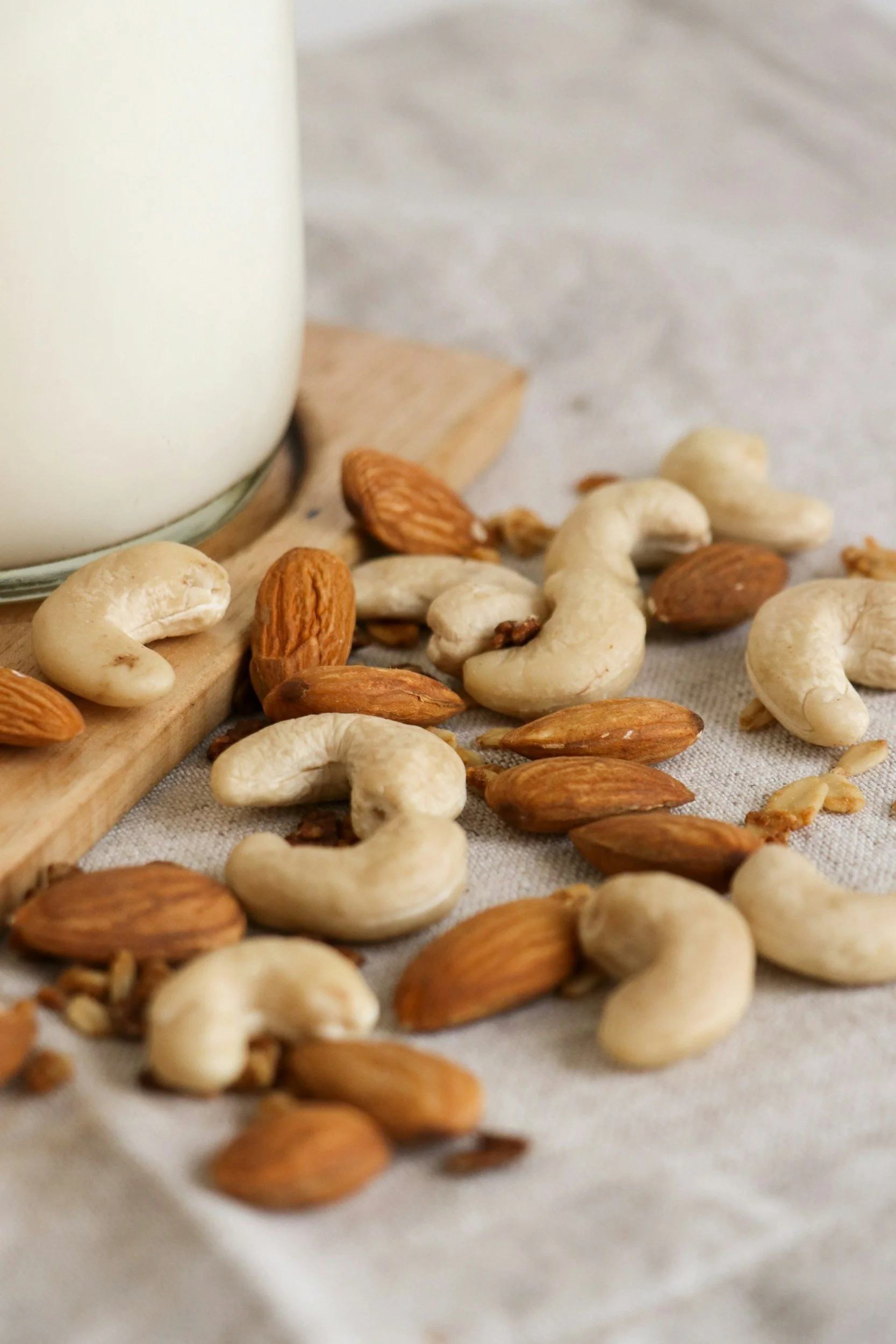
- Nuts and seeds, temporarily. Whole raw nuts are among the most demanding foods to break down, and when digestive capacity is low you absorb very little from them, so reintroduce them soaked, then roasted, then raw as digestion improves.
- Unripe fruit. Green bananas and underripe stone fruit are higher in resistant starch and tannins, which resist digestion in the small intestine and ferment heavily further down.
- Large fiber loads, temporarily. Raw salads, bran, and big servings of cruciferous vegetables ask a lot of a digestive tract that is already struggling, and during a flare they tend to produce more pain and urgency than nourishment.
Important on fiber: this restriction is about digestibility during the rebuilding phase and is not a permanent position on fiber, because fiber is what your bacteria ferment into butyrate, and butyrate raises tight junction protein expression while feeding your colon cells directly. Staying low-fiber long-term works against the goal, so bring it back gradually as digestion improves, starting with cooked and peeled vegetables.
Step Two: Rebuild With Easy-to-Digest Whole Foods
Cooked beats raw during this phase, so lean on soups, stews, braises, slow-cooked meats, and vegetables cooked until soft, all of which ask far less of a compromised digestive tract. Peel and deseed where practical.
Bone Broth and Gelatin-Rich Foods
Bone broth supplies glycine, proline, hydroxyproline, and glutamine, which are the amino acids your body draws on to rebuild connective tissue and epithelial lining. Glycine has documented anti-inflammatory activity in the intestinal tract and protects epithelial cells under oxidative stress, and collagen peptides have been shown in cell models to improve tight junction function under inflammatory conditions.
Add two tablespoons of apple cider vinegar to the pot at the start, because the acid pulls significantly more collagen and minerals out of the bones than water alone. Twelve to twenty-four hours of simmering is the target, and a broth worth drinking gels when refrigerated, so if yours stays liquid it needed more time or more connective tissue in the pot.
You do not need specialty bones to make good broth. The carcass from a rotisserie chicken works well and costs nothing extra, and I save them in the freezer until I have two or three. When I want a broth that gels hard, I add chicken feet, which contain more gelatin and collagen than any other part of the bird, and while dropping a bag of feet into a stockpot feels a little weird the first few times, the difference in the finished broth is obvious.
One to two cups daily is a reasonable amount, and collagen peptides at ten to twenty grams per day cover the same amino acids in a more consistent dose, which is why I use both.
Raw Milk
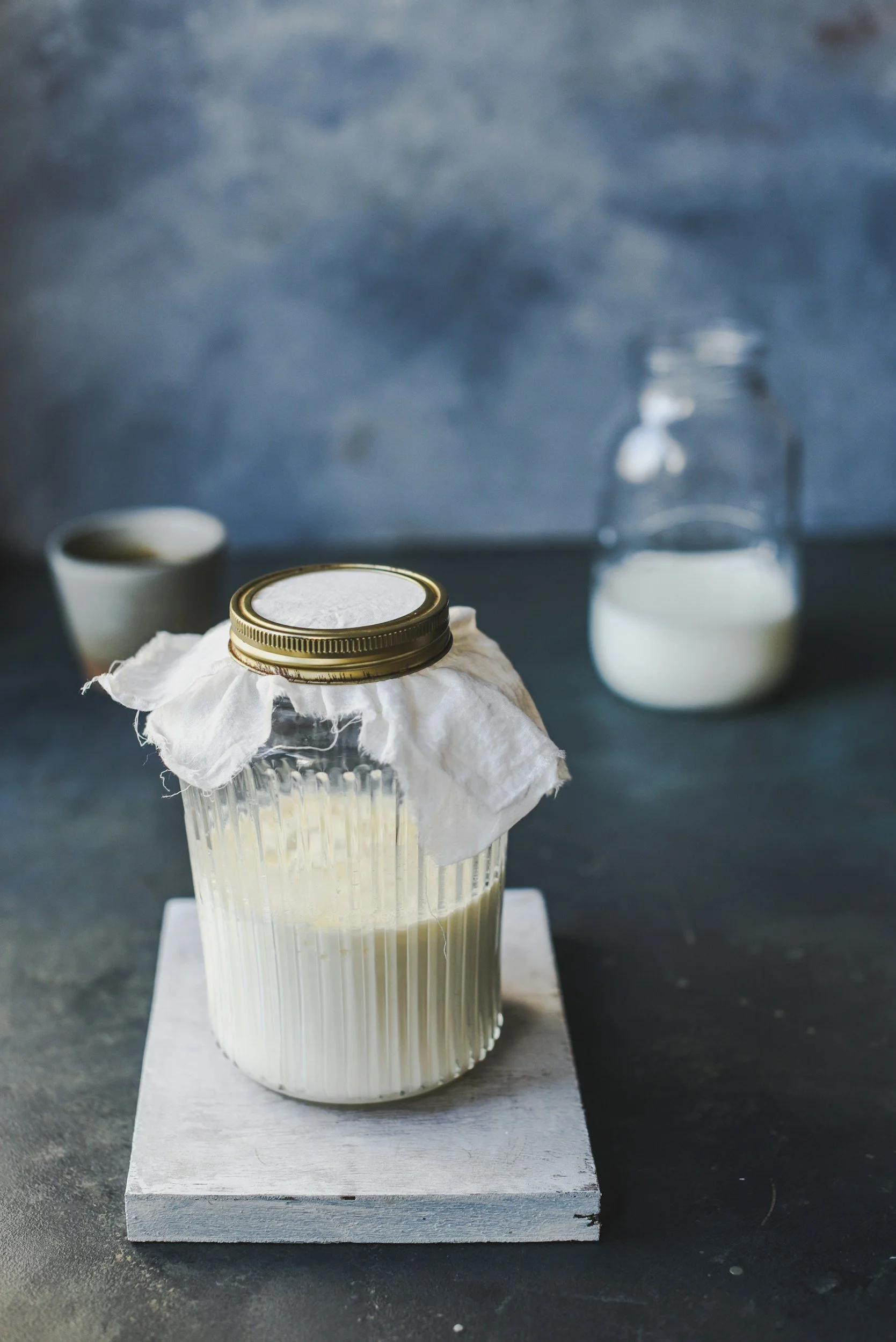
Raw milk earns its place in this protocol through lactoferrin, an iron-binding glycoprotein that makes up a meaningful share of the whey fraction. Lactoferrin has been shown to strengthen intestinal barrier function by upregulating tight junction proteins, to reduce inflammatory signaling in the gut lining, and to suppress pathogenic bacteria by sequestering the iron they need to grow while leaving beneficial populations intact. It is heat-sensitive, and pasteurization denatures a substantial portion of it along with immunoglobulins, lysozyme, lactoperoxidase, and the native enzyme content, which is the argument for drinking milk in its unheated form.
Raw milk also carries live cultures, and many people who cannot tolerate pasteurized dairy find they handle it without trouble. Cultured raw dairy such as kefir, clabbered milk, or raw yogurt adds fermentation-derived organisms on top of the intact protein fraction and is often the easiest starting point for a gut that reacts to most things.
Sourcing is the part that matters. Milk from a small grass-fed herd with routine pathogen testing, clean handling practices, and a farmer you can speak with directly is a different product than industrial milk that skipped a step, and that distinction is worth more than any label. Start with a few ounces daily and build from there.
Fermented Vegetables
Raw sauerkraut, kimchi, and salt-brined pickles bring live organisms plus the organic acids and enzymes produced during fermentation. Start with a teaspoon of brine rather than a serving of the vegetable, because a damaged gut will often react to a full portion, then build up over two or three weeks. Buy from the refrigerated section, since shelf-stable jars have been pasteurized and the organisms are gone.
Digestive Enzymes
When the barrier is inflamed, enzyme output tends to drop, and large protein fragments that should have been broken down in the small intestine become exactly the antigens an open barrier lets through. A broad-spectrum enzyme blend containing protease, lipase, amylase, and lactase taken at the start of a meal reduces that load and often takes the edge off bloating within a few days.
Ox bile or bitters are worth adding if fatty meals sit heavily or your stools float. Betaine HCl is sometimes used for low stomach acid, though it should not be self-administered if you have any history of ulcers, gastritis, or NSAID use.
Need something from the shop?
Check out these holistic, herbal and/or handmade goods!




Step Three: Targeted Supplements
L-Glutamine
Glutamine remains the centerpiece of this protocol, since it is the most abundant free amino acid in the body and the primary fuel for enterocytes, the cells that make up the intestinal lining and that replace themselves every three to five days. Beyond fuel, glutamine regulates the expression of tight junction proteins, and depletion during illness or physical stress causes those cells to atrophy and the barrier to loosen.
The most rigorous human trial to date was published in Gut in 2019, giving 5 grams of L-glutamine three times daily or placebo to patients with post-infectious diarrhea-predominant IBS and confirmed hyperpermeability for eight weeks. The glutamine group showed significant reductions in symptom severity scores, daily stool frequency, and measured intestinal permeability.
My own symptoms were severe, so I built to a higher dose than that trial used and then tapered back down, mixing unflavored powder into lukewarm water, which is close to tasteless with a slightly chalky texture and dissolves easily.
| Week | Daily dose |
|---|---|
| 1 | 5 g |
| 2 | 10 g |
| 3 | 15 g |
| 4 | 20 g |
| 5 to 7 | 25 g |
| 8 | 20 g |
| 9 | 15 g |
| 10 and maintenance | 10 g |
Split doses across the day rather than taking the full amount at once, and choose a product that contains nothing but L-glutamine, since flavorings, sweeteners, and fillers are frequently the very things irritating your gut. A conservative approach of 15 grams daily, matching the trial protocol, is entirely reasonable and is what I suggest to most clients now.
Cautions: avoid glutamine supplementation if you have liver cirrhosis, kidney disease, or a seizure disorder, and if you are in active cancer treatment, discuss it with your oncology team first. Mild bloating in the first few days at higher doses is common and usually resolves.
Probiotics
After several years of diarrhea my microbial populations were depleted, and rebuilding a functional colony was as important as sealing the barrier. Look for a multi-strain product delivering somewhere between 25 and 100 billion CFU, and rotate brands every two to three months, because any single formula contains a handful of strains while a healthy gut hosts hundreds.
Buy from the refrigerated case at a health food store rather than off the shelf. Shelf-stable formulas have never worked reliably for me or for the people I work with, and the likely reason is that live organisms degrade with time and warmth, so a bottle that spent months in a warehouse and on a shelf may deliver a fraction of what the label claims by the time you open it. The refrigerated products have consistently produced better results, and buying them from a store with good turnover matters as much as the brand on the bottle.
Saccharomyces boulardii is a beneficial yeast rather than a bacterium and is worth adding separately, particularly after antibiotics or during travel, and it is one of the few that holds up well at room temperature. Fermented foods and raw dairy contribute usefully but mostly transit rather than colonize, so I treat them as ongoing support rather than as a replacement for a dosed supplement during the rebuilding phase.
Prebiotics
Prebiotics are the substrate your beneficial organisms ferment, and without them a probiotic has nothing to eat. That fermentation is what produces butyrate and the other short-chain fatty acids that raise tight junction protein expression, thicken the mucus layer, and fuel your colon cells directly.
I stay away from gum-based prebiotics entirely, including guar gum, acacia gum, and xanthan gum, because gums are common gut irritants and several of them show up in exactly the processed foods this protocol asks you to remove. Herbs and whole-food sources do the same job without that trade-off.
- Chicory root (Cichorium intybus) is a natural inulin source, works well as a decoction, and doubles as a bitter that supports bile flow.
- Dandelion root (Taraxacum officinale) is also inulin-rich, and the roasted form makes a pleasant daily drink alongside or blended with chicory.
- Burdock root (Arctium lappa) carries inulin as well and can be eaten as a vegetable, sliced thin and simmered into broths and soups.
- Marshmallow root (Althaea officinalis) is primarily demulcent, coating and soothing irritated tissue, while its mucilage also feeds beneficial organisms. Prepare it as a cold infusion overnight to preserve the mucilage.
- Cooked and cooled vegetables such as potatoes, sweet potatoes, and white rice develop resistant starch as they cool, which reaches the colon intact and ferments into butyrate while staying easy on the upper digestive tract.
If you use a supplement rather than herbs, choose plain inulin or galacto-oligosaccharides with no gums, fillers, or sweeteners on the label. Start at a quarter of the labeled dose and increase over several weeks, since going in at full strength usually produces gas and cramping. If you have suspected small intestinal bacterial overgrowth, address that before loading prebiotics, because feeding bacteria in the wrong location makes things worse.
Licorice Root and DGL
Licorice root (Glycyrrhiza glabra) is one of my favorite herbs for an irritated digestive tract, being sweet, soothing, and demulcent, and a 2022 study of a flavonoid-rich standardized extract found that it protected intestinal epithelial barrier function and upregulated tight junction protein expression.
I used deglycyrrhizinated licorice, or DGL, during the initial phase and later switched to a whole-root decoction, which is less expensive and blends well with other herbs. Glycyrrhizin, the constituent removed from DGL, can raise blood pressure and lower potassium in a subset of people with extended use, so if you have hypertension, kidney disease, or take diuretics or corticosteroids, use DGL rather than whole root. I source dried licorice root from Mountain Rose Herbs and have had good results from Starwest Botanicals as well.
Ginger
Ginger (Zingiber officinale) earns a place here for a different reason than the others, since it speeds gastric emptying and stimulates upper digestive secretions, which reduces the fermentation and pressure that come from food sitting too long in the stomach. It is also a reliable antiemetic and has documented anti-inflammatory activity through inhibition of prostaglandin and leukotriene synthesis.
A cup of fresh ginger tea, made from a few thin slices of root steeped in hot water and taken fifteen minutes before meals, is the simplest way to use it, and capsules of 1 to 2 grams daily work as well. Ginger has mild antiplatelet activity, so speak with your provider before using therapeutic doses alongside anticoagulants.

Step Four: Nervous System Repair
This is the part most gut protocols skip, and in my experience it is where stalled cases get unstuck.
Your digestive tract is directly wired to your brain through the vagus nerve, and that connection carries far more traffic upward than downward. Sympathetic activation, the state most people call fight or flight, redirects blood away from the gut, suppresses enzyme and acid secretion, alters motility, and increases permeability through mast cell activation, which means a body that spends most of its waking hours in that state cannot rebuild an intestinal barrier no matter what supplements you feed it.
Conscious Abdominal Relaxation
Many people with gut symptoms hold their abdomen clenched without noticing, a pattern common among those with a trauma history or persistent insecurity about their appearance. Check in several times a day by placing a hand below your navel, noticing whether the muscles there are gripped, and letting them go. Restorative yoga, somatic work, and slow diaphragmatic breathing all train this same release.
Breathwork
Slow breathing is one of the few interventions here with direct trial evidence in gut patients, since a 2022 study found that a slow, deep breathing intervention improved symptoms and altered rectal sensitivity in patients with constipation-predominant IBS, and a randomized controlled trial in inflammatory bowel disease patients found that a breathing, movement, and meditation program improved both psychological and physical symptoms alongside inflammatory biomarkers.
Six breaths per minute is the working target, with a longer exhale than inhale, and five to ten minutes daily is enough to matter.
Working Through Past Trauma
From client work and from my own experience, the correlation between unresolved traumatic experience and stubborn gut symptoms is difficult to ignore. Somatic experiencing, EMDR, internal family systems, and body-oriented therapy all address the physiological residue of those experiences rather than only the narrative around them.
Two books worth your time here are The Body Keeps the Score by Bessel van der Kolk, which documents how trauma reshapes body and brain and compromises the capacity for pleasure, engagement, self-control, and trust, and The Mind-Gut Connection by Emeran Mayer, which covers the bidirectional communication between the digestive tract and the brain in accessible detail.
Psychedelic-Assisted Therapy
I have benefited from psychedelic-assisted therapy for my own mental health, for recovery from an old brain injury, and indirectly for my gut, because psychedelics increase neuroplasticity, which is the mechanistic argument for why a small number of sessions can shift patterns that years of talk therapy did not.
On the two measures that determine physical risk, dependence liability and overdose potential, classic psychedelics compare favorably to substances most people consider unremarkable. Psilocybin and LSD are not reinforcing the way nicotine, alcohol, and benzodiazepines are, they do not produce physical dependence or a withdrawal syndrome, and the gap between an active dose and a lethal one is enormous, with deaths from pharmacological toxicity effectively absent from the literature. Psilocybin is being studied as a treatment for addiction rather than a cause of it, and a 2023 systematic review in Frontiers in Psychiatry found therapeutic effect across substance use disorders. David Nutt's multi-criteria harm analysis, published in The Lancet in 2010, ranked psilocybin and LSD at the bottom of a twenty-substance list for combined harm to the user and to others, well below tobacco, cannabis, and benzodiazepines.
The risks that do exist are psychological and situational rather than toxicological, and personal or family history of psychosis, schizophrenia, or bipolar disorder is a firm exclusion. Serotonergic psychedelics interact with SSRIs, MAOIs, and lithium, and significant cardiovascular disease is worth discussing with a provider given the transient rise in blood pressure and heart rate. Set, setting, and the presence of someone experienced determine outcomes more than dose does.
The legal picture in 2026 is more open than it was when I first wrote this. Oregon has operated licensed psilocybin service centers since 2023 under Measure 109, Colorado's program under Proposition 122 is now operational, New Mexico passed a Medical Psilocybin Act in 2025, and New Jersey launched a hospital-based pilot in January 2026. Psilocybin remains a Schedule I substance under federal law regardless of state programs, so check the law where you live before considering this or even raising it with your doctor. Michael Pollan's How to Change Your Mind, available as a book and as a Netflix series, is a solid starting point.

Massage, Meditation, and Mindfulness
Regular bodywork, seated meditation, and mindfulness practice all shift baseline autonomic tone toward parasympathetic dominance, and the benefit comes from consistency rather than intensity. Abdominal massage specifically, moving clockwise along the path of the colon, can help with motility and with releasing habitual holding patterns.
Nervine Herbs
These four herbs support the nervous system and, by extension, the gut:
- Kava root (Piper methysticum) is the strongest of the group for acute anxiety, and a systematic review of randomized trials found kava responders were roughly 50 percent more likely to improve than those on placebo. Reported liver injury cases have clustered around products made from aerial parts, stem peelings, and non-noble cultivars, and around acetone extractions that traditional preparation never used, which points at sourcing and processing rather than the root itself, since Pacific Island populations drinking water-extracted noble root daily for generations do not show elevated rates of liver disease. Use noble cultivar root prepared as a water or ethanol extract, avoid combining it with alcohol or medications that stress the liver, and have liver enzymes checked if you use it continuously beyond eight weeks.
- Oatstraw (Avena sativa) is a gentle trophorestorative for a depleted nervous system, best taken as a long overnight infusion and used daily over months rather than acutely.
- Lemon balm (Melissa officinalis) is calming, mildly antispasmodic, and pleasant enough as a tea to make a habit of, though it has mild thyroid-suppressive activity and is not the right choice in hypothyroidism.
- Chamomile (Matricaria recutita) works on both ends of the gut-brain connection at once, as a nervine and as an anti-inflammatory antispasmodic acting directly on the digestive tract. Steep covered to retain the volatile oils.
Meal Hygiene
Meal hygiene is the practice of arriving at your food in the right physiological state and giving your digestive tract what it needs to do its job, and it costs nothing while changing outcomes measurably.
Your body cannot be in fight-or-flight mode and rest-and-digest mode at the same time, so eating while stressed, rushed, working, arguing, or scrolling the news means digestion begins with suppressed acid and enzyme output and reduced blood flow to the intestines, which is the opposite of what a healing gut needs.
Sit Down and Breathe First
Take three to five slow belly breaths before your first bite, which shifts autonomic tone measurably and takes under thirty seconds. Put the phone down, close the laptop, and keep the news off the table.
Chew Thoroughly
I have always been a fast eater, a habit formed at a kitchen table where meals were not a happy occasion and leaving early was the goal. Eating fast means food arrives in the stomach in pieces too large for the enzymes to work on efficiently, and while a strong digestive system can compensate for a while, over years it produces weakness. Twenty chews per mouthful is a workable target, and putting the fork down between bites helps if you lose count.
How Long Does This Take?
Eight to twelve weeks is the minimum window before you should judge whether the protocol is working, and the glutamine trial data supports that timeline. Longstanding cases with years of accumulated damage generally need six to twelve months of consistent work, and progress is rarely linear, so a bad week does not mean the approach has failed.
Signs it is working, roughly in the order they tend to appear: reduced bloating, more predictable bowel movements, improved energy after meals, clearer thinking, and finally improvement in skin and mood.
Frequently Asked Questions
How do you know if you have leaky gut?
There is no standard clinical test offered in most practices, though research settings use a urinary lactulose-to-mannitol ratio or serum zonulin measurement, and some functional medicine providers will order these. Practically, the common symptom picture includes bloating, irregular bowel movements, food sensitivities that seem to multiply, brain fog, fatigue after eating, skin problems, and joint aches without another explanation. Get bleeding, unexplained weight loss, or persistent severe pain evaluated by a physician, since those symptoms warrant ruling out other conditions first.
Can leaky gut heal on its own?
Sometimes, because the intestinal lining replaces itself every three to five days, so if the cause was a single short-lived event such as a course of antibiotics or a bout of food poisoning, the barrier often recovers without intervention. When the cause is ongoing, whether that is chronic stress, daily alcohol, an unaddressed infection, or a diet high in gut irritants, it will not resolve until the driver is removed.
What is the best supplement for leaky gut?
L-glutamine has the strongest human trial evidence for reducing measured intestinal permeability, at 15 grams daily divided into three doses, though no single supplement is sufficient on its own and results come from combining removal, rebuilding, and nervous system work.
Does bone broth heal leaky gut?
Bone broth supplies glycine, proline, and glutamine, the amino acids the body uses to rebuild the intestinal lining and connective tissue, and it is one of the most bioavailable whole-food sources of them. It works best as a daily nourishing base alongside the rest of the protocol rather than as a standalone treatment.
Is raw milk good for leaky gut?
Raw milk contains lactoferrin, immunoglobulins, and native enzymes that pasteurization degrades, and lactoferrin in particular has been shown to support tight junction integrity and suppress pathogenic bacteria in the gut. Sourcing determines everything here, so buy from a small, tested, transparent herd, and start with a few ounces daily to gauge tolerance.
Should I take probiotics and prebiotics together?
Yes in most cases, since probiotic organisms need substrate to ferment, with the exception of suspected small intestinal bacterial overgrowth, where prebiotics can worsen symptoms until the overgrowth is addressed.
Is gluten a problem if I am not celiac?
Research on human intestinal tissue found that gliadin increased permeability in samples from both celiac and non-celiac subjects, so removing gluten during a repair phase is a reasonable step regardless of celiac status, and you can test reintroduction later once the barrier has recovered.
Where to Start
If this list feels like a lot, begin with three things: remove gluten and industrial seed oils, add 15 grams of L-glutamine daily, and take five slow breaths before every meal. Those three changes address the most common driver in each category and cost very little to try.
Gut healing is complex, and this protocol is aimed specifically at increased permeability and post-traumatic gut dysbiosis rather than at every digestive condition. If you are working through it consistently and your progress has stalled, that usually means something in your case is specific, and a consultation can help identify it.
Sources
- Fasano A. Zonulin and its regulation of intestinal barrier function: the biological door to inflammation, autoimmunity, and cancer. Physiol Rev. 2011 Jan;91(1):151-75. PMID: 21248165.
- Zhou Q, Verne ML, Fields JZ, Lefante JJ, Basra S, Salameh H, Verne GN. Randomised placebo-controlled trial of dietary glutamine supplements for postinfectious irritable bowel syndrome. Gut. 2019 Jun;68(6):996-1002. PMID: 30108163.
- Perna S, Alalwan TA, Alaali Z, et al. The Role of Glutamine in the Complex Interaction between Gut Microbiota and Health: A Narrative Review. Int J Mol Sci. 2019 Oct 22;20(20):5232. PMID: 31652531.
- Drago S, El Asmar R, Di Pierro M, et al. Gliadin, zonulin and gut permeability: Effects on celiac and non-celiac intestinal mucosa and intestinal cell lines. Scand J Gastroenterol. 2006 Apr;41(4):408-19. PMID: 16635908.
- Murugan SK, Bethapudi B, Raghunandhakumar S, et al. A flavonoid rich standardized extract of Glycyrrhiza glabra protects intestinal epithelial barrier function and regulates the tight-junction proteins expression. BMC Complement Med Ther. 2022 Feb 7;22(1):38. PMID: 35130890.
- Hering NA, Luettig J, Krug SM, et al. Lactoferrin protects against intestinal inflammation and bacteria-induced barrier dysfunction in vitro. Ann N Y Acad Sci. 2017 Jun;1397(1):114-125. PMID: 28415153.
- Wang B, Timilsena YP, Blanch E, Adhikari B. Lactoferrin: Structure, function, denaturation and digestion. Crit Rev Food Sci Nutr. 2019;59(4):580-596. PMID: 28933602.
- Chassaing B, Compher C, Bonhomme B, et al. Randomized Controlled-Feeding Study of Dietary Emulsifier Carboxymethylcellulose Reveals Detrimental Impacts on the Gut Microbiota and Metabolome. Gastroenterology. 2022 Mar;162(3):743-756. PMID: 34774538.
- Chassaing B, Koren O, Goodrich JK, et al. Dietary emulsifiers impact the mouse gut microbiota promoting colitis and metabolic syndrome. Nature. 2015 Mar 5;519(7541):92-6. PMID: 25731162.
- Turpin W, Lee SH, Raygoza Garay JA, et al. Increased Intestinal Permeability Is Associated With Later Development of Crohn's Disease. Gastroenterology. 2020 Dec;159(6):2092-2100. PMID: 32791132.
- Fusco W, Lorenzo MB, Cintoni M, et al. Short-Chain Fatty-Acid-Producing Bacteria: Key Components of the Human Gut Microbiota. Nutrients. 2023 Apr 23;15(9):2211. PMID: 37432300.
- Liu J, Lv C, Wang W, et al. Slow, deep breathing intervention improved symptoms and altered rectal sensitivity in patients with constipation-predominant irritable bowel syndrome. Front Neurosci. 2022 Nov 4;16:1034547. PMID: 36408402.
- Gerbarg PL, Jacob VE, Stevens L, et al. The Effect of Breathing, Movement, and Meditation on Psychological and Physical Symptoms and Inflammatory Biomarkers in Inflammatory Bowel Disease: A Randomized Controlled Trial. Inflamm Bowel Dis. 2015 Dec;21(12):2886-96. PMID: 26426148.
- Smith K, Leiras C. The effectiveness and safety of Kava Kava for treating anxiety symptoms: A systematic review and analysis of randomized clinical trials. Complement Ther Clin Pract. 2018 Nov;33:107-117. PMID: 30396607.
- Teschke R, Sarris J, Schweitzer I. Kava hepatotoxicity in traditional and modern use: the presumed Pacific kava paradox hypothesis revisited. Br J Clin Pharmacol. 2012 Feb;73(2):170-4. PMID: 21801196.
- Nutt DJ, King LA, Phillips LD. Drug harms in the UK: a multicriteria decision analysis. Lancet. 2010 Nov 6;376(9752):1558-65. PMID: 21036393.
- van der Meer PB, Fuentes JJ, Kaptein AA, et al. Therapeutic effect of psilocybin in addiction: A systematic review. Front Psychiatry. 2023 Feb 9;14:1134454. PMID: 36846225.
- Abbasi F, Haghighat Lari MM, Khosravi GR, et al. A systematic review and meta-analysis of clinical trials on the effects of glutamine supplementation on gut permeability in adults. Amino Acids. 2024 Oct;56(1):60.
Statements on this site have not been evaluated by the FDA. This content is not intended to diagnose, treat, cure, or prevent any disease. Always consult a qualified healthcare provider before making changes to your health routine.
Related Articles you might like



A 37-page lye soap handbook built around one recipe: 90% beef tallow, 10% castor oil, 5% superfat. Exact grams measurements for each ingredient, the chemistry behind saponification, troubleshooting, adding color and scent naturally, and a printable batch log.