
Dan Shen
Salvia miltiorrhiza · Lamiaceae · dried root and rhizome (Salviae Miltiorrhizae Radix et Rhizoma)
Also known as red sage root, Chinese sage, salvia root, tan shen, zi dan shen
- Bitter
- Slightly cold
- Invigorates the blood
- Cools the blood
- Calms the spirit
- Vasodilator
Educational content, not medical advice. Nothing on this page is a substitute for care from a qualified healthcare provider. Do not stop or change a prescribed medication based on anything you read here. Dan shen affects blood clotting and can interact with blood thinners and with a common heart-drug lab test, so talk with your doctor or pharmacist before using it if you take any medication.
About Dan Shen
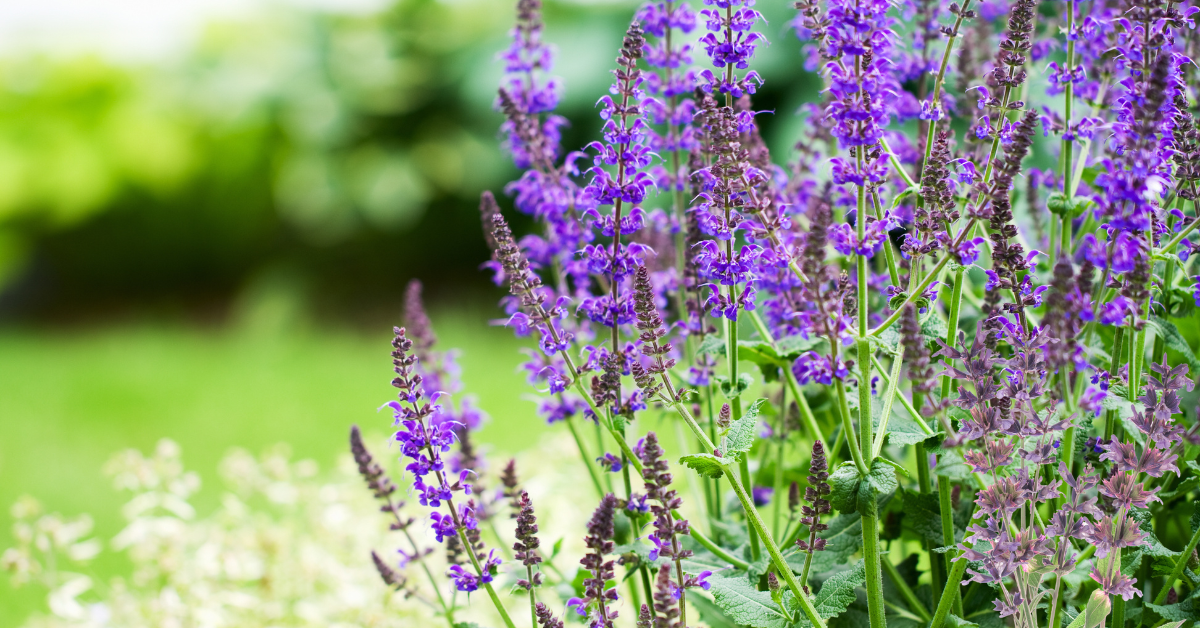
Dan shen is the dried root and rhizome of Salvia miltiorrhiza, a perennial in the mint family, Lamiaceae (Labiatae in older texts). The plant grows about 1 to 2 feet tall with purple-blue flowers on upright spikes and looks much like its garden relatives. The medicine is underground: a cluster of brittle, brick-red to purplish roots. The Chinese name means "cinnabar root," after the deep red mineral that was the most prized substance in early Chinese medicine, and the "shen" ending is shared by only about a dozen herbs, most of them considered ginseng substitutes.2 The species name comes from the Greek for "red lead" and "root."3
- Native range: China and Inner Mongolia, on sunny hillsides, roadsides, field edges, and stream banks in moist sandy soil. Reid gives the natural distribution as northeastern China, Manchuria, and Japan.3,16
- Where it grows now: cultivated across China since the 1970s, especially in Shaanxi, Sichuan, Hebei, Henan, and Shandong provinces. It grows from seed or root division and tolerates cold, so it can be raised in a home garden in a temperate climate.3
- Identifying the dried root: coarse, purplish-black outside with small white spots when cut, reddish-brown when powdered, with a strong aroma and an earthy, slightly bitter taste. Wild-harvested Sichuan root was traditionally rated best, though cultivated root is now often larger and considered superior.3
- Sustainability: wild dan shen is rated at risk from overharvesting and habitat loss. Buy cultivated root from a supplier who states the source.3
Not the sage in your kitchen
Dan shen and common sage, Salvia officinalis, share a genus and little else. Garden sage is used as a leaf for digestion, sweating, and sore throats. Dan shen is used as a root for the blood and the heart, and the two are not interchangeable in any tradition.2,15 The sage monograph covers the Western plant.
A minor herb that became a major one
Dan shen first appears in the Shennong Bencao Jing, the foundational Chinese materia medica from around 100 AD, but for most of its history it was used rarely and appears in very few classical formulas. Until the 20th century it was better known for bleeding disorders, especially menstrual bleeding, than for moving stagnant blood. Its rise to one of the most prescribed herbs in modern Chinese practice came in two steps: adoption into angina formulas from the 1930s onward, then Chinese research on microcirculation (blood flow through the smallest vessels) from the 1970s that made it the standard herb for liver fibrosis and cardiovascular use.2,3
Traditional Use
The traditions below describe how practitioners have used dan shen. These are historical and clinical records, not instructions. None of this is medical advice.
Energetics
In Chinese medicine dan shen is bitter and slightly cold. Penner, Bensky, and Tierra have it entering the heart, pericardium, and liver channels; Reid lists the heart and pericardium only.1,3,15,16 Penner lists its temperature as slightly cold, cool, or neutral depending on the source, and Peter Holmes's Western energetic system reads it as bitter, astringent, drying, and neutral.1,3 Two things set it apart from other blood-moving herbs. Most of that category is warming; dan shen is cool, which makes it the choice when stagnant blood sits on top of heat. And it calms the mind while it moves the blood, which most blood movers do not.3,15 Ayurveda has no classical entry for this plant.
Traditional Chinese Medicine
The Shennong Bencao Jing describes dan shen as bitter, slightly cold, and nontoxic, treating "evil qi in the heart and abdomen," gurgling of the intestines, and "gatherings and accumulations," and says it "breaks concretions, eliminates conglomerations, relieves vexatious fullness, and boosts the qi."2 The Rihuazi Bencao of 713 AD adds that it "nourishes the heart, reinforces the will power, unblocks the guan pulse, and cures goiter and pyrogenic infections," a historical statement quoted here for the record.2
Penner's American Dragon materia medica files dan shen under herbs that invigorate the blood and gives four actions with their traditional indications:1
- Invigorates the blood and dispels blood stasis. Blood stasis in the lower jiao (the lower abdomen and pelvis), which Penner calls very important in gynecology; blood stasis obstructing the chest; and rib and hypochondriac pain (pain under the ribs) from liver qi and blood stasis.
- Clears heat and soothes irritability. Ying-stage heat (heat that has penetrated deep into a feverish illness) with restlessness, irritability, palpitations, and insomnia; heart and kidney yin deficiency.
- Cools the blood and reduces abscesses. As an adjunct for sores and early-stage breast abscesses.
- Nourishes the blood and calms the spirit. Palpitations and insomnia from deep heat or from heart blood deficiency.
Penner calls it the primary herb for blood stasis with heat and notes it occurs commonly in formulas for skin complaints, heart conditions, and uterine masses. His classic pairings include dang gui for irregular menstruation and retained lochia (postpartum discharge) from stasis after trauma; frankincense (ru xiang) for swelling and pain; sandalwood and cardamom for chest, stomach, and abdominal pain from qi and blood stagnation; and jujube seed with biota seed for palpitations and insomnia from heart blood deficiency.1 He also draws the standard comparison with chuan xiong: both move blood, but dan shen cools and calms while chuan xiong moves qi within the blood and expels external wind.1
Daniel Reid's Chinese Herbal Medicine summarizes the effects as promoting circulation, dissolving clots, cooling and toning the blood, and sedating, with indications of absent or excessive menstruation, mastitis, postnatal abdominal pain, body pain from poor circulation, acute chest and abdominal pain, blood clots, palpitations, and insomnia. He remarks that the herb is used most often for blood disorders in women and is anti-inflammatory to the liver.16
Qin Bowei, one of the physicians who shaped modern TCM, wrote that dan shen "quickens the blood, moves the blood, and regulates transportation of blood fluid," and used it most for long-standing rib pain and early hard obstructions. The modern principle he cited, "eliminating stasis to engender the new," is the reason dan shen is often compared to Si Wu Tang, the classic four-herb blood formula: it is said to nourish the blood by clearing old, stagnant blood so new blood can form, with the one difference that dan shen is cool and Si Wu Tang is warm.2,3
Modern Chinese practice
Contemporary use centers on the heart, the liver, and the pelvis. Chinese hospitals use dan shen alone or with notoginseng (san qi) in patent formulas, most famously Fufang Danshen Pian and its dripping-pill form, as support in angina and coronary disease, and by injection in stroke wards.2,3 It became the main herb for liver damage from viral hepatitis after Chinese microcirculation research in the 1980s.2 Gynecological use continues for painful, irregular, or absent periods, postpartum pain, endometriosis, fibroids, and cysts where a practitioner reads the pattern as blood stasis.3 Yan Dexin's geriatric formulas add 15 g to the classic chest stasis decoction for poor circulation in the elderly and 9 g to cold and flu formulas.2
Western herbalism
Western herbalists adopted dan shen from the Chinese literature. Leslie Tierra, in Healing with the Herbs of Life, calls it one of the premier herbs for most heart conditions, a cooling blood mover that also breaks up congestion and clots and regulates cholesterol and triglycerides, and singles it out for people with excess heat (such as inflammation) or deficient yin, since most blood movers are warming. She lists angina, coronary heart disease, sharp stabbing chest or epigastric pain, rib soreness, palpitations, chronic insomnia, irritability, painful and absent menstruation, endometriosis, fibroids, cysts, and abdominal masses.15 Tierra also writes that she has seen dan shen relieve intense chest pain and prevent its return. That is her clinical observation, it has not been tested in a trial, and chest pain is a reason to call emergency services, not to reach for a root.
Alan Tillotson, author of The One Earth Herbal Sourcebook, calls it the most commonly used blood-moving herb in his clinic and reserves it for cases where inflammation and blockage occur together, since its cooling nature gives it an advantage over warming circulatory herbs such as prickly ash.5 Tierra and Herbal Reality both list its Western actions as vasodilator, anticoagulant, emmenagogue (a herb that encourages menstrual flow), and sedative.3,15 There is no Eclectic or European folk record for this plant.
Constituents and What They Do
Dan shen carries two chemical families that do not dissolve in the same things, and that split shapes everything from dosing to preparation. The red pigments are fat-soluble diterpenes found in no other Chinese herb. The colorless phenolic acids are water-soluble. Total active content is low, which is one reason the traditional doses run high.2 Tierra's constituent list runs to tanshinones I, IIA, and IIB, cryptotanshinone, isotanshinones I and II, isocryptotanshinone, miltirone, tanshinols I and II, salviol, and vitamin E.15
| Constituent | Amount and solubility | What studies show |
|---|---|---|
| Tanshinones (tanshinone IIA, tanshinone I, cryptotanshinone, and about 40 relatives) | About 1 percent of the root in total. One extraction study measured tanshinone IIA at 0.29 percent, cryptotanshinone 0.23 percent, tanshinone I 0.11 percent. Fat-soluble and poorly soluble in water.2 | The red color and the compounds unique to this plant. In laboratory and animal work they inhibited platelet clumping, dilated blood vessels, reduced inflammation and fever, and inhibited bacteria.2,14 Their ring structure resembles digoxin closely enough to confuse some digoxin blood tests.12 Tanshinone IIA is a standard quality marker. A synthetic water-soluble form, sodium tanshinone IIA sulfonate, is an injectable drug in China and is not the same thing as the herb.3,14 |
| Salvianolic acids (salvianolic acid B and A, with rosmarinic acid, lithospermic acid) | The main water-soluble fraction. Salvianolic acid B is the second quality marker.3 | Antioxidant, antiplatelet, and endothelium-protective activity in laboratory and animal studies.14 These are the compounds a decoction actually delivers, and they are the basis of the Chinese injectable "salvianolate." |
| Danshensu (tanshinol) and protocatechuic aldehyde | Small water-soluble phenolics. | Studied for anticoagulant and antioxidant effects in animals. Danshensu is the compound most often tracked in blood after oral dosing.14 |
| Immune activity | Not a constituent, but worth stating plainly. | Reviews report immune-modulating effects of dan shen fractions in cell and animal work. No tradition lists immune modulation as an action of the herb, and no human trial has tested it.14 |
What the Research Shows
Dan shen is one of the most studied Chinese herbs, and most of that research is hard to use. The trials are overwhelmingly Chinese, often use injections or multi-herb patent products rather than the root, and frequently lack placebo control. Where independent reviewers have looked closely, as in the Cochrane stroke review, they found the trial quality too poor to draw conclusions. The one placebo-controlled program run to Western regulatory standards, a three-ingredient extract capsule for angina, produced a modest exercise-tolerance benefit that narrowly missed its main goal. The clearest human findings concern safety: dan shen raises bleeding risk with anticoagulants and interferes with some digoxin blood tests. Read the traditional uses as tradition and the research as a caution about drug interactions and a mild signal for angina support.
Dan shen products for acute ischemic stroke
- Design: reviewers at West China Hospital searched Chinese and international databases, hand-searched 10 Chinese journals, and contacted the manufacturer. Six randomized or quasi-randomized trials with 494 patients compared dan shen products against placebo or no added treatment after a stroke caused by a blocked vessel.
- Findings: some trials reported improvement in neurological scores, but three did not describe how patients were randomized, two used methods that are not true randomization, and none reported the functional outcomes or quality-of-life measures that matter most. The authors concluded there was no evidence that dan shen did more good than harm and no basis for routine use.7
- Dose: varied by trial; injection products and dripping pills, not the raw root.
- Limitations: the review is only as good as the trials, and the reviewers rated all six as poor. Injection products do not translate to home use. No industry funding of the review; several underlying trials were manufacturer-linked.
Compound dan shen capsule (T89) for chronic stable angina
- Design: the Phase II trial enrolled 124 US patients with moderate stable angina, took them off most anti-anginal drugs, and gave placebo, 20 pills, or 30 pills twice daily for 8 weeks. The Phase III trial enrolled 960 patients across 95 sites in four groups: placebo, 150 mg, 225 mg, or the two minor ingredients without dan shen. The main outcome in both was how long patients could exercise on a treadmill before symptoms stopped them.
- Findings: in Phase II the high dose added 43 seconds of exercise time over placebo at 4 weeks, with no serious adverse reactions.8 In Phase III the product narrowly missed its primary endpoint at week 4 (p = 0.06) and met the secondary endpoint at week 6 (p = 0.02), according to the sponsor's report to investors. The FDA asked for a further Phase III trial before any approval.9,10
- Dose: 150 or 225 mg of the extract capsule twice daily, a standardized product that cannot be reproduced from raw root.
- Limitations: the product is a three-herb extract, so the result does not isolate dan shen, and the Phase III design included a no-dan-shen arm for that reason. The Phase III results have been reported by the company and in a trade publication, not in a peer-reviewed journal. Both trials were funded and run by the manufacturer. An expert panel recommending the pills in the Chinese Medical Journal was published with the same product's data.
Dan shen and warfarin: the case reports
- Design: a clinical pharmacologist at the Chinese University of Hong Kong reviewed all English-language studies on dan shen's effects on clotting and every published case of a warfarin interaction through October 2000.
- Findings: three patients stabilized on warfarin developed dangerously high clotting times, with bleeding in some, after taking dan shen. One, a man with a new mechanical heart valve, had a fluid buildup around the heart. Dan shen affected clotting in several ways at once: reduced platelet clumping, interference with the clotting cascade, antithrombin-like activity, and increased breakdown of clots. Rat studies also showed it slows warfarin's clearance. Chan concluded that both mechanisms were at work and that dan shen should be avoided in patients on warfarin.11,12
- Dose: not standardized; patients took root preparations of unknown strength.
- Limitations: case reports cannot prove cause. Three cases is a small number given how widely the herb is used, and the review predates the direct oral anticoagulants now common in the US. No funding conflict declared.
Bleeding risk with anticoagulants in 525 patients
- Design: researchers used the Chang Gung hospital database to find adults newly prescribed an oral anticoagulant (warfarin, dabigatran, rivaroxaban, apixaban, or edoxaban) who were also prescribed dan shen and had a recorded bleeding event. Each patient served as their own control: bleeding rates during overlap were compared with rates during anticoagulant use alone.
- Findings: among 525 patients, 146 bled. The rate of any bleeding was about four times higher during the first 14 days of combined use and again during days 15 to 28. Gastrointestinal bleeding and bleeding inside the skull were both elevated in the first two weeks.13
- Dose: prescribed dan shen at hospital doses; the paper does not report a single figure.
- Limitations: observational, so the timing of bleeds could partly reflect why the herb was prescribed. Only patients who bled were included by design. Taiwanese prescribing may not match US supplement use. The design controls for stable traits such as genetics but not for changes during the study period. Academic funding.
Dan shen and the digoxin blood test
- Design: pathologists at the University of Texas Houston added tiny amounts of dan shen extract to pooled blood from patients taking digoxin, then measured digoxin with two Abbott immunoassays, the tests hospitals use to keep digoxin in its narrow safe range.
- Findings: dan shen read as digoxin on both tests. On the fluorescence polarization assay the result came out falsely high; on the microparticle enzyme assay it came out falsely low. Measuring free (unbound) digoxin removed the error, because dan shen's cross-reacting compounds are tightly bound to blood proteins and digoxin is not.12 Follow-up work by the same group found that newer chemiluminescent assays are free of the interference and that different brands of dan shen vary widely in how much they interfere.12
- Dose: not applicable; test-tube concentrations.
- Limitations: in vitro only, though the group later reproduced the effect in mice fed dan shen. The finding is about a lab test, not about digoxin itself. No industry funding.
Dosing Perspectives
Not medical advice. The doses below are educational. They show how different practitioners, pharmacopoeias, and traditions have approached dan shen so you can see where they agree and disagree. They are not a recommendation for you. Dan shen affects clotting, so work with your healthcare provider before using it at all if you take blood thinners, antiplatelet drugs, or digoxin, or if you are pregnant.
| Source | Preparation | Dose (as stated) | Use |
|---|---|---|---|
| Daniel P. Reid, Chinese Herbal Medicine | Root, decoction | 5 to 6 g | Internal |
| Leslie Tierra, Healing with the Herbs of Life | Root, decoction; root fried in wine | 6 to 15 gms; decoct 2 tsp per cup | Internal |
| Dan Bensky, Chinese Herbal Medicine: Materia Medica (2nd ed.), via Herbal Reality | Raw dried root in decoction | 6 to 15 g; up to 60 g if used on its own | Internal |
| Joel Penner, American Dragon | Dried root in decoction | 3 to 15 g; 15 to 30 g as a large dose; 30 to 60 g for phlebitis or when used alone | Internal |
| Pharmacopoeia of the People's Republic of China (1988 English ed.), as reported by Dharmananda | Decoction | 9 to 15 g daily; up to 20 g in some inflammatory conditions including viral hepatitis | Internal |
| English-Chinese Rare Chinese Materia Medica (Zhang, 1990), as reported by Dharmananda | Decoction | 30 to 60 g in angina and heat-type arthritis | Internal |
| Yan Dexin, Aging and Blood Stasis, as reported by Dharmananda | Added to a decoction formula | 15 g per day added to the chest stasis formula for the elderly; 9 g per day added to cold and flu formulas | Internal |
| Alan Tillotson, The One Earth Herbal Sourcebook | Crude root; concentrated 4:1 dried decoction (granules) | Crude herb 3 to 15 g per day; 4:1 extract 1 to 4 g per day, as a starting dose | Internal |
| Dharmananda, Institute for Traditional Medicine | Decoction, for people on warfarin who use it anyway | Not more than the equivalent of 6 to 9 g per day, with routine clotting tests | Internal |
| T89 clinical trials (Tasly) | Standardized three-herb extract capsule | 150 or 225 mg twice daily | Internal; a drug product, not a home preparation |
Reid's 5 to 6 g is the floor and the Rare Chinese Materia Medica's 60 g is the ceiling, a twelve-fold spread. Most sources land in the same band for a formula dose, roughly 6 to 15 g of dried root a day, and every source that mentions using dan shen alone allows far more. Dharmananda explains the high ceiling: the active constituents make up a small fraction of the root and the tanshinones barely dissolve in water, so a decoction needs a lot of root to deliver much medicine.2 Reid's low figure reflects a general-reader handbook written for herbs taken inside balanced formulas. The Rare Chinese Materia Medica warns that at the higher doses some people get dry mouth, dizziness, tiredness, numbness, or shortness of breath, usually passing without stopping the herb.2 No source on this page gives an external dose.
Preparations by What You Want to Extract
Dan shen splits cleanly along solvent lines: water pulls one family of compounds and leaves the other behind. If the extraction methods are new to you, start with my article on decoctions versus infusions.
Solubility of the constituents
- Salvianolic acids and danshensu: water-soluble. A decoction or granule extract delivers these well. Salvianolic acid B degrades with long high heat, so a moderate simmer beats a hard boil.
- Tanshinones: fat-soluble and poorly soluble in water. A water decoction leaves most of them in the spent root. Alcohol and oil pull them, which is why powdered whole root delivers more of this fraction than tea does.2
Preparations that fit the chemistry
- Decoction. The form every dose in the table assumes. Tierra's measure is 2 teaspoons of cut root per cup.15 Simmer 20 to 30 minutes, covered, alone or as part of a formula. Delivers the salvianolic acids and a small share of the tanshinones. Expect a red-brown, earthy, bitter tea.
- Wine-fried root (jiu dan shen). The traditional processing step: the sliced root is sprinkled with rice wine and briefly stir-fried before decoction. Tierra and the Chinese materia medica hold that this enhances the blood-moving action; chemically, the alcohol helps free the fat-soluble tanshinones before they hit water.3,15
- Powder in capsules. Whole ground root taken as powder skips the solubility problem because nothing is strained away, so both fractions reach the gut. Tillotson's 4:1 granules are the concentrated version of the decoction.5 Chinese patent pills and tablets are extracts standardized to tanshinone IIA and salvianolic acid B.3
Preparations to skip
- Tincture, especially long term. The sources disagree only on how absolute the caution is. Bensky and Gamble, as quoted by Tierra, say do not use dan shen long term in tincture form because it can lead to itching, stomachache, or reduced appetite.15 Penner records the same three effects for tinctures without a time limit.1 Tillotson goes furthest: do not use internally in tincture form.5 Alcohol concentrates the tanshinones, which appears to be where the irritation comes from. This is the rare herb where the tradition prefers water over alcohol for a fat-soluble constituent.
- Cold infusion or short steep. Roots need heat and time. A teabag steep of dan shen extracts little.
- Injections and "salvianolate." Most of the dramatic Chinese research uses intravenous products made in pharmaceutical plants. They are drugs, not herbal preparations, and nothing about them applies to root you buy.2,3
- Essential oil. Dan shen has no meaningful essential oil and no aromatherapy tradition.
Safety and Cautions
Not medical advice. Herbs contain active compounds that can interact with medications and health conditions. Dan shen has very low toxicity on its own, with an animal lethal dose by injection of 40 to 80 g per kg of body weight, and centuries of use in China.2 Its risks come from what it does to blood clotting and from the company it keeps. Talk with your healthcare provider or pharmacist before using it if any of the cautions below apply to you.
Blood thinners and antiplatelet drugs
- Warfarin. Chan's review concluded dan shen should be avoided in people taking warfarin, based on three published cases of dangerous over-anticoagulation and on evidence that the herb both adds to warfarin's effect and slows its clearance.11,12 Tierra's precaution is the same: not with anticoagulants such as warfarin unless a qualified practitioner is directing care.15 Dharmananda's softer position, low doses with routine clotting tests, is on the page for completeness, and the 2026 hospital data below argue against it.2
- Newer anticoagulants. In 525 Taiwanese patients on warfarin or a direct oral anticoagulant such as apixaban or rivaroxaban, bleeding was about four times more frequent during the first four weeks of combined use, including bleeding in the gut and inside the skull.13 Do not add dan shen to any anticoagulant without the prescriber's involvement.
- Antiplatelet drugs. Penner lists aspirin, dipyridamole, and clopidogrel, and injectable heparin and enoxaparin, as drugs whose effect dan shen may add to or multiply.1 Human data are lacking, and the laboratory antiplatelet activity of the tanshinones and salvianolic acids is consistent.2,14
- Bleeding tendency and surgery. Penner: large doses should not be given to anyone with a bleeding diathesis (a tendency to bleed).1 Tillotson notes rare cases of increased bruising, in which the dose is lowered or stopped.5 Stop dan shen well before planned surgery and tell the surgical team you were taking it.
Digoxin
Dan shen's tanshinones cross-react with some digoxin immunoassays. On one common test the reading came out falsely high, on another falsely low; the drug level in the body was unchanged.12 A false reading can lead a physician to lower or raise a digoxin dose for no reason, and digoxin has a narrow safe range. If you take digoxin and use dan shen, tell your prescriber and the lab. Newer chemiluminescent assays and free-digoxin measurement are not affected.12
Pregnancy, menstruation, and nursing
- Pregnancy. Penner and Tierra list pregnancy as a contraindication, and Herbal Reality says use with caution.1,3,15 The herb is a blood mover and an emmenagogue by tradition, which is the reason. No human safety data exist.
- Menstruation. Penner contraindicates it in early menstruation, when periods are absent because of blood deficiency rather than stasis, and cautions in heavy periods (hypermenorrhea).1
- Nursing. No data. Not recommended without a practitioner.
Constitutional and pattern cautions
- No blood stasis. Penner, Tierra, Herbal Reality, and the Rare Chinese Materia Medica all caution against dan shen when there is no stasis to move, and against use in deficiency with cold or deficiency without stasis.1,2,3,15 Dharmananda notes that most materia medica guides omit these cautions.2
- Yin deficiency and loose stools. Penner contraindicates it in yin deficiency and in loose stools of the deficiency type, and cautions in qi-stage heat and in coughing or urinating blood.1 Tierra reads it the other way for deficient yin, calling the herb especially suited to that pattern.15 The disagreement is left visible; a practitioner decides by the full pattern.
- Side effects at higher doses. Dry mouth, dizziness, tiredness, numbness, and shortness of breath on rare occasions, usually resolving on their own.2 Herbal Reality adds allergy, stomach upset, and reversible low platelet counts as reported mild effects.3
- Tincture. Itching, stomachache, and reduced appetite are recorded with tinctures specifically, and Bensky and Gamble advise against long-term tincture use; see Preparations.1,15
Herb incompatibility
Traditional Chinese pharmacy lists dan shen among the herbs that must not be combined with li lu (Veratrum root and rhizome), one of the classical "eighteen incompatibilities."1,3 Veratrum is toxic in its own right and has no place in home use.
Cancer
Laboratory work on isolated tanshinones shows activity against cancer cells in dishes, and Penner's entry records one report that dan shen may speed the spread of cancer cells through the bloodstream while also enhancing chemotherapy.1 Neither finding has been tested in people in a way that settles the question. Anyone with a cancer diagnosis should not use dan shen without their oncologist's knowledge.
Frequently Asked Questions
What is dan shen used for?
In Chinese medicine, for moving stagnant blood in patterns that also carry heat: chest and rib pain, painful or irregular periods, postpartum stasis, palpable masses, and skin sores, plus palpitations and insomnia from heat or heart blood deficiency. Modern Chinese hospitals use it mainly for angina, coronary disease, and liver damage from hepatitis. The research support is weakest where the claims are biggest and strongest on the safety side.
Is dan shen the same as red sage or salvia?
Yes. Dan shen, red sage root, Chinese sage, and salvia root all mean Salvia miltiorrhiza. It is a different plant from garden sage, Salvia officinalis, and the two are not substitutes.
Does dan shen thin the blood?
It reduces platelet clumping and affects the clotting cascade in laboratory and animal work, and in people it has raised bleeding risk when combined with anticoagulants. Western herbalists such as Tierra list "anticoagulant" among its properties. On its own at traditional doses it is not treated as a drug-strength blood thinner, but the interaction is well documented.
Can I take dan shen with warfarin or Eliquis?
Not without your prescriber. Published cases show over-anticoagulation with warfarin, and a 2026 hospital study found about four times the bleeding rate during the first month of combining dan shen with warfarin or newer anticoagulants.
Is dan shen safe in pregnancy?
Traditional sources contraindicate or caution against it because it moves blood and encourages menstrual flow. There are no human safety data. Avoid it in pregnancy unless a qualified practitioner is directing care.
Can dan shen be made into a tincture?
The sources on this page advise against it, at least for ongoing use. Bensky and Gamble say not long term in tincture form, Tillotson says not at all, and tinctures have been recorded to cause itching, stomachache, and reduced appetite. Decoction, wine-fried root, granules, and powdered root are the forms in use.
Does dan shen interfere with lab tests?
It can distort digoxin blood tests, reading falsely high or falsely low depending on the assay. The digoxin level itself does not change. If you take digoxin, tell your doctor and the lab if you use dan shen.
Sources
- Penner J. Dan Shen, Radix Salviae Miltiorrhizae. American Dragon, Individual Herbs. Dr. Joel Penner, OMD, LAc. Source of the traditional actions, indications, contraindications, dose range, combinations, and notes.
- Dharmananda S. Salvia and the History of Microcirculation Research in China. Institute for Traditional Medicine, Portland, Oregon, August 2001. Source of the Shennong Bencao Jing and Rihuazi Bencao translations, Qin Bowei and Yan Dexin dosing, Pharmacopoeia of the PRC (1988 English ed.) and English-Chinese Rare Chinese Materia Medica (1990) doses, tanshinone content, toxicity, and the warfarin position. ITM is a nonprofit that sells its own herbal formulas.
- Herbal Reality. Red sage (Salvia miltiorrhiza) monograph. Reviewed August 2022. Dosage, energetics, sustainability, and growing figures there are drawn from Bensky D, Gamble A, Chinese Herbal Medicine: Materia Medica, 2nd ed., Eastland Press, 1993, and Foster S, Yue C, Herbal Emissaries, Healing Arts Press, 1992. Herbal Reality is a UK charity founded by Sebastian Pole of Pukka Herbs; it is herbalist-written and does not sell products.
- Bensky D, Clavey S, Stöger E. Chinese Herbal Medicine: Materia Medica, 3rd ed. Eastland Press, 2004. Dan Shen entry.
- Tillotson A. Salvia Root (Salvia miltiorrhiza). Excerpted from The One Earth Herbal Sourcebook, Kensington, 2001, on the Chrysalis Natural Medicine Clinic site. The page belongs to Tillotson's own clinic, which sells herbal products.
- Pharmacopoeia Commission of the PRC. Pharmacopoeia of the People's Republic of China, English edition, 1988. Salviae Miltiorrhizae Radix et Rhizoma. Dose as reported in source 2.
- Wu B, Liu M, Zhang S. Dan Shen agents for acute ischaemic stroke. Cochrane Database of Systematic Reviews. 2007;(2):CD004295. DOI: 10.1002/14651858.CD004295.pub3.
- Writing Group of Recommendations of Expert Panel from Chinese Geriatrics Society on the Clinical Use of Compound Danshen Dripping Pills. Recommendations on the clinical use of Compound Danshen Dripping Pills. Chinese Medical Journal. 2017;130(8):972-978. DOI: 10.4103/0366-6999.204106. Source of the US Phase II figures; the panel's data came from the manufacturer.
- Tasly Pharmaceuticals, Inc. Phase III Confirmatory Trial to Confirm the Anti-anginal Effect of Dantonic (T89) in Patients With Chronic Stable Angina (CAESA), NCT01659580. ClinicalTrials.gov, completed December 2016. Industry-sponsored.
- BioCentury. Tasly, FDA discuss approval path for Chinese medicine product. August 31, 2017. Trade press report of the CAESA results as disclosed by the sponsor; no peer-reviewed publication of the Phase III results was found.
- Chan TYK. Interaction between warfarin and danshen (Salvia miltiorrhiza). Annals of Pharmacotherapy. 2001;35(4):501-504. DOI: 10.1345/aph.19029.
- Wahed A, Dasgupta A. Positive and negative in vitro interference of Chinese medicine Dan Shen in serum digoxin measurement: elimination of interference by monitoring free digoxin concentration. American Journal of Clinical Pathology. 2001;116(3):403-408. DOI: 10.1309/3WXE-M27D-8HKG-VQTP. See also Izzat MB, Yim APC, El-Zufari MH. A taste of Chinese medicine! Annals of Thoracic Surgery. 1998;66(3):941-942, the mechanical-valve warfarin case, and Dasgupta A, et al. New enzyme-linked chemiluminescent immunosorbent digoxin assay is free from interference of Chinese medicine DanShen. Therapeutic Drug Monitoring. 2006;28(6):775-778, PubMed 17164693.
- Liao JA, Chen TC, Chai PYC, Chen TH, Chen YC. Increasing risk of hemorrhage following concurrent use of Salvia miltiorrhiza and oral anticoagulants: a retrospective self-controlled case series study. Therapeutic Advances in Drug Safety. 2026;17. DOI: 10.1177/20420986261446497.
- Ren J, Fu L, Nile SH, Zhang J, Kai G. Salvia miltiorrhiza in treating cardiovascular diseases: a review on its pharmacological and clinical applications. Frontiers in Pharmacology. 2019;10:753. DOI: 10.3389/fphar.2019.00753. Also Jiang Z, Gao W, Huang L. Tanshinones, critical pharmacological components in Salvia miltiorrhiza. Frontiers in Pharmacology. 2019;10:202. DOI: 10.3389/fphar.2019.00202. Both are Chinese academic reviews; funding from Chinese government research grants.
- Tierra L. Healing with the Herbs of Life. Crossing Press, 2003. Salvia entry, dan shen. Source of the 6 to 15 g dose, 2 tsp per cup decoction, wine-frying note, Western uses, precautions, and the Bensky and Gamble long-term tincture caution as quoted there.
- Reid DP. Chinese Herbal Medicine. Shambhala, 1987. Entry 120, Salvia miltiorrhiza, dan shen. Source of the 5 to 6 g dose, heart and pericardium affinity, natural distribution, and indications.
This monograph is updated as new research and sources become available.

Ivy Ham
I'm Ivy Ham, a clinical herbalist dedicated to blending traditional healing wisdom with modern science, and revealing how nature's remedies can enhance everyday wellness. Through my blog, I share insights on herbal solutions, nutrition, and holistic practices to guide you toward a more balanced, vibrant life.
Certified clinical herbalist · Missoula, Montana · Read more about Ivy
Meet the Other Salvias
Salvia is a genus of nearly a thousand species in the mint family (Lamiaceae). Two others have entries in this library, and neither is interchangeable with red sage.
Garden Sage
Salvia officinalis
The astringent, drying kitchen sage. Traditionally used as a mouth and throat rinse and to reduce excess sweating. Contains thujone, so its safety section covers dose limits.
Read the sage monographRosemary
Salvia rosmarinus
The warming, aromatic one. Traditionally used for circulation and digestion, and studied in small human trials for memory and hair growth.
Read the rosemary monograph