
Vitamin K, Calcium, and High Blood Pressure: A Food-First Look
Key Takeaways
- Before acting on a high reading, make sure it is accurate. White coat nerves, a wrong-sized cuff, and normal daily swings can all push a number into the high range, so a real diagnosis rests on several careful readings.
- Vitamin K2 switches on a protein called Matrix Gla Protein (MGP) that helps keep calcium in your bones and teeth and out of your artery walls, where buildup stiffens vessels and raises pressure.
- Minerals work as a team. Magnesium, vitamin D, calcium, and K2 balance one another, and unrefined sea or rock salt supplies a spectrum of minerals that refined table salt has lost.
- Get vitamin K2 from food first. The richest sources are natto, aged cheese, organ meats, pastured egg yolks, and grass-fed butter.
- Vitamin K interacts powerfully with blood thinners such as warfarin. Anyone on an anticoagulant must not change their vitamin K intake without medical supervision.
Beyond the Salt Story
For decades, the public conversation about high blood pressure (hypertension) has centered almost entirely on salt. Eat less sodium, the advice goes, and your pressure will drop. For some people that helps, but for many it does very little, and the salt-only story misses two things worth understanding. The first is the kind of salt you eat. The second is a mineral most people never connect to blood pressure at all, calcium, and where the body actually puts it.
Start with the salt. Most table salt has been refined down to almost pure sodium chloride, stripped of the trace minerals that natural salt contains and often treated with anti-caking agents. It delivers a flood of isolated sodium with none of its mineral companions. Unrefined sea salts and mineral-rich rock salts are different. They carry a whole matrix of minerals alongside the sodium, including magnesium, potassium, and a spectrum of trace elements. Those minerals help the body manage fluid and electrolyte balance, support proper hydration at the cellular level, and can quietly fill small gaps left elsewhere in a modern diet. From this perspective, the goal is not simply less salt, but better salt. I reach for unrefined sea salt and mineral rock salt at home for exactly this reason.
From an evolutionary standpoint, our ancestors ate in a way that supplied a steady stream of fat-soluble vitamins that modern diets have largely lost. Organ meats, the fat of pasture-raised animals, egg yolks, and fermented foods delivered generous amounts of vitamin K2, a form of vitamin K that barely appears in the processed, lean, grain-heavy Western diet. Our physiology evolved expecting these inputs. When they disappear, the systems that depend on them, including the one that keeps calcium out of our arteries, begin to struggle.
Traditional healing systems never used the word vitamin, but they prized exactly these foods. Ayurveda and Traditional Chinese Medicine both treated nutrient-dense animal foods, fermented preparations, and circulation itself as central to vitality, and Western herbalists have long worked with the cardiovascular system as a living, dynamic thing rather than a set of numbers on a cuff. The mid-century physician Broda Barnes went further, arguing that an under-recognized condition, low thyroid function (hypothyroidism), sat behind a great deal of heart disease and high blood pressure, an observation echoed by clinicians who notice how often a sluggish thyroid and high blood pressure travel together. Blood pressure, in other words, is rarely about one single thing. And before we reach for any explanation at all, it is worth asking whether the reading itself can even be trusted.
Is the Reading Even Accurate?
A blood pressure reading is a snapshot, not a fixed trait, and a surprising number of people are labeled hypertensive on the strength of a snapshot taken under the worst possible conditions. The most common example is white coat syndrome, also called white coat hypertension. For many people, simply being in a clinical setting, with a doctor or nurse and a cuff, triggers enough of a stress response to push an otherwise normal reading up into the high range. The number is real in that moment, but it does not reflect how that person's blood pressure behaves the rest of the time.
Equipment matters just as much. One of the most common and least discussed sources of error is cuff size. A cuff that is too small for the arm squeezes harder than it should and can inflate a reading substantially, which means people with larger arms are routinely overestimated. A cuff that is too large can do the opposite. Add in the small things that are rarely controlled in a busy office, such as talking during the measurement, crossed legs, an unsupported arm or back, a full bladder, recent coffee or nicotine, or simply not sitting quietly for a few minutes first, and a single reading can be off by a meaningful margin.
On top of all this, blood pressure naturally varies, often widely, across a single day. It follows a daily rhythm, typically dipping during sleep and climbing in the morning, and it shifts with activity, stress, hydration, temperature, and even the season. Two readings taken hours apart, or sometimes only minutes apart, can look like they belong to different people. This is normal physiology, not malfunction.
None of this means high blood pressure is not real or not serious, because genuine, sustained hypertension absolutely is. It means a diagnosis deserves an accurate picture rather than one measurement on one anxious afternoon. In practice that looks like several readings on different days, taken with a properly sized cuff after a few minutes of quiet sitting, and often home monitoring or twenty-four-hour ambulatory monitoring, which many practitioners consider the most reliable approach. Being your own advocate here, and making sure the basics are right before accepting a label, is one of the simplest and most overlooked steps in the whole conversation.
Vitamin K2 and Your Arteries
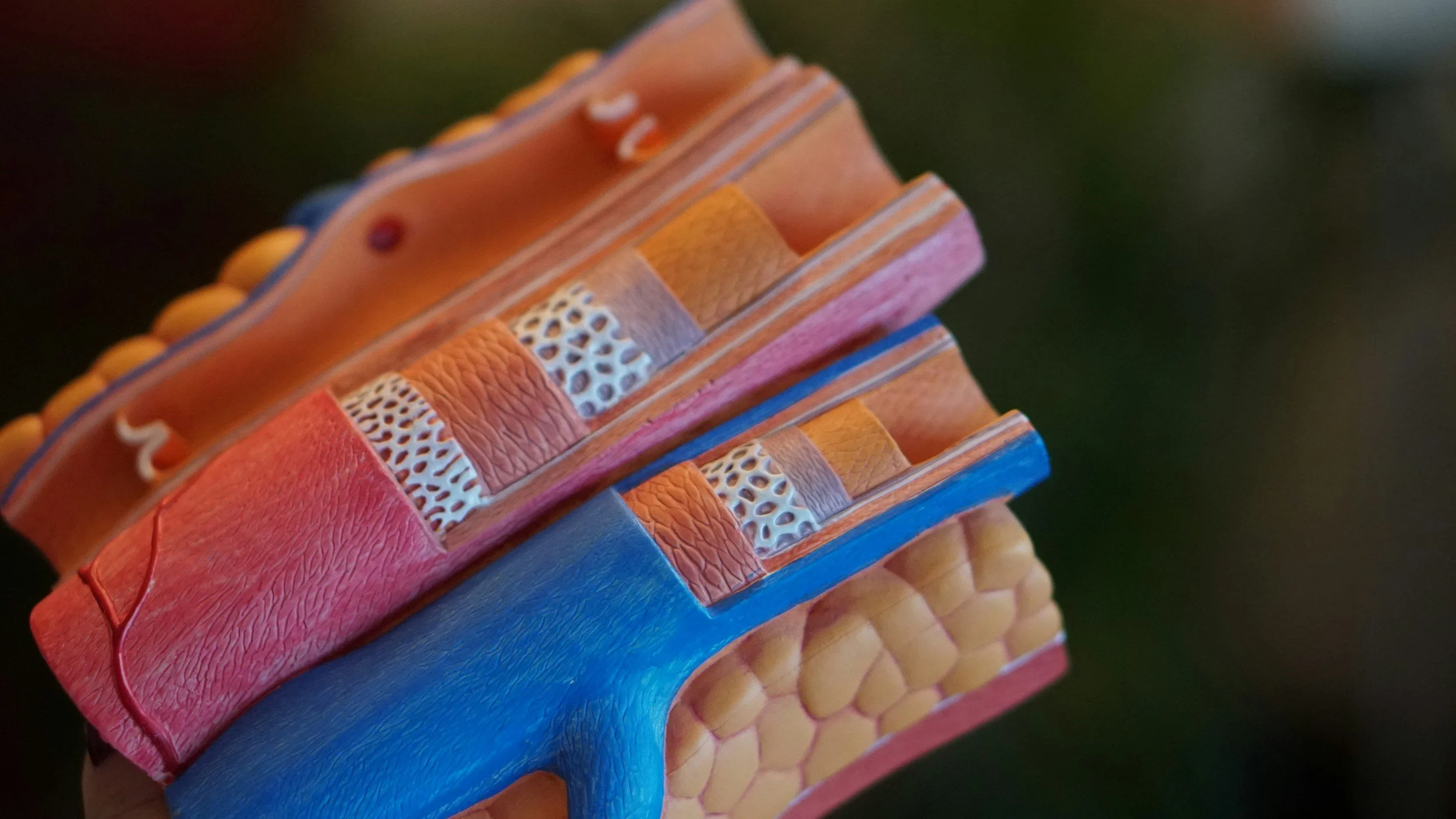
Once the picture is accurate and the numbers are genuinely elevated, it helps to understand what is happening inside the vessels. That is where vitamin K enters the story. Vitamin K comes in two main families. Vitamin K1 (phylloquinone) is found in leafy greens and is used mainly by the liver to help blood clot. Vitamin K2 (menaquinone) is found in fermented foods and animal products and does most of its work out in the body's tissues, including the walls of your arteries. The body can convert a little K1 into K2, but the process is inefficient, which is why dietary K2 matters in its own right.
K2's role in the arteries runs through a protein with an unwieldy name, Matrix Gla Protein, or MGP. MGP is the body's most powerful natural brake on the calcification (hardening) of soft tissue. But MGP only works once it has been switched on by vitamin K, through a process called carboxylation. As the researchers behind the Rotterdam Study put it, vitamin K-dependent proteins including Matrix Gla Protein inhibit vascular calcification, and activating them depends on having enough vitamin K. Without enough K2, MGP stays in its inactive form, and calcium is freer to settle into artery walls.
Why does that matter for blood pressure? When calcium deposits accumulate in the large arteries, the vessels grow stiff and lose their springiness. Stiff arteries cannot expand and recoil with each heartbeat the way healthy ones do, so pressure rises, particularly the top number, the systolic pressure. Much of vitamin K's proposed cardiovascular benefit is described through this route. By helping keep arteries flexible, it may help counter the stiffening that drives hypertension. Scientists even have a blood marker for this: dp-ucMGP, the inactive form of MGP, is used as a sign of poor vitamin K status, and higher levels track with stiffer arteries and greater cardiovascular risk.
The Calcium Paradox
This sets up what researchers call the calcium paradox. The same calcium that should be strengthening your bones can end up weakening your arteries when it is not directed properly. A 2021 review in the journal Nutrients describes the paradox as a state in which calcium is low in the bone and high in the vessel wall at the same time, a pattern linked specifically to vitamin K2 deficiency. In other words, the problem is often not too much calcium in the diet, but calcium in the wrong place.
The late biologist Ray Peat approached this from the angle of hormones and stress. In his essay Calcium and Disease, he argued, drawing on the work of researcher David McCarron, that a calcium deficiency rather than a sodium excess was a more likely nutritional driver of hypertension. His reasoning was that when the diet runs short on calcium or magnesium, the parathyroid glands release more parathyroid hormone (PTH), which pulls calcium out of the bones and drives it into cells and soft tissues. Peat wrote that PTH can raise blood pressure even before arterial stiffening is measurable, and that keeping PTH low, by eating enough calcium and magnesium, was protective. Vitamin K2 fits neatly into this framework as the nutrient that helps ensure the calcium you do have ends up in bone rather than artery.
The Mineral Team: Magnesium & Vitamin D
Calcium, magnesium, vitamin D, and vitamin K2 are best understood as a team rather than as solo players. Vitamin D helps you absorb calcium from food and, like adequate calcium, helps keep PTH in check. Vitamin K2 then directs that calcium to the right tissues. Magnesium does several jobs at once. It is needed to convert vitamin D into its active form, it helps regulate PTH, and it acts as the body's natural calcium counterbalance.
Ray Peat called magnesium "the basic protective calcium blocker," and that phrase is more than poetry. Conventional medicine treats high blood pressure with a class of drugs called calcium channel blockers, and magnesium, along with the amino acid taurine, does something broadly similar inside the body by tempering calcium's entry into cells. This interdependence is also why taking high-dose calcium supplements on their own, without the magnesium, vitamin D, and K2 that balance and direct it, has long concerned holistic practitioners and a number of researchers, who note that calcium without K2 may push toward arterial calcification rather than bone strength.
The naturopath Andra Sitoianu, who writes about bioavailable, nose-to-tail nutrition, has emphasized vitamin K2's role in regulating calcium within the body's tissues and the importance of getting it from food. The practical takeaway from this perspective is not to fear calcium, but to make sure its supporting cast is present.
What the Research Shows
Holistic reasoning is a starting point, not proof. Here is where modern, well-designed human research actually stands, along with its limits.
The landmark observational evidence comes from the Rotterdam Study, which followed nearly 4,800 adults for about seven years. People with the highest dietary intake of K2 had markedly lower rates of severe aortic calcification and substantially lower death from coronary heart disease than those who ate the least, with the highest intake group showing roughly half the risk of severe calcification. Intake of K1 showed no such relationship. Because this is observational, it can show an association but cannot prove cause, yet the fact that the signal was specific to K2 is striking.
The strongest interventional evidence is a three-year, double-blind, placebo-controlled trial by Knapen and colleagues, the gold-standard design with a true placebo group. In it, 244 healthy postmenopausal women took either 180 micrograms of MK-7 daily or a placebo. After three years, the supplement group showed significantly reduced arterial stiffness, with the greatest improvements in the women whose arteries were stiffest to begin with, and their inactive-MGP levels dropped by half compared with placebo.
A 2025 analysis in Nutrients of a separate one-year MK-7 trial looked specifically at blood pressure. In postmenopausal women who already had stiff arteries, a year of MK-7 was associated with a modest drop in blood pressure and improved arterial flexibility, alongside the expected fall in inactive MGP. The authors were careful to call for more research, and it is worth being clear that this was an exploratory finding in a subgroup rather than the trial's main result. Even so, it is one of the first human signals pointing from arterial stiffness specifically toward blood pressure itself.
Mechanistic work fills in the how. In a 2021 study, vitamin K2 lowered blood pressure in salt-sensitive mice and appeared to do so partly by calming the renin-angiotensin system, a hormone cascade that constricts blood vessels and tells the body to hold on to fluid. A 2025 review in Nutrients pulls these threads together, describing vitamin K2 and vitamin D as partners in what it calls bone-vascular crosstalk, with plausible and intertwined effects on mineral balance, the renin-angiotensin system, and cardiovascular risk.
Taken together, the picture is consistent and biologically coherent. Vitamin K2 helps keep arteries flexible, and flexible arteries tend to mean better blood pressure. What does not yet exist is a large trial designed specifically to test whether K2 lowers blood pressure in people who already have hypertension. The mechanism is well supported, the direct blood-pressure-specific human evidence is still early, and honesty about that gap matters. It is also why this is best understood as nourishing the body's own machinery, not as a cure.
Ancestral Sources of Vitamin K2
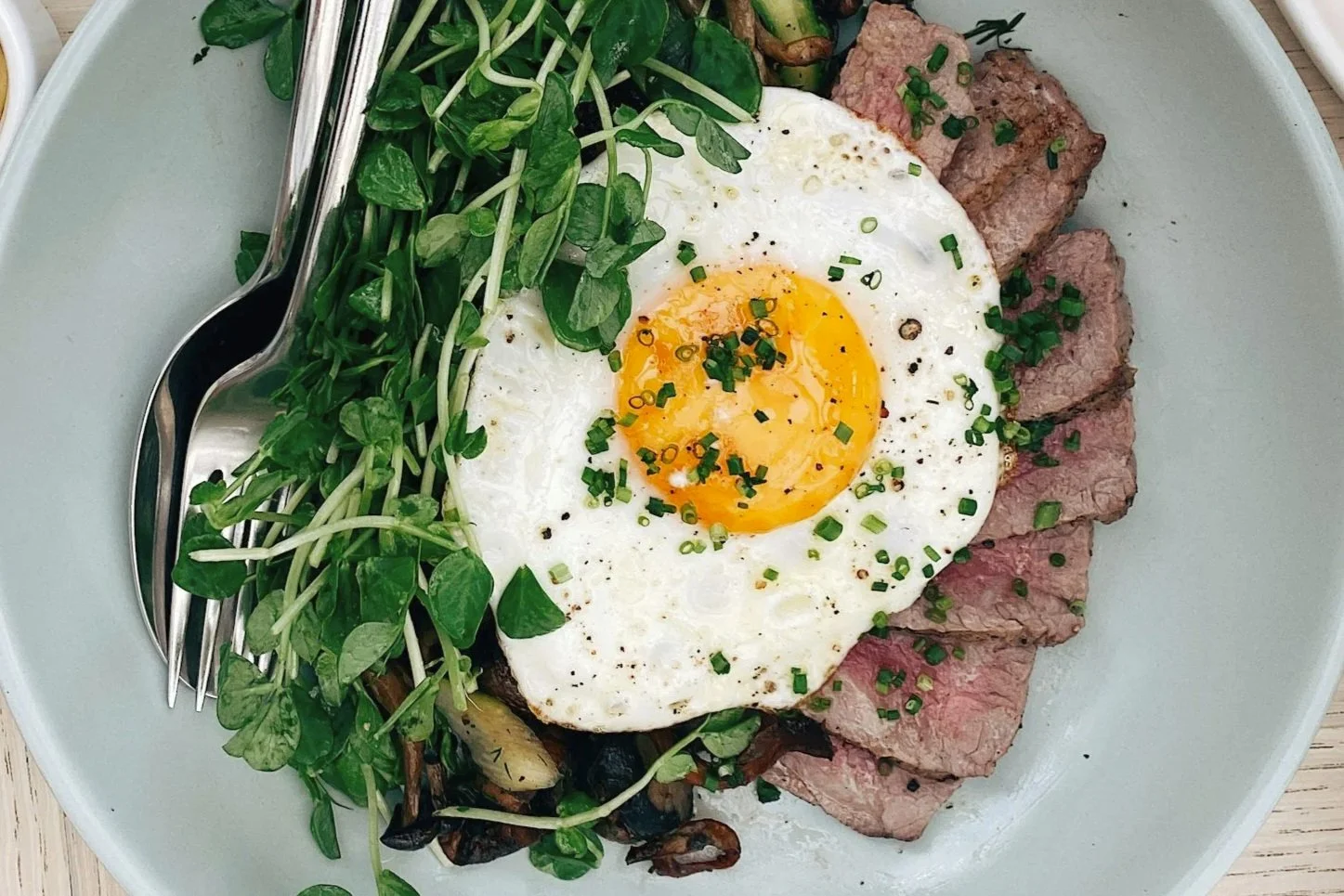
If K2 is the missing piece, the most sensible place to start is the plate. Vitamin K2 is concentrated in exactly the foods that traditional cultures treasured:
- Natto, a Japanese fermented soybean dish, the single richest source and loaded with the long-acting MK-7 form.
- Hard and aged cheeses such as Gouda and Edam.
- Organ meats from pastured animals. Goose liver is famously rich in K2.
- Egg yolks from pastured hens, and dark poultry meat.
- Butter and ghee from grass-fed cows.
Fermentation and animals raised on living pasture are the common threads, the same threads that run through regenerative and traditional food systems. There is a lovely piece of history here too. In the 1930s, the dentist Weston A. Price traveled the world studying isolated populations with excellent teeth and robust health, and he identified a mysterious nutrient he called Activator X, found in the butterfat of cows grazing fast-growing spring grass and in organ meats. Decades later, researchers proposed that Activator X was almost certainly vitamin K2. Price had no way to name it, but he found it the way traditional people always had, through food.
For those who do not eat these foods regularly, the most reliable fix is to bring them back to the table rather than reach first for a pill. Fermented foods, pastured eggs and butter, a little aged cheese, and the occasional serving of liver go a long way. A food-first approach also keeps vitamin K2 in the company of the other nutrients it naturally travels with, the fats that help you absorb it and the minerals it works alongside, which is something no single supplement can fully replicate. The same logic applies to magnesium, which is abundant in leafy greens, pumpkin seeds, and cacao. Build the plate first, and let food do the heavy lifting.
A Critical Safety Note: Vitamin K and Blood Thinners
One warning deserves its own section. Vitamin K is the nutrient that helps blood clot, which is the exact thing that anticoagulant ("blood thinner") drugs such as warfarin (Coumadin) are designed to prevent. Warfarin works specifically by blocking vitamin K. If you take warfarin, suddenly changing your vitamin K intake, in either direction, can throw off how well the drug works which is dangerous.
Anyone on warfarin, or on any blood thinner, must not start a vitamin K supplement or dramatically change K-rich foods without the guidance of the prescribing doctor. Newer anticoagulants such as apixaban (Eliquis) do not work through the vitamin K pathway, but you should still tell your provider about anything you take. And because high blood pressure itself is serious, none of this is a reason to stop or adjust prescribed medication. Think of food and nutrients as support for the body, worked out together with someone who knows your full picture.
Frequently Asked Questions
Does vitamin K lower blood pressure?
Research does not establish vitamin K as a blood pressure treatment. The evidence is more indirect. Vitamin K2 helps keep arteries flexible by preventing calcium from hardening the vessel walls, and flexible arteries are associated with healthier blood pressure. In one 2025 analysis, postmenopausal women with stiff arteries saw a modest blood pressure improvement after a year of MK-7, but this is early, limited evidence rather than proof. Nothing here is medical advice.
What is the difference between vitamin K1 and K2?
K1 (phylloquinone), from leafy greens, is used mainly by the liver for blood clotting. K2 (menaquinone), from fermented foods and animal products, works out in the body's tissues, including bones and arteries, where it helps direct calcium. The body converts only a small amount of K1 into K2, so dietary K2 matters on its own.
Which foods are highest in vitamin K2?
Natto, a fermented soybean dish, is the richest source of the MK-7 form. Other good sources include hard aged cheeses like Gouda and Edam, goose liver and other organ meats, pastured egg yolks, grass-fed butter and ghee, and dark poultry meat.
Can I take vitamin K2 if I am on a blood thinner?
Not without medical supervision. Warfarin (Coumadin) works by blocking vitamin K, so changing your intake can interfere with the drug and is dangerous. Always talk with your prescribing doctor first. This applies whether you are adding a supplement or changing how much K-rich food you eat.
How are calcium, magnesium, vitamin D, and vitamin K2 connected?
They work as a team. Vitamin D helps you absorb calcium and keeps parathyroid hormone in check, vitamin K2 directs calcium into bone and away from arteries, and magnesium activates vitamin D, helps regulate parathyroid hormone, and balances calcium as the body's natural calcium counterweight.
Is calcium bad for blood pressure?
Calcium itself is not the villain. The concern raised by many practitioners and some researchers is calcium in the wrong place, in artery walls rather than in bone. That is more a sign of a shortage of the nutrients that direct calcium, namely K2, magnesium, and vitamin D, than a problem with calcium intake itself.
What is Matrix Gla Protein (MGP)?
MGP is a protein your body makes that acts as a powerful natural brake on the hardening of soft tissues like arteries. It only works once vitamin K switches it on. Its inactive form, measured in blood as dp-ucMGP, is used by researchers as a marker of low vitamin K status and tracks with stiffer arteries.
What is white coat syndrome?
White coat syndrome, or white coat hypertension, is when a person's blood pressure reads higher in a medical setting than it does in daily life, usually because the stress of being measured triggers a temporary rise. It is common, and it is one reason a single in-office reading is not enough to confirm a diagnosis. Several readings on different days, or home monitoring, give a clearer picture.
Can the wrong cuff size affect a blood pressure reading?
Yes, and it is one of the most overlooked errors. A cuff that is too small for the arm can push a reading well above the true value, while a cuff that is too large can read low. Other factors like talking, a full bladder, crossed legs, an unsupported arm, or recent caffeine can also shift the number. Proper technique and the right cuff size matter a great deal.
Is sea salt or rock salt better than table salt?
From a whole-foods perspective, unrefined sea salt and mineral rock salt have an advantage over standard table salt. Refined table salt is close to pure sodium chloride with the trace minerals removed, whereas unrefined salts carry a matrix of minerals like magnesium and potassium that support hydration and electrolyte balance. The amounts are modest, so salt is not a mineral supplement, but the difference in quality is a thing. As always, this is general information, not medical advice.
Other (very cool) articles you may enjoy…



Sea moss is sold as a mineral supplement. The same seaweed is processed into carrageenan, a compound researchers inject into animals to create inflammation. Here is what the research shows and what to look for on a label.