
Is Red Meat Healthy? Here’s What “The Science” Says
Red meat has become a hot topic in recent years, especially as vegan and “plant‑based” lifestyles gain popularity. Most major health agencies now brand red meat as “unhealthy,” citing studies that seem compelling. But are they really?
After shifting to a diet built around grass‑fed, pasture‑raised animal foods—including plenty of red meat—I’ve felt incredible and several health issues I’ve dealt with for years just vanished. That experience made me question the blanket warnings from those health authorities, so I dug into the research myself. What I uncovered was eye‑opening.
About the Studies
These, often poorly designed, studies most cited against red meat routinely group ultra‑processed deli meats and fast‑food patties together with nutrient‑dense, grass‑fed or regeneratively raised meats—treating them as if they’re the same thing.
With vastly different nutrient profiles, production methods, environmental impact, and animal‑health standards, that lumping makes very little scientific sense. It eliminates our ability to have a nuanced conversation about the varied levels of risk between different types of red meat.
Study Design Flaws
(Why the Data Look Worse Than Reality)
| Flaw | What It Means |
|---|---|
| Observational studies cannot prove causation. | They can spot patterns, but they can’t confirm red meat caused disease. |
| Food‑frequency questionnaires. | People have to recall everything they ate—good luck remembering last Tuesday’s lunch. |
| No quality filter. | A Big Mac, a school‑lunch burger, and a grass‑fed steak all live in one “red meat” checkbox. |
| Lifestyle pile‑ups. | Heavy meat eaters in these datasets also smoke more, move less, and eat less fiber—muddying the waters. |
| Small relative risks. | A 13 % hazard ratio equals roughly one extra death per 1,000 heavy meat eaters per year—tiny next to smoking or uncontrolled diabetes. |
In my personal experience, the person who intentionally seeks out regenerative, pasture‑raised beef is usually health‑conscious—exercising, sleeping well, caring about nutrient density. That’s the exact opposite of someone living on fast‑food burgers. The fact that big studies refuse to separate these two groups feels, frankly, a bit deliberate when you factor in globalist agendas to reduce meat consumption (more on that in a moment).
Grass‑Fed vs. Conventional Red Meat Nutrient Profiles
| Nutrient (per 100 g cooked) | Conventional Beef | Grass‑fed Beef | Is Grass-Fed Better? |
|---|---|---|---|
| Omega‑3 (ALA + EPA + DHA) | 40 mg | 80–120 mg | ↑ 2–3× |
| Omega‑6:Omega‑3 Ratio | 8:1 to 12:1 | 2:1 to 4:1 | ↓ ~3× (healthier ratio) |
| Vitamin E | 0.34 mg | 0.55 mg | ↑ 60% |
| CLA (conjugated linoleic acid) | 0.4 g | 0.7 g | ↑ 75% |
| Beta-Carotene | Negligible | 10–20 µg | ↑ significantly |
| Vitamin A (Retinol equivalent) | <10 µg | 20–30 µg | ↑ 2–3× |
| Zinc | 4 mg | 4.5–5 mg | ↑ ~20% |
| Iron | 2.1 mg | 2.4–2.7 mg | ↑ ~20% |
| Trace phytochemicals* | Very low | Detectable suite of plant-derived antioxidants | — |
| B Vitamins (B12, B3, B6) | Moderate levels | Higher bioavailability and slightly higher concentrations | ↑ modestly |
| Antibiotics & Hormones | Frequently used | Rarely or never used | ↓ significantly |
*Grass‑fed cattle pick up small but measurable amounts of plant phenolics and terpenoids that don’t appear in grain‑finished beef.
Grass‑fed red meats also offer heme iron, B‑vitamins, full‑spectrum amino acids, and virtually no antinutrients—one reason red meat often outperforms plant proteins for iron‑deficiency and sarcopenia risk.
-
Antinutrients are naturally occurring compounds in many plant foods that can block the absorption of key minerals or irritate the gut. Plants make them as a defense mechanism—basically a way to say “please don’t eat me.” But when we eat a lot of these foods, especially without proper preparation, they can start to work against us.
Some of the most common antinutrients include:
Phytic acid, found in grains, legumes, nuts, and seeds. It binds to minerals like zinc, iron, and magnesium, making them harder to absorb.
Oxalates, found in foods like spinach, beets, and almonds. These can interfere with calcium absorption and may contribute to kidney stone formation.
Lectins, in things like legumes and nightshades, can be hard on the gut lining and trigger immune responses in sensitive people.
Glucosinolates, in cruciferous vegetables (like kale and broccoli), can suppress thyroid function when eaten in large amounts.
Tannins, found in tea and certain beans, may reduce iron absorption.
Traditional food cultures had workarounds—soaking, fermenting, slow cooking—all of which helped reduce antinutrient content. But "reduce" doesn't mean "eliminate," and most modern diets skip these steps entirely. On top of that, many of us are starting with compromised gut health due to processed foods, depleted soils, over-sanitized environments, and a lifetime chronic stress. All of this makes us more vulnerable to the effects of these compounds.
This is one reason why grass-fed red meat can be such a nutritional powerhouse in comparison—it doesn’t contain antinutrients, and it delivers highly bioavailable nutrients like iron, zinc, B12, and complete protein without the gut burden. In a world where so many people are trying to heal digestion, balance hormones, and get more minerals, animal-based foods—especially when raised regeneratively—can offer a much more direct path to rebuilding health.
Emerging Human Data
A 2023 double‑blind crossover trial showed distinct post‑meal metabolite patterns—higher omega‑3s, more antioxidants, and fewer inflammatory by‑products—after people ate grass‑fed steaks versus grain‑fed. Hard outcomes (heart attacks, cancer) weren’t tracked, but the biochemical signal is promising.
No long‑term cohort has yet separated pasture‑raised beef from conventional beef, which leaves a glaring evidence gap that today’s “red‑meat‑is‑bad” headlines never acknowledge.
Climate, Cows & the “Eat‑Less‑Meat” Push
One of the main non‑health reasons for cutting beef is methane. Conventionally raised cows on corn and soy do emit methane, but regeneratively raised cows on pasture actually sequester soil carbon. Paired‑ranch studies show richer biodiversity, more soil organic carbon, and competitive farmer returns. Well‑managed grazing even lowers methane per pound of beef.
Meanwhile, many high‑profile voices calling for us to quit steak rack up flight miles on private jets, which pollute 5–14× more per passenger than commercial flights. The hypocrisy isn’t lost on anyone paying attention.


An Ancestral Lens
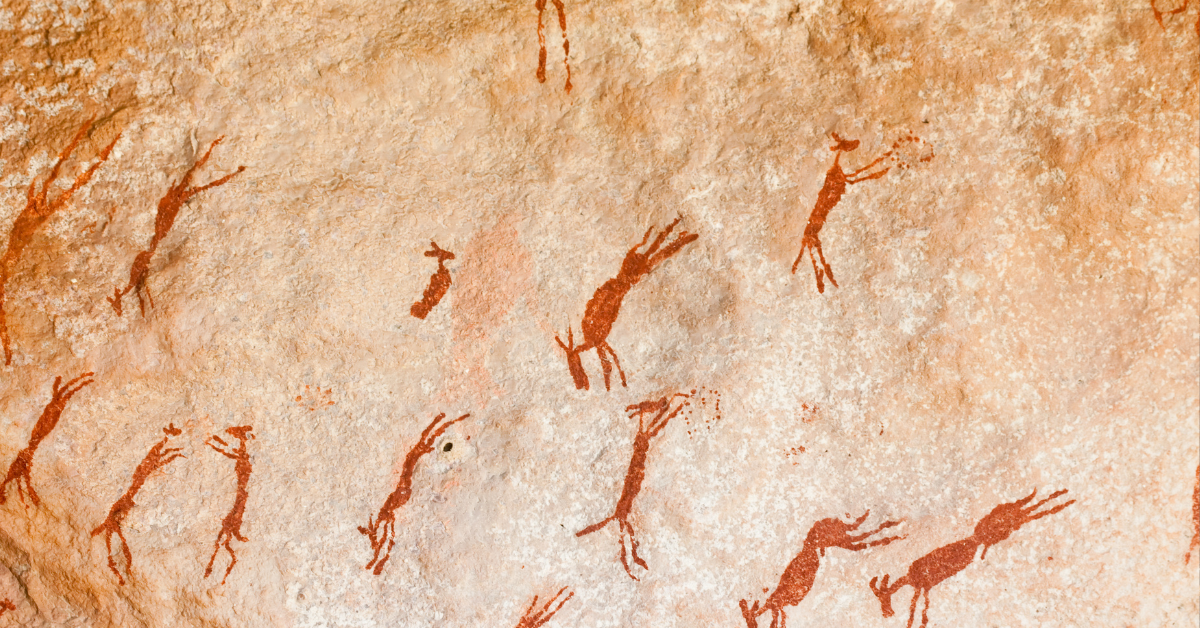
From Southern France’s Lascaux to Indonesia’s Sulawesi caves, Stone‑Age art overwhelmingly depicts animals, not plants, hinting that big‑game hunting was central long before agriculture. Humans haven’t evolved much since, but our plates now overflow with feed‑lot beef, plant‑based “meat,” seed oils, and ultra‑processed grains—hyper‑novelties whose long‑term effects are already looking shaky.
Final Thoughts
If you eat red meat, make it count: choose grass‑fed/pasture‑finished cuts, cook gently (skip the burnt crusts), and pair with colorful whole foods. Processed deli meats? Best avoided. Support regenerative, local producers—your food dollars shape the farming future you want.
Red meat itself isn’t the villain; poor study design and poor‑quality meat are. When sourced and prepared well, grass‑fed beef can be a nutrient‑dense cornerstone of a healthy, sustainable diet—just as it was for our ancestors.
-
Silverman, K. (2021, December 31). To a regenerative 2022: Scaling regenerative grazing. The Regeneration. https://weekly.regeneration.works/p/to-a-regenerative-2022-scaling-regenerative
Krusinski L, Maciel ICF, van Vliet S, Ahsin M, Lu G, Rowntree JE, Fenton JI. Measuring the Phytochemical Richness of Meat: Effects of Grass/Grain Finishing Systems and Grapeseed Extract Supplementation on the Fatty Acid and Phytochemical Content of Beef. Foods. 2023 Sep 24;12(19):3547. doi: 10.3390/foods12193547. PMID: 37835200; PMCID: PMC10572853.
Krusinski L, Maciel ICF, van Vliet S, Ahsin M, Lu G, Rowntree JE, Fenton JI. Measuring the Phytochemical Richness of Meat: Effects of Grass/Grain Finishing Systems and Grapeseed Extract Supplementation on the Fatty Acid and Phytochemical Content of Beef. Foods. 2023 Sep 24;12(19):3547. doi: 10.3390/foods12193547. PMID: 37835200; PMCID: PMC10572853.Pasture-Fed Livestock Association. (2023, December). Research demonstrating the health benefits of Pasture for Life meat. https://www.pastureforlife.org/media/2023/12/PFL-Health-Benefits-at-14-Sept-FINAL-2.pdf
Krusinski L, Maciel ICF, van Vliet S, Ahsin M, Lu G, Rowntree JE, Fenton JI. Measuring the Phytochemical Richness of Meat: Effects of Grass/Grain Finishing Systems and Grapeseed Extract Supplementation on the Fatty Acid and Phytochemical Content of Beef. Foods. 2023 Sep 24;12(19):3547. doi: 10.3390/foods12193547. PMID: 37835200; PMCID: PMC10572853.
Ministère de la Culture. (n.d.). Themes. Lascaux Cave. Retrieved April 22, 2025, from https://archeologie.culture.gouv.fr/lascaux/en/themes-0
Roussell MA, Hill AM, Gaugler TL, West SG, Heuvel JP, Alaupovic P, Gillies PJ, Kris-Etherton PM. Beef in an Optimal Lean Diet study: effects on lipids, lipoproteins, and apolipoproteins. Am J Clin Nutr. 2012 Jan;95(1):9-16. doi: 10.3945/ajcn.111.016261. Epub 2011 Dec 14. PMID: 22170364; PMCID: PMC3238465.
World Without Cows. (2024, December). The connection between cows and carbon capture. https://worldwithoutcows.com/the-connection-between-cows-and-carbon-capture/
International Energy Agency. (2024, January). Aviation. IEA. https://www.iea.org/energy-system/transport/aviation
Transport & Environment. (2021). Private jets: can the super-rich supercharge zero-emission aviation?https://www.transportenvironment.org/uploads/files/202209_private_jets_FINAL_with_addendum_2024-05-07-140647_xczq.pdf
Nabuurs, G.-J., Mrabet, R., Abu Hatab, A., Bustamante, M., Clark, H., Havlík, P., House, J., Mbow, C., Ninan, K. N., Popp, A., Roe, S., Sohngen, B., & Towprayoon, S. (2022). Agriculture, forestry and other land uses (AFOLU). In P. R. Shukla, J. Skea, R. Slade, A. Al Khourdajie, R. van Diemen, D. McCollum, M. Pathak, S. Some, P. Vyas, R. Fradera, M. Belkacemi, A. Hasija, G. Lisboa, S. Luz, & J. Malley (Eds.), Climate change 2022: Mitigation of climate change. Contribution of Working Group III to the Sixth Assessment Report of the Intergovernmental Panel on Climate Change (Chapter 7). Cambridge University Press. https://www.ipcc.ch/report/ar6/wg3/chapter/chapter-7/
Pan A, Sun Q, Bernstein AM, et al. Red Meat Consumption and Mortality: Results From 2 Prospective Cohort Studies. Arch Intern Med. 2012;172(7):555–563. doi:10.1001/archinternmed.2011.2287
Krusinski L, Maciel ICF, van Vliet S, Ahsin M, Lu G, Rowntree JE, Fenton JI. Measuring the Phytochemical Richness of Meat: Effects of Grass/Grain Finishing Systems and Grapeseed Extract Supplementation on the Fatty Acid and Phytochemical Content of Beef. Foods. 2023 Sep 24;12(19):3547. doi: 10.3390/foods12193547. PMID: 37835200; PMCID: PMC10572853.

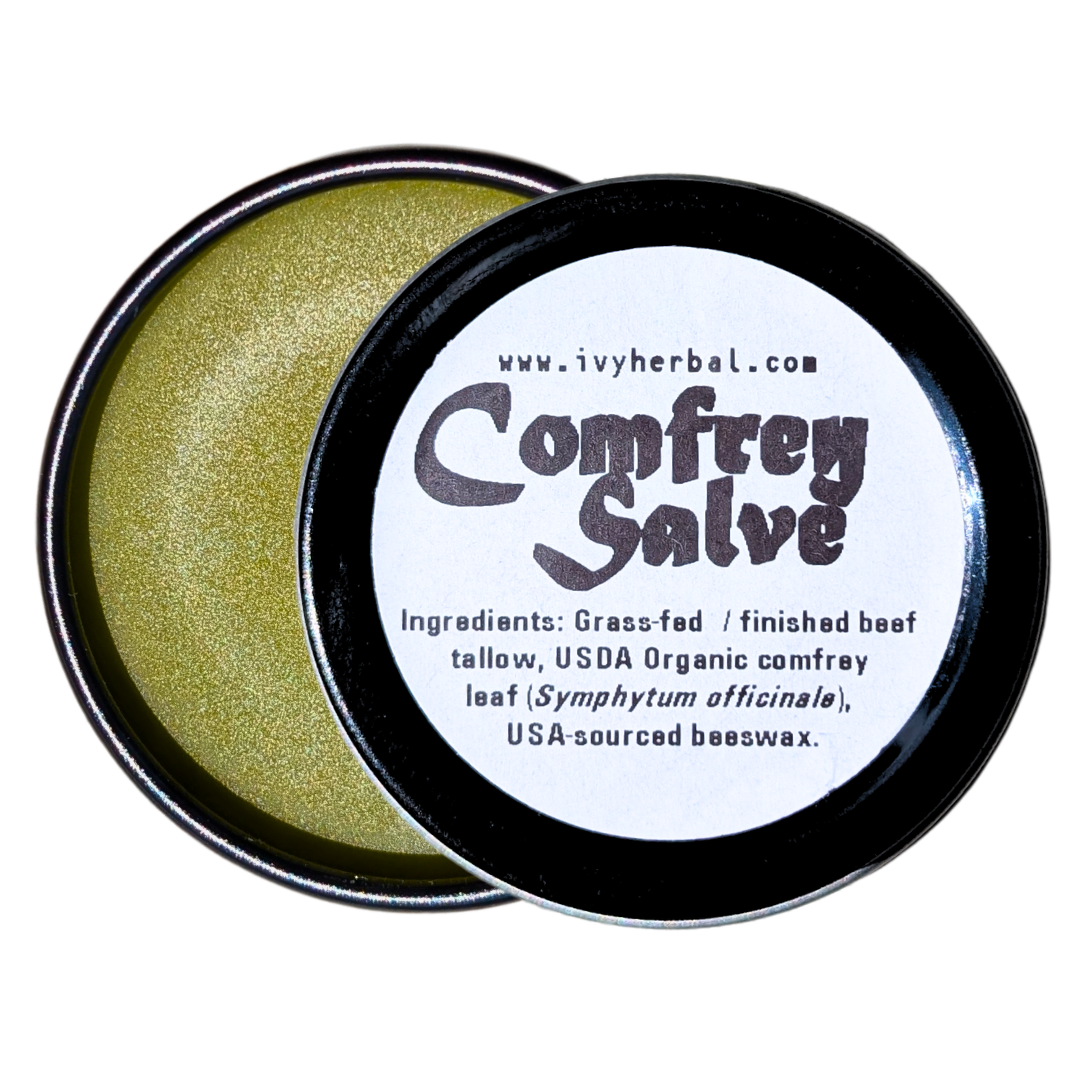




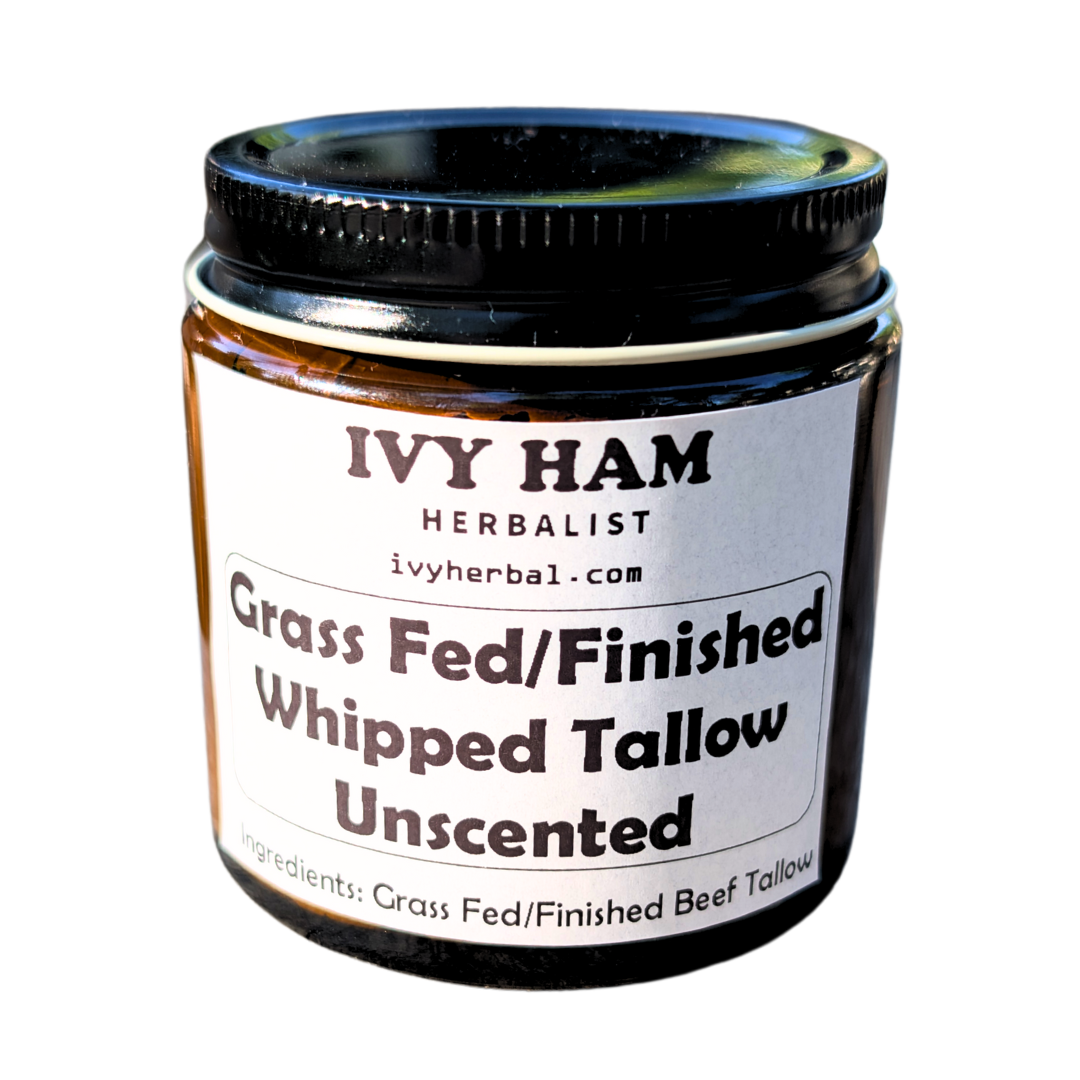



A 37-page lye soap handbook built around one recipe: 90% beef tallow, 10% castor oil, 5% superfat. Exact grams measurements for each ingredient, the chemistry behind saponification, troubleshooting, adding color and scent naturally, and a printable batch log.