
GLP-1 and Research Peptides Informed Consent + Herbal Remedies to Support Weight Loss
The latest craze in health, weight loss, and biohacking are these new “research peptides”. You may have heard of some of the more popular ones like GLP-1’s (Ozempic, Mounjaro, WeGovy etc.), that are being prescribed for managing blood glucose levels in diabetics and also for weight-loss. While GLP-1’s have more data supporting their use than some of the other peptides that are growing in popularity, they still can have some nasty side effects.
This article provides the other side of the peptide story, including comprehensive info about possible side effects, new class-action lawsuits, and the other info you should be getting in the doctors office.
What is Informed Consent?
Since the Nuremberg Trials following WWII, where Nazi scientists and doctors were put on trial for performing involuntary experiments on their captives, doctors are mandated to disclose all potential risks, side effects, and alternatives to any recommendation before prescribing. Disclosing all the risks and alternative options to medical treatments gives us Informed Consent, and allows us to make fully educated decisions about our health. It is my impression (and experience) that most doctors are not providing patients with proper informed consent, not only for these GLP-1 peptides, but also for most other medications as well.
I get a lot of questions about these weight-loss drugs, and I am empathetic that it is difficult to lose weight in our modern, convenience-centered society. Keep in mind that this information is being provided for educational purposes and you should always check with your doctor.
Non-Judgement & Societal Standards
Also (very important) I’m looking at this from a neutral place, without judgement for anyone who might want to use these compounds. I think the influence of capitalism and the Epstein-class elites on our beauty standards via fashion, cosmetics marketing and pop culture have been very harmful to our collective psyche and our health. I personally struggle with knowing the “health cost” of certain common cosmetics or procedures, but still wanting to blend in with other people my age.
Another aspect to this is that losing weight the natural way requires eating healthy, and healthy foods (organic produce, grass-fed/finished/pasture-raised meats, higher protein options) cost a lot more than “conventional” or highly-processed/shelf-stable alternatives. There are ways to eat a healthy, nutrient-filled diet relatively inexpensively, but this generally requires social sacrifice (e.g. not eating out, preparing meals at home with bulk ingredients) that many people are not willing or able to make.
My priorities will understandably be different than yours, and ultimately you may read all this and decide (with the help of your trusted healthcare provider) that one of these peptide drugs is still the best path for you. I just want to make sure you’re fully informed with all the information beforehand.
Why Don’t We Get Informed Consent?
It’s frustrating that the majority of medical professionals are not able to give us informed consent, but it’s not entirely their fault. It would be impossible for anyone to receive all the information needed to be fully informed about a prescription during a 15-20 minute appointment. The FDA insert, which covers most info that would need to be conveyed for someone to receive informed consent is often over 50 pages long.
Pretty much everyone agrees that our medical system here in the US is in major need of reforms, but let’s leave that conversation for another day and move on to discussing the peptides.
What are Peptides, & How Do They Work?
At their most basic level, peptides are short chains of amino acids, the same "building blocks" that make up proteins. The primary difference between a peptide and a protein is size: peptides are smaller, typically consisting of between 2 and 50 amino acids, whereas proteins are much larger, complex chains. You can think of amino acids as individual letters of an alphabet; peptides are words, while proteins are entire sentences or paragraphs.
How They Work
Peptides function primarily as biological messengers. They travel through the body and interact with cells to trigger specific reactions. This process is often described using a "lock and key" analogy: specific peptides (the keys) travel to the surface of cells and bind to specific receptors (the locks).
When a peptide successfully "unlocks" a receptor, it sends a signal to the interior of the cell, telling it to perform a specific task. This could be anything from releasing a hormone, to launching a healing process, to telling the brain you are full. Because they target specific receptors so precisely, they can often direct changes in the body with high specificity, which is why they are of such high interest in medicine.
Categories and Uses
While the term "peptide" is often used in fitness or anti-aging circles, it actually encompasses a massive range of substances, both natural and prescription. Here are the 3 types:
Endogenous Peptides (Natural): Your body naturally produces thousands of different peptides. The most famous example is insulin, a peptide hormone that tells cells to absorb sugar from the blood. (PUBMED)
GLP-1s (Prescription): Drugs like semaglutide (Ozempic/Wegovy) or tirzepatide (Mounjaro) are synthetic peptides designed to mimic a natural hormone called Glucagon-Like Peptide-1. They bind to receptors in the brain and gut to regulate appetite and blood sugar. (PUBMED)
Research Peptides: This category refers to synthetic peptides that are currently being studied for potential benefits in tissue repair, cognitive function, or muscle growth. While some are used in clinical trials, many others are still in early research stages to understand how they might mimic natural signaling pathways to speed up recovery or reduce inflammation. (PUBMED)
Ozempic / Wegovy
While pharma-aligned outlets claim that Wegovy and Ozempic (semaglutide) have “revolutionized” the treatment of obesity and type 2 diabetes, the rapid widespread adoption of these drugs has outpaced our long-term understanding of their risks. This means that, since these drugs are so new, we really don’t know what the long-term effects of taking them will be, and this should be disclosed to every single person who is considering taking them.
This video from Darkhorse Podcast with Drs Brett Weinstein and Heather Heying, where they discuss some of the issues we are seeing in people who’ve taken GLP-1’s.
Next, we’ll go on a deep dive into the clinical trials for these drugs, and look at study design limitations, safety signals, and the surging legal challenges that every patient and provider should understand.
Clinical Trial Limitations: What the Studies Didn't Show
The clinical trials for these drugs (STEP for Wegovy and SUSTAIN for Ozempic), were pretty robust, but they contained specific design choices that may obscure real-world risks:
Exclusion Criteria & "Clean" Populations: Clinical trials often exclude patients with pre-existing gastrointestinal (GI) conditions or a history of pancreatitis to protect participant safety. This means the trial results reflect a "best-case scenario" population. In the real world, patients with complex medical histories are prescribed these drugs, potentially facing risks that were not observed in the controlled trial environment.
Duration of Study: Most trials lasted between 68 and 104 weeks. While this is sadly sufficient for FDA approval, this duration is far too short to capture long-term latency issues, such as the theoretical risk of thyroid C-cell tumors (seen in rodent models) or the long-term consequences of chronic suppression of gastric motility. In holistic medicine, we are taught that if your bowels are not moving, food and toxins will stagnate in the digestive tract and that you may reabsorb toxins that are meant to be excreted. Since this drug essentially freezes your digestive tract, we may see long-term users of these products showing up symptoms of high toxin load.
Long-Term Effectiveness: After being on a GLP-1 for a longer period of time, some peoples bodies will adapt, and they will begin to gain weight again despite still taking the medication (video embedded below).
Diversity Gaps: Meta-analyses of these trials have highlighted an overrepresentation of White participants (often ~80%), with significant underrepresentation of Black, Asian, and Hispanic populations. This limits our understanding of how genetic variations might influence side effect profiles or efficacy across different demographics.
Safety Issues & Informed Consent
To provide truly informed consent, a patient must understand not just the common side effects, but also all the rare, permanent, and "emerging" risks. As mentioned previously, no long-term trials have been done, so these potential risks and side effects are unknown, and therefore no one is getting informed consent. All we have to go off of is the limited, short-term trial data, which is also looking a bit problematic.
Let’s get into some of the red flags we’re seeing in the short-term trials:
Nausea, Vomiting, & Permanent Stomach Paralysis: Almost all patients are warned about nausea and vomiting. However, true informed consent should distinguish between transient/temporary nausea and gastroparesis (stomach paralysis). There is a growing concern that for some patients, the mechanism of the drug (slowing gastric emptying) works too well, leading to a permanent or semi-permanent paralysis of the stomach muscles even after stopping the medication.
Muscle Mass Loss (Sarcopenia): Rapid weight loss often includes significant loss of lean muscle mass. Trial data showed that a portion of the weight lost was lean tissue, which can be metabolically detrimental, especially for older adults ("sarcopenic obesity").
Bone Density & Fracture Risk: Closely linked to muscle loss is the risk of bone deterioration. Bones maintain density through "mechanical loading" (carrying body weight). When weight is lost too rapidly, the skeleton is "unloaded" faster than it can adapt, potentially leading to osteopenia or increased fracture risk. Informed consent should involve a discussion about monitoring bone density (DEXA scans) throughout treatment. (aoao.orgbiostrong.ca)
Permanent Blindness: Recent studies have flagged a potential association with NAION (non-arteritic anterior ischemic optic neuropathy), a condition that causes sudden vision loss, which was not a primary focus in initial safety data.
Boxed Warning for Cancer: Both drugs carry a "boxed warning" regarding thyroid C-cell tumors based on rodent studies, a risk that necessitates a specific discussion about family history of Medullary Thyroid Carcinoma (MTC).
Wegovy / Ozempic Class Action Lawsuits
What began as a single wave of lawsuits has evolved into two distinct "mass tort" litigations. While the injuries differ, the core argument against the manufacturers remains the same: "Failure to Warn." Plaintiffs allege that the drug makers prioritized sales over safety by downplaying serious risks that were known during development.
Gastrointestinal Cases: The largest and most established group of lawsuits centers on severe stomach injuries. Plaintiffs argue that while the drug label mentions "delayed gastric emptying," it failed to warn that this mechanism could work too well, leading to permanent severe gastroparesis (stomach paralysis) or ileus (intestinal obstruction). Unlike the temporary nausea most users expect, these lawsuits involve patients who suffered a "frozen stomach" requiring hospitalization, surgery, or even permanent feeding tubes. The central claim is that manufacturers had early evidence of these catastrophic GI events but downplayed them in marketing materials.
Blindness Lawsuits: As of late 2025, a second major legal front has opened regarding permanent vision loss. These lawsuits focus on a condition called NAION (non-arteritic anterior ischemic optic neuropathy), often described as an "eye stroke." This condition causes sudden, painless, and often irreversible blindness.
Supplements & Herbs that Support Weight-Loss
For safety, it is important to work with an experienced herbalist or holistic practitioner to find the right dose of these herbs for your situation. This is being provided for educational purposes only, and not as medical advice. These are in no particular order, as the one that could be best for one person may not be ideal for someone else, and often herbal remedies work better within the context of a formula.
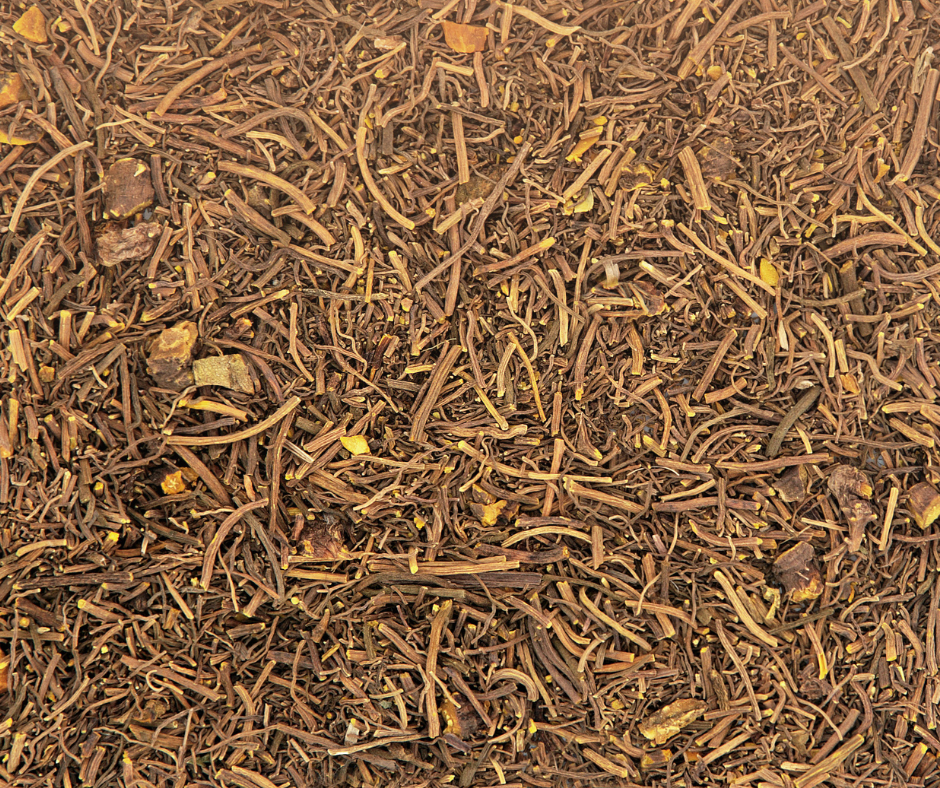
Berberine
Berberine supplementation has been shown to improve lipid metabolism (burning fat) and can aid weight loss. It works in part by activating an enzyme called AMPK (adenosine monophosphate-activated protein kinase), which is sometimes referred to as the body's "metabolic master switch." AMPK plays a central role in regulating how your body uses and stores energy, and activating it essentially tells your cells to start burning stored fat for fuel. (PUBMED, PUBMED)
Berberine has also been shown to help improve insulin sensitivity and lower fasting blood glucose levels, with some studies comparing its effectiveness to metformin, a commonly prescribed pharmaceutical for type 2 diabetes. This makes it a particularly useful compound for people whose weight gain is driven by insulin resistance or metabolic syndrome.
Berberine is a constituent (a naturally occurring chemical compound) found in several traditionally used medicinal plants, including oregon grape root (Mahonia aquifolium), goldenseal root (Hydrastis canadensis), coptis (Coptis chinensis), barberry (Berberis vulgaris), and phellodendron (Phellodendron amurense). Each of these plants has its own traditional uses and secondary benefits beyond just berberine content, so working with an herbalist can help you determine which source plant may be the best fit for your overall health picture.
Most berberine supplements on the market are derived from oregon grape root, since goldenseal is typically a lot more expensive and is also a threatened species due to overharvesting. If you do choose a goldenseal-based product, look for cultivated rather than wildcrafted sourcing to support conservation efforts.
Berberine is most widely recognized in herbal medicine for its potent anti-microbial properties, particularly against bacteria, fungi, and certain parasites. It has a long history of use in both Traditional Chinese Medicine and Ayurveda for infections of the gut, including support during food poisoning, traveler's diarrhea, and small intestinal bacterial overgrowth (SIBO). Because of these antimicrobial properties, it is also commonly used to support overall immune system health.
Generally taking berberine in capsule form is best, as it is an incredibly bitter tasting compound. If you have ever tasted goldenseal or oregon grape root tincture, you know exactly how intense that bitterness is. That said, in herbal medicine, bitter taste itself can stimulate digestive secretions and support healthy digestion, so some practitioners do use it in tincture form intentionally for that reason.
Despite its strong antibacterial properties, berberine has shown in studies that it can be taken for longer periods without significantly damaging beneficial gut flora in the way that pharmaceutical antibiotics do. Some research actually suggests that berberine may promote the growth of beneficial bacteria while targeting pathogenic strains, though more research is needed in this area. This is an important distinction, as preserving a healthy microbiome is essential for sustainable weight management. (anecdotal and emerging research)
Berberine has relatively low oral bioavailability, meaning your body does not absorb it very efficiently on its own. Some newer supplement formulations pair berberine with absorption enhancers or use delivery technologies designed to improve uptake. Taking it with a meal that contains healthy fats may also help with absorption.
Standard therapeutic dosing in most studies ranges from 900 to 1500 mg per day, typically divided into two or three doses taken with meals. Starting at a lower dose and gradually increasing is generally recommended to minimize any initial digestive discomfort such as cramping or loose stools.
Do not combine berberine with prescription blood sugar lowering medications without medical supervision, as the combined effect could cause blood sugar to drop too low (hypoglycemia). Berberine can also interact with certain medications that are processed by the liver's cytochrome P450 enzyme pathways, potentially altering how those drugs are metabolized. Those on blood thinners, immunosuppressants, or any medications with a narrow therapeutic window should consult their healthcare provider before use. Not recommended during pregnancy or breastfeeding.

Gurmar (Gymnema sylvestre-Folium)
Gurmar is an herb from Ayurveda that is also known as mesharingi, shardunika, madhunashini, “destroyer of sugar”, periploca of the wood, and sweet destroyer.
This herb helps regulate the craving for sweet foods and helps reduce excessive appetite, which is great for weight loss.
Gurmarin is the sweet taste suppressor constituent in Gurmar, and it must come into contact with the tongue to work effectively.
Leaves are the part of the plant that is used.
Gurmar has antidiabetic, diuretic, hypoglycemic, and hypocholesteroaemic properties. It is also a digestive stimulant, diuretic, and an astringent.
Gurmar leaves raise insulin levels when administered to healthy volunteers (the way of ayurveda)
Traditionally in Ayurvedic medicine it has been used for diabetes, kidney stones, obesity, hypoglycemia, enlargement of liver and spleen
Increases insulin production in the pancreas, helps regulate blood glucose levels, normalizes metabolism. Can be used for both type 1 and type 2 diabetes.
Do not use with hypoglycemia. Caution with heart conditions as it can stimulate the heart. Patients on diabetic medications should monitor their blood glucose closely.
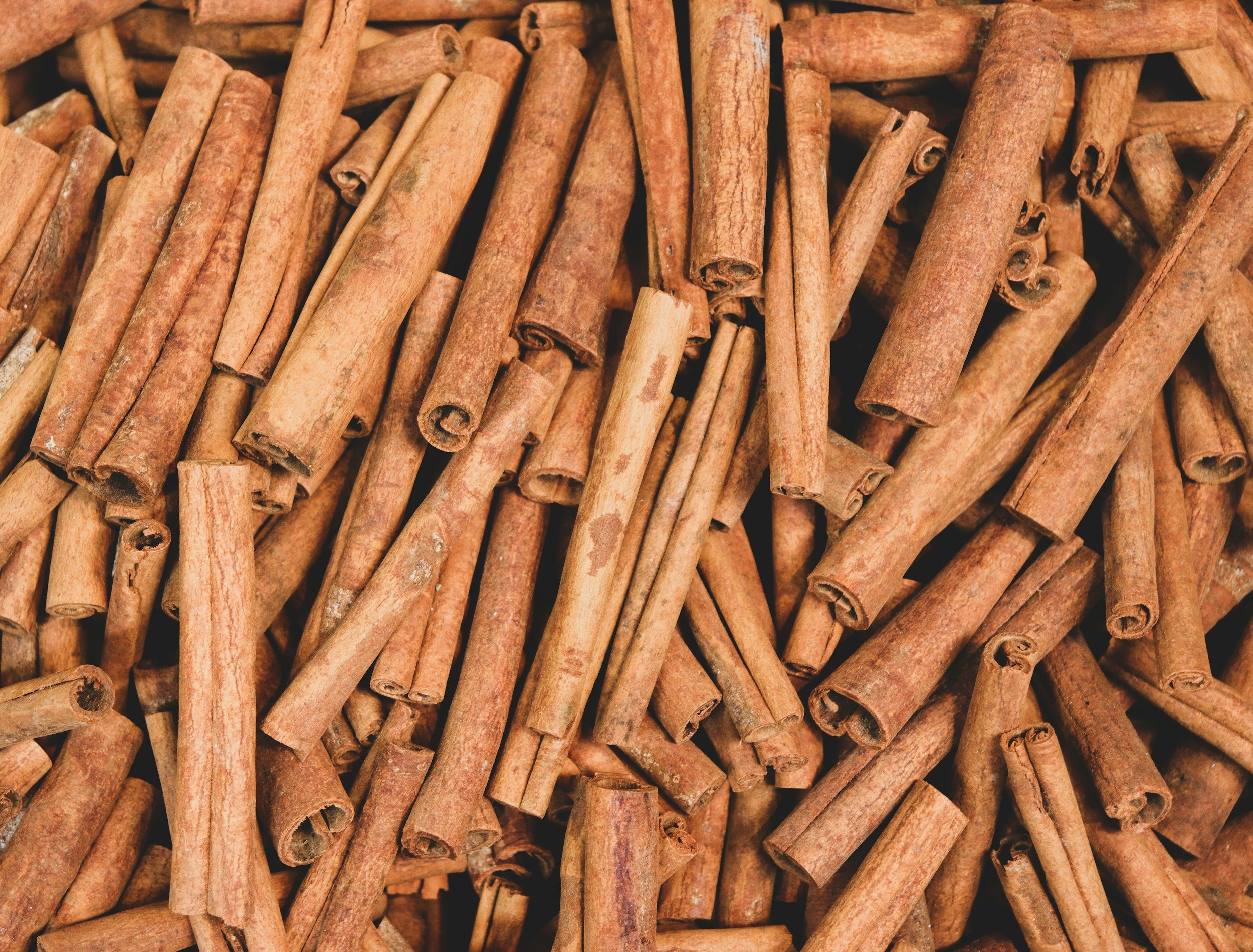
Cinnamon Bark (Cinamonum cassia)
Cinnamon bark is one of the most well-studied herbs for supporting healthy blood sugar levels and insulin sensitivity, both of which play a major role in weight management. When your cells respond properly to insulin, your body is better able to use glucose for energy rather than storing it as fat.
Studies have shown that cinnamon can help lower fasting blood glucose levels, reduce total cholesterol and triglycerides, and improve overall metabolic markers in people with type 2 diabetes and insulin resistance. (PUBMED)
Cinnamon works in part by mimicking insulin at the receptor level, helping glucose get into the cells more efficiently. It also appears to slow the breakdown of carbohydrates in the digestive tract, which can reduce blood sugar spikes after meals.
The most commonly used species for blood sugar support is Cinnamomum cassia (also called Chinese cinnamon or Saigon cinnamon). Ceylon cinnamon (Cinnamomum verum) is considered a "gentler" option but has less research supporting its effects on blood sugar specifically.
Cassia cinnamon contains higher levels of coumarin, a naturally occurring compound that can be hard on the liver in large doses over extended periods of time. If you plan to use cinnamon therapeutically (beyond just sprinkling it on food), this is an important distinction to discuss with your practitioner, as Ceylon may be the better option for long-term use.
As mentioned, there have been numerous reports in recent years of heavy metals contamination being found in cinnamon products, both bark and powdered. This has been an issue with products sourced from multiple countries. Always source your cinnamon from a reputable supplier that provides third-party testing for heavy metals, and be cautious with inexpensive bulk cinnamon from unknown sources.
Cinnamon can be taken as a tea (decoction of the bark), in capsule form, as a tincture, or simply incorporated into food. For therapeutic dosing aimed at blood sugar support, most studies have used between 1 and 6 grams per day, but working with a practitioner to find the right dose for your body is always recommended.
Cinnamon bark is also a warming carminative and digestive stimulant, meaning it helps improve digestion and reduce bloating and gas, which can be an added benefit for people working on weight management and gut health.
Do not use therapeutic doses of cinnamon alongside diabetic medications without medical supervision, as it may enhance the blood sugar lowering effects and increase the risk of hypoglycemia. Use caution during pregnancy, as cinnamon in large doses can have uterine-stimulating properties. Those with liver conditions should opt for Ceylon cinnamon or consult with their practitioner regarding coumarin intake.

Guarana (Paullinia cupana
Guarana is a climbing plant native to the Amazon basin that has been used for centuries by indigenous communities in Brazil for energy, endurance, and appetite suppression.
The seeds are the part of the plant used, and they contain one of the highest natural concentrations of caffeine found in any plant, roughly two to three times the amount found in coffee beans by weight.
Guarana has been shown to support weight loss through its thermogenic properties, meaning it helps increase the body's metabolic rate and stimulate fat burning. It also has mild appetite-suppressing effects. (PUBMED)
Unlike the quick spike and crash often experienced with coffee, guarana's caffeine is released more slowly due to the tannins and saponins present in the seed. This results in a more sustained, gradual energy boost, which can also support longer periods of physical activity.
Guarana also contains theobromine and theophylline, two other naturally occurring stimulant compounds that work synergistically with caffeine to support alertness and energy expenditure.
It is commonly available in capsule, powder, and liquid extract forms. Guarana is also a common ingredient in many commercial energy drinks and pre-workout supplements, though whole-herb forms are generally preferred for therapeutic use to avoid the added sugars and synthetic ingredients found in those products.
Because of its stimulant properties, guarana should be used with caution by those who are sensitive to caffeine, have anxiety disorders, or have cardiovascular conditions such as high blood pressure or arrhythmias.
Do not combine with other stimulants, including high doses of coffee or energy drinks. Use caution when combining with herbs or medications that affect blood pressure or heart rate. Not recommended for use in the evening as it may interfere with sleep.
Pregnant and breastfeeding women should avoid guarana due to its high caffeine content. Those on blood thinners or MAOIs should consult their healthcare provider before use.

Chickweed (Stellaria media)
Chickweed is a gentle, nutritive herb that has been used in European and American folk herbalism traditions as a supportive herb for weight loss and metabolic balance.
It is considered a cooling, moistening herb with demulcent, diuretic, and mild laxative properties, making it useful for supporting gentle detoxification and reducing water retention.
Chickweed contains saponins, which are thought to help emulsify fat cells and support lipid metabolism. This is one of the reasons it has traditionally been included in weight-loss formulas by Western herbalists.
It is also highly nutritive, containing vitamins A, C, and D, as well as minerals like iron, calcium, potassium, and zinc, which can help fill nutritional gaps that are common in people struggling with weight management.
Chickweed can be eaten fresh as a salad green or pot herb, taken as a tea (infusion), or used as a tincture. It has a mild, pleasant flavor that makes it one of the easier herbs to incorporate into the diet.
It is gentle enough to be used over longer periods of time, making it a good option for sustained weight management support rather than a quick fix.
Chickweed is widely available and easy to wildcraft in most temperate climates, making it one of the more accessible and affordable options on this list. Be sure to harvest from areas free of pesticides and herbicide spraying.
Generally considered very safe. Avoid in known allergy to plants in the Caryophyllaceae family. As with all herbs, pregnant and breastfeeding women should consult a qualified practitioner before use.
Possible Health Conditions that Could Contribute to Weight Gain
Thyroid Issues
If you’ve tried everything, eat clean and get regular movement, but still feel like you can’t lose weight, you should definitely get your thyroid checked.
Your thyroid is the master of your body’s metabolism, in other words, it regulates how fast your body burns calories. If your thyroid isn’t working as it should, it can make your metabolism slower, which can cause you to gain weight, or have trouble losing weight.
The main obstacle with getting your thyroid numbers looked at is that most western/conventional doctors don’t know which tests to order, and then once ordered, they don’t know how to interpret those values. Also, even with an experienced practitioner, the lab results may still come back completely normal even on someone with clinical hypothyroidism. You may even encounter resistance to running the tests, which in my experience is indicative that they aren’t familiar with thyroid issues.
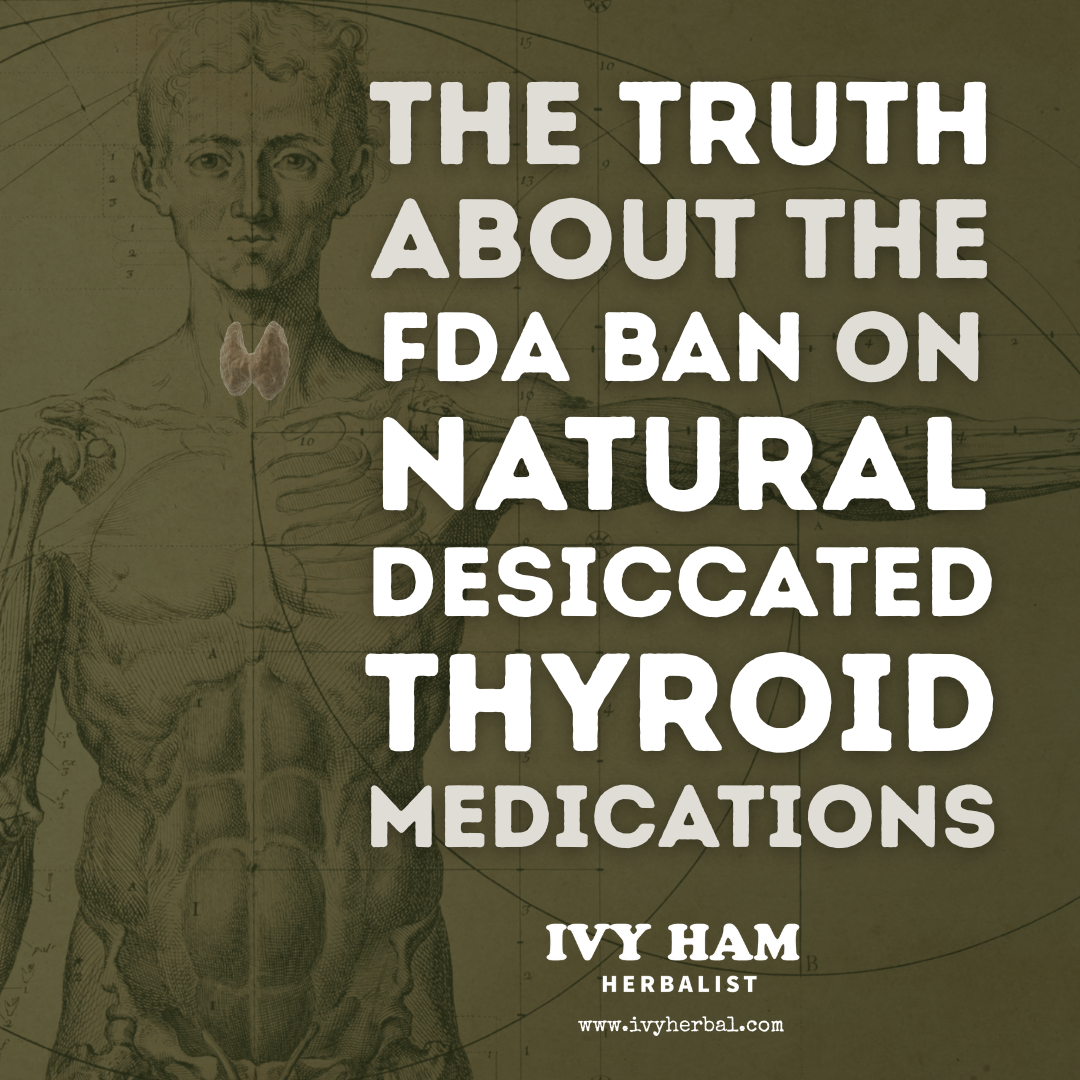
Here are some of my past articles about thyroid issues and hypothyroidism:


FAQ
Are Peptides the Same Thing as the mRNA Vaccine Platform?
I had this question while researching this topic, since the mRNA vaccine platform creates a type of protein in the body (spike protein). I was concerned that the same issues we saw in the recent Yale study which showed that mRNA still can be making inflammation-promoting spike proteins years after your last injection would be a factor with these other peptide drugs. If they worked in the same way, it could cause long-term issues for some people.
However, it turns out that these products are made using an entirely different process, which does carry other risks, just not the same ones we see with the COVID-19 mRNA shots. mRNA is like instructions or a blueprint for building something, whereas peptides are like the finished product.
Peptides are the finished product: they are short chains of amino acids that you introduce into the body to directly perform a specific task, such as binding to a receptor or signaling a cell. You are essentially delivering the worker directly to the job site.
mRNA (messenger RNA), on the other hand, is a genetic blueprint made of nucleic acids. The mRNA platform does not inject the functional molecule itself; instead, it delivers a set of instructions into your cells, teaching the cells’ internal machinery how to manufacture a specific protein (or piece of a protein) from scratch. Once your body follows these instructions and creates the protein, that protein then triggers the desired immune response.
With peptides, they are made using chemical processes to bind different molecules together, then solvents are used as well, and then the solvents are washed off afterwards (assuming quality manufacturing practices). None of the “instructions" or blueprint part of the manufacturing remains in the end product peptide.
Can You Stop Taking Ozempic or Wegovy Once You've Lost the Weight?
This is one of the most important questions that should be discussed before starting treatment. Current data suggests that most people regain a significant portion of the weight they lost after stopping the medication. A study published in the journal Diabetes, Obesity and Metabolism found that participants regained roughly two-thirds of the weight they had lost within a year of discontinuing semaglutide. This is because the drug is suppressing appetite and slowing digestion while you take it, but it is not addressing the underlying reasons for the weight gain. Once the drug is removed, those root causes are still there. This is one of the reasons I advocate for working with a holistic practitioner to identify and address the root cause, whether that is thyroid dysfunction, insulin resistance, chronic stress, or something else entirely.
Are "Research Peptides" Like BPC-157 and Thymosin Beta-4 Safe?
These are some of the most popular peptides being discussed in biohacking and fitness communities right now. BPC-157 is being studied for its potential to support tissue repair in the gut and joints, and Thymosin Beta-4 for wound healing and recovery. While early research on these compounds is interesting, it is important to understand that most of the studies have been done in animals, not humans. These animals have been bred in captivity for generations, and now have clear biological differences compared to the same species found in nature.
There is very limited clinical trial data on long-term safety, appropriate dosing, or interactions with other medications or herbs. On top of that, because many of these peptides are sold as "research chemicals" rather than regulated pharmaceuticals, quality control can vary wildly between suppliers. Contamination, incorrect dosing, and mislabeled products are real concerns. If you are considering using research peptides, please do so under the guidance of a qualified practitioner who can monitor your health.
Do GLP-1 Drugs Interact with Herbal Supplements?
This is something that is not being discussed nearly enough. Because GLP-1 drugs like semaglutide significantly slow gastric emptying, they can change how your body absorbs other substances, including herbal supplements and even other prescription medications. If your stomach is processing things more slowly, the timing and absorption rate of anything else you take by mouth could be affected. Herbs that have blood sugar lowering properties, like berberine, gurmar, or cinnamon, could theoretically compound the hypoglycemic effects of these drugs, which could be dangerous. Always let your herbalist or holistic practitioner know if you are on a GLP-1, and likewise, let your prescribing doctor know about any herbs or supplements you are taking.
What is "Ozempic Face"?
"Ozempic face" is a term that has gained popularity on social media to describe the gaunt, aged facial appearance that some people develop after rapid weight loss on GLP-1 medications. When you lose weight very quickly, you lose fat from areas that give the face its fullness and youthful appearance, particularly the cheeks. Combined with the loss of lean muscle tissue (which we discussed earlier in the article), this can result in sagging skin and a hollowed-out look. This is not unique to these drugs and can happen with any rapid weight loss, but because GLP-1s can cause such dramatic and fast results, it tends to be more pronounced. This is another reason why slower, more sustainable approaches to weight loss tend to be gentler on the body overall.
Can You Take Peptides if You Are Pregnant or Breastfeeding?
No. GLP-1 medications like semaglutide and tirzepatide are not recommended during pregnancy or breastfeeding. The manufacturers advise stopping the medication at least two months before a planned pregnancy. Animal studies have shown potential risks to fetal development. For research peptides like BPC-157, there is simply not enough human data to know whether they are safe during pregnancy or lactation, so they should be avoided entirely. In the context of holistic health, trying to lose weight while pregnant or breastfeeding is generally not recommended. During these periods, women hold onto more weight due to a natural protective mechanism that is designed to protect the health of the baby or fetus. So many herbs and supplements are not safe during these times since those medicinal compounds would pass to the fetus or baby.

If your cholesterol is high, your thyroid may be the real issue. Learn why an underactive thyroid causes cholesterol to accumulate, how to test your thyroid at home using the Broda Barnes basal body temperature method, and explore both natural supplements and prescription treatment options for hypothyroidism.