What an Arkansas Chemical Spill Reveals About Aluminum in Your Tap Water
On May 2nd, a storage tank at C&S Chemicals in Fort Smith, Arkansas ruptured and released roughly 80,000 gallons of acidified aluminum sulfate into a nearby creek. Water pH dropped to about 1, fish died, and crews neutralized the runoff with lime before it reached the Poteau River.
What caught my attention was not the spill itself but the chemical involved. Aluminum sulfate is one of the workhorse chemicals of industrial America, and a surprising number of people are quietly exposed to it every day without realizing.
Aluminum sulfate, often called alum, is the most widely used coagulant in municipal water treatment across the United States. It binds suspended particulates so they settle out, leaving water visually clear at the tap, with trace aluminum remaining in the finished supply. Anyone drinking from a public water system is taking in small amounts on a daily basis.
That kind of ongoing exposure has been the subject of considerable research. A 2016 meta-analysis covering more than 10,000 individuals reported that chronic aluminum exposure was associated with a 71 percent increased risk of Alzheimer's disease. The proposed mechanisms include oxidative stress, neuroinflammation, calcium dysregulation, and the formation of neurofibrillary tangles, all of which are implicated in neurodegeneration. The literature is still being argued over, but the body of evidence is substantial enough to take seriously.

Aluminum sulfate also shows up in factory poultry operations, where it is sprayed onto barn floors to reduce ammonia buildup.
This is routine in conventional broiler systems and absent from pastured operations on regenerative farms. For readers who already source their protein carefully, it is one more small piece of why farm-direct chicken is meaningfully different from supermarket chicken, beyond the usual conversations about feed and antibiotics.
Certain firefighting foams also contain aluminum sulfate, which makes a natural bridge to the much larger story of PFAS, the so-called forever chemicals found in AFFF foams used on military bases and at major industrial fire sites. PFAS now contaminate drinking water systems across the country and accumulate in fish, dairy, and meat raised on contaminated land. That subject deserves its own post, and I think the connection is worth naming because most chemical exposure happens not through dramatic spills but through ordinary, persistent materials we never think to inspect.
Read More on This Topic
PFAS in Drinking Water and Everyday Life: A 2025 Guide
Water filtration is one of the highest-leverage changes for reducing chronic chemical exposure. This guide breaks down where PFAS and other contaminants come from in daily life, and which filter technologies actually do the work, organized by contaminant type.
Read the GuideResearch on herbs + aluminum
The herbal literature offers a few directions worth knowing about, though I want to be clear that what follows is educational and not medical advice. Please work with a holistic provider who is experienced in chelating metals.
Cilantro and chlorella
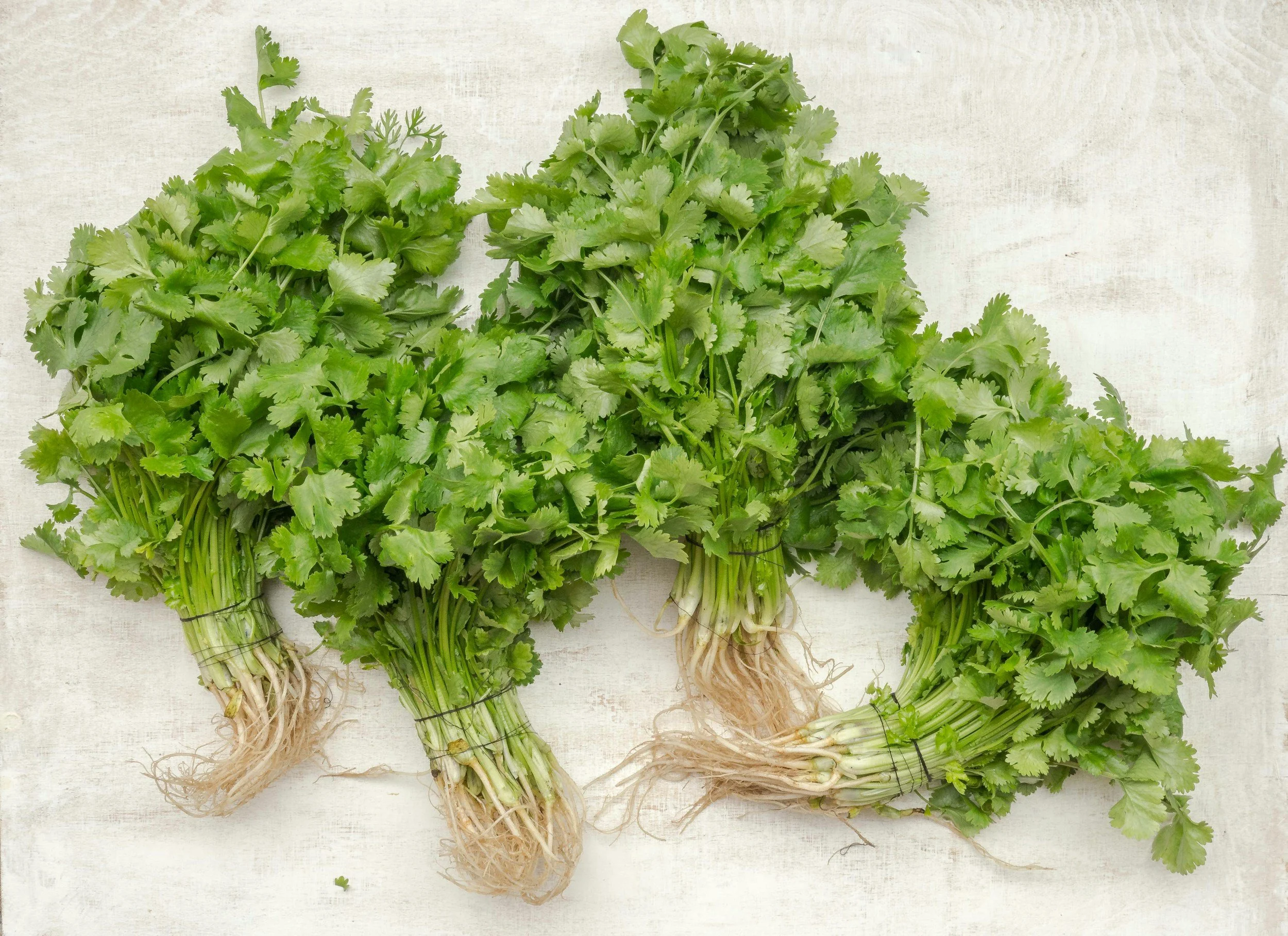
Cilantro (Coriandrum sativum) has been studied as a mobilizer of heavy metals from tissue stores, including aluminum, mercury, and lead. In animal studies, coriander extract has been associated with reduced lead deposition in bone and other tissues. The clinical observation, going back to the work of Dr. Yoshiaki Omura in the 1990s and later expanded by Dr. Dietrich Klinghardt, is that mobilization on its own is not the same as elimination. Practitioners working in this space have consistently paired cilantro with a gut-level binder, the reasoning being that metals freed from tissue can otherwise redistribute elsewhere in the body rather than leave through the digestive tract.
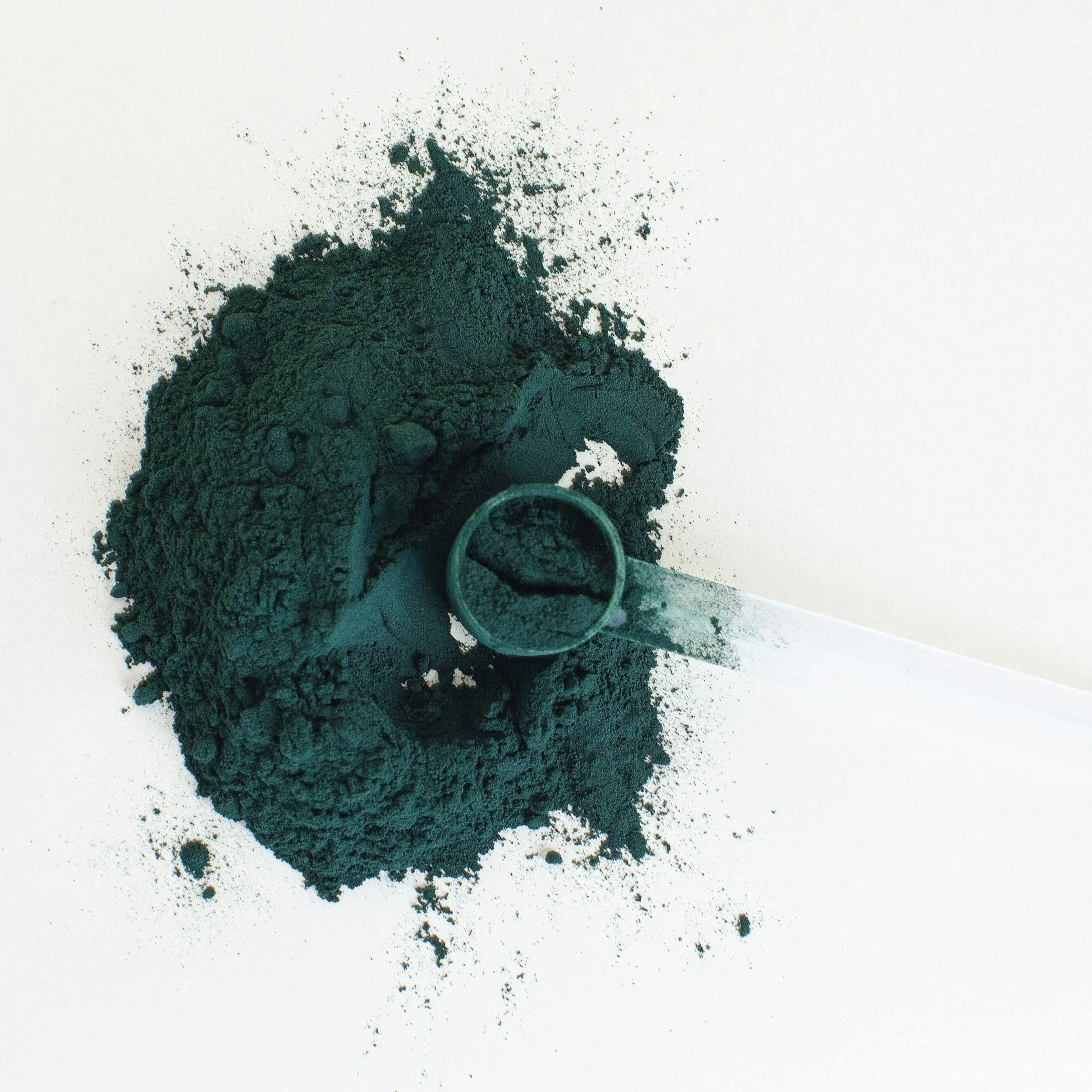
Chlorella is the most commonly cited binder in that pairing. A 2025 study in Wistar rats reported that Chlorella vulgaris supplementation was associated with reduced lead accumulation in the brain, liver, kidney, and blood, along with recovery of memory function in animals previously exposed to lead. The proposed mechanism involves carboxyl, amino, and hydroxyl groups on the chlorella cell wall that can bind divalent metal cations in the digestive tract.
Sourcing of algae products is a whole topic on its own, and maybe deserves its own article. Because chlorella and other algae are biosorbents by design, they soak up whatever is in the water they grow in. A analysis of 52 commercial spirulina and chlorella products found heavy metals and pharmaceutical residues in both conventional and organic samples, with no meaningful difference between the two categories. The pharmaceutical residues in particular trace back largely to human urine and feces moving through municipal wastewater systems that were never designed to remove drug compounds. Treated effluent gets discharged into rivers and lakes, which flow downstream into the water supplies of communities further along. Caffeine and carbamazepine (an anticonvulsant that is notoriously resistant to standard water treatment) were the most frequently detected residues in the study, which is the classic chemical signature of treated wastewater in the environment. Pharmaceutical manufacturing pollution near API production facilities in India and China, veterinary antibiotics and hormones running off from CAFOs and aquaculture, and improperly disposed medications all add to the load, but the slow downstream movement of treated human waste is the dominant pathway.
Tamara Rubin at Lead Safe Mama has independently tested numerous seaweed and algae products and documented unsafe levels of lead, cadmium, arsenic, and mercury in many of them, including widely sold nori snacks and kelp powders. Brands that publish current third-party ICP-MS results on a per-lot basis are the ones worth a closer look.
Horsetail and silica
Silica has been studied for its interaction with aluminum in the body. Silicon in the form of silicic acid appears to bind aluminum and support its excretion through urine, a line of research most closely associated with Dr. Christopher Exley's lab at Keele University. In a 12-week clinical trial, participants drinking up to one liter of silicon-rich mineral water daily showed significant increases in urinary aluminum excretion, with no concurrent loss of iron or copper. A follow-up study in secondary progressive multiple sclerosis reported similar findings, with treated patients excreting more than twice the baseline amount of aluminum.
This is the research backdrop for the popular online recommendation to drink Fiji water for its silica content. Fiji is in fact silicon-rich, but Oasis, the independent contaminant testing app, has flagged Fiji samples for contaminants in its lab reports, and the product is sold exclusively in single-use plastic packaging, which brings phthalates and microplastics into the picture.
Horsetail (Equisetum arvense) is the herbal source of silica with the longest traditional use. Up to 25 percent of its dry weight is silica, delivered in the bioavailable form of orthosilicic acid through gentle infusion. Traditional preparations include long overnight cold infusions, well strained to remove the plant's fine silica particles. Horsetail also has documented mild diuretic activity, which is consistent with the urinary-excretion mechanism described in the Exley research. Wild-harvested horsetail is best gathered well away from roadsides and industrial land, since the plant accumulates whatever is present in the soil where it grows.
The bigger picture
What stands out about the Fort Smith spill, at least for me, is the context rather than the event. Yes there was this spill, but most of us are already being exposed to this compound daily via our water supply. Aluminum sulfate has been part of conventional water treatment process for over a century, with very little public conversation about what cumulative lifetime intake actually means. Filtering tap water, choosing protein from farms whose practices are visible to the consumer if you’re able to, and being thoughtful about supplement sourcing are the kinds of slow, ordinary choices that compound over time.
Nothing in this article is medical advice. It is just my reading as an herbalist, of the published research, offered as an invitation to ask better questions about the small, daily exposures most of us are absorbing without our notice.