
Homemade Rose Marshmallows Recipe + Rose Herbal Monograph

I love making these marshmallows, they taste even better than your normal store-bought ones and really don’t take too long to make — plus you can make them with nourishing ingredients like grass-fed/finished beef gelatin and an organic sweetener. This recipe incorporates rose petals and is a nice switch up from just plain vanilla. I made these for a valentines day party this past weekend, and they were definitely a hit!
This batch makes a good amount of marshmallows, I would guess it’s approximately similar to a normal sized bag from the store.
Homemade Rose
Marshmallows Recipe
with maple syrup or cane sugar
Ingredients:
3 tablespoons unflavored gelatin (or 3 packets)
1 cup filtered water
5 grams dried organic rose petals (support us by using my link to shop Mountain Rose Herbs. We earn a small commission for each purchase at no additional cost to you).
1½ cups cane sugar
¼ teaspoon sea salt (I used Redmonds brand)
1 tablespoon vanilla extract (optional)
Optional: ¼ cup powdered sugar + 2 tablespoons arrowroot starch or cornstarch for dusting (these two taste identical, but arrowroot is my preference because corn is often contaminated with mold)
Instructions:
Make your rose petal tea:
Heat the full 1 cup of water until almost boiling, then remove from heat and steep the rose petals in the water for 10 min, covered to retain the essential oils. Strain out the petals.
Set aside half of the rose petal tea (1/2 cup) for making the syrup. Put the other half of the rose petal tea in the fridge or freezer to cool down to at least room temperature (ideally cold, but room temp will work).
Bloom the gelatin:
After cooling off to at least room temp, add your rose petal tea to your stand mixer or large mixing bowl, then sprinkle in the gelatin powder. You can whisk lightly to combine, then let it sit and bloom for 10 minutes.Make the sugar syrup:
While your gelatin is blooming, in a medium saucepan, combine the cane sugar, ½ cup rose petal tea, and salt. Stir to dissolve, then heat over medium-high heat.Without stirring, bring the mixture to a boil.
Let it cook until it reaches 240°F (soft ball stage) on a candy thermometer. This usually takes 8–10 minutes. I use my meat thermometer, and it works just as well.
Prepare your marshmallow pan: While your sugar syrup is heating up, line an 8x8 or 9x13 pan with wax paper and lightly oil it so that your marshmallows don’t stick.
Whip the gelatin:
With the mixer on low speed, carefully pour the hot syrup into the gelatin mixture.
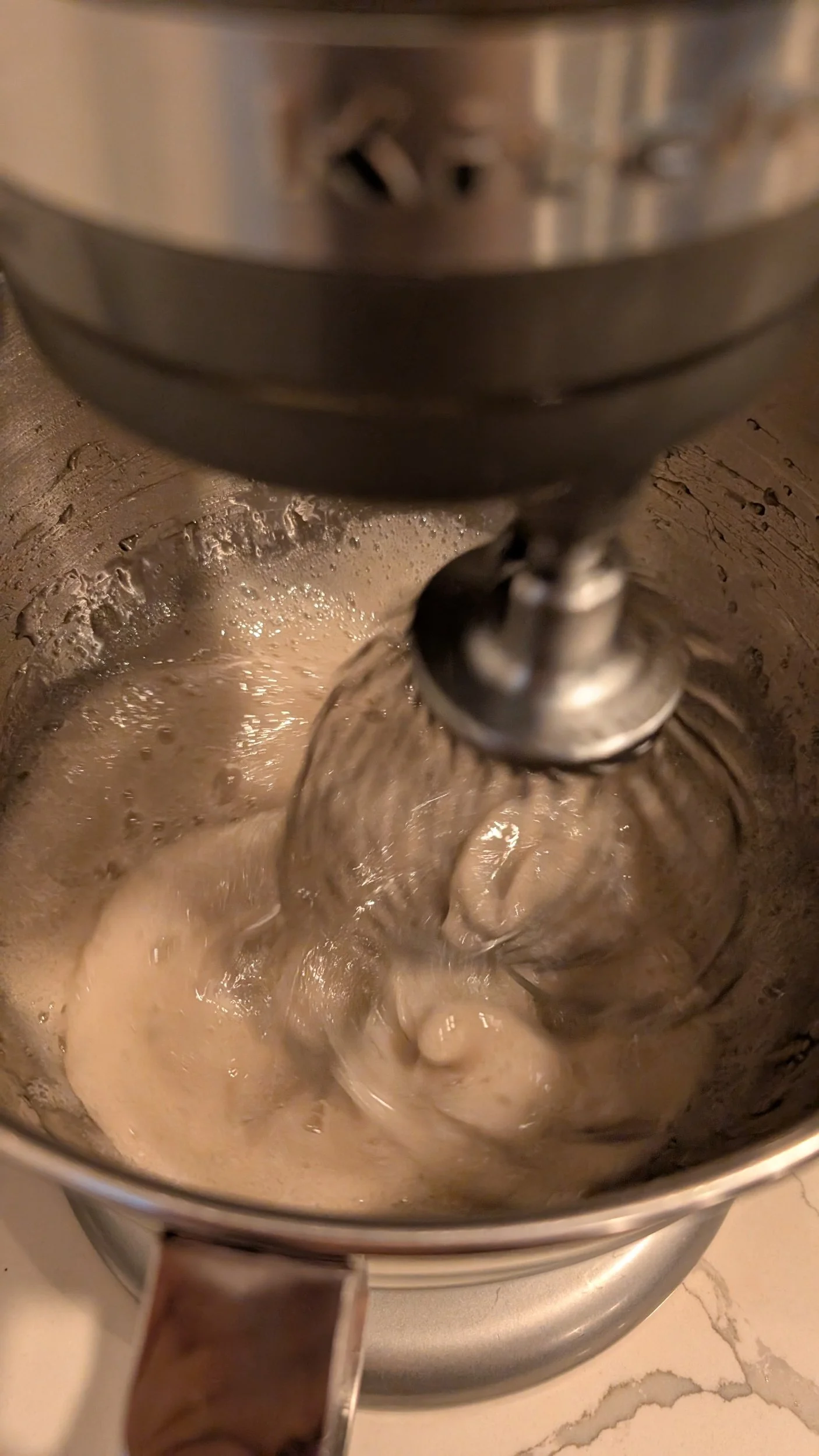
Once all the syrup is in, increase the speed to high and beat for 10–15 minutes, until the mixture is white, glossy, and tripled in volume.
Add vanilla extract during the last minute of mixing.
Set the marshmallows:
Quickly pour in the marshmallow fluff to your previously prepared pan and spread evenly with a spatula. It can help to also grease your spatula so that it’s easier to spread.
Let it sit uncovered at room temperature for 6–12 hours until fully set.
Cut and coat:
Mix the powdered sugar and starch in a small bowl.
Dust a cutting board with the mixture, turn out the slab, and cut into squares with a greased knife or pizza cutter.
Toss each piece in the dusting mix to prevent sticking.
Marshmallow Photo Gallery



Rose Herbal monograph
Rosa centifolia / Rosa gallica / Rosa canina
Family: Rosaceae | Sanskrit: Shatapatri
Energetics & Actions
- Taste: Sweet, Bitter, Pungent, Sour
- Temperature: Cooling, Mild, Neutral
- Traditional Actions: Nervine, Astringent, Carminative, Aphrodisiac
Key Constituents
- Volatile Oils (Geraniol)
- Tannins & Flavonoids
- Vitamins A, C, & E
- Minerals: Iron, Zinc, Calcium
Traditional Support
- Emotional Balance: Traditionally used to soothe the "emotional heart" and uplift spirits during times of sensitivity or irritability.
- Cycle Support: Helps balance excess heat (Pitta) within the body; often utilized during the latter half of the menstrual cycle.
- Digestive Vitality: Supports healthy fat metabolism and provides a cooling effect for the digestive lining.
- Topical Care: Frequently used as a mist or wash to calm red, sensitive, or weathered skin.
Suggested Application
| Preparation | Suggested Serving |
|---|---|
| Dried Petals | 1–10g daily (as an infusion) |
| Tincture (1:2) | 5–15ml daily |
| Rosewater | 5–50ml daily |


Why Shop At Mountain Rose Herbs?
Even before I became a Mountain Rose Herbs affiliate, they were always my top choice for buying herbs and spices and I know a lot of other herbalists who feel the same way. They remain independently owned (as opposed to being bought out by a large corporation or private equity), and their sourcing/quality standards are unmatched by other suppliers in my experience. I also appreciate that most of their catalogue is organic or wildcrafted with sustainability and environmental impact in mind.
* Affiliate link. By shopping with my link, I may earn a small commission from each purchase that helps cover the costs of running this website. Thank you so much for supporting me! Are Homemade Marshmallows Healthy?
I hope you’ve enjoyed these! Over the years I’ve learned that adding more responsibly raised animal products like grass‑fed, grass‑finished, antibiotic‑free, pasture raised and ideally regenerative meat offers the richest and most bioavailable source of amino acids, which are the raw materials our bodies need to build and repair.
For a long stretch I was vegetarian and mostly avoided red meat. Eventually the nutrients I was missing out on caught up with me: my skin looked bad, I developed gut issues from all the plant-based replacements and phytotoxins, and exercise injuries became more frequent. The turning point wasn’t my health though, it was discovering how many animals are killed in large‑scale vegetable farming. Between chemical pesticides and mechanical harvesting, hundreds of small creatures die per acre; when you run the numbers, a single cow that feeds several families for an entire year costs fewer lives than a field of lettuce.
That realization reshaped my view of “ethical eating.” Today I approach every animal product with deep respect and gratitude, and try to use as much of the animal as possible so that no life goes to waste. It’s a common myth that vegetarian or vegan diets automatically spare animals and the planet, yet the hidden toll of rodent, insect, and habitat loss in monocrop agriculture, chemical contamination from agricultural pesticides, plus the emissions from global shipping routes, often tips the scales the other way.
Regenerative Cattle Farming >>>
Eating locally and seasonally, choosing organic produce, and including nutrient‑dense animal foods from regenerative farms is the way.
Fun fact: Regeneratively-farmed cattle sequester carbon rather than emit it.
I was also concerned about the environment, and had heard that cows emit a lot of methane, which is bad for the ozone layer, but it turns out this is only true of “feed-lot” cattle that are fed a diet of primarily corn and soy. Cows that are fed their natural diet of grass do not do this, and actually sequester carbon into the soil, promoting better soil health and biodiversity—read more about that here.
Featured Products
Everything in my shop is made by me, by hand, using the best ingredients and supplies available.
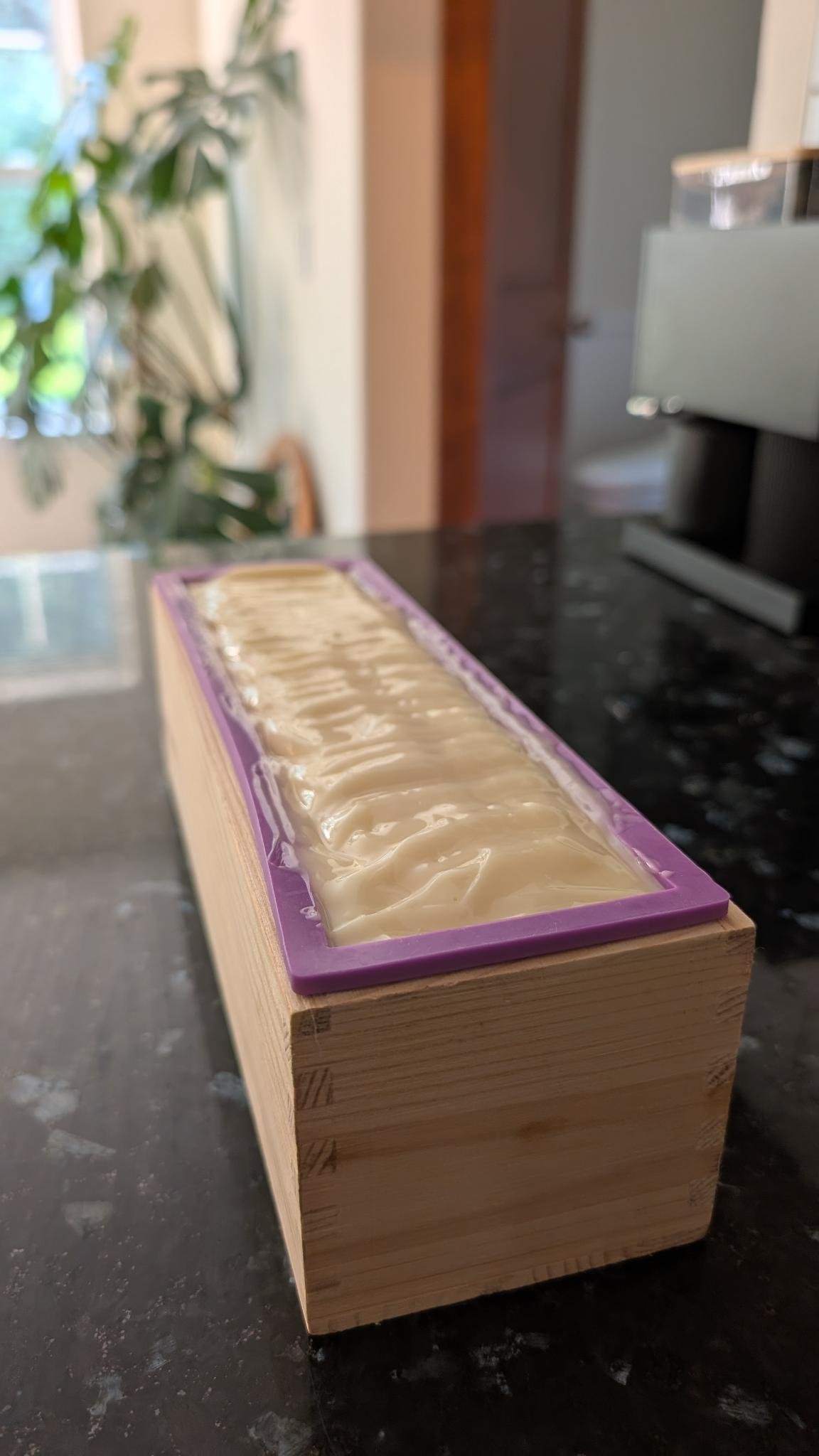



A 37-page lye soap handbook built around one recipe: 90% beef tallow, 10% castor oil, 5% superfat. Exact grams measurements for each ingredient, the chemistry behind saponification, troubleshooting, adding color and scent naturally, and a printable batch log.