Herbal Alternatives to Ozempic: Risks, Lawsuits, and 5 Herbs
Herbal alternatives to Ozempic do not shut off appetite the way a GLP-1 drug does. Berberine and cinnamon improve insulin sensitivity in clinical trials, gurmar blunts sweet cravings, and guarana raises energy expenditure. They work alongside diet changes rather than replacing them, they carry their own cautions for anyone on blood sugar medication, and unlike the injections they do not produce a rebound when you stop. This article covers what the GLP-1 trials found, the risks a prescriber may not mention, the lawsuits now moving through federal court, and how five herbs compare on evidence.
Key Takeaways
- Semaglutide (Ozempic, Wegovy) produced 14.9 percent average weight loss over 68 weeks in its main trial. One year after stopping, participants had regained two thirds of what they lost.
- No long-term human studies exist. The longest trial averaged 34 months on the drug. Nothing has followed patients through five or ten years of use.
- Documented risks include slowed stomach emptying that can progress to gastroparesis or obstruction, loss of lean muscle and bone density, a rare optic nerve stroke (NAION), and a boxed warning for thyroid tumors.
- Thousands of federal lawsuits are consolidated in two multidistrict litigations in Pennsylvania. No case has gone to trial yet.
- Berberine, gurmar, cinnamon, guarana, and chickweed have clinical or traditional support for blood sugar, cravings, or metabolic rate. None of them copies the drug, and the blood sugar herbs should not be combined with a GLP-1 without supervision.
- Unexplained weight gain is a reason to test thyroid function before starting any weight loss drug.
The content in this article is for educational purposes only and is not medical advice, diagnosis, or treatment. Nothing here is a dosing recommendation. Always consult a qualified healthcare provider before starting, stopping, or combining any medication or herb.
How GLP-1 Drugs Work
Evidence: strong. Established pharmacology.
Peptides are short chains of amino acids, usually between 2 and 50, that carry signals between cells. Your body makes thousands of them, and insulin is the most familiar example. Semaglutide is a synthetic peptide built to mimic glucagon-like peptide-1, a hormone your gut releases after a meal. It binds GLP-1 receptors in the pancreas, gut, and brain, which raises insulin output, slows stomach emptying, and reduces appetite. Tirzepatide (Mounjaro, Zepbound) acts on GLP-1 receptors and a second gut hormone receptor called GIP.
The "research peptides" sold online, such as BPC-157 and TB-500, are a separate group with almost no human trial data. Their regulatory status is covered in the FAQ.
How Synthetic Peptides Are Made, and What Can Be Left Behind
Most peptide drugs are built by solid-phase synthesis. Amino acids are added one at a time to a chain anchored on a plastic resin, with a wash step between each addition to flush out excess reagents. When the chain is complete it is cut off the resin with a strong acid, usually trifluoroacetic acid, then purified by chromatography. The raw product at that stage contains truncated chains, misfolded variants, oxidized fragments, residual solvents, and trifluoroacetate that has bound to the peptide as a salt.12 Trifluoroacetate in particular carries through to the finished powder unless it is deliberately exchanged out, and it is known to alter how peptides behave in biological tests.13
Licensed manufacturers are required to identify every one of these impurities, set limits, and show they do not trigger an immune response.14 Grey market vendors selling "research use only" vials from overseas are held to none of that. What arrives may contain the right molecule at the wrong concentration, fragments the body has never seen, or acid and solvent residues, and you are injecting all of it. Over months of use the immune system has ample time to respond to a foreign protein fragment, and nobody has studied what that response looks like for these products.
What Informed Consent Means Here
Evidence: strong. US case law.
In the United States, the duty to disclose the material risks of a treatment and its alternatives before a patient agrees to it comes from case law, most often traced to Canterbury v. Spence in 1972. The Nuremberg Code of 1947 set the earlier standard for research on humans. The full prescribing document for Wegovy runs to dozens of pages, and a 15 minute appointment cannot cover it. The sections below are what I would want a patient to have read before the first injection.
What the Trials Showed, and What They Did Not
Evidence: strong. Randomized trials funded by the manufacturer.
The main Wegovy trial, STEP 1, enrolled 1,961 adults without diabetes for 68 weeks. People on semaglutide 2.4 mg lost 14.9 percent of body weight versus 2.4 percent on placebo.1 The longest study to date is SELECT, which followed 17,604 adults with existing heart disease, with an average of 34 months on the drug. Semaglutide lowered the rate of heart attack, stroke, and cardiovascular death from 8.0 to 6.5 percent. In the same trial, 16.6 percent of people on the drug stopped because of side effects, compared with 8.2 percent on placebo.2
Three limits apply to all of these trials. They excluded people with a history of pancreatitis, prior GLP-1 use, or a family history of medullary thyroid cancer, so the results describe a screened population rather than the general public. About three quarters of STEP 1 participants were White, which limits what we know about side effect rates in other groups. And there are no long-term studies. Under three years is the longest anyone has been followed on these drugs in a controlled trial, and they have only been in wide use for weight loss since 2021. The effects of slowing gastric motility for five or ten years are unknown. In traditional herbal practice, prolonged stagnation of the digestive tract is treated as a problem in itself, which is one reason I watch this drug class closely.
Risks to Ask About Before You Start
Evidence: mixed. Trial data, observational studies, and regulatory findings, labeled by section.
The Weight Comes Back When You Stop
This is the risk most people are not told about. When STEP 1 participants came off semaglutide, they regained two thirds of the lost weight within one year, and their blood pressure and cholesterol improvements reversed along with it.3 The drug suppresses appetite while it is in your system and does nothing to the thyroid function, insulin resistance, stress load, or eating patterns that produced the weight, so those are waiting when it wears off. The practical result is an open-ended prescription. Some clinicians also report patients gaining weight while still on the drug, which is anecdotal but worth knowing.24
Slowed Digestion, Gastroparesis, and Obstruction
Semaglutide slows stomach emptying by design. A 2023 analysis of insurance claims in JAMA found that people taking GLP-1 drugs for weight loss had higher rates of pancreatitis, bowel obstruction, and gastroparesis than people taking bupropion-naltrexone.4 The US Ozempic label added ileus, a form of intestinal blockage, in 2023.5 Whether the drug can cause gastroparesis that persists after stopping is the central scientific question in the litigation below, and it has not been settled.
Loss of Muscle
In the STEP 1 body composition substudy, roughly 40 percent of the total weight lost was lean mass rather than fat.1 For older adults this raises the risk of sarcopenic obesity, where body fat stays high while strength drops. Resistance training and adequate protein are the standard countermeasures, and they should be part of the conversation from day one.
Bone Density
A 2024 randomized trial in Denmark put 195 adults on liraglutide, exercise, both, or placebo for a year after a low calorie diet. Liraglutide alone reduced bone density at the hip and spine compared with exercise alone, despite similar weight loss. Combining the drug with exercise preserved bone.6 Liraglutide is an older GLP-1 drug, and semaglutide has not been tested this way, but the mechanism, rapid weight loss without mechanical loading, applies to both. Asking for a baseline DEXA scan is reasonable.
NAION, an Optic Nerve Stroke
Non-arteritic anterior ischemic optic neuropathy cuts off blood flow to the optic nerve and causes sudden, painless vision loss, usually in one eye. The vision rarely returns. A 2024 study from Massachusetts Eye and Ear found a 4.3 times higher risk in diabetic patients prescribed semaglutide and a 7.6 times higher risk in overweight patients, though the authors cautioned that an observational study cannot prove cause.7 In June 2025 the European Medicines Agency concluded NAION is a very rare side effect of semaglutide, affecting up to 1 in 10,000 users, and added it to EU product labels.8 The UK regulator issued its own warning in February 2026.9 As of mid 2026 the US prescribing information still does not list NAION. Any sudden change in vision on these drugs needs a same day eye exam.
Boxed Warning for Thyroid Tumors
A boxed warning, often called a black box warning, is the strongest warning the FDA requires on a prescription drug. It is printed inside a black border at the very top of the label and is reserved for risks that can cause serious injury or death. Ozempic, Wegovy, Mounjaro, and Zepbound all carry one for thyroid C-cell tumors, because rodents given these drugs developed them. Whether the same happens in humans is unknown, which is why the drugs are contraindicated for anyone with a personal or family history of medullary thyroid carcinoma or MEN 2 syndrome.5 Ask about your family history before the prescription is written, not after.
The Lawsuits
Evidence: strong. Federal court records and the Judicial Panel on Multidistrict Litigation.
These are not class actions. They are multidistrict litigations, which means thousands of individual cases are consolidated before one judge for pretrial work. Both are in the Eastern District of Pennsylvania before Judge Karen Spencer Marston.
MDL 3094, created in February 2024, covers gastrointestinal injuries: gastroparesis, ileus, and bowel obstruction. Plaintiffs allege that Novo Nordisk and Eli Lilly knew the drugs could cause severe and lasting stomach injury and failed to warn.10
MDL 3163, created in December 2025, covers NAION vision loss. The Judicial Panel on Multidistrict Litigation kept it separate from the GI cases because the injury and the expert evidence are different, while noting that some plaintiffs allege both injuries.11
Both litigations are still in discovery and expert challenges as of August 2026. No case has reached a jury. The core claim in both is failure to warn, which is the legal version of the informed consent problem this article is about.
Herbal Alternatives to Ozempic
Evidence: mixed. Small trials, one meta-analysis, and traditional use, labeled per herb.
None of these herbs activates GLP-1 receptors, so none will produce the appetite shutdown of the drug. What they offer is support for the systems that drive weight gain in the first place: insulin resistance, sugar cravings, low metabolic rate, and sluggish digestion. They also do not produce a rebound when you stop them. Where I mention an amount, it is the amount a cited trial administered, not a recommendation. The right preparation and dose depend on your tissue state, your other medications and supplements, and your goals, and that is a practitioner's job to work out with you. The blood sugar herbs require extra care for anyone on diabetes medication.
Berberine
Evidence: moderate. Small RCT and a meta-analysis of limited-quality trials.
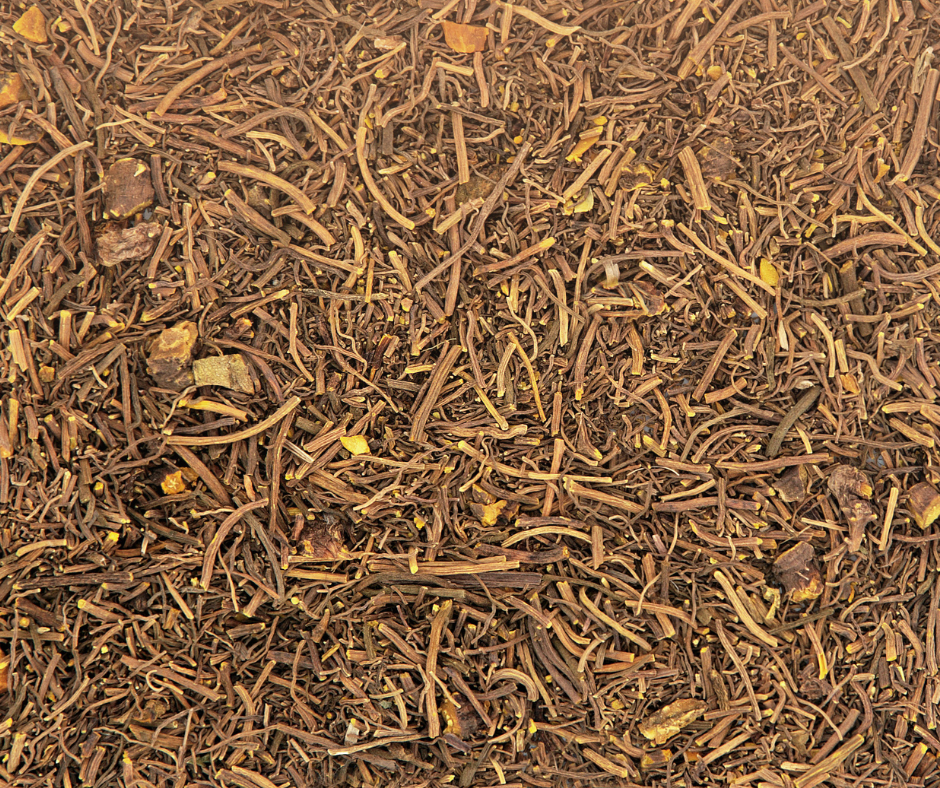
Berberine is a yellow alkaloid found in Oregon grape root, goldenseal, coptis, barberry, and phellodendron. It activates AMPK, an enzyme that shifts cells toward burning stored fuel. In a 2008 pilot trial, 36 adults with new type 2 diabetes took either berberine or metformin for three months, and the two groups saw similar drops in A1c and fasting glucose. The trial used 500 mg of berberine three times daily.15 A meta-analysis of 27 trials with 2,569 patients found berberine lowered fasting glucose, A1c, and LDL cholesterol with no serious adverse events, while noting that the trial quality was limited.16 Direct evidence for weight loss is thinner and comes from small studies.
Most supplements are made from Oregon grape root, since goldenseal is expensive and threatened by overharvesting. If you choose goldenseal, buy cultivated. Berberine is intensely bitter, so capsules are the usual form, though the bitterness itself stimulates digestive secretions and some practitioners use the tincture for that reason. Oral absorption is poor. Reports that berberine spares beneficial gut flora while suppressing pathogens come mostly from animal work.
Cautions: do not combine with insulin or oral diabetes drugs without supervision, since blood sugar can drop too far. Berberine inhibits liver enzymes that metabolize many drugs, so check with a pharmacist if you take blood thinners, immunosuppressants, or anything with a narrow safety margin. Avoid in pregnancy, breastfeeding, and infants.
Gurmar (Gymnema sylvestre)
Evidence: weak to moderate. Two small 1990 trials from one group, plus long traditional use.
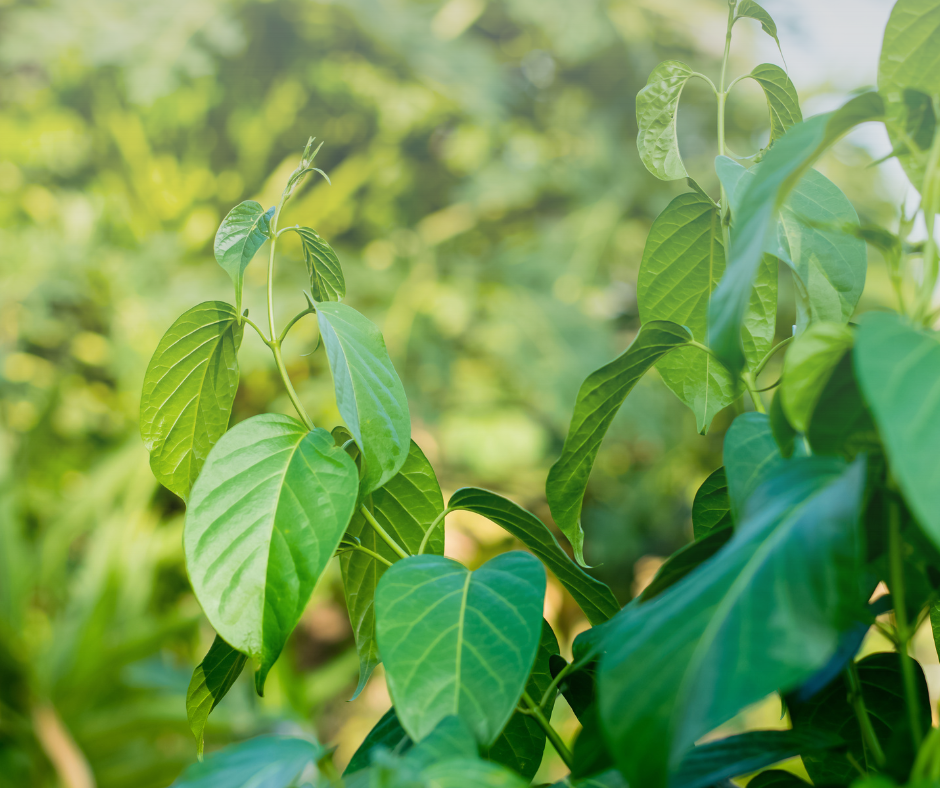
Gurmar means "destroyer of sugar" in Hindi, and Ayurveda has used the leaf for diabetes and obesity for centuries. Its gymnemic acids bind sweet taste receptors on the tongue and block the taste of sugar for about an hour, which makes sweet food unappealing. The leaf must contact the tongue for this to work, so a tea or a capsule opened onto the tongue works and a swallowed capsule does not. (A separate compound in the leaf, gurmarin, suppresses sweet taste in rats but has little effect in humans.)
Two trials from 1990 gave diabetic patients a standardized extract called GS4 at 400 mg per day. In 22 people with type 2 diabetes, glucose and A1c fell over 18 to 20 months and five were able to stop their oral medication.17 In 27 people with type 1 diabetes, insulin requirements dropped.18 Both came from one research group and have not been replicated at scale.
Cautions: do not use with hypoglycemia. Anyone on diabetes medication needs to monitor glucose closely. Use caution with heart conditions, since gurmar has a mild cardiac stimulant effect in traditional accounts.
Cinnamon Bark (Cinnamomum cassia)
Evidence: mixed. One positive small RCT, later trials inconsistent.
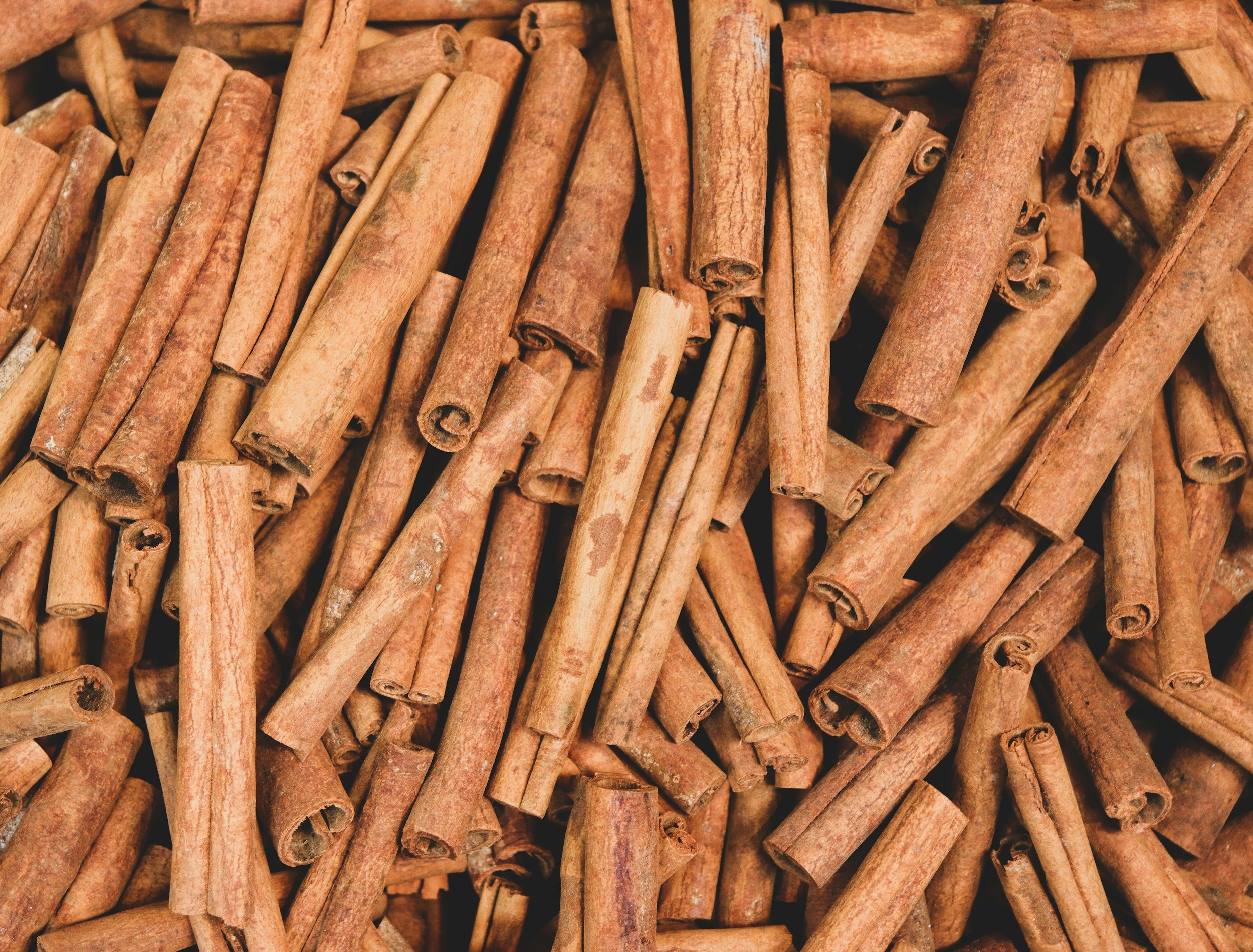
In a 2003 trial, 60 adults with type 2 diabetes took cassia cinnamon for 40 days, at 1, 3, or 6 grams daily depending on group. All three groups saw fasting glucose drop by 18 to 29 percent, along with lower triglycerides and LDL.19 Later trials have been mixed, with several finding smaller or no effects. Cinnamon appears to improve how cells respond to insulin and to slow carbohydrate breakdown after meals. It is also a warming carminative that eases bloating.
Cassia (Chinese cinnamon) is the species in most blood sugar research. Saigon cinnamon is a third species, Cinnamomum loureiroi, and Ceylon (Cinnamomum verum) is milder with less research behind it. Cassia contains far more coumarin, which stresses the liver at therapeutic amounts over long periods, so Ceylon is the usual choice for daily use beyond a culinary sprinkle. In 2024 the FDA issued alerts for ground cinnamon products contaminated with lead, so buy from a supplier that publishes heavy metal testing.20 My full cinnamon monograph covers preparation and sourcing in depth.
Cautions: do not combine therapeutic amounts with diabetes medication without supervision. Avoid large amounts in pregnancy. Anyone with liver disease should use Ceylon or skip it.
Guarana (Paullinia cupana)
Evidence: weak to moderate. Small human trials and traditional use.
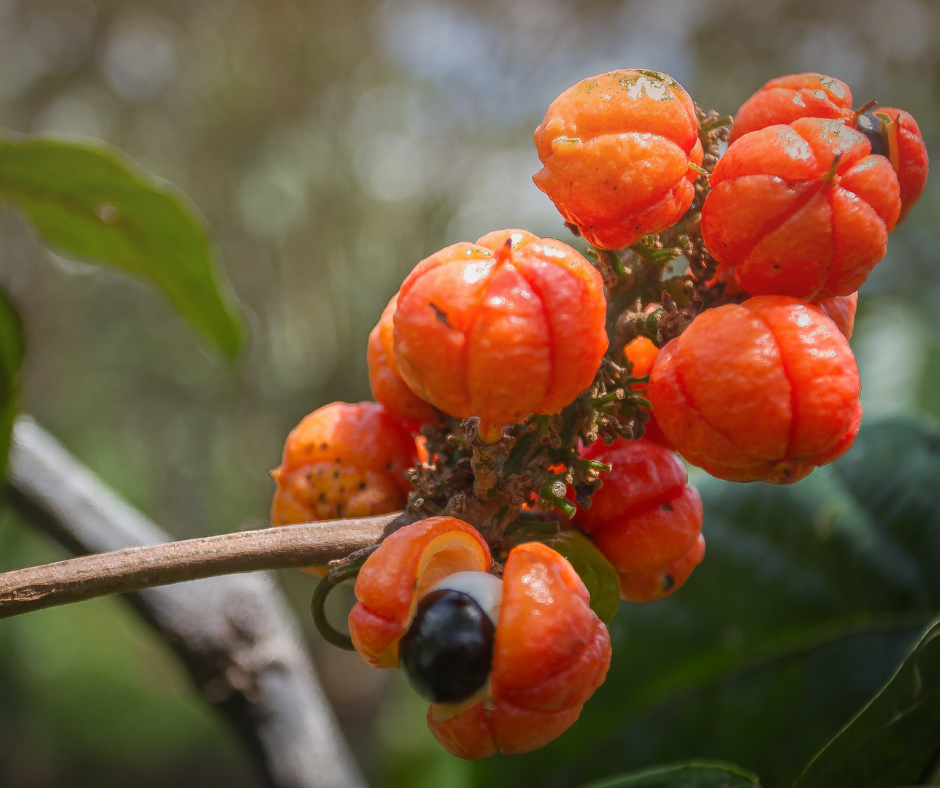
Guarana is an Amazonian vine whose seeds hold roughly 2 to 6 percent caffeine by weight, against 1 to 2 percent in coffee beans. Indigenous Brazilian communities have used it for endurance and appetite control for centuries. Caffeine raises energy expenditure and modestly suppresses appetite, and guarana also contains theobromine and theophylline.21 Users often describe a slower, longer release of energy than coffee, attributed to the seed's tannins, but this has not been tested directly.
Whole seed powder or a standardized extract is preferable to energy drinks, which add sugar and synthetic stimulants.
Cautions: avoid with anxiety disorders, high blood pressure, arrhythmias, or caffeine sensitivity. Do not stack with coffee or other stimulants. Taken late in the day it will disrupt sleep. Avoid in pregnancy and breastfeeding. Check with a pharmacist if you take MAOIs or blood thinners.

Chickweed (Stellaria media)
Evidence: traditional use only. No human trials for weight.
Chickweed is a cooling, moistening herb that Western herbalists have long included in weight formulas, mainly for its mild diuretic and lymphatic action and its saponin content. The saponin theory, that it helps mobilize stored fat, is a traditional explanation without human trial support. What chickweed does offer with certainty is nutrition: vitamins A and C plus iron, calcium, potassium, and zinc, in a plant that grows in nearly every temperate yard. It is gentle enough for long term use.
Eat it fresh in salads, cook it as a pot herb, or take it as an infusion or tincture. Harvest away from sprayed lawns and roadsides.
Cautions: avoid with known allergy to the pink family (Caryophyllaceae). Check with a practitioner during pregnancy and breastfeeding.
Rule Out a Thyroid Problem First
Evidence: strong for thyroid's role in metabolic rate. Practitioner experience on testing gaps.
If you eat well, move regularly, and still cannot lose weight, test your thyroid before considering a GLP-1. The thyroid sets your metabolic rate, and an underactive gland slows it. Standard panels often stop at TSH, and lab ranges are wide enough that people with clear symptoms can test "normal." I cover which tests to ask for and how to use the Broda Barnes basal temperature method at home in High Cholesterol? Check Thyroid Levels and How Hypothyroidism Sabotages Weight Loss. Insulin resistance is the other common driver, and Blood Sugar Control walks through it.
Frequently Asked Questions
Can you stop Ozempic or Wegovy once you have lost the weight?
You can, but the trial data says most of the weight comes back. STEP 1 participants regained two thirds of their loss within a year of stopping, and their blood pressure and lipid improvements reversed along with it.3 Plan for that before the first dose, not after.
Are research peptides like BPC-157 and TB-500 safe?
Nobody knows, because the human data barely exists. BPC-157 is a 15 amino acid fragment of a stomach protein studied mainly in rodents for gut and tendon healing. TB-500 is a synthetic fragment of thymosin beta-4. In 2023 the FDA placed both on its Category 2 list, which blocked compounding pharmacies from making them, citing immunogenicity risk and manufacturing impurities. In April 2026 the FDA removed twelve peptides, including these two, from that list after their nominations were withdrawn, and its Pharmacy Compounding Advisory Committee reviewed them on July 23, 2026. Removal from Category 2 did not approve them for anything; they are under review.22 Both remain unapproved for human use and both are banned by the World Anti-Doping Agency.23 These are novel compounds. No human trial has followed anyone on them for five years, and the products sold as "research chemicals" have no purity oversight at all, which matters for the reasons covered in the manufacturing section above.
Do GLP-1 drugs interact with herbs?
Yes, in two ways. Slowed stomach emptying changes how fast anything taken by mouth is absorbed, including herbs and other prescriptions. And berberine, gurmar, and cinnamon all lower blood sugar, so combining them with a GLP-1 can push glucose too low. Tell your prescriber about every herb you take, and tell your herbalist about the GLP-1.
What is Ozempic face?
It is the gaunt, hollowed look that follows rapid loss of facial fat, made worse by the muscle loss discussed above. Any fast weight loss can cause it. GLP-1 drugs produce it more often because the loss is fast and large.
Can you take GLP-1 drugs while pregnant or breastfeeding?
No. Animal studies showed fetal harm, and the Wegovy label advises stopping at least two months before a planned pregnancy.25 Research peptides have no pregnancy data and should be avoided entirely. Weight loss of any kind is not a goal during pregnancy or breastfeeding, and many herbs, including most on this page, pass to the baby.
Sources
- Wilding JPH, et al. Once-weekly semaglutide in adults with overweight or obesity (STEP 1). N Engl J Med. 2021;384:989-1002. doi:10.1056/NEJMoa2032183. Manufacturer-funded RCT.
- Lincoff AM, et al. Semaglutide and cardiovascular outcomes in obesity without diabetes (SELECT). N Engl J Med. 2023;389:2221-2232. doi:10.1056/NEJMoa2307563. Manufacturer-funded RCT.
- Wilding JPH, et al. Weight regain and cardiometabolic effects after withdrawal of semaglutide: the STEP 1 trial extension. Diabetes Obes Metab. 2022;24:1553-1564. doi:10.1111/dom.14725. Manufacturer-funded.
- Sodhi M, et al. Risk of gastrointestinal adverse events associated with GLP-1 receptor agonists for weight loss. JAMA. 2023;330:1795-1797. doi:10.1001/jama.2023.19574. Independent observational study.
- Novo Nordisk. Ozempic (semaglutide) prescribing information. novo-pi.com/ozempic.pdf. Manufacturer document, FDA-approved label.
- Jensen SBK, et al. Bone health after exercise alone, GLP-1 receptor agonist treatment, or combination treatment. JAMA Netw Open. 2024;7:e2416775. doi:10.1001/jamanetworkopen.2024.16775. Independent RCT.
- Hathaway JT, et al. Risk of nonarteritic anterior ischemic optic neuropathy in patients prescribed semaglutide. JAMA Ophthalmol. 2024;142:732-739. doi:10.1001/jamaophthalmol.2024.2296. Independent observational study.
- European Medicines Agency. PRAC concludes eye condition NAION is a very rare side effect of semaglutide medicines. June 2025. ema.europa.eu. Regulatory finding.
- MHRA. Drug Safety Update: semaglutide and risk of NAION. 5 February 2026. gov.uk. Regulatory finding.
- US District Court, Eastern District of Pennsylvania. MDL 3163 and MDL 3094, In re GLP-1 Receptor Agonists Products Liability Litigation. paed.uscourts.gov. Primary court record.
- US Judicial Panel on Multidistrict Litigation. Transfer Order, MDL No. 3163. December 2025. jpml.uscourts.gov. Primary court record.
- D'Hondt M, et al. Related impurities in peptide medicines. J Pharm Biomed Anal. 2014;101:2-30. doi:10.1016/j.jpba.2014.06.012. Peer-reviewed review.
- Towards a consensus for the analysis and exchange of TFA as a counterion in synthetic peptides and its influence on membrane permeation. 2025. PMC12389442. Peer-reviewed study.
- US Food and Drug Administration. ANDAs for certain highly purified synthetic peptide drug products that refer to listed drugs of rDNA origin. Guidance for industry, 2021. fda.gov. Regulatory guidance.
- Yin J, Xing H, Ye J. Efficacy of berberine in patients with type 2 diabetes mellitus. Metabolism. 2008;57:712-717. doi:10.1016/j.metabol.2008.01.013. Small pilot RCT.
- Lan J, et al. Meta-analysis of the effect and safety of berberine in the treatment of type 2 diabetes mellitus, hyperlipemia and hypertension. J Ethnopharmacol. 2015;161:69-81. doi:10.1016/j.jep.2014.09.049. Meta-analysis; authors note limited trial quality.
- Baskaran K, et al. Antidiabetic effect of a leaf extract from Gymnema sylvestre in non-insulin-dependent diabetes mellitus patients. J Ethnopharmacol. 1990;30:295-300. doi:10.1016/0378-8741(90)90108-6. Small trial, unreplicated.
- Shanmugasundaram ER, et al. Use of Gymnema sylvestre leaf extract in the control of blood glucose in insulin-dependent diabetes mellitus. J Ethnopharmacol. 1990;30:281-294. doi:10.1016/0378-8741(90)90107-5. Small trial, unreplicated.
- Khan A, et al. Cinnamon improves glucose and lipids of people with type 2 diabetes. Diabetes Care. 2003;26:3215-3218. doi:10.2337/diacare.26.12.3215. Small RCT.
- US Food and Drug Administration. FDA alert concerning certain cinnamon products due to presence of elevated levels of lead. 2024. fda.gov. Regulatory alert.
- Guarana and energy expenditure. PMC5852741. Peer-reviewed; verify before publishing.
- US Food and Drug Administration. July 23-24, 2026 meeting of the Pharmacy Compounding Advisory Committee. fda.gov. Primary regulatory record.
- World Anti-Doping Agency. Prohibited List, section S0, non-approved substances. wada-ama.org.
- Dr. Tro Kalayjian (@DoctorTro). Clinician report of weight gain on GLP-1 medications. X, December 8, 2025. twitter.com. Firsthand clinical observation, anecdotal.
- Novo Nordisk. Wegovy (semaglutide) prescribing information. novo-pi.com/wegovy.pdf. Manufacturer document, FDA-approved label.