Natural Tick Repellent for Humans: What Actually Works (And Why Permethrin and DEET Aren't It)
The most effective natural tick repellents in published research are oil of lemon eucalyptus (and its refined form PMD), rose geranium oil rich in geraniol, cedarwood oil with cedrol, neem oil, and clove oil with eugenol. Each has peer-reviewed studies showing meaningful tick-repellent or tick-killing activity, and several test favorably against the deer tick (Ixodes scapularis) that transmits Lyme disease. They generally require more frequent reapplication than DEET, which is the honest trade-off worth understanding rather than ignoring.
Key Takeaways
- Several plant compounds have meaningful peer-reviewed research behind their tick-repellent properties, with oil of lemon eucalyptus (PMD), rose geranium (geraniol), cedarwood (cedrol), neem, and clove (eugenol) being the most studied.
- DEET has been shown in published research to inhibit cholinesterase activity in mammalian as well as insect nervous systems, and pyrethroid exposure has been associated with increased all-cause and cardiovascular mortality in a large US population study.
- Permethrin is severely toxic to cats, who lack the metabolic pathway to detoxify it. If you live with cats, this matters.
- Essential oils are not automatically safe. Some have demonstrated endocrine-disrupting activity in published research, and reapplication frequency on skin matters. Use thoughtfully and at appropriate dilutions.
- The old-school sulfur sock trick (dusting clothing and shoes with powdered sulfur from a knotted sock) is one of the cheapest and least toxic tick deterrents available, recognized as effective by Texas A&M AgriLife Extension entomologists.
- The strongest tick prevention strategy is layered: plant-based repellents plus light-colored clothing, post-outing skin checks, hot-dryer cycles for outdoor clothes, and yard management.
A note before we begin: Nothing in this article is medical advice, and nothing here is intended to diagnose, treat, prevent, or cure any disease. I am a clinical herbalist sharing information about plants, traditional use, and published research. Lyme disease and other tick-borne illnesses are serious. If you are concerned about exposure or are experiencing symptoms, please work with a practitioner you trust.
Why Are Ticks Attracted to Humans?
Ticks are attracted to humans by a small set of body signals: carbon dioxide from exhalation, body heat, ammonia and lactic acid from sweat, and other skin volatiles. They detect these cues through Haller's organ, a sensory pit on their front legs. Effective natural repellents work by masking those signals or by introducing volatile compounds that disrupt them.
Ticks are obligate blood-feeders. They have co-evolved with mammals over hundreds of millions of years, and almost everything about their biology is built to find and latch onto a warm body. They do not drop from trees, despite the persistent campfire myth. They climb to the tip of a grass blade or low shrub, extend their front legs, and wait. Entomologists call this "questing."
From an evolutionary biology perspective, our goal with any repellent strategy is to interfere with this signaling system. Aromatic plants have evolved similar volatile chemistry to deter the insects and arthropods that would otherwise eat them. We are essentially borrowing a defense system that plants developed long before pharmaceutical companies existed. This is why traditional medicine systems converged on similar aromatic plants for insect deterrence across vastly different cultures and continents.
There is a real environmental piece to this as well. A 2017 study in PLoS ONE showed that Ixodes scapularis tick mortality is strongly tied to humidity, with ticks dying faster under drier conditions. This is part of why dry, sunny yard zones with minimal leaf litter are inhospitable to ticks while shaded, damp woodland edges support thriving populations.
Are DEET and Permethrin Safe? What the Research Actually Shows
DEET and permethrin are effective at repelling and killing ticks, but both carry documented concerns in published research. DEET inhibits cholinesterase activity in mammalian as well as insect nervous systems. Pyrethroid exposure has been associated with increased mortality in a large US population study. Permethrin is severely toxic to cats. These are real trade-offs worth understanding before reaching for the spray bottle.
DEET: The Cholinesterase Question
DEET (N,N-diethyl-m-toluamide) was developed by the US Army after World War II. It is the most widely used insect repellent globally, with an estimated 200 million people using it each year. For decades, the official narrative was that DEET worked purely by interfering with insect olfaction and had essentially no mammalian biological activity at consumer concentrations.
That story shifted in 2009. A study published in BMC Biology by Corbel and colleagues demonstrated that DEET inhibits cholinesterase activity in both insect and mammalian neuronal preparations, and that DEET strengthens the toxicity of carbamate insecticides through this shared mechanism. Cholinesterase is the enzyme that breaks down acetylcholine, a major neurotransmitter. Its inhibition is the same mechanism by which organophosphate nerve agents and certain pesticides exert their toxicity.
Earlier work pointed in a similar direction. A 1996 study in Fundamental and Applied Toxicology by Abou-Donia and colleagues at Duke University showed that concurrent exposure to DEET with pyridostigmine bromide and the insecticide chlorpyrifos produced greater neurotoxicity than any agent alone, with significant neurological and neuropathological alterations in test animals. This work emerged from research into Gulf War veteran exposures and helped reframe DEET as something other than biologically inert.
DEET also readily dissolves certain plastics and synthetic fabrics on contact, which is worth a moment of reflection regarding what it does to the lipid bilayers of human skin cells. Lower concentrations (10 to 20 percent) appear to be a more measured option than the 98-percent formulations marketed for jungle conditions, if a person chooses DEET.
Permethrin: Cardiovascular Mortality and Cat Toxicity
Permethrin is a synthetic pyrethroid, meaning a lab-modified version of pyrethrum, the natural insecticide produced by certain chrysanthemum species. The synthetic modification makes it considerably more stable, longer-acting, and more toxic to non-target species. Permethrin works by holding open sodium channels in nerve cells, causing repeated firing and paralysis. It is intended for clothing and gear only, never skin.
The longer-term human health picture is where the conversation gets interesting. A 2020 cohort study in JAMA Internal Medicine analyzing 2,116 US adults from the National Health and Nutrition Examination Survey found that participants in the highest tertile of urinary pyrethroid metabolites had a 56 percent increased risk of all-cause mortality and a three-fold increased risk of cardiovascular disease mortality compared to those in the lowest tertile, after adjusting for confounders. That is one of the larger and better-designed human studies on pyrethroid exposure, and it is not the kind of finding that gets adequate airtime in mainstream pest control conversations.
The piece almost no one mentions: permethrin is severely toxic to cats. A retrospective study in the Australian Veterinary Journal of 20 cats with permethrin toxicity documented seizures, muscle fasciculations, and tremors as the characteristic clinical signs, with one fatality in a kitten where treatment was delayed. Cats lack the glucuronidation pathway that other mammals use to metabolize pyrethroids. Even residual permethrin on treated clothing in close contact with a cat is a meaningful concern. Veterinarian Dr. Karen Becker has been one of the clearer voices on this in the holistic veterinary community for years. If you share a home with cats, permethrin really should be off the table.
Permethrin is also acutely toxic to bees, fish, and aquatic invertebrates, which is worth considering if you live near water, keep a garden, or care about pollinators.
What Do Traditional Healing Systems Say About Repelling Ticks?
Traditional healing systems including Ayurveda, Traditional Chinese Medicine, and Western herbalism have used aromatic plants to repel biting arthropods for thousands of years. The plants converged on by different cultures are remarkably similar: neem in Ayurveda, mugwort in TCM, cedar and tansy in Western folk medicine. Modern entomology research has repeatedly validated what these traditions observed.
In Ayurveda, neem (Azadirachta indica) sits at the center of antiparasitic and skin-protective practice. Neem oil has been used for thousands of years as a topical application against everything from mosquitoes to lice to ticks, and neem leaves are still burned in many Indian households during dusk hours when biting insects are most active. Practitioners like Sebastian Pole and KP Khalsa have written extensively about neem's role in both internal and external applications. Tulsi (holy basil) and karpura (camphor) are likewise part of the traditional aromatic toolkit.
In Traditional Chinese Medicine, mugwort (ai ye) has been burned for millennia, both as moxibustion in clinical practice and as a household fumigant during damp seasons when biting insects flourish. The Dragon Boat Festival traditionally involves hanging bundles of mugwort and calamus at doorways for this reason.
In Western herbal tradition, cedar boughs, tansy, pennyroyal, and rue all appear in old household manuals as insect deterrents. Some of these are not safe for modern use (pennyroyal in particular should never be ingested, and even topical application requires real caution), but the underlying observation that volatile aromatic compounds repel biting arthropods has been confirmed repeatedly by modern entomology research. This is one of those cases where ethnobotany got there centuries before peer review.
What Natural Tick Repellents Actually Work?
Five plant-based compounds have the strongest peer-reviewed research as natural tick repellents: oil of lemon eucalyptus and its refined form PMD, rose geranium oil (high in geraniol), cedarwood oil (containing cedrol), neem oil, and clove oil (containing eugenol). Each has been tested against multiple tick species in controlled laboratory or field studies, often against the deer tick that transmits Lyme disease.
Before diving into specific oils, an honest framing: essential oil studies for tick repellency are generally smaller in scale than pharmaceutical research, often conducted in laboratory rather than field settings, and the duration of effect is shorter than for synthetic chemistry. That said, several plant compounds have accumulated enough quality evidence to take seriously.
Oil of Lemon Eucalyptus and PMD
Oil of lemon eucalyptus (OLE) and its refined active compound PMD (para-menthane-3,8-diol) are the most well-documented natural tick repellents in published research, with effect duration measured in hours. PMD is derived from the essential oil of the lemon eucalyptus tree (Corymbia citriodora).
A 2009 study in Experimental and Applied Acarology found that PMD demonstrated significant acaricidal toxicity against nymphs of Ixodes ricinus, the European cousin of the American deer tick, with mortality increasing in a dose-dependent manner. A 2013 literature review in Travel Medicine and Infectious Disease evaluating multiple repellents against the four major Ixodes species confirmed PMD as providing comparable protection to commercial DEET and icaridin formulations.
One distinction worth knowing: the unrefined oil of lemon eucalyptus essential oil is not the same as PMD-based commercial repellents. The unrefined oil is gentler but shorter-acting. PMD-based products are EPA-registered repellents and are not recommended for children under three.
Find oil of lemon eucalyptus here: [AFFILIATE LINK PLACEHOLDER]
Find a PMD-based natural repellent here: [AFFILIATE LINK PLACEHOLDER]
Rose Geranium Oil and Geraniol
Rose geranium essential oil (Pelargonium graveolens) and its primary repellent compound geraniol have specifically been studied against the deer tick that vectors Lyme disease in the eastern United States. The research is among the more compelling for traditional aromatic essential oils.
A 2013 study in Experimental and Applied Acarology tested a 5-percent geraniol-based repellent against four medically important tick species, including Ixodes scapularis, and reported 95.8 to 100 percent repellency at 2.5 and 3.5 hours after treatment, with effectiveness equal to or better than 15-percent DEET. A 2015 follow-up study in Medical and Veterinary Entomology confirmed similar performance in human field trials, with the 5-percent geraniol formulation showing tick repellency statistically comparable to a 25-percent DEET formulation.
A 2013 study in the Journal of Agricultural and Food Chemistry identified additional compounds within rose geranium oil, including the sesquiterpene alcohol 10-epi-gamma-eudesmol, as having repellent activity comparable to DEET at similar concentrations. Translation: rose geranium oil is not a single-compound story. The whole-plant complexity may actually be contributing to its efficacy.
Find rose geranium essential oil here: [AFFILIATE LINK PLACEHOLDER]
Cedarwood Oil and Cedrol
Cedarwood essential oil, especially varieties high in cedrol, has demonstrated both repellent and lethal activity against ticks in published research, with the added advantage of being one of the lower-irritation essential oils.
A 2014 study in Environmental Entomology by researchers at the USDA Agricultural Research Service found that cedrol from eastern red cedar (Juniperus virginiana) caused dose-dependent mortality in black-legged tick nymphs, with the highest tested dose killing 100 percent of ticks. A 2023 study in Experimental and Applied Acarology testing five plant-derived compounds against cattle fever ticks reported that cedarwood oil produced approximately 90 percent mortality at a 1-percent concentration.
Cedar pairs particularly well with rose geranium in DIY formulations because the two scent profiles balance each other.
Find cedarwood essential oil here: [AFFILIATE LINK PLACEHOLDER]
Neem Oil
Neem oil contains azadirachtin and a constellation of related compounds that disrupt arthropod biology at multiple points. Modern research has examined neem for tick deterrent activity with measurable results, and the Ayurvedic track record stretches back millennia.
A 2006 field study in Experimental and Applied Acarology tested a 70-percent neem oil formulation against questing nymphs of Ixodes ricinus in Sweden, demonstrating significant repellent activity, although decay over time was steeper than for PMD. Neem has a strong, sulfurous scent that some people find off-putting, which is worth knowing before you commit to a bottle. It blends well with more aromatically pleasant oils to soften the scent profile.
Find cold-pressed neem oil here: [AFFILIATE LINK PLACEHOLDER]
Clove Oil and Eugenol
Clove essential oil is rich in eugenol, a phenolic compound with documented acaricidal and repellent activity. Clove's mechanism appears to overlap with conventional cholinesterase-targeting chemistry, but at concentrations that are far less concerning than synthetic alternatives.
A 2023 study in Heliyon found that eugenol, the primary compound in clove oil (97.66 percent of the essential oil tested), produced 99.22 percent acaricide activity at 10 mg/mL and provided up to 6 hours of repellent effect at 5 mg/mL against cattle ticks. Eugenol can be irritating to skin at higher concentrations, so it is best used as a minor component in blends rather than a primary base. A little goes a long way.
Find clove essential oil here: [AFFILIATE LINK PLACEHOLDER]
Other Compounds Worth a Brief Mention
2-undecanone, originally isolated from wild tomato plants and sold commercially as BioUD, has shown tick repellent activity comparable to DEET in published comparisons. Nootkatone, derived from Alaska yellow cedar and grapefruit, is another plant-derived compound with strong research support that has been licensed for use against ticks. Catnip oil (nepetalactone) has meaningful entomology research, primarily for mosquitoes but with some applicability to ticks. Lemongrass and citronella are traditional and effective but have shorter durations and are better suited to area protection than personal application.
An Honest Word on Essential Oil Safety
Essential oils are not automatically safe simply because they are plant-derived. Some have demonstrated endocrine-disrupting activity in published research, many of the studies supporting their use are funded by companies that manufacture or sell them (a real conflict of interest), and concentrated essential oils release volatile organic compounds (VOCs) into indoor and outdoor air. Use thoughtfully, dilute properly, and patch test before broader application.
This is important enough that I want readers to think about it carefully before going wild with essential oil sprays. A 2019 study in The Journal of Clinical Endocrinology and Metabolism documented cases of premature thelarche (early breast development) in young children associated with continuous exposure to lavender-fragranced products, with in vitro testing of several essential oil components demonstrating estrogenic and antiandrogenic activity. The breast development resolved in all the children when exposure was discontinued. This work followed earlier published case reports linking lavender and tea tree oil exposure to prepubertal gynecomastia in young boys.
The herbal-marketing industry has a real problem here. Many of the studies cited to support essential oil use are funded by oil-producing companies, run without true placebo controls, or designed to find positive results. The studies referenced in this article were specifically chosen for their independence and methodological rigor, but the broader literature is messy. I have written more about this in my deeper article on essential oil safety, endocrine disruption, and the industry's conflicts of interest, which I recommend reading if you use essential oils with any regularity.
None of this means essential oils have no place in a thoughtful natural-living toolkit. It means use them the way you would use any concentrated bioactive substance: deliberately, at appropriate dilutions, with awareness of who is being exposed (children, pregnant women, pets), and with attention to cumulative load. A 3-percent tick spray you reapply during a hike is a different exposure profile than continuous use of fragranced personal care products.
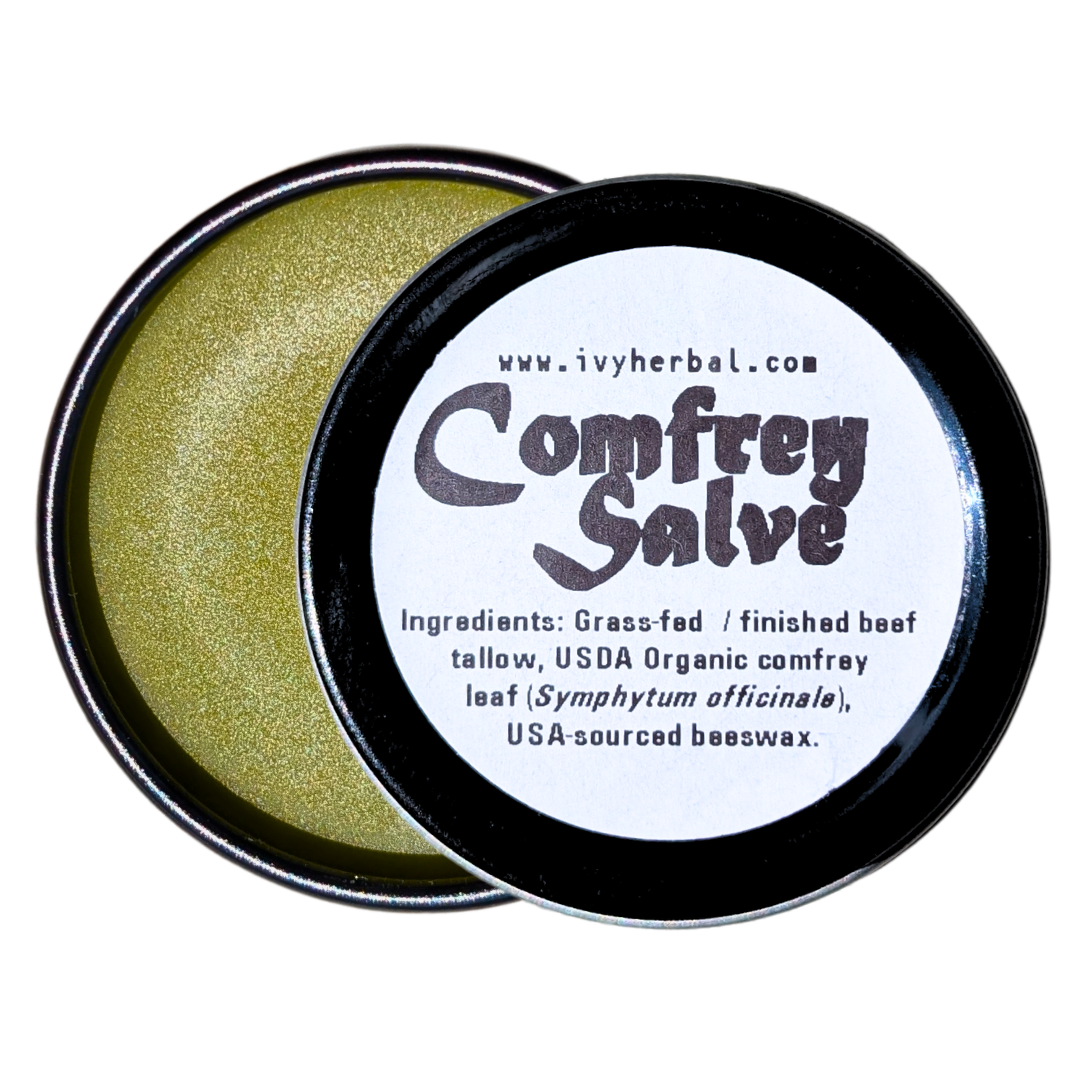
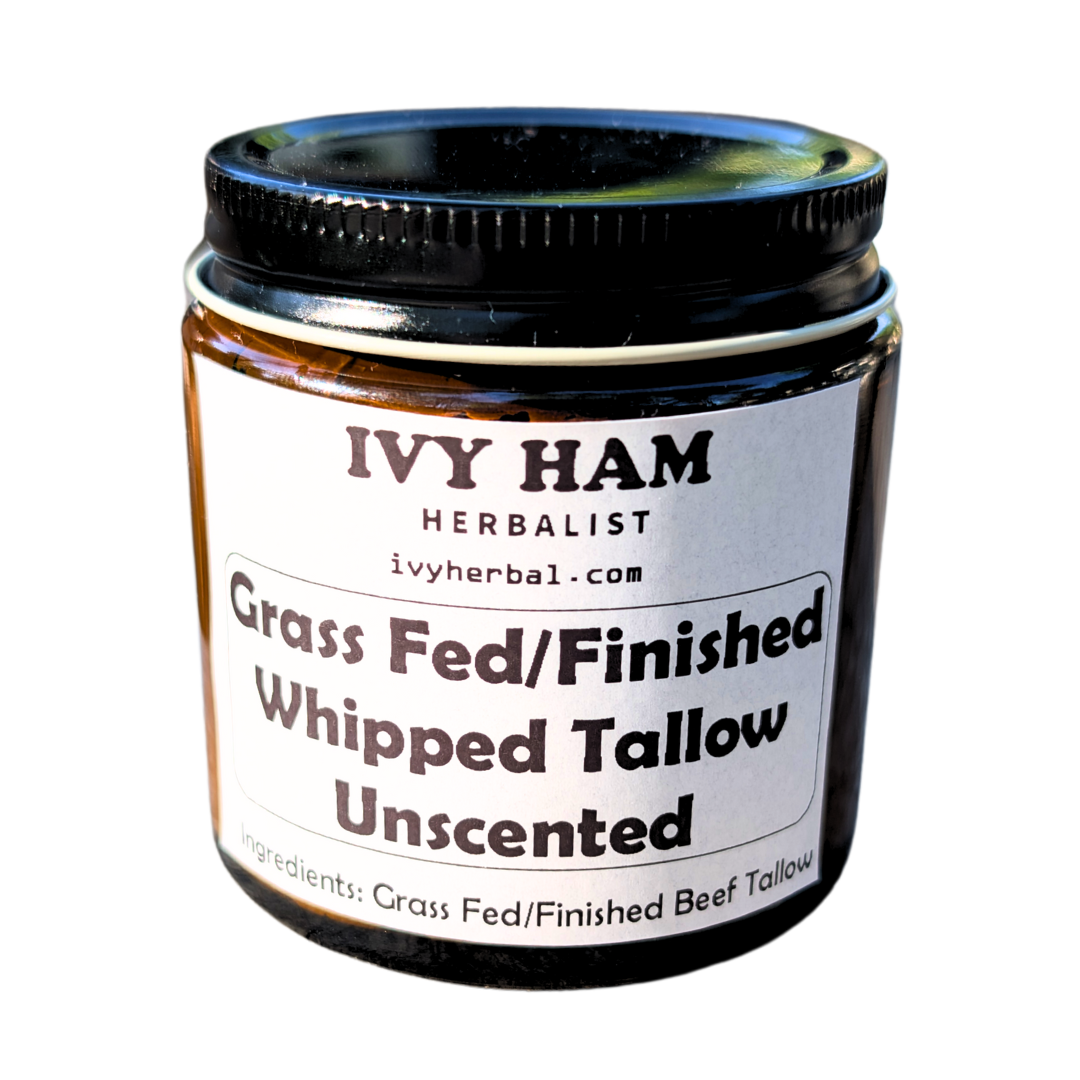
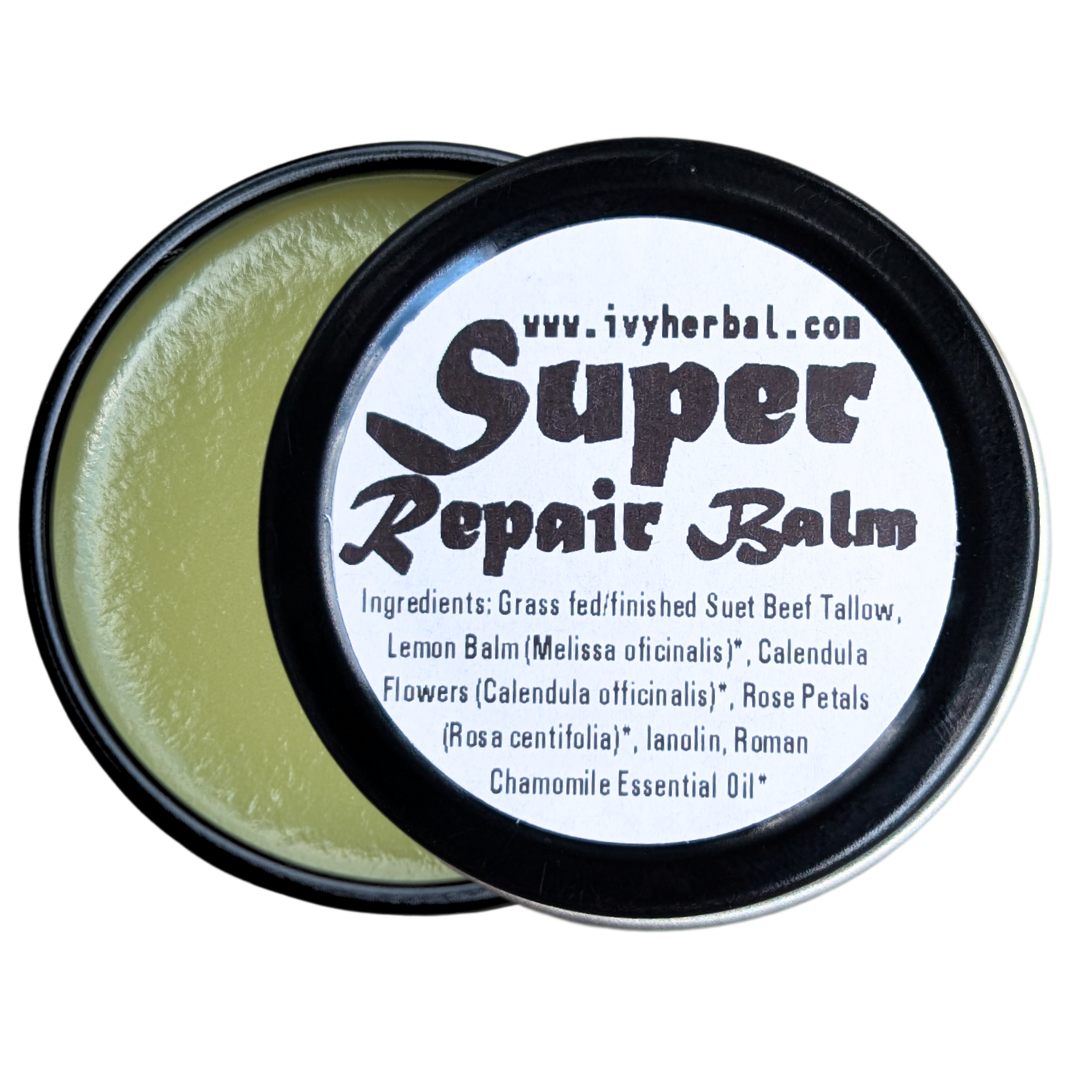
Shop Products from Our Store





How Do You Make a Natural Tick Repellent Spray?
To make a natural tick repellent spray at home, combine witch hazel, distilled water, a carrier oil, and a blend of rose geranium, cedarwood, lemon eucalyptus, and clove essential oils in a 4-ounce glass spray bottle at roughly a 3-percent total essential oil dilution. Shake well before each use, patch test before broader application, and reapply every 60 to 90 minutes when in tick habitat.
My DIY Tick Repellent Spray (~3% Dilution)
In a 4-ounce dark glass spray bottle, combine:
- 2 tablespoons (30 ml) witch hazel
- 2 tablespoons (30 ml) distilled water
- 1 teaspoon (5 ml) fractionated coconut oil or jojoba oil (carrier, extends evaporation time)
- 25 drops rose geranium essential oil
- 15 drops cedarwood essential oil
- 10 drops lemon eucalyptus essential oil (unrefined oil, not PMD)
- 5 drops clove essential oil
Directions: Shake well before each use. Avoid spraying directly on the face; instead, spray onto hands first, then apply to face avoiding eyes and mouth. Reapply every 60 to 90 minutes when actively in tick habitat.
Safety notes: This is approximately a 3-percent essential oil dilution, which is appropriate for general adult skin application. Reduce by half for children over the age of six and avoid entirely on children under two. Always patch test on the inner forearm 24 hours before applying broadly, particularly if you have sensitive skin or known fragrance reactions. Pregnant and breastfeeding women should use additional caution with essential oil blends and consult a knowledgeable practitioner.
Shop Amber Glass Spray Bottles on Amazon (Affiliate Link)
How Else Can I Prevent Tick Bites? The Layered Approach That Actually Works
The most effective tick prevention strategy combines plant-based repellents with light-colored protective clothing, the sulfur sock trick, prompt post-outing skin checks, hot tumble-dryer cycles for outdoor clothing, and yard management. No single tool, natural or synthetic, is as effective as several thoughtful layers used together.
Clothing Matters More Than Spray
Light-colored long pants tucked into socks. Long sleeves where the situation allows. Ticks are easier to spot on light fabric, and a physical barrier is the most reliable form of repellent ever invented.
The Sulfur Sock: An Old Country Trick That Still Works
Putting a few tablespoons of powdered sulfur in an old thin sock, knotting the top, and banging or dabbing it against your shoes, socks, and pant legs to coat them in a fine layer of sulfur dust is one of the cheapest and least toxic tick and chigger deterrents available. Texas A&M AgriLife Extension entomologist Mike Merchant has publicly recognized the sulfur sock as a real and convenient repellent for ticks and chiggers, calling it a long-standing rural Texas tradition. It is less potent than DEET, but it is also a fraction of the cost, requires no synthetic chemistry, and avoids the cardiovascular and neurological concerns associated with pyrethroids and DEET discussed earlier in this article.
How to do it: Pick up a bag of agricultural or garden-grade powdered sulfur (also sold as "flowers of sulfur"). It is inexpensive at garden supply stores or online. Put two to three tablespoons in the toe of an old thin sock so the dust can pass through the fabric, then either knot the top or hold it closed. Before you head outside, swing or dab the sock against your shoes, socks, ankles, and lower pant legs until they are lightly coated in pale yellow dust. That is it. Reapply after wading through wet grass or heavy brush.
Safety and practical notes: Sulfur is considered low-toxicity for humans and pets at this kind of topical exposure, but the dust can irritate eyes, skin, and respiratory tracts, so avoid inhaling it and keep it away from your face. People with very sensitive skin may want to keep it on clothing only rather than skin. The smell is faintly like hard-boiled egg yolks, which fades as the day goes on; some people mix the sulfur half-and-half with cornstarch or unscented baby powder to soften the odor without losing the function. Sulfur is not effective against flying insects (mosquitoes, biting flies), so this is a tick-and-chigger tool specifically, not an all-purpose bug repellent.
Find powdered (flowers of) sulfur on Amazon (Affiliate Link)
Hot Dryer First, Then Wash
If you have been in tick habitat, run your clothes through the dryer on high heat for at least 10 minutes before washing. Ticks survive a wash cycle but are quickly killed by dry heat because they are highly susceptible to desiccation. This is a small habit that catches what your skin check misses.
Skin Checks Within Two Hours
A thorough post-exposure skin check is one of the highest-leverage interventions available. A 2018 review in Ticks and Tick-Borne Diseases summarizing experimental transmission data for Ixodes scapularis reported that there is no experimental evidence for Lyme spirochete transmission by a single infected tick attached for only 24 hours, with the probability rising to approximately 10 percent by 48 hours and 70 percent by 72 hours. Different pathogens have different transmission timelines: Powassan virus can transfer within 15 minutes, while Anaplasma phagocytophilum and Borrelia miyamotoi can transmit within the first 24 hours. Same-day removal dramatically reduces your risk for the most common tick-borne pathogens.
Check behind knees, in the groin, under arms, around the hairline, behind ears, inside the belly button, and any other warm, hidden spots. Use a mirror or ask someone to check what you cannot see.
Yard Management
Ticks need humidity. They die in dry, sunny conditions. If you can create a buffer zone between your living areas and the wooded edges of your property, ideally a few feet of cedar mulch, gravel, or simply mowed grass, you dramatically reduce tick migration into your high-use zones. Leaf litter management in fall and spring matters as much as anything you put on your body.
A Note on Permethrin-Treated Clothing
Some people who otherwise avoid permethrin choose to use it on outer gear, treating clothes and reserving them for outdoor use rather than applying anything to skin. This is a personal call. I do not use it because of my pets and my own toxin philosophy (plus I recently moved to an area where lyme isn't as big of an issue), but I understand the calculus, particularly for people who work outdoors for a living in heavily endemic areas. If you do treat clothing, store it where pets (especially cats) cannot lounge on it.
Frequently Asked Questions
What is the most effective natural tick repellent for humans?
The most effective natural tick repellent in published research is oil of lemon eucalyptus and its refined form PMD (para-menthane-3,8-diol), which has shown protection comparable to lower-concentration DEET in multiple peer-reviewed studies. Rose geranium oil with geraniol, cedarwood with cedrol, neem, and clove with eugenol also have meaningful tick-repellent activity.
Does rose geranium oil really repel ticks?
Yes, rose geranium oil has been tested specifically against the deer tick (Ixodes scapularis) in peer-reviewed studies. A 2013 study showed a 5-percent geraniol formulation produced 95.8 to 100 percent repellency at 2.5 to 3.5 hours after application, which is comparable to lower-concentration DEET formulations. The effect duration is shorter than synthetic repellents, so reapplication every 60 to 90 minutes is important.
Is DEET actually dangerous?
DEET is more biologically active in mammals than the marketing has historically suggested. Published research in BMC Biology demonstrated that DEET inhibits cholinesterase activity in both insect and mammalian neuronal preparations, which is the same mechanism by which certain nerve agents and pesticides exert toxicity. Whether typical consumer use produces meaningful clinical harm in healthy adults is debated, but it is not the inert compound it was originally marketed as.
Why is permethrin toxic to cats?
Cats lack the glucuronidation pathway that other mammals use to metabolize pyrethroids like permethrin. A retrospective study of 20 cats with permethrin toxicity documented seizures, muscle fasciculations, and tremors as the characteristic clinical signs. Even residual permethrin on treated clothing in close contact with a cat is a meaningful concern.
Can I use essential oils on my dog or cat for ticks?
Cats are very different from dogs in their ability to metabolize essential oils, and many oils that are safe for dogs are not safe for cats. Veterinarian Dr. Karen Becker has been one of the clearer voices on this distinction. Please do not apply human essential oil blends to either animal without species-specific guidance from a holistic veterinarian. This article is about human use only.
How long does a tick need to be attached to transmit Lyme disease?
According to a 2018 review in Ticks and Tick-Borne Diseases, there is no experimental evidence for Lyme spirochete transmission by a single infected nymphal deer tick attached for only 24 hours, with the probability rising to approximately 10 percent by 48 hours and 70 percent by 72 hours. Prompt removal substantially reduces transmission risk. Other tick-borne pathogens like Powassan virus can transmit within minutes, so prompt removal of any tick is the right move.
Are essential oils safe to use on skin?
Essential oils require proper dilution and thoughtful use. Published research has demonstrated endocrine-disrupting activity in some essential oil components, including documented cases of early breast development in children with continuous exposure to lavender-fragranced products. A 3-percent dilution for occasional topical use is generally considered acceptable for adults, but children, pregnant women, and people with sensitivities require more caution. I have a deeper article on essential oil safety if you want to dive in.
Does the dryer kill ticks?
Yes. Ticks are highly susceptible to desiccation, and high heat in a dryer kills them quickly. Running outdoor clothing through the dryer on high for at least 10 minutes is a meaningful intervention. Wash cycles alone do not reliably kill them because they tolerate water exposure.
Does sulfur powder really repel ticks?
Yes. Dusting powdered sulfur onto shoes, socks, and pant legs is a generations-old rural practice that Texas A&M AgriLife Extension entomologists have publicly endorsed as a real, if less potent, repellent for ticks and chiggers. The classic method is to fill an old thin sock with a few tablespoons of sulfur powder, knot the top, and bang it against your shoes and lower pant legs to coat them in a light dust before heading outside. It is inexpensive, low-toxicity, and a reasonable alternative for people who want to avoid DEET and permethrin. It does not work against mosquitoes or other flying insects.
How often should I reapply natural tick repellent?
Most plant-based repellent blends are effective for 60 to 120 minutes per application, depending on formulation, skin chemistry, temperature, and activity level. This is a real trade-off compared to synthetic repellents and is not a sign that the natural product failed.
What is the best alternative to DEET for kids?
For young children, physical barriers (long, light-colored clothing, tucked-in pants, tick checks, yard management) are the highest-leverage interventions. Many essential oils are not recommended for children under two, and PMD is not recommended for children under three. For older children, a properly diluted plant-based spray (1.5 percent or less) used sparingly with patch testing is a reasonable approach. Consult a knowledgeable practitioner for individual guidance.
Can I just diffuse essential oils on my porch to keep ticks away?
Atmospheric diffusion can help reduce mosquito and other flying insect pressure in a contained outdoor area but does very little against ticks, which are not flying and respond primarily to direct chemical contact with their immediate environment. Topical application to skin and clothing is the relevant approach for tick prevention.
Research References
Sources cited in this article include peer-reviewed research from PubMed-indexed journals. Each scientific claim is hyperlinked to its DOI within the text above. Key references:
- Corbel V, et al. (2009). Evidence for inhibition of cholinesterases in insect and mammalian nervous systems by the insect repellent deet. BMC Biology. https://doi.org/10.1186/1741-7007-7-47
- Bao W, et al. (2020). Association Between Exposure to Pyrethroid Insecticides and Risk of All-Cause and Cause-Specific Mortality. JAMA Internal Medicine. https://doi.org/10.1001/jamainternmed.2019.6019
- Bissinger BW, et al. (2013). Activity of the plant-based repellent, TT-4302 against the ticks Amblyomma americanum, Dermacentor variabilis, Ixodes scapularis and Rhipicephalus sanguineus. Experimental and Applied Acarology. https://doi.org/10.1007/s10493-013-9719-1
- Bissinger BW, et al. (2015). Sustained efficacy of the novel topical repellent TT-4302 against mosquitoes and ticks. Medical and Veterinary Entomology. https://doi.org/10.1111/mve.12151
- Eller FJ, et al. (2014). Bioactivity of cedarwood oil and cedrol against arthropod pests. Environmental Entomology. https://doi.org/10.1603/EN13270
- Elmhalli FH, et al. (2009). Acaricidal effects of Corymbia citriodora oil containing para-menthane-3,8-diol against nymphs of Ixodes ricinus. Experimental and Applied Acarology. https://doi.org/10.1007/s10493-009-9236-4
- Garboui SS, et al. (2006). Repellency of MyggA Natural spray (para-menthane-3,8-diol) and RB86 (neem oil) against the tick Ixodes ricinus. Experimental and Applied Acarology. https://doi.org/10.1007/s10493-006-9031-4
- Alimi D, et al. (2023). Toxicity, repellency, and anti-cholinesterase activities of bioactive molecules from clove buds. Heliyon. https://doi.org/10.1016/j.heliyon.2023.e18899
- Eisen L (2018). Pathogen transmission in relation to duration of attachment by Ixodes scapularis ticks. Ticks and Tick-Borne Diseases. https://doi.org/10.1016/j.ttbdis.2018.01.002
- Ramsey JT, et al. (2019). Lavender Products Associated With Premature Thelarche and Prepubertal Gynecomastia. The Journal of Clinical Endocrinology and Metabolism. https://doi.org/10.1210/jc.2018-01880
- Abou-Donia MB, et al. (1996). Increased neurotoxicity following concurrent exposure to pyridostigmine bromide, DEET, and chlorpyrifos. Fundamental and Applied Toxicology. https://doi.org/10.1006/faat.1996.0190
- Dymond NL, Swift IM (2008). Permethrin toxicity in cats: a retrospective study of 20 cases. Australian Veterinary Journal. https://doi.org/10.1111/j.1751-0813.2008.00298.x
- Ginsberg HS, et al. (2017). Environmental Factors Affecting Survival of Immature Ixodes scapularis. PLoS ONE. https://doi.org/10.1371/journal.pone.0168723
- Tabanca N, et al. (2013). Bioactivity-guided investigation of geranium essential oils as natural tick repellents. Journal of Agricultural and Food Chemistry. https://doi.org/10.1021/jf400246a
- Lupi E, et al. (2013). The efficacy of repellents against Aedes, Anopheles, Culex and Ixodes spp. - a literature review. Travel Medicine and Infectious Disease. https://doi.org/10.1016/j.tmaid.2013.10.005