
Module 1: Understanding Traumatic Brain Injury
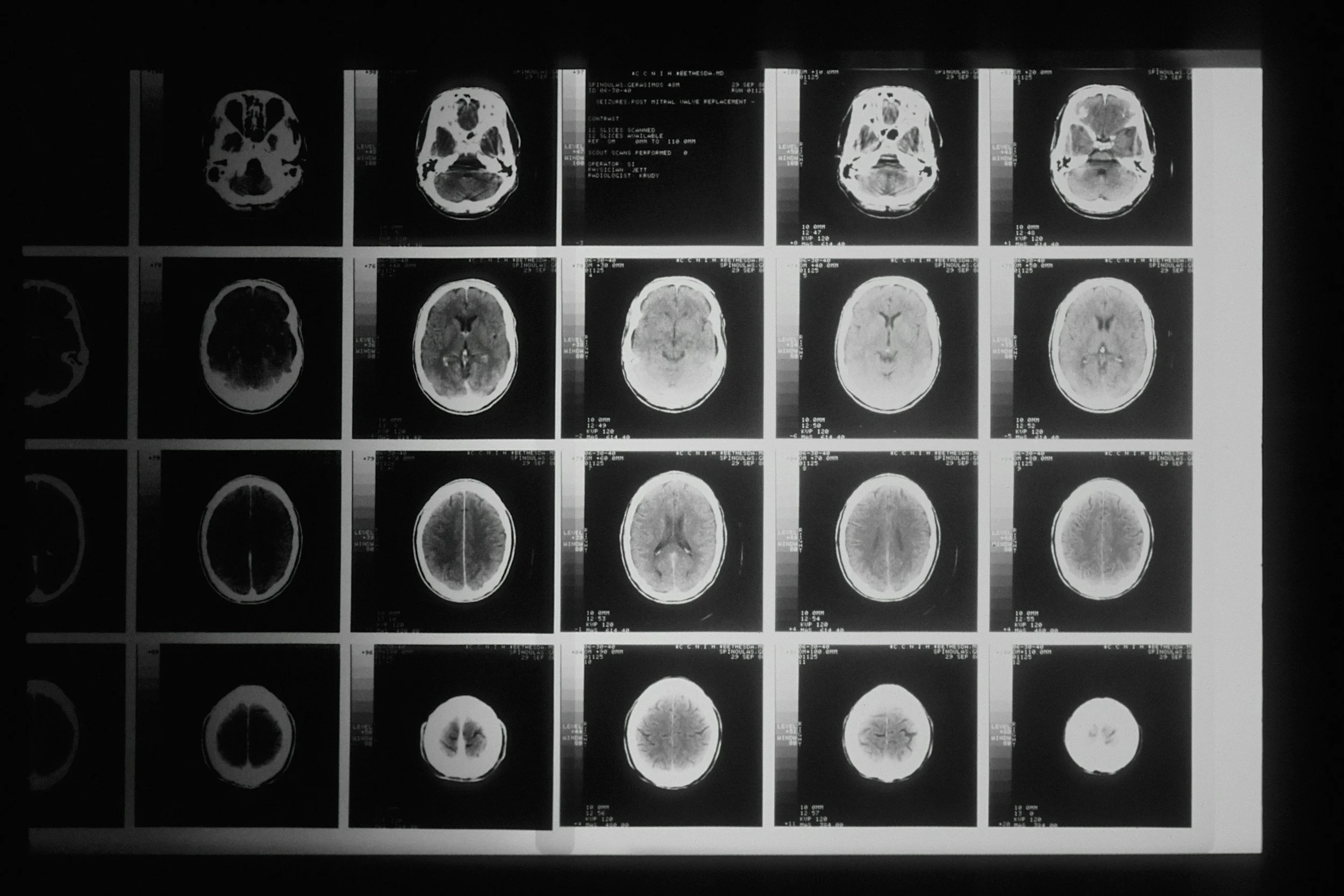
Introduction to Traumatic Brain Injury and Recovery
What a TBI is, how the brain responds, and how this course fits alongside medical care
Recovery after a traumatic brain injury rarely follows a straight line. Most people with a mild TBI or concussion feel better within a couple of weeks.1 Others take much longer. In a study of 1,154 adults treated for mild TBI at US trauma centers, 53 percent still reported limits on daily activities one year after the injury.2 This course brings together published research, traditional herbal practice, and daily habits that people use to support themselves during recovery. You will learn what the evidence says about nutrition, sleep, herbs, supplements, and complementary therapies, and where that evidence is thin.
What counts as a traumatic brain injury
A traumatic brain injury is damage to the brain from an outside force. Clinicians sort these injuries by how they happen and by how severe they are.
A closed injury leaves the skull intact. The brain is hurt by sudden movement inside the skull, which is what happens in most falls, car crashes, and sports collisions. A penetrating injury breaks through the skull, as with a gunshot wound. Closed injuries are far more common.
Severity is graded as mild, moderate, or severe based on consciousness, memory, and exam findings at the time of injury. A concussion and a mild TBI are the same event under two names.1 The next lesson explains how the grading works and what it does and does not predict.
Falls cause about half of TBI hospitalizations in the United States, and motor vehicle crashes cause about a quarter.3 Adults 75 and older have the highest rates of TBI hospitalization and death, which is one reason the final module covers preventing reinjury.3
How the brain responds after impact
A blow to the head sets off a chain of chemical changes in brain cells that continues for days to weeks, including a sharp rise in energy demand at the same time blood flow to the brain drops.4 Many of the nutrition and sleep strategies later in the course are aimed at that window.
The response does not end there. Injury also triggers repair processes that continue for weeks to months, during which the brain forms new connections and can reroute functions around damaged tissue.5 Researchers call this capacity neuroplasticity. Studies of recovery from stroke and trauma point to a consistent finding: what a person practices during this period is the strongest known influence on how the brain reorganizes.5 This is why rehabilitation exercises, sleep, and daily habits each get their own module later in the course.
What you will learn
Each module covers one area of recovery support and ends with steps you can bring to your care team. Topics include foods and nutrients studied in brain health, herbs with a history of use for the nervous system, supplements discussed in TBI research, and therapies such as hyperbaric oxygen and neurofeedback.
Nothing in this course replaces conventional care. The material is written to sit alongside treatment from your medical team, and the third lesson in this module maps out where each complementary approach fits.
How evidence is labeled
Every lesson labels how strong the evidence is so you can weigh it yourself. The course uses four labels.
- Strong: multiple randomized controlled trials in people with TBI, or a meta-analysis of those trials.
- Moderate: one small trial, or consistent observational studies in people with brain injury.
- Limited: animal studies, cell studies, case reports, or trials in a different condition.
- Traditional: a documented history of use in a herbal tradition without modern trials.
A traditional label means the claim rests on practitioner experience rather than controlled measurement, so weigh it with that in mind.
Who this course is for
I wrote this course for people living with a TBI, for family members and caregivers, and for practitioners who want a reference for complementary approaches. It applies to recent injuries and to injuries from years ago, with one caveat. Most published research follows people through the first year after injury, so evidence for the chronic phase is thinner, and each lesson says so where that applies.2
Working at your own pace
Progress after a brain injury moves in stages, and setbacks are common. Symptoms often flare after a long stretch of screen time, reading, or conversation, and that includes the work of studying this course. Keep sessions short. You can move through the lessons in any order and return to them as often as you need.
Please read before you begin. This course is educational and is not medical advice, diagnosis, or treatment. It does not replace care from a physician, neurologist, or rehabilitation team. Do not stop or change any prescribed medication or therapy based on this material. Bring anything you learn here to your trusted healthcare provider before acting on it.
When to seek emergency care
Go to an emergency department right away if any of the following appears after a head injury. These signs come from the clinical rules emergency physicians use to decide who needs a CT scan.6, 7
- A headache that keeps getting worse
- Vomiting two or more times
- Confusion, or memory loss that continues after the injury
- A seizure
- Slurred speech
- Weakness or numbness in an arm or leg
- Pupils of unequal size
- Trouble staying awake, or any loss of consciousness
- Clear fluid or blood draining from the nose or ears
- Symptoms that improve and then return or worsen
Anyone who takes a blood thinner should be evaluated after any head injury, even a minor one, because these medicines raise the chance of bleeding inside the skull.8 Adults over 65 fall under the same caution.6
Herbs, supplements, and prescribed medicines
Talk with a qualified provider before adding herbs or supplements. Ginkgo has been linked in published case reports to bleeding events, and people taking anticoagulants face the highest risk.9 St. John's wort speeds up the liver enzyme CYP3A4 and the transporter P-glycoprotein, which lowers blood levels of many drugs, and it can trigger serotonin syndrome when combined with antidepressants.10 Some seizure medications rely on that same enzyme pathway, so a pharmacist should review your full medication list before you add anything. Later modules flag known interactions herb by herb.
Module summary
- A TBI is brain damage from an outside force. Closed injuries are the most common type, falls cause about half of US hospitalizations, and a concussion is a mild TBI.
- Recovery timelines vary widely. Most people with a mild TBI feel better within a couple of weeks, yet about half of adults treated at trauma centers report functional limits a year later.
- Injury sets off chemical changes in brain cells lasting days to weeks, followed by repair processes lasting weeks to months. What a person practices during that repair window shapes how the brain reorganizes.
- Every lesson carries one of four evidence labels: strong, moderate, limited, or traditional.
- The course does not replace medical care and should never prompt a change to prescribed treatment.
- Specific warning signs after a head injury call for emergency care. Blood thinner users and adults over 65 need evaluation after any head injury.
- Ginkgo and St. John's wort are two herbs with documented drug interactions.
Integration Check In
Tap a question to reveal the answer.
Roughly what share of adults treated at a trauma center for a mild TBI still reported functional limits one year later?
53 percent, from a study of 1,154 adults treated at US level I trauma centers. Most people with a mild TBI recover within weeks, but lasting limits are common enough that longer recoveries should not be treated as unusual.
What is the difference between a closed and a penetrating brain injury, and which is more common?
A closed injury leaves the skull intact, and the brain is hurt by sudden movement inside the skull. A penetrating injury breaks through the skull. Closed injuries are far more common and include most falls, car crashes, and sports injuries.
What does neuroplasticity mean, and why does it matter for the later modules?
Neuroplasticity is the brain's capacity to form new connections and reroute functions around damaged tissue during the weeks to months after injury. Research shows that what a person practices during this window is the strongest known influence on how the brain reorganizes, which is why this course gives rehabilitation exercises, sleep, and daily habits their own modules.
Name four warning signs after a head injury that call for emergency care.
Any four of these: a worsening headache, vomiting two or more times, ongoing confusion or memory loss, a seizure, slurred speech, weakness or numbness in an arm or leg, unequal pupils, trouble staying awake or any loss of consciousness, clear fluid or blood from the nose or ears, or symptoms that improve and then return.
Why should someone taking a blood thinner be seen after even a minor head injury?
Blood thinners raise the chance of bleeding inside the skull, and that bleeding can be delayed. A medical evaluation after any head injury catches it before it becomes dangerous.
What does a "traditional" evidence label mean in this course?
It means the herb or practice has a documented history of use in a herbal tradition but no modern trials. The claim rests on practitioner experience rather than controlled measurement, so it carries the least certainty of the four labels.
Which two herbs are named in this module as having documented drug interactions, and what is the concern with each?
Ginkgo, which has been linked in case reports to bleeding events, with the highest risk in people on anticoagulants. And St. John's wort, which lowers blood levels of many drugs by speeding up the CYP3A4 enzyme and the P-glycoprotein transporter, and can trigger serotonin syndrome when combined with antidepressants.
A later module describes a supplement that appears to do the same job as one of your prescriptions. Should you stop the prescription?
No. Never stop or change a prescribed medication based on this course. Bring the information to the provider who prescribed it and let them weigh the evidence for your situation.
Sources
- Centers for Disease Control and Prevention. Symptoms of mild TBI and concussion. Reviewed 2025. cdc.gov/traumatic-brain-injury/signs-symptoms
- Nelson LD, Temkin NR, Dikmen S, et al. Recovery after mild traumatic brain injury in patients presenting to US level I trauma centers: a TRACK-TBI study. JAMA Neurol. 2019;76(9):1049-1059. doi:10.1001/jamaneurol.2019.1313
- Centers for Disease Control and Prevention. Surveillance report of traumatic brain injury-related hospitalizations and deaths by age group, sex, and mechanism of injury: United States, 2016 and 2017. Atlanta, GA: US Department of Health and Human Services; 2021. Current data at cdc.gov/traumatic-brain-injury/data-research
- Giza CC, Hovda DA. The new neurometabolic cascade of concussion. Neurosurgery. 2014;75(Suppl 4):S24-S33. doi:10.1227/NEU.0000000000000505
- Nudo RJ. Recovery after brain injury: mechanisms and principles. Front Hum Neurosci. 2013;7:887. doi:10.3389/fnhum.2013.00887
- Stiell IG, Wells GA, Vandemheen K, et al. The Canadian CT Head Rule for patients with minor head injury. Lancet. 2001;357(9266):1391-1396. doi:10.1016/S0140-6736(00)04561-X
- Haydel MJ, Preston CA, Mills TJ, Luber S, Blaudeau E, DeBlieux PM. Indications for computed tomography in patients with minor head injury. N Engl J Med. 2000;343(2):100-105. doi:10.1056/NEJM200007133430204
- Nishijima DK, Offerman SR, Ballard DW, et al. Immediate and delayed traumatic intracranial hemorrhage in patients with head trauma and preinjury warfarin or clopidogrel use. Ann Emerg Med. 2012;59(6):460-468. doi:10.1016/j.annemergmed.2012.04.007
- Bent S, Goldberg H, Padula A, Avins AL. Spontaneous bleeding associated with Ginkgo biloba: a case report and systematic review of the literature. J Gen Intern Med. 2005;20(7):657-661. doi:10.1111/j.1525-1497.2005.0121.x
- Henderson L, Yue QY, Bergquist C, Gerden B, Arlett P. St John's wort (Hypericum perforatum): drug interactions and clinical outcomes. Br J Clin Pharmacol. 2002;54(4):349-356. doi:10.1046/j.1365-2125.2002.01683.x