The 1954 Salk Vaccine Trial: Analysis of the Medium 199 Placebo
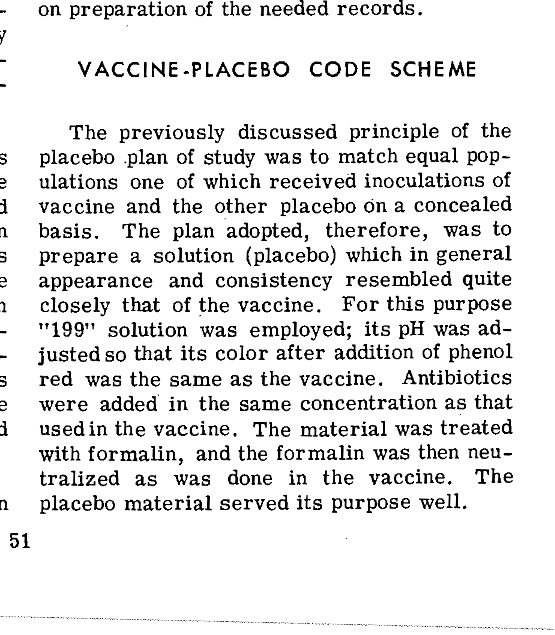
This document is part of the final report from the Salk vaccine trials for poliomyelitis and discusses study design. This screenshot is from page 51. Click here to download the full PDF.
In discussions regarding the safety protocols of historical vaccine trials, the 1954 Salk Polio Field Trial is often cited as the “gold standard” of placebo-controlled design. A common assumption is that the control group received a simple saline injection to establish a neutral baseline for adverse reactions.
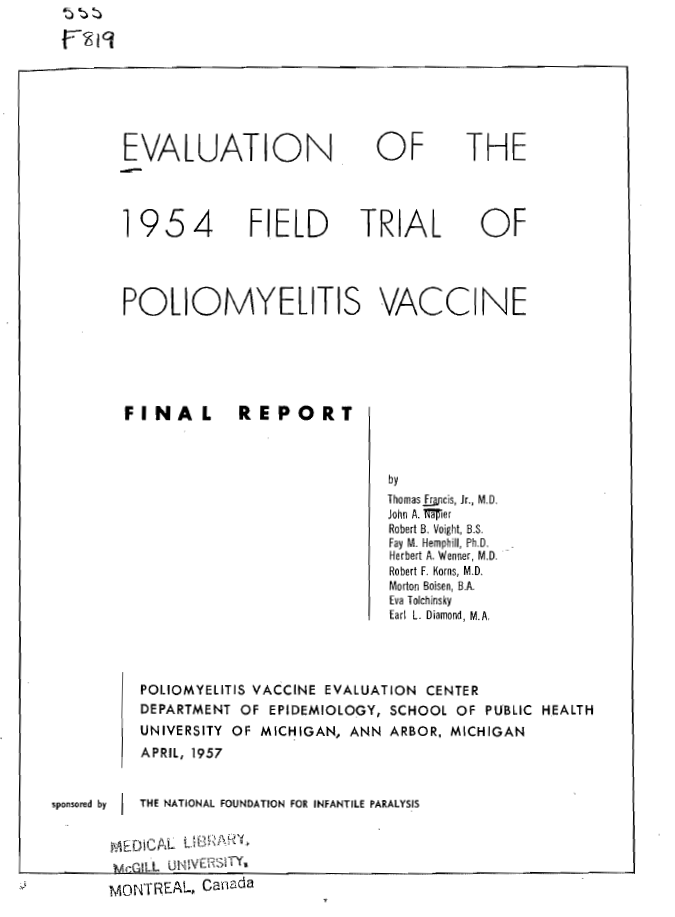
However, a review of the primary source documents (specifically the Francis Report of the Salk Polio Vaccine trials of 1955) reveals that the placebo used was not saline, but a substance known as Medium 199. This article provides the original documentation regarding this design choice and analyzes the chemical composition of the control used in the trials.
Primary Source Documents for
The Salk Polio Vaccine Trials
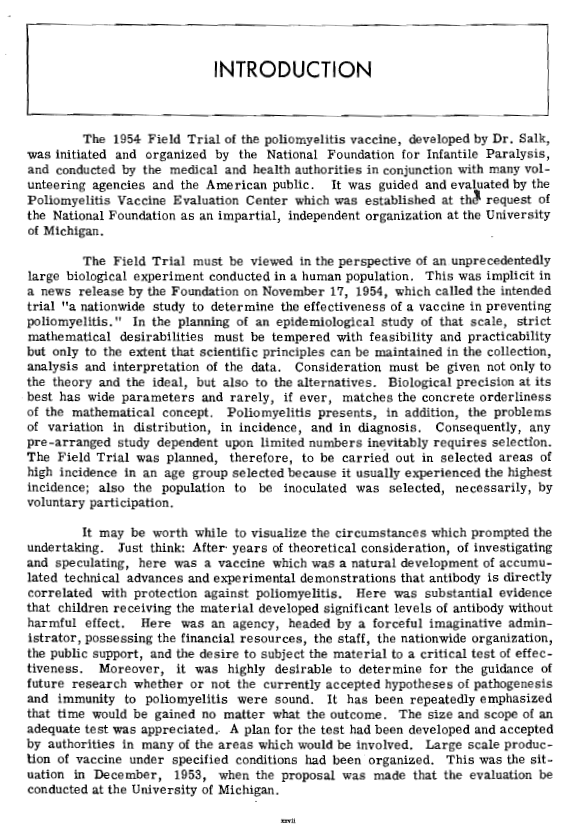
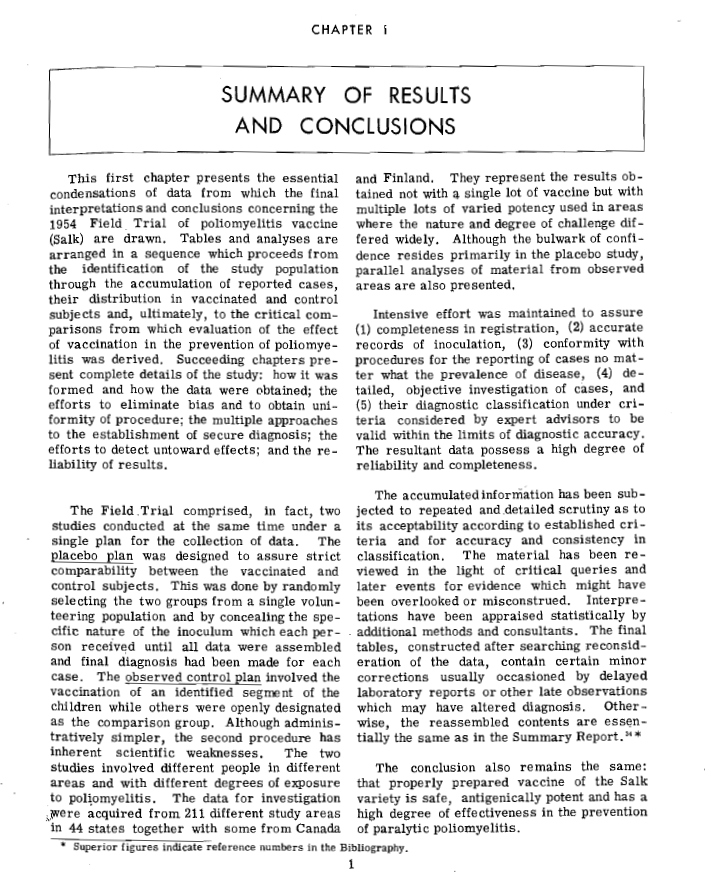
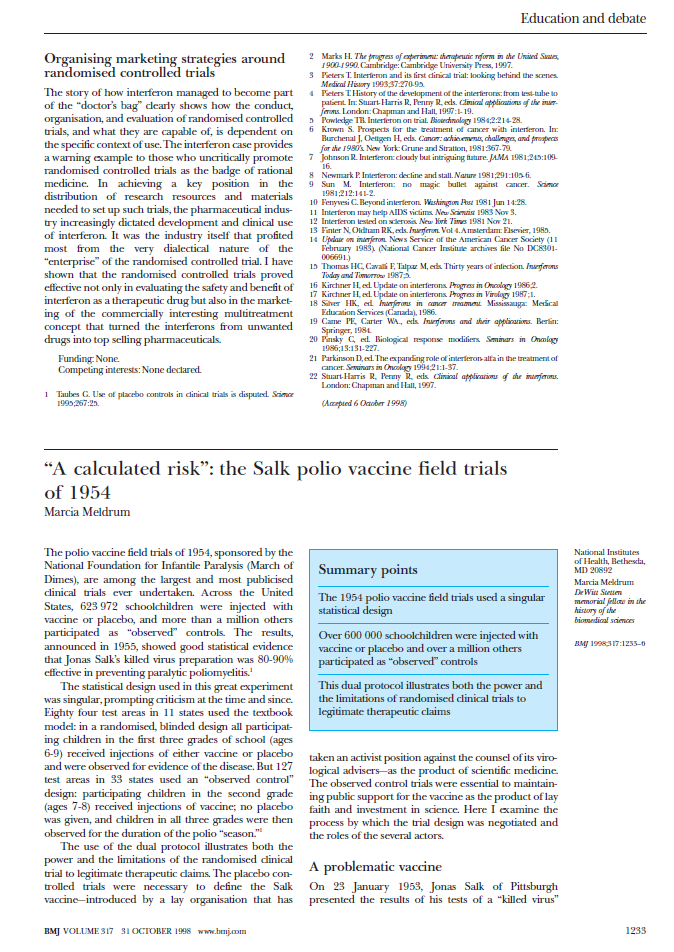
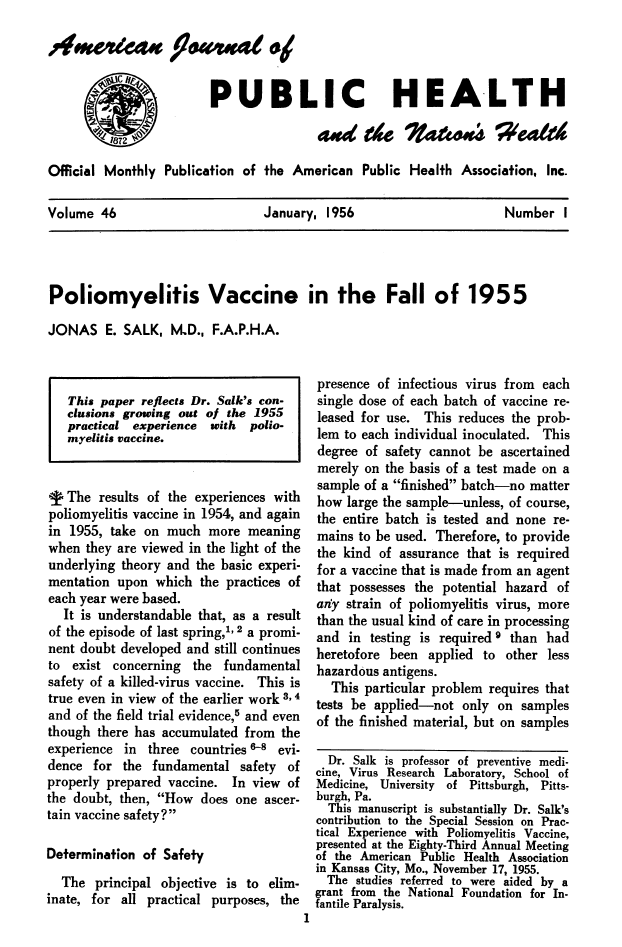
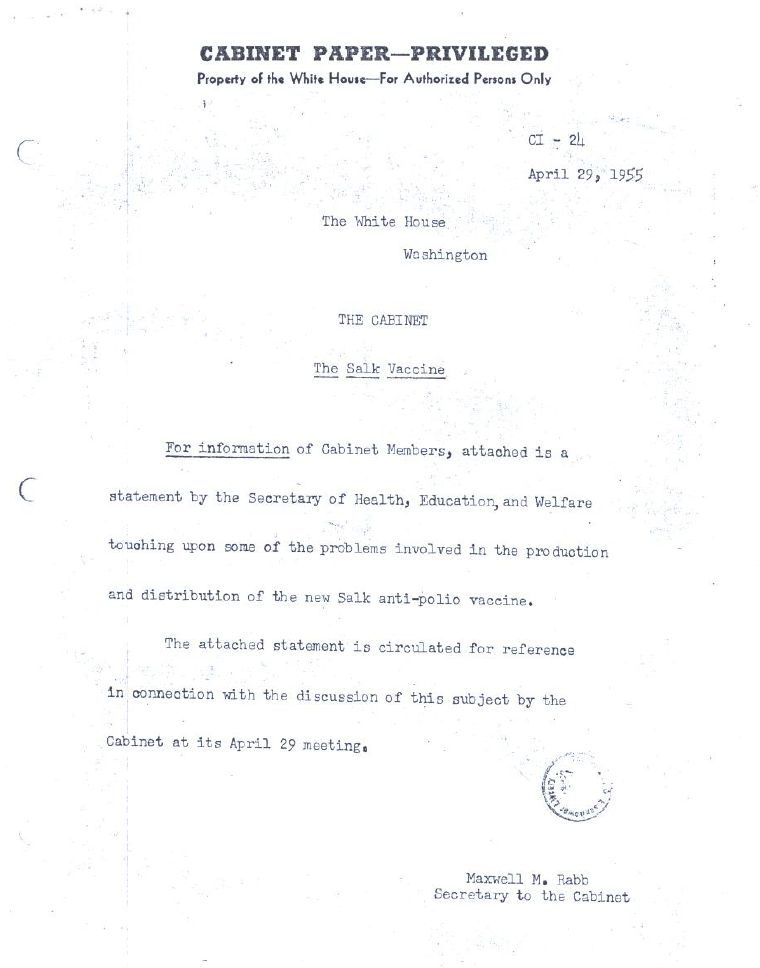
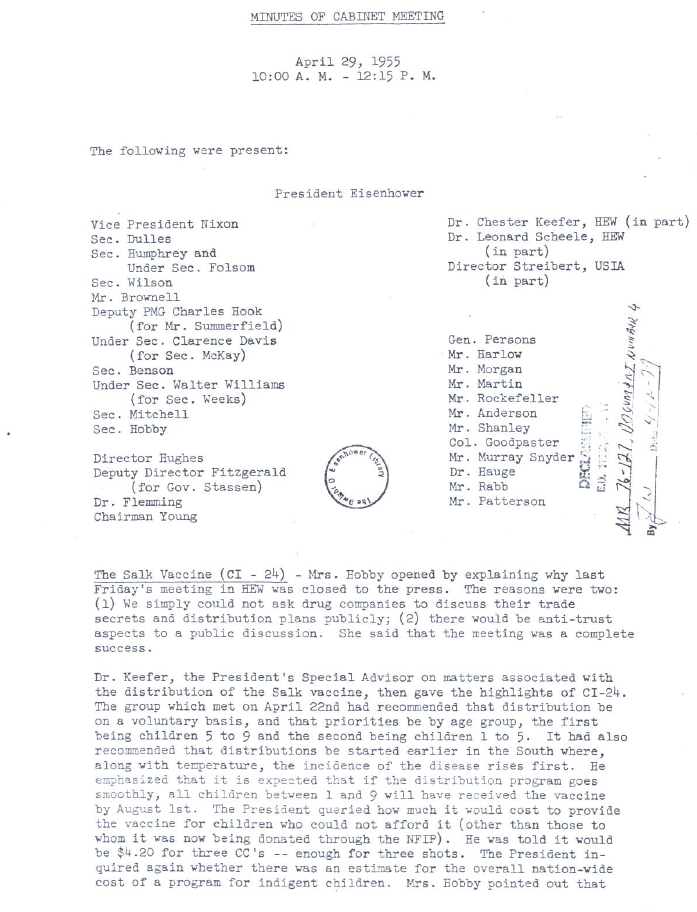
I have marked the ones discussing the placebo group/medium 199 with a star ⭐. The rest are documents from that era discussing the Salk polio trials for context and additional research. The one that mentions the composition of the placebo group was extremely difficult to find on the web, even with the assistance of AI tools and Archive.org.
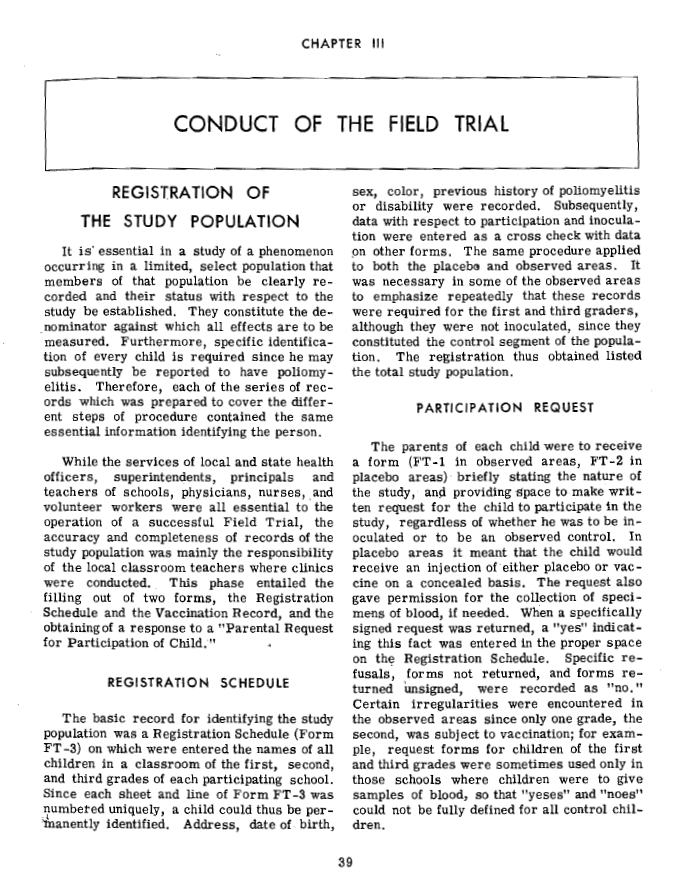
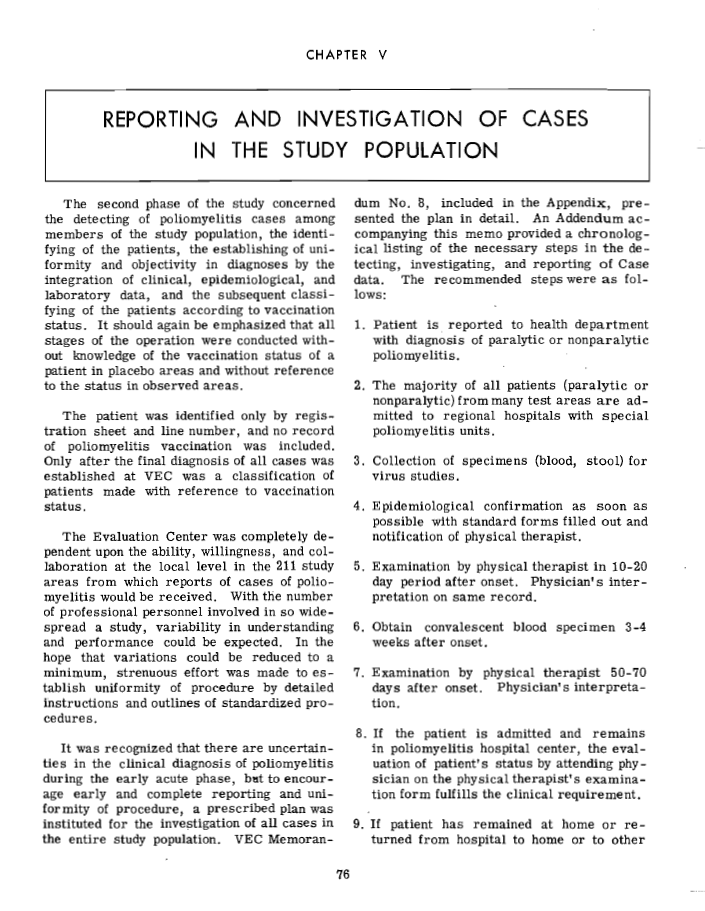
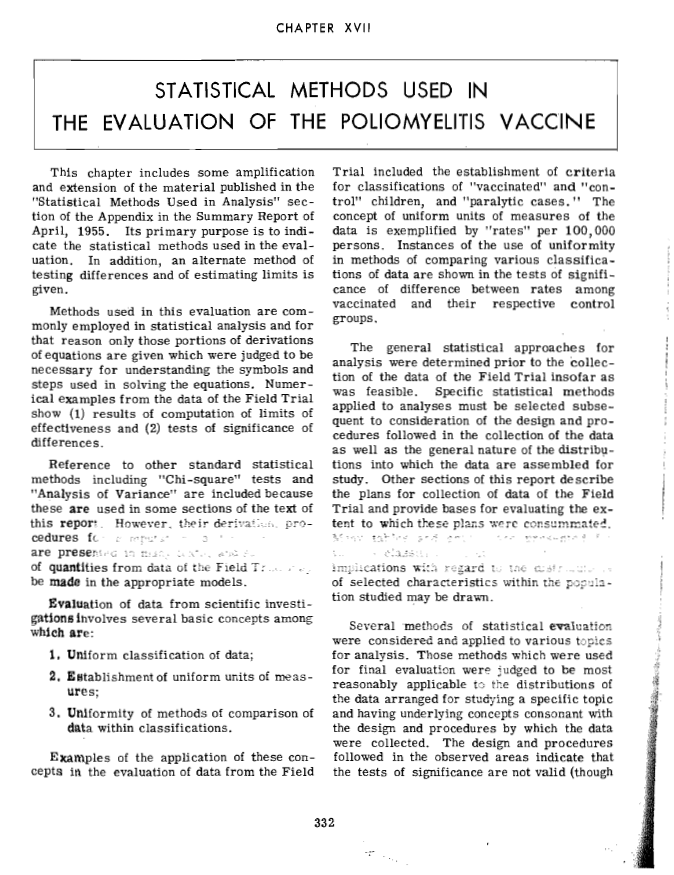
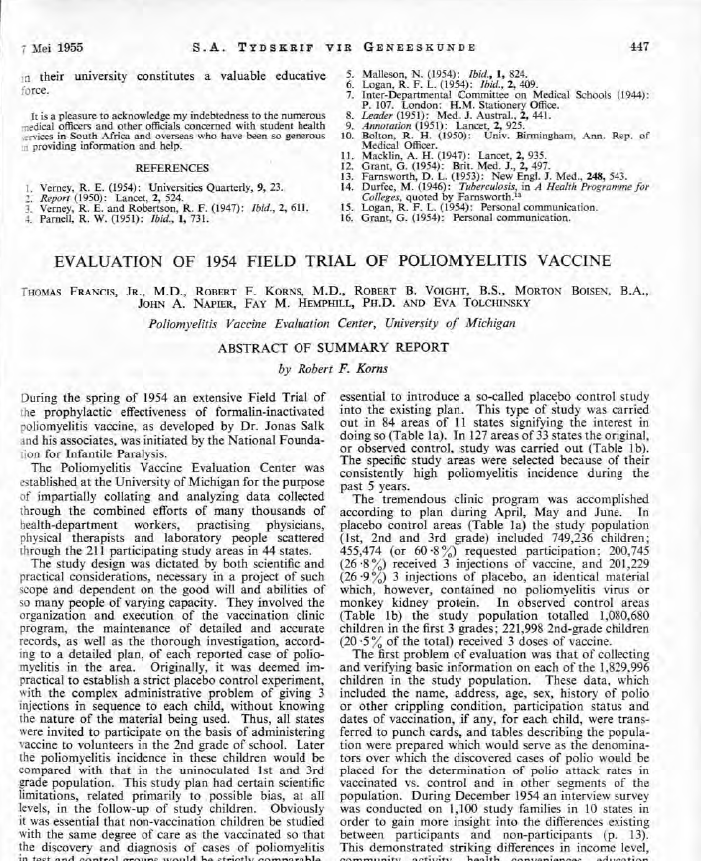
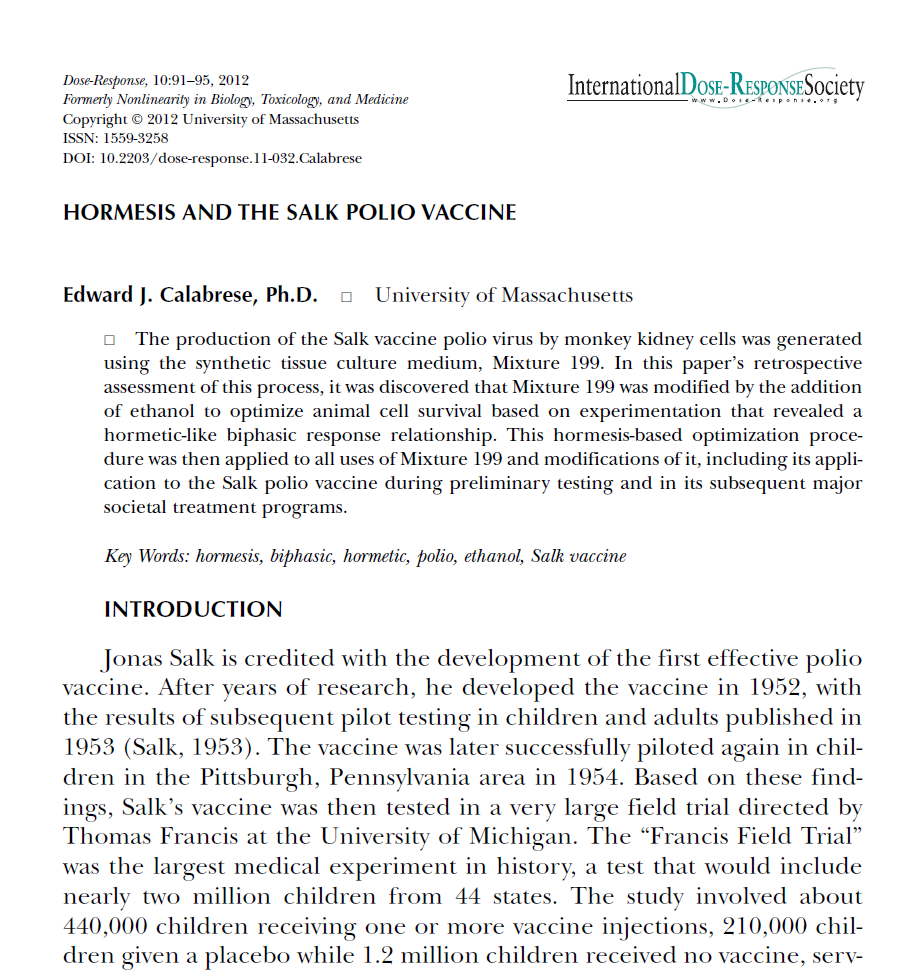
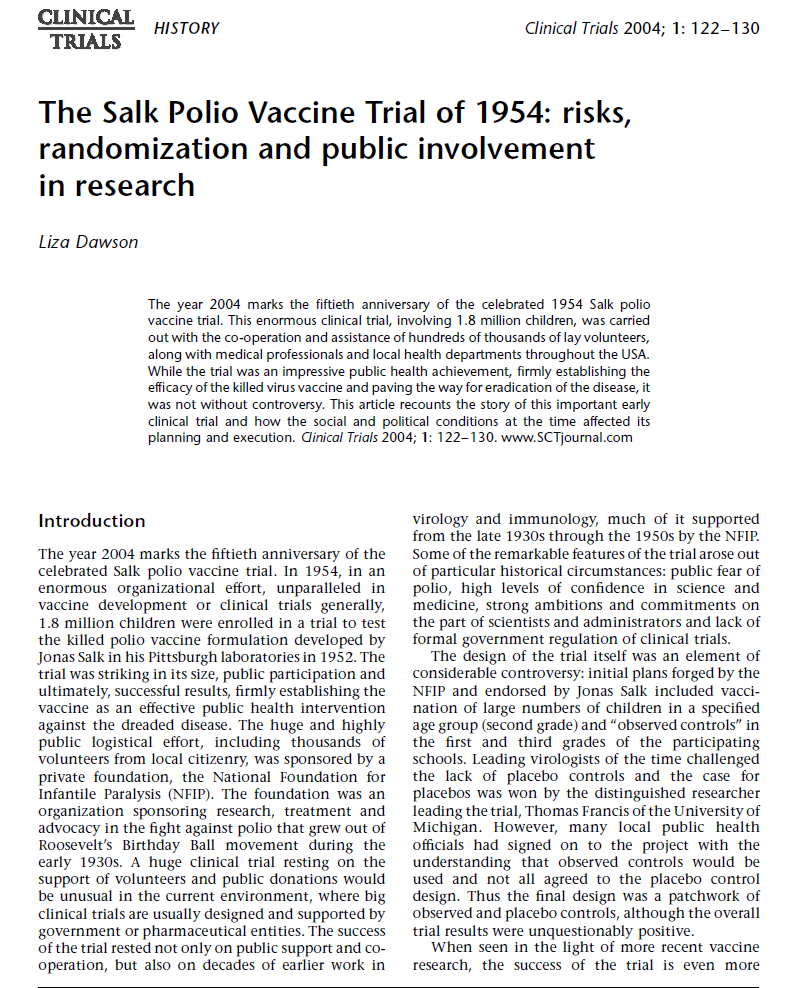
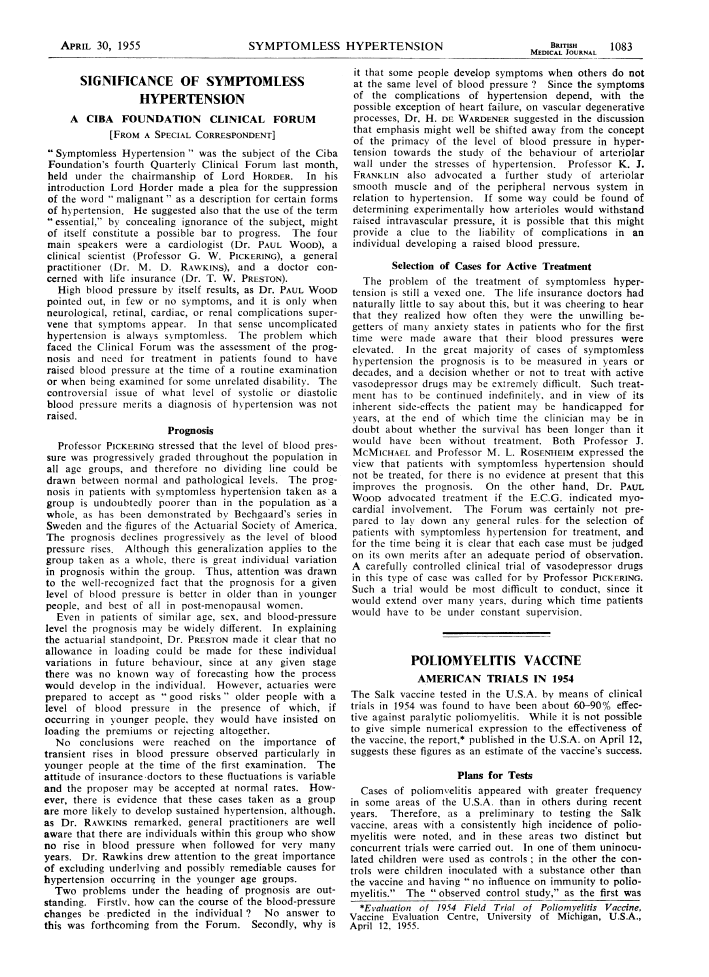
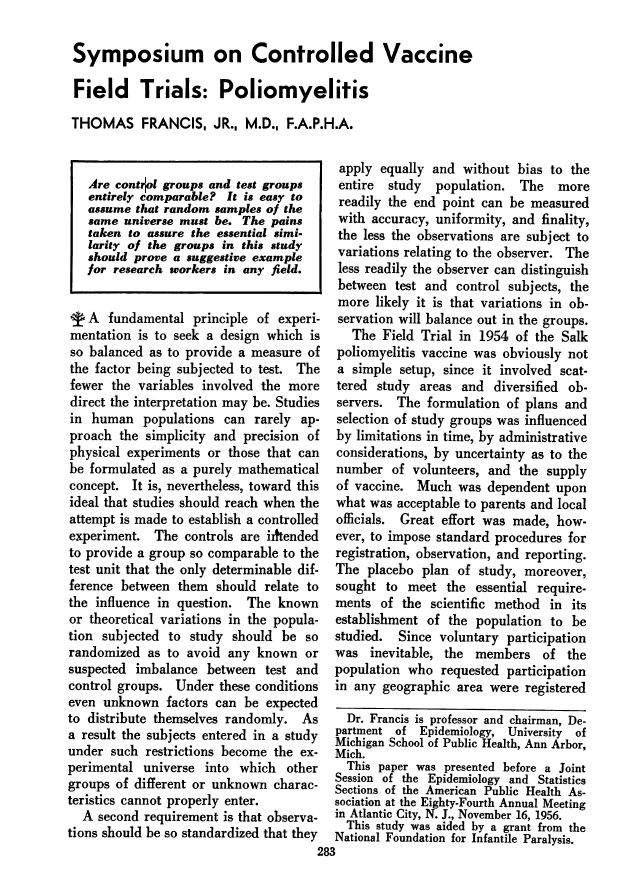
What is a placebo?
A placebo in a vaccine trial is a biologically inactive substance, typically sterile saline, that does not trigger an immune response. It serves as a neutral baseline, allowing researchers to determine a vaccine's absolute safety and efficacy by comparing it against a "blank" injection. Because the saline is physically indistinguishable from the vaccine, it ensures the study remains double-blinded and that results are not influenced by participant or researcher expectations.
Note that just because a study claims to have used a placebo control, it does not necessarily mean that the one they used was inert or made from just saline. In the case of the Salk polio vaccine trials, the placebo that was used was actually a mixture of 60+ ingredients including an antibiotic, red dye, amino acids, salts and other ingredients called “M-199” or “Medium 199”. Antibiotics and several of the other ingredients in this mixture are obviously not inert, and so therefore this is not a true placebo. Below is a screenshot from the final report of the Salk polio vaccine trials, which describes what was used as a “placebo”.
Adding to that, this is an excerpt from The Death of a Disease: A History of the Eradication of Poliomyelitis by Bernard Seytre & Mary Shaffer. You’ll see that the excerpt from this book corroborates the findings in the report above, regarding the use of Medium 199 solution as a placebo.
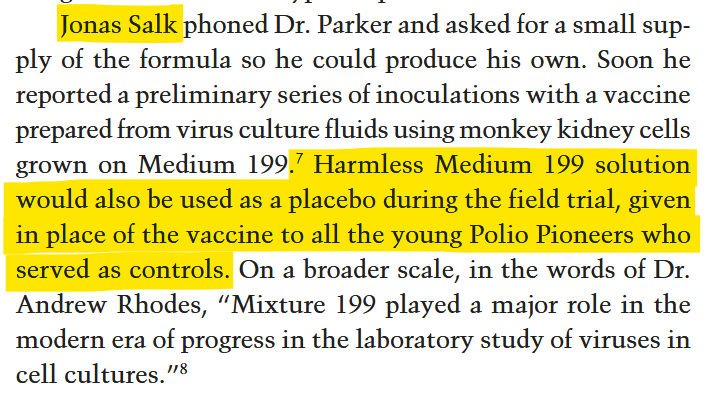
This excerpt was taken from the book: The Death of a Disease: A History of the Eradication of Poliomyelitis by Bernard Seytre & Mary Shaffer. Here is a link to a free digital copy you can download.
Mixture 199 / M-199 Ingredients
So we’ve established that the “placebo” group in the Salk trials was not a true, saline placebo but instead a slurry of 60+ ingredients called “Medium 199” or M-199. Here is a full ingredients list for that product, which is still manufactured today:
| Ingredient Name | Category / Function | Harm Rating (0-5) |
|---|---|---|
| Calcium Chloride (Anhydrous) | Mineral / Osmotic balance | 1 |
| Ferric Nitrate·9H2O | Iron source / Enzyme cofactor | 2 |
| Magnesium Sulfate (Anhydrous) | Mineral / Enzyme cofactor | 1 |
| Potassium Chloride (KCl) | Electrolyte | 1 |
| Potassium Phosphate Monobasic | Phosphate buffer | 1 |
| Sodium Acetate (Anhydrous) | Carbon source / Buffer | 1 |
| Sodium Bicarbonate | pH Buffer (Alkalinity) | 1 |
| Sodium Chloride (NaCl) | Saline / Osmotic pressure | 1 |
| Sodium Phosphate Monobasic | Phosphate buffer | 1 |
| L-Alanine | Amino Acid | 0 |
| L-Arginine hydrochloride | Amino Acid | 0 |
| L-Aspartic Acid | Amino Acid | 0 |
| L-Cysteine hydrochloride | Amino Acid | 1 |
| L-Cystine 2HCl | Amino Acid | 1 |
| L-Glutamic Acid | Amino Acid | 0 |
| L-Glutamine | Amino Acid (Energy source) | 0 |
| Glycine | Amino Acid | 0 |
| L-Histidine hydrochloride | Amino Acid | 0 |
| L-Hydroxyproline | Amino Acid | 0 |
| L-Isoleucine | Amino Acid | 0 |
| L-Leucine | Amino Acid | 0 |
| L-Lysine hydrochloride | Amino Acid | 0 |
| L-Methionine | Amino Acid | 0 |
| L-Phenylalanine | Amino Acid | 0 |
| L-Proline | Amino Acid | 0 |
| L-Serine | Amino Acid | 0 |
| L-Threonine | Amino Acid | 0 |
| L-Tryptophan | Amino Acid | 0 |
| L-Tyrosine disodium salt dihydrate | Amino Acid | 0 |
| L-Valine | Amino Acid | 0 |
| Ascorbic Acid (Vitamin C) | Antioxidant | 1 |
| Biotin (Vitamin B7) | Metabolic cofactor | 0 |
| Choline chloride | Cell membrane precursor | 1 |
| D-Calcium pantothenate (B5) | Metabolic cofactor | 0 |
| Folic Acid (Vitamin B9) | DNA synthesis cofactor | 1 |
| Menadione (Vitamin K3 synthetic) | Growth promoter | 2 |
| Niacinamide (Vitamin B3) | Energy metabolism | 1 |
| Nicotinic acid (Niacin) | Energy metabolism | 1 |
| Para-Aminobenzoic Acid (PABA) | Vitamin precursor | 1 |
| Pyridoxal hydrochloride (B6 form) | Enzyme cofactor | 1 |
| Pyridoxine hydrochloride (B6 form) | Enzyme cofactor | 1 |
| Riboflavin (Vitamin B2) | Energy metabolism | 1 |
| Thiamine hydrochloride (B1) | Energy metabolism | 1 |
| Vitamin A (Retinol Acetate) | Cell differentiation | 1 |
| Vitamin D2 (Calciferol) | Mineral metabolism | 1 |
| Alpha-tocopherol Phosphate (Vitamin E) | Antioxidant / Lipid stability | 1 |
| i-Inositol (B8 form) | Cell signaling | 0 |
| D-Glucose (Dextrose) | Primary sugar/Energy source | 0 |
| Phenol Red | pH color indicator | 2 |
| Tween 80 (Polysorbate 80) | Surfactant / Ingredient stabilizer | 1 |
| Adenine sulfate | Nucleic acid base | 1 |
| Adenosine 5'-phosphate (AMP) | Energy carrier / RNA precursor | 1 |
| Adenosine 5'-triphosphate (ATP) | Energy carrier | 1 |
| Cholesterol | Lipid (Cell membrane) | 1 |
| 2-Deoxy-D-ribose | Sugar (DNA building block) | 1 |
| Glutathione (Reduced) | Cellular antioxidant | 0 |
| Guanine hydrochloride | Nucleic acid base | 1 |
| Hypoxanthine Na | Nucleotide precursor | 1 |
| Ribose | Sugar (RNA building block) | 0 |
| Thymine | Nucleic acid base | 1 |
| Uracil | Nucleic acid base | 1 |
| Xanthine-Na | Nucleotide byproduct | 1 |
Source for Medium 199 ingredients: https://www.sigmaaldrich.com/US/en/technical-documents/technical-article/cell-culture-and-cell-culture-analysis/mammalian-cell-culture/medium-199-formulation
No Injection Group In the Salk Trials
In the Salk trials there was also a 3rd group that received no injections. This group was smaller and cannot be counted as a control due to the very well documented placebo effect.
The Salk polio trials did not have a true saline placebo group, and therefore we cannot make any claims about relative safety of that vaccine.
Big Tech Censorship
Google is a trillion-dollar corporate monopoly intertwined with the state and pharmaceutical industries. They are not incentivized to change their algorithm based on moral appeals; they are incentivized by profit, liability, and regulation.
Despite the fact that this article is 100% factual, Google and other search engines will likely suppress it because it does not blindly follow the globalist “consensus”. Additionally, knowing this information about the Salk polio trials could contribute to vaccine hesitancy, which would be bad for Google’s big-pharma BFFs.
Evading Censorship
If you haven’t already, please subscribe to my newsletter. I only send 1-2 emails per month, and never sell your information. This is one of the few remaining ways to get around big tech censorship, and gain access to real (sometimes inconvenient) information.
Another way to get around this is to de-google your life, and stick with search engines and companies who value truth. Brave search and Yandex are some good alternatives for search. Android phones can switch over to graphene OS.