How to Decalcify Your Pineal Gland
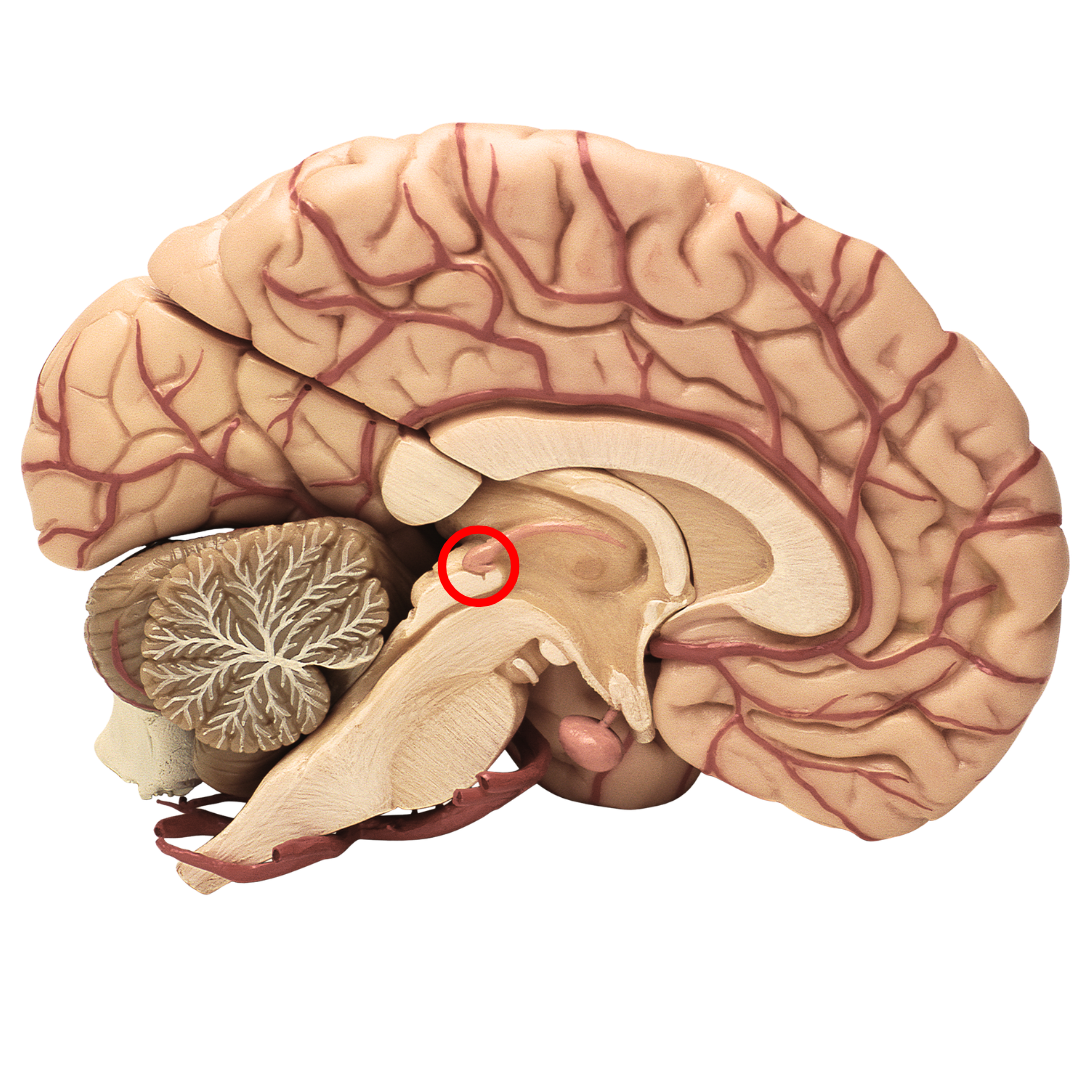
If you frequently consume health-related content online or have taken an anatomy class, you may have heard of this teeny organ that is responsible for regulating many of our daily rhythms. BEHOLD, the pineal gland!! In our modern world, there are unfortunately so many exposures that can cause this gland to be functioning suboptimally, which can have detrimental effects to our health. Here's my guide on how I protect my pineal gland from becoming calcified.
Please note that this article is being provided for educational purposes and is not medical advice. Please consult with your healthcare provider before trying anything you read online.
Before we get into the things that can be done to improve pineal gland health, let's begin by covering what the pineal gland does, how to know if your pineal gland may need some support, and common causes of pineal gland calcifications.
Let's get into it!!
What Does the Pineal Gland Do?
The pineal gland may only be about the size of a grain of rice, but it plays a surprisingly big role in human physiology and even our consciousness. Let's break down its functions based on established science plus historical/religious ideas and some of the emerging/debated research.
Sleep, Melatonin Production & Circadian Rhythm
Your pineal gland is responsible for releasing melatonin, which is the hormone that promotes sleep. Your pineal gland actually has photoreceptor/retina cells in it that are activated when exposed to light, letting your body know if it's night or daytime. This may be the reason why many spiritual traditions refer to the center of the forehead (right where the pineal gland would be) as the "third eye". But also, it explains why looking at screens late at night can mess up your circadian rhythm.
Daylight → Pineal activity suppressed → low melatonin.
Darkness → Pineal activity increases → melatonin rises, telling the body it's night.
Quick Side-Note About Melatonin Supplements:
You may have taken a melatonin supplement before to help you get to sleep. These are a synthetic version of the sleep hormone that's supposed to be released by your pineal gland. Adding a synthetically-made hormone to the mix has been shown in studies to be habit-forming (meaning that if you take melatonin often, it can make your body produce less of it over time, and then you'll always need to supplement in order to get to sleep).
If you struggle with falling asleep or your circadian rhythm is not regular, it's possible your pineal gland may not be functioning optimally. For overnight flights and other times where melatonin would be useful, I like to instead use sleep-supporting herbs like chamomile, skullcap, or valerian root and avoid blue lights (including screens) after dark.
Seasonal Biological Rhythms
The pineal gland also is involved with some more subtle seasonal rhythms including energy levels, mood and even potentially fertility. In animals, the pineal gland also helps regulate reproduction cycles, migration, and molting according to day length.
Antioxidant & Cellular Protection
Melatonin (produced by healthy pineal glands) is a potent antioxidant, scavenging free radicals and protecting DNA and mitochondria. It may help regulate inflammation and oxidative stress in the brain and other tissues.
Immune System Modulation
Melatonin (produced by healthy pineal glands) interacts with immune cells, potentially enhancing immune defense and moderating overactive immune responses.
Neuroendocrine Regulation
The pineal links the nervous system to the endocrine (hormone) system, influencing the hypothalamus, pituitary, and downstream hormones.
Neuroprotection & Aging
Pineal melatonin output declines with age, possibly contributing to sleep problems, neurodegenerative risk, and immune system decline. Researchers are studying whether preserving pineal health could slow aspects of aging.
Mood Regulation
Melatonin and other pineal indoles (like serotonin, pinoline) may influence mood disorders, seasonal affective disorder (SAD), and depression.
DMT Production
Some studies have detected N,N-dimethyltryptamine (DMT) in the mammalian brain, including in the pineal, but whether the pineal is a major human DMT source is debated. Some scientists believe that DMT is secreted by the pineal gland at birth, during dreaming, and at near death to produce out of body experiences and/or altered states of consciousness.
DMT is actually a compound found in one of the plants used in Ayahuasca ceremonies, which are known to provoke both altered states of consciousness and out of body experiences that many participants describe as being both traumatic and also very cleansing/healing.
Ancient Egyptian cultures also viewed this area of the brain as the "Eye of Horus", the "third eye" or the "seat of the soul", which lines up with many of the other more esoteric ideas that accompany the pineal gland.
Symptoms of a Calcified Pineal Gland
Some of these symptoms are non-specific to pineal gland calcification, so if you have several of these it may be a good idea to investigate further with a holistic practitioner. My experience has been that "western" MDs are unlikely to take this seriously, so I would advocate that you work with a naturopath, functional MD or other holistic-minded physician.
1. Sleep-Related Symptoms
Studies consistently show that pineal calcification correlates with lower melatonin production, and the severity of calcification can track with more fragmented sleep patterns.
- Difficulty falling asleep or staying asleep
- Altered circadian rhythm (feeling awake late at night, sleepy during the day)
- Less restorative sleep, waking unrefreshed
- Increased nighttime waking in older adults
2. Mood & Cognitive Changes
- Seasonal affective disorder (SAD) or winter depression
- Lower overall mood, mild depression, or anxiety
- Brain fog or decreased mental clarity
- Increased risk of ADHD and learning deficits in children
- Decreased IQ — Meta-analysis from NIH found that for every 1 mg/L increase in urinary fluoride, there is a decrease of 1.63 IQ points in children
- Reduced stress resilience
3. Hormonal & Biological Rhythm Disturbances
- Disrupted menstrual cycles or reproductive hormone imbalances (melatonin influences the hypothalamus-pituitary-gonadal axis)
- Lower libido
- Irregular appetite patterns (melatonin interacts with metabolic hormones like leptin and insulin)
- Increased likelihood of being overweight/obese in childhood
- Possible contribution to earlier puberty onset in children with high calcification rates (seen in some studies)
4. Aging & Neurodegenerative Links
- Faster decline in sleep quality with age
- Potential increased risk of Alzheimer's disease or Parkinson's (still debated — correlation seen, causation not proven)
- Reduced antioxidant protection in brain tissues, which may increase oxidative stress load
5. Subtle or Gradual Nature
- Calcification is often symptomless at first, especially in younger people
- Early signs can be mistaken for stress, aging, or lifestyle-related sleep/mood issues
- The most consistent measurable change is reduced nighttime melatonin in saliva, blood, or urine
What Causes Pineal Calcification
The main root cause of pineal calcification is fluoride exposure. There are some other causes, but fluoride remains the main one that affects the most people. Calcification happens when mineral deposits build up inside the gland's tissue. The pineal gland is very high in calcium, which fluoride binds to really easily. Over time, fluoride, heavy metals, and certain metabolic conditions can be incorporated into those deposits, turning them into fluoroapatite or other mineral complexes.
Fluoride's Effect on Sleep
One study examined associations between fluoride exposure and sleep outcomes among older adolescents and adults in Canada and found that fluoride exposure may contribute to "sleeping less than the recommended duration".
This likely is because fluoride is a really "grabby" molecule, and readily binds to calcium. This could totally impact your sleep since your pineal gland is a very calcium-rich area of the body, making it the prime landing spot for any fluoride exposures.
Common Sources of Fluoride
Beverages
- Fluoridated tap water (primary fluoride source in many countries, including the USA) — ~0.7 mg/L in the U.S., sometimes higher. Also, the fluoride the city adds to tap water is not from a natural mineral source, but instead is a very toxic byproduct of the synthetic fertilizer industry.
- Black tea & brick tea (Camellia sinensis, mature leaves) — can exceed 3-6 mg/L; brick tea in Tibet/China up to 20+ mg/L. If you're a tea drinker, opt for organically grown "first flush" or leaves picked when the plant is very young as these will typically have way less fluoride.
- Cheap bottled iced teas — these are often made from strong extracts of low-grade leaves, fluoride content similar to or higher than hot tea. Also likely made with fluoridated water unless stated otherwise on the bottle.
- Mechanically deboned meat broths — e.g., processed chicken/turkey soups from fast food or cans; fluoride from bone particles.
- Instant teas & powdered tea drinks — concentrated extracts carry fluoride forward.
Food Sources of Fluoride
- Canned fish eaten with bones: sardines, canned salmon (with soft bones) can have elevated fluoride. Fish bones, like all vertebrate bones, are made of hydroxyapatite that naturally incorporates fluoride from the fish's environment. You can buy from some smaller canneries who provide third-party testing COAs for fluoride and heavy metals, or just get fish without bones.
- Processed chicken nuggets/patties — if made from mechanically separated meat.
- Some grape products — especially raisins, grape juice, and wine from vineyards using cryolite (sodium aluminum fluoride) as a pesticide. Opt for organic.
- Stored grains and dried fruits — sulfuryl fluoride is a fumigant commonly used on stored wheat, oats, corn, dried fruits, nuts, and cocoa beans in commercial facilities. This is a sneaky exposure that most people miss because it's not listed on ingredient labels. Buying organic helps reduce this risk since organic certification generally prohibits sulfuryl fluoride fumigation.
- Fruits and vegetable produce: Because conventional farming methods do not include crop rotations with remineralizing treatments as seen with regenerative farming methods, our soils are super depleted in minerals. Demineralization leads to an increased concentration of fluoride in the soil and water.

Medications that Contain Fluoride
These have a slightly different chemical makeup than the ionic fluoride (F-) found in food and tap water, but still release a small amount of fluoride that can contribute to organ calcification, especially if taken daily for decades (like SSRIs).
Please do not stop taking your meds, this is not medical advice. Please consult with your doctor before making any changes to your medications.
- Ciprofloxacin and other fluoroquinolone antibiotics: Ciprofloxacin (Cipro), Levofloxacin (Levaquin), Moxifloxacin (Avelox), Gemifloxacin (Factive), Ofloxacin, Norfloxacin (Noroxin), Lomefloxacin (Maxaquin), Gatifloxacin (Zymar, Tequin), Besifloxacin (Besivance - ophthalmic), Delafloxacin (Baxdela), and Sparfloxacin (Zagam) which is still used in some countries.
- Voriconazole (antifungal medication) — documented to raise serum fluoride enough to cause periostitis in long-term therapy
- Some SSRIs (Fluoxetine/Prozac, Paroxetine/Paxil, & Fluvoxamine/Luvox), anesthetics, and certain chemotherapeutics
- Some inhaled anesthetics (e.g., sevoflurane) are well-known to produce inorganic fluoride as a breakdown product
Dietary / Environmental Sources of Fluoride
- Excessive dietary calcium in the absence of K2, D3, and magnesium — can drive calcium into soft tissues.
- High-phosphate processed foods (colas, processed meats, phosphate additives) — disrupt calcium-phosphate balance.
- Aluminum exposure (fluoride binds really easily to aluminum): cookware, aluminum foil, vaccines, antacids, baking powders, processed cheese. Aluminum can combine with phosphate in calcifications.
- Heavy metals (lead, cadmium, mercury): promote oxidative stress and abnormal mineral deposition throughout the body, which then bind to fluoride.
Lifestyle / Biological Fluoride Sources
- Chronic inflammation can promote tissue mineralization (systemic or brain-specific inflammation). This means that if you have chronic inflammation, your body will grab onto all minerals (including fluoride) much more easily.
- Sleep disruption / melatonin suppression: Low melatonin may be associated with faster pineal calcification. This is kind of a "chicken or egg" question, since calcified pineal glands can also cause melatonin suppression.
- Fluoride toothpaste & mouth rinses: Even without swallowing, a small amount is absorbed; chronic use adds to body burden.
Historically, When Did Calcified Pineal Glands Start Becoming a Widespread Issue?
- Ancient times: Paleopathology (study of ancient skeletal remains) and some mummified remains show that pineal calcifications did occur thousands of years ago, but typically in older adults. There's little evidence it was common in youth or middle age.
- 1700s-1800s: The pineal gland was dissected and described in European anatomy texts, but calcifications were often noted as "age-related concretions" in older cadavers, not universal. These were considered a normal part of senescence, not a pathology.
- Early 1900s: Autopsy studies in industrialized cities started showing a higher percentage of younger individuals with pineal calcification compared to rural populations. This correlated with more processed diets, higher phosphate additives, and possibly higher environmental fluoride in urban water supplies.
- Mid-Late 20th century: After widespread artificial water fluoridation (starting ~1945 in the U.S.) and the rise of industrial food processing, studies from the 1960s-1980s began documenting pineal calcifications in children and teens — something rarely reported before. At the same time, total fluoride exposure was increasing via dental products, tea, pesticide residues, and processed food.
- Modern imaging (CT/MRI era): Large-scale brain imaging studies show prevalence rates of pineal calcification in adults ranging from 40-70% globally, with higher rates in countries with high-fluoride drinking water or heavy black tea consumption. Some studies now detect calcifications in over 30% of people under 20 in fluoridated regions, suggesting it's not just an aging marker anymore.
Why Calcifications Likely Became More Widespread
Over recent decades we have seen a much higher lifetime fluoride intake/exposure from water, toothpaste, pesticides, tea and processed foods compared to the pre-industrial age. Before global supply chains, modern dentistry practices and other common exposures became ubiquitous, we easily avoided most sources of fluoride.
Additionally, we have seen changes in the mineral levels in our diets from depleted soils and the addition of phosphate additives, less K2 and magnesium. Our crops are super mineral-depleted due to modern farming practices, which do not rotate crops between growing seasons, leading to very nutrient-deficient fruits and vegetables compared with a century ago. As a result, so many of my clients and people I meet seem to have a subclinical deficiency in minerals. This is a huge problem because if you are depleted in minerals, your body immediately will grab on to any minerals you consume, which can include heavy metals and fluoride.
Industrial pollution and heavy metals such as aluminum and lead are found in so many products today, including infant formula, produce, tap water, cosmetics and vaccines. These contaminants are ubiquitous, and easily bind to soft tissues, creating calcifications. It is extremely costly and time consuming for us as individual consumers to research and avoid all of these contaminated products.
Some people also argue that we are living longer lives now, and therefore there are more cumulative exposure risks. I personally think that since the data show a spike in calcifications in younger populations, not just old people, "living longer" is probably not playing a huge role in the increase.
How to Decalcify Your Pineal Gland
The #1 way to keep your calcification levels low is to prevent accumulation by avoiding sources of fluoride. Detoxing the body from fluoride takes a long time (like over 1-5 years depending on your cumulative exposures), and is not easy to do. It's obviously better to avoid getting calcified in the first place.
This is not medical advice. Please do not go off your meds without guidance from your healthcare provider.
There are 2 different ways fluoride generally exists in the body: circulating blood fluoride and fluoride that has been incorporated into the bones and tissues. The approach to dealing with each is a little different:
Circulating Fluoride in the Blood
- As long as your dietary calcium and magnesium are at good levels, fluoride will be excreted via urine pretty easily. You can get your levels tested for both of these nutrients via your doctor or independent lab. Make sure to test "red blood cell" (RBC) magnesium and not serum magnesium. Virtually no one is deficient in serum mag, but it's the test docs often choose for some reason.
- Avoid continued intake: Use fluoride-free water (distilled, reverse osmosis, or natural low-fluoride spring water). Avoid high-fluoride foods/drinks/environmental things as mentioned above (again, this is not medical advice, please consult with your healthcare provider before trying anything you read online).
- Ensure adequate dietary minerals: Calcium, magnesium, and boron can bind fluoride and reduce its absorption in the gut. Adequate magnesium may also help with mobilizing fluoride from soft tissues. I like to use magnesium glycinate because it is bioavailable and is less likely to give diarrhea compared with other forms.
- Increase urinary excretion: Staying hydrated (urinating 5-6 times per day) and maintaining kidney health supports fluoride elimination.
Fluoride That Has Been Incorporated into Bones & Calcified Tissues
Once fluoride has bonded in with your tissues it is much harder to remove. Once it replaces hydroxyl groups in hydroxyapatite to form fluoroapatite, it's very stable and only turns over as the mineral itself is remodeled, which in bones can take years to decades.
Potential approaches for mobilizing stored fluoride:
Evidence is much more limited on this topic, especially in humans. Some animal and cell studies, plus a few human observations, suggest certain nutrients and interventions might help mobilize fluoride from calcified tissues, but results are variable (again, reminder that this is not medical advice):
- Boron: (often from borax in water in some studies, or from diet via prunes, raisins, almonds). Some research suggests boron may reduce bone fluoride content and support calcium/phosphate balance.
- Magnesium: Adequate magnesium intake can help keep calcium and fluoride from forming insoluble deposits in soft tissues, possibly reducing further calcification.
- Vitamin K2 + D3 synergy: Ensures calcium is directed into bones/teeth and away from soft tissues. This may indirectly support healthier mineral turnover, though it doesn't directly chelate fluoride.
- Phosphorus balance: Because hydroxyapatite is a calcium-phosphate crystal, phosphate status can influence bone mineral turnover and potentially release incorporated fluoride during remodeling.
- Turmeric / Curcumin: Curcumin has been studied for its neuroprotective and anti-inflammatory properties in the brain. Some animal studies suggest curcumin may offer protection against fluoride-induced neurotoxicity and oxidative damage. While it won't directly chelate fluoride out of calcified tissue, it may help protect pineal cells from further damage and support the body's overall detoxification pathways. I like to take turmeric as a whole root (fresh or powdered) with black pepper to increase absorption, rather than isolated curcumin extracts.
- Chaga mushroom: Chaga (Inonotus obliquus) is extremely high in melanin, which is structurally related to melatonin and has potent antioxidant properties. While there isn't direct research on chaga and pineal decalcification specifically, its melanin content and ability to support antioxidant defenses make it a popular choice in holistic protocols aimed at pineal health. Chaga also supports immune modulation and may help reduce the chronic inflammation that contributes to tissue calcification. I like chaga as a tea or dual-extracted tincture.
Spirulina
- A study in lambs exposed to high fluoride found that Spirulina platensis supplement (500 mg/kg/day) significantly reduced plasma fluoride levels (~67%) and helped prevent dental fluorosis, likely via its rich mineral and antioxidant profile.
- A study done on mice, combining spirulina with tamarind pulp improved recovery after fluoride exposure and mitigated kidney damage and oxidative stress.
- Some spirulina supplements have tested high for fluoride, so please make sure you're buying it from a reputable source that publishes third-party testing with COAs.

Tamarind for Fluoride Removal
Tamarind deserves its own section because it's one of the few natural interventions with actual human data behind it. Tamarind (Tamarindus indica) fruit pulp has been studied for its ability to increase urinary fluoride excretion, helping the body eliminate circulating fluoride more efficiently.
One notable study was conducted on boys in a high-fluoride region of India. The group given tamarind showed significantly higher urinary fluoride excretion compared to the control group, suggesting that regular consumption of tamarind can help the body clear fluoride that hasn't yet been deposited in bones or tissues.
The mechanism is thought to involve tamarind's high tartaric acid and mineral content, which may influence the way fluoride is handled by the kidneys. It's also rich in magnesium, potassium, and other trace minerals that support overall mineral balance.
How to use tamarind:
- Tamarind paste or pulp can be added to soups, sauces, curries, and dressings. It has a tart, slightly sweet flavor that works really well in Asian and Latin American cooking.
- You can also make a simple tamarind water by dissolving a tablespoon of tamarind paste in warm water and drinking it as a tonic.
- Tamarind is widely available at international grocery stores and online. Look for organic when possible.
- As mentioned in the spirulina section, combining tamarind with spirulina may have synergistic benefits based on the animal studies available.
Iodine & Halide Displacement
Iodine is one of the most commonly discussed supplements when it comes to pineal gland health, and for good reason. Fluoride is a halide, meaning it belongs to the same chemical family as iodine, chlorine, and bromine. These halides compete with each other for receptor sites in the body, and when your iodine levels are low, fluoride and bromine can more easily take up residence in tissues where iodine should be — including the thyroid and potentially the pineal gland.
The concept here is called "halide displacement." When you have adequate iodine levels, iodine is thought to help displace fluoride and bromine from receptor sites, supporting the body's ability to excrete them. This is also why iodine supplementation is so closely tied to thyroid health — the thyroid is another gland that is very susceptible to fluoride accumulation.
A few things to know about iodine supplementation:
- Many people are iodine-deficient, especially if they don't eat seafood or use iodized salt regularly. Iodine deficiency has become more common as people switch to sea salt, Himalayan pink salt, and other non-iodized salts.
- Food sources of iodine include seaweed (kelp, nori, dulse), wild-caught fish, pastured eggs, and cranberries.
- If you're considering iodine supplementation, it's important to start low and go slow, especially if you've been deficient for a long time. Rapid iodine loading can trigger detox reactions as fluoride and bromine are displaced. Some people experience skin breakouts, fatigue, or headaches during this process.
- Selenium is an important cofactor for iodine metabolism, so making sure your selenium levels are adequate (Brazil nuts are a great source) before supplementing iodine heavily is a smart move.
- I would recommend working with a holistic practitioner who can test your iodine levels and guide your supplementation. An iodine loading test can give you a good baseline of where you're at.
Water Filtration Guide: What Actually Removes Fluoride
This is one of the most important practical steps you can take, and also one of the most confusing. A lot of people assume that their water filter removes fluoride, but most standard filters do NOT. Here's a breakdown of what works and what doesn't:
Filters That DO Remove Fluoride
- Reverse Osmosis (RO): This is probably the most effective and accessible option for home use. RO systems push water through a semi-permeable membrane that removes 90-95%+ of fluoride along with most other contaminants. You can get under-sink RO systems or countertop units. The downside is that RO also removes beneficial minerals, so I recommend remineralizing your water with trace mineral drops or a pinch of Celtic sea salt.
- Bone Char Carbon Filters: Bone char is made from charred animal bones and is specifically effective at adsorbing fluoride. Some gravity-fed filter systems (like Berkey with the optional fluoride filters) use bone char elements. This is a good option if you don't want to deal with RO plumbing.
- Activated Alumina Filters: These are aluminum oxide-based filters specifically designed to adsorb fluoride. They're effective but some people in the holistic health space are cautious about them because of the aluminum component, although manufacturers say the aluminum does not leach into the water. Use your own judgment here.
- Distillation: Water distillers boil water into steam and collect the condensed vapor, leaving fluoride and most other contaminants behind. Effective but slow and also removes minerals, so remineralization is important.
Filters That DO NOT Remove Fluoride
- Standard carbon/charcoal filters (like Brita, PUR, most fridge filters) — these are great for removing chlorine taste and some contaminants, but they do NOT remove fluoride. This is the most common misconception I run into.
- Boiling water — this actually concentrates fluoride because the water evaporates but the fluoride stays behind.
- UV filters — these kill bacteria and viruses but do nothing for fluoride or chemical contaminants.
If you're not ready to invest in a home filtration system, buying distilled or RO-filtered water in glass jugs from the grocery store is a reasonable short-term option. You can also check FindASpring.com for natural springs in your area that may have low fluoride levels (some springs publish their water quality reports).
Blue Light & Pineal Gland Protection
We talked earlier about how the pineal gland has photoreceptor cells and responds directly to light exposure. This means that protecting your pineal gland isn't just about what you eat and drink — it's also about your light environment, especially after sunset.
Blue light (the wavelength emitted by phones, laptops, tablets, TVs, and LED/fluorescent lighting) signals to your pineal gland that it's still daytime. When you're scrolling your phone at 11pm, your pineal gland is getting the message that it's not time to produce melatonin yet. Over time, this chronic suppression of melatonin production can compound the effects of calcification.
Here are some practical things you can do starting tonight:
- Blue light blocking glasses: Wear them after sunset if you're going to be around screens or artificial lighting. Look for lenses that block the 400-500nm wavelength range (these will be amber or red-tinted, not the clear "blue light" glasses which barely do anything).
- Night mode on all devices: Enable Night Shift (iPhone), Night Light (Windows), or f.lux (desktop app) on all your devices. These shift your screen to warmer tones after sunset. Better than nothing, but not a replacement for blue light glasses or just turning screens off.
- Switch to warm lighting after dark: Swap out bright white LED bulbs in your bedroom and living spaces for warm-toned bulbs (2700K or lower). Even better, use salt lamps, beeswax candles, or red-tinted bulbs in the evening. Red light does not suppress melatonin production.
- Set a screen curfew: Try to stop looking at screens 1-2 hours before bed. I know this is hard (trust me), but it makes a noticeable difference in sleep quality. Use this time for reading (a real book!), journaling, stretching, or herbal tea.
- Get morning sunlight: This one's just as important as reducing evening blue light. Getting direct sunlight in your eyes (no sunglasses) within the first 30-60 minutes of waking helps set your circadian rhythm for the day and actually strengthens your pineal gland's ability to regulate melatonin properly. Even 10-15 minutes makes a difference.
What About Sweating / Sauna / High-Intensity Interval Training?
While these are good for you in other ways and definitely help sweat out heavy metals, PFAS and other toxins, sweating and exercise does not really help with fluoride or pineal gland decalcification. This is because fluoride is pretty much only excreted via urine/kidneys.
Sample Daily Protocol: Putting It All Together
I know this article covers a LOT of ground, so here's a sample daily routine that incorporates the key principles. This is what a "pineal-supportive" day might look like. Adjust based on your own situation, and of course, work with your healthcare provider on any supplementation.
This is not medical advice.
Morning
- Get outside for 10-15 minutes of direct sunlight within the first hour of waking (no sunglasses). This sets your circadian clock for the day.
- Drink a large glass of filtered water (RO, distilled, or spring) with a pinch of Celtic sea salt or trace mineral drops for remineralization.
- Take your minerals with breakfast: magnesium glycinate, vitamin D3+K2, and selenium (or a Brazil nut or two).
- If you're incorporating iodine, take it in the morning with selenium.
Midday
- Continue drinking filtered water throughout the day. Aim to urinate 5-6 times — this supports ongoing fluoride excretion.
- Eat mineral-rich whole foods: dark leafy greens, pastured eggs, wild-caught fish, organic fruits and vegetables.
- If you drink tea, choose organic first-flush or young-leaf varieties, brewed with filtered water.
- Add tamarind to a meal (in a dressing, sauce, or soup) or drink tamarind water as a tonic.
Evening
- Switch to warm lighting after sunset. Put on your blue light blocking glasses if you'll be around screens.
- Try to set a screen curfew 1-2 hours before bed.
- Wind down with sleep-supporting herbs: chamomile, skullcap, or valerian root tea (brewed with filtered water!).
- If you use chaga or turmeric, evening is a great time for chaga tea or a golden milk with whole turmeric and black pepper.
Ongoing
- Use fluoride-free toothpaste (hydroxyapatite-based is a great alternative).
- Cook with stainless steel, cast iron, or ceramic instead of aluminum.
- Choose organic produce, grains, and dried fruits when possible to reduce sulfuryl fluoride and pesticide exposures.
- Incorporate spirulina from a reputable source (check for third-party COAs).
- Be patient — reducing your body's fluoride burden is a long-term process (1-5+ years), so consistency matters more than perfection.
What About Cavities?
You may be wondering how I prevent dental cavities without the use of fluoride. I have been using non-fluoride toothpaste for almost a decade, and have had only 3 small cavities throughout my entire life, 2 of which occurred while I was regularly using fluoride toothpaste. There are other ways to prevent cavities aside from fluoride that are far less harmful for your health.
The issue with fluoridated water for tooth health is that everyone drinks a different amount of water, there is no way to standardize the dose you're getting from tap water, plus tap water contains a wide range of other contaminants like heavy metals.
There are other toothpastes that also repair enamel that do not contain fluoride such as hydroxyapatite. I use hydroxyapatite toothpaste, however some people choose not to due to the fact that most sources are synthetically made and/or the compound was discovered and synthesized by NASA.
Frequently Asked Questions
Can you actually see pineal gland calcification on a scan?
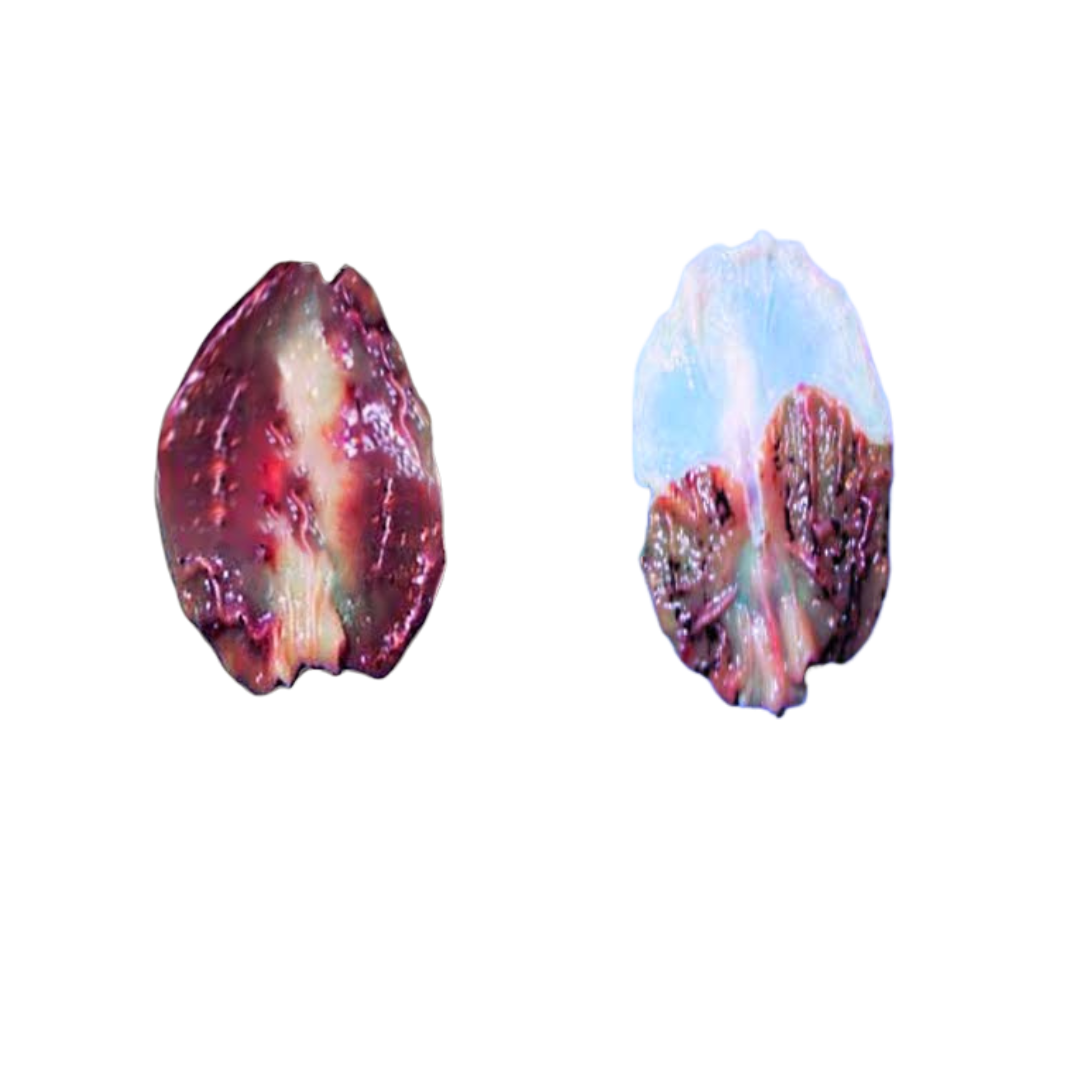
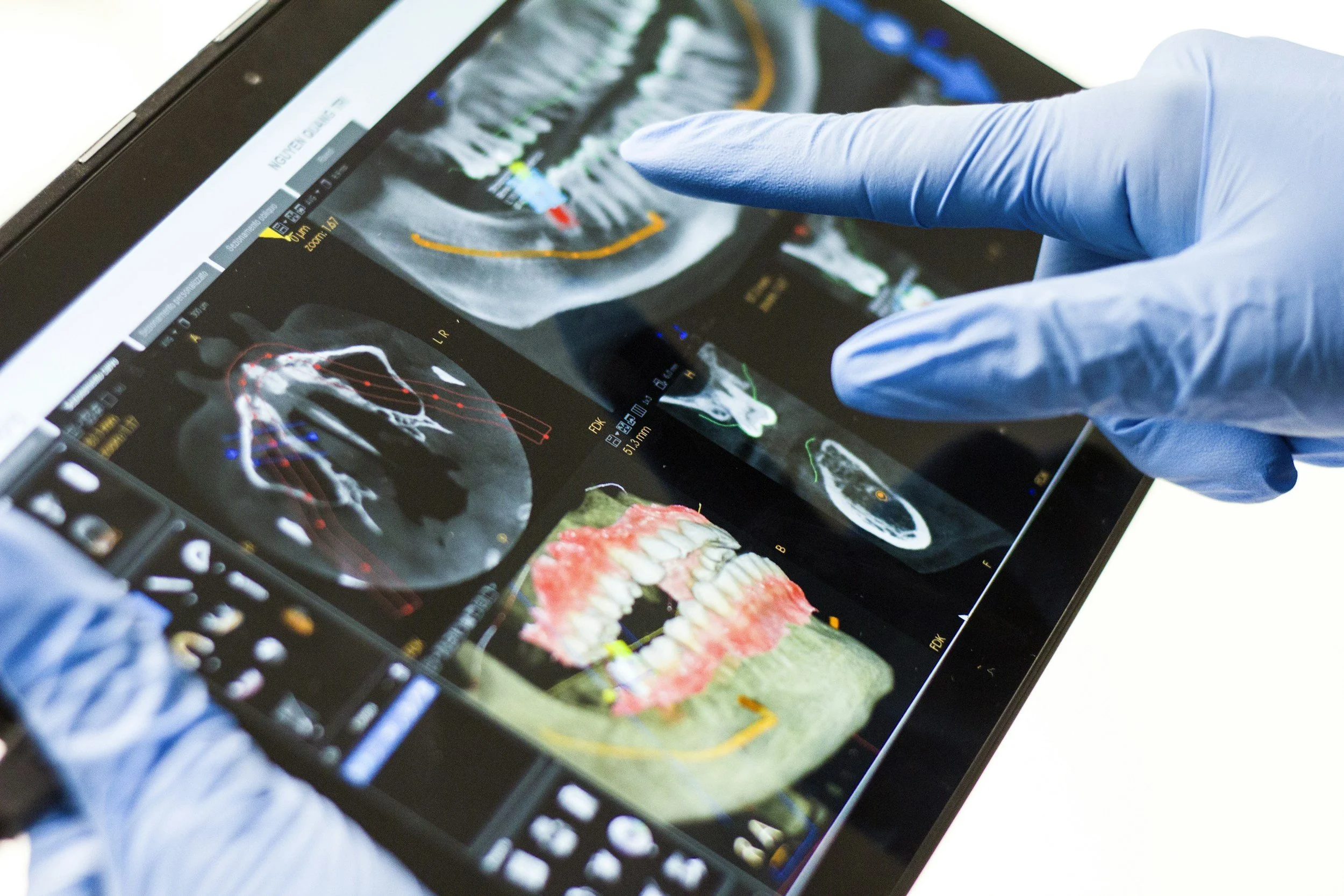
Yes! Pineal calcifications can show up on CT scans and sometimes on X-rays. In fact, radiologists have been noting pineal calcifications on brain imaging for decades. If you've ever had a head CT or brain MRI, you can ask your doctor if pineal calcification was present. It often goes unreported because most conventional practitioners consider it a "normal" incidental finding. Some holistic practitioners will specifically look for this on imaging.
How long does it take to decalcify the pineal gland?
There's no straightforward answer because it depends on how much calcification has built up, how long the fluoride exposure has been going on, and how aggressively you change your habits. Some people report improvements in sleep quality and mental clarity within a few weeks of reducing fluoride exposure and improving mineral intake — but that's likely from reducing circulating fluoride. For fluoride that's already been incorporated into calcified tissue, the turnover process can take anywhere from 1 to 5+ years depending on the individual. Think of this as a long-term lifestyle shift, not a quick fix.
Is pineal calcification reversible?
The honest answer is: we don't fully know yet. There's limited human research specifically on reversing pineal calcification. What we do know is that reducing fluoride intake, supporting mineral balance, and improving overall detoxification pathways can help prevent further calcification and may support slow mineral turnover over time. Some holistic practitioners and their patients report improvements, but controlled clinical studies are lacking. The strongest move you can make is prevention — stop adding to the burden.
Does everyone's pineal gland become calcified eventually?
Not necessarily. While some degree of pineal calcification is very common in industrialized populations (40-70% of adults show calcification on imaging), it's not inevitable. Studies of populations with lower fluoride exposure tend to show lower rates of calcification. Historical autopsy records also suggest it was much less common in younger people before widespread water fluoridation and industrial food processing. Age is a factor, but the modern environment is a much bigger one.
I take an SSRI that contains fluoride. Should I stop?
Please do NOT stop taking your medications without talking to your doctor. I want to be very clear about that. The fluoride released from SSRIs is a small contributor compared to water and dietary sources. If you're concerned, work with a holistic or functional medicine provider who can help you explore your options safely. There may be non-fluorinated alternatives for your specific medication, but that decision should always be made with professional guidance.
What about fluoride in shower water?
Fluoride is not easily absorbed through the skin the way chlorine is, so shower water is generally considered a lower-priority exposure compared to drinking water. That said, if you're taking very long hot showers or baths, there is some potential for absorption, and you're also inhaling steam that may contain fluoride. Whole-house filtration systems with fluoride removal capability exist but can be expensive. I'd prioritize your drinking and cooking water first.
Are there any tests I can do to check my fluoride levels?
Yes, you can test fluoride levels through urine testing, which reflects recent fluoride exposure. A 24-hour urine collection is considered the most accurate method. Some integrative and functional medicine practitioners offer this testing. You can also test through independent labs without a doctor's order in many states. Keep in mind that urine fluoride mainly shows circulating fluoride — it won't tell you how much fluoride is stored in your bones or calcified tissues.
Is spring water always fluoride-free?
No! Spring water can contain naturally occurring fluoride depending on the geology of the source area. Some springs have very low fluoride levels, while others can actually be quite high. Always check the water quality report for any bottled spring water you're buying. Websites like FindASpring.com can help you locate natural springs, and many will have testing data available. When in doubt, RO or distilled water (with minerals added back in) is the safest bet for fluoride avoidance.