Chaparral Herb (Larrea tridentata): Benefits on Record, Side Effects and the Creosote Bush
Chaparral herb is the dried leaf and twig of Larrea tridentata, the creosote bush of the Mojave, Sonoran and Chihuahuan deserts. Desert tribes of the southwestern United States used it for generations, and Mexican folk medicine still calls it gobernadora or hediondilla. The plant also carries a long record of caution. This article covers what the chaparral plant is, the chaparral herb benefits described in the traditional record, what laboratory research has found about its main resin compound, and the liver side effects that changed how herbalists talk about it in the 1990s.
Key takeaways
- The chaparral herb is creosote bush, a desert shrub of the southwestern United States and northern Mexico. It is not a plant of the California chaparral biome.
- Pima, Cahuilla and Tohono O'odham communities used the leaf as a tea, wash and poultice for colds, sores and joint pain.
- Its main resin compound, nordihydroguaiaretic acid (NDGA), is well studied in the lab. Controlled human trials do not exist.
- Case reports link capsules and long-term daily tea to liver injury and, in one case, kidney disease. Handling the fresh plant has caused contact dermatitis.
- A Mojave clone of this plant is estimated at 11,700 years old.
This article is educational and describes historical and traditional uses. It is not medical advice, and it does not diagnose, treat or recommend chaparral for any condition. I am a clinical herbalist, not a physician. Chaparral has been associated with serious liver injury in published case reports, and no safe internal dose has been established. Do not start or stop any medication based on this article. Talk with a qualified healthcare provider before using any herb, and avoid chaparral if you are pregnant, nursing, or have liver or kidney disease. Yellowing skin or eyes, dark urine, pale stool, nausea or right-side abdominal pain after using any herb calls for stopping it and seeking care.
What Is the Chaparral Plant?
Evidence: botanical literature and field observation
The name causes confusion, because in ecology chaparral means the shrubland of coastal and inland California, a mix of manzanita, ceanothus and scrub oak. The chaparral of herbalism is a different plant from a different place. Larrea tridentata is a resinous evergreen shrub of the hot deserts. It has small, waxy, dark green leaves that grow in pairs, five-petaled yellow flowers and fuzzy white seed capsules. Old plant traders called any dense desert scrub chaparral, and the label followed this plant into commerce.
Creosote bush is the plant behind the smell of desert rain. The leaves are coated in a resin that makes up a large share of their dry weight. Water on that resin releases the sharp, tar-like scent that gives the plant its English name. The resin is also where most of the studied chemistry lives, including nordihydroguaiaretic acid, the lignan discussed later in this article.1
The chaparral bush is also one of the oldest living things on Earth. In the Mojave Desert near Lucerne Valley, California, botanist Frank Vasek studied a ring of creosote shrubs that all grew from a single original plant. The center died long ago, and the ring kept spreading outward at a measured rate. Vasek estimated the clone, now called King Clone, at about 11,700 years old.2
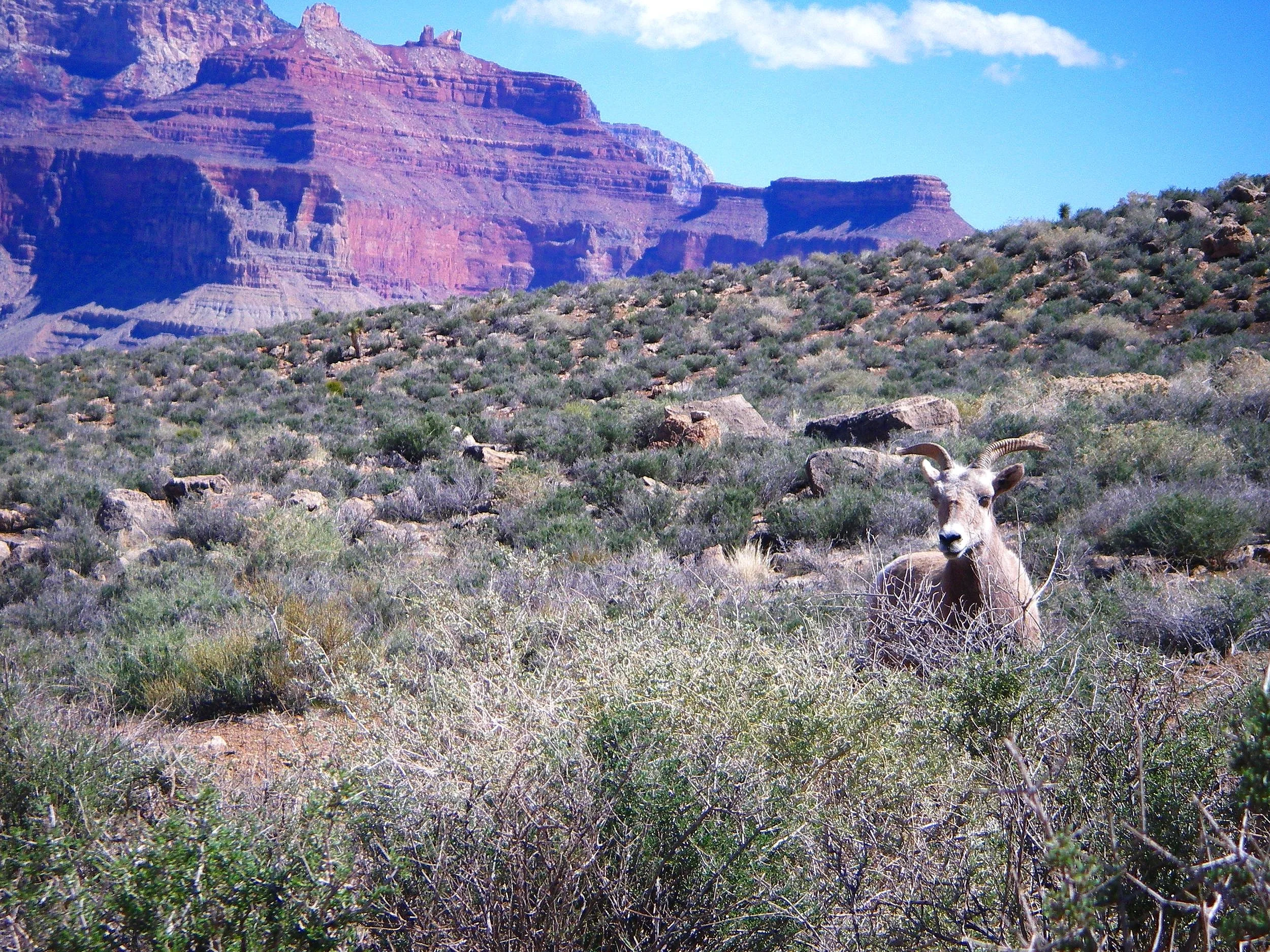
The photos in this article were taken by my dad when we lived in Flagstaff, Arizona, between about 2003 and 2008. We spent a lot of that time backpacking in the desert wilderness areas south of town, and creosote flats were a constant part of the scenery.
Where the Chaparral Bush Grows
Evidence: field ecology, including a 2019 post-fire study
Creosote bush ranges across Arizona, Nevada, southern Utah, southeastern California, New Mexico and west Texas in the United States, and south into northern Mexico. It dominates the Sonoran, Chihuahuan and Mojave deserts. Its deep, wide root system reaches water that shallower plants cannot. In many basins it forms near-monocultures called creosote flats, with shrubs spaced evenly across the ground.
Creosote bush is poorly adapted to fire. Its resinous foliage burns readily, and Mojave and Sonoran surveys put the resprouting rate after a burn at 3 to 30 percent of shrubs.3 The shrubs that do resprout grow faster than before. A 2019 study of plants twelve years after a 2005 Mojave fire found that survivors added stem length 2.6 times faster and produced 4.7 times more fruit than unburned neighbors.4 Invasive grasses are raising desert fire frequency, and the low survival rate, not the vigor of the survivors, will decide the future of creosote flats.
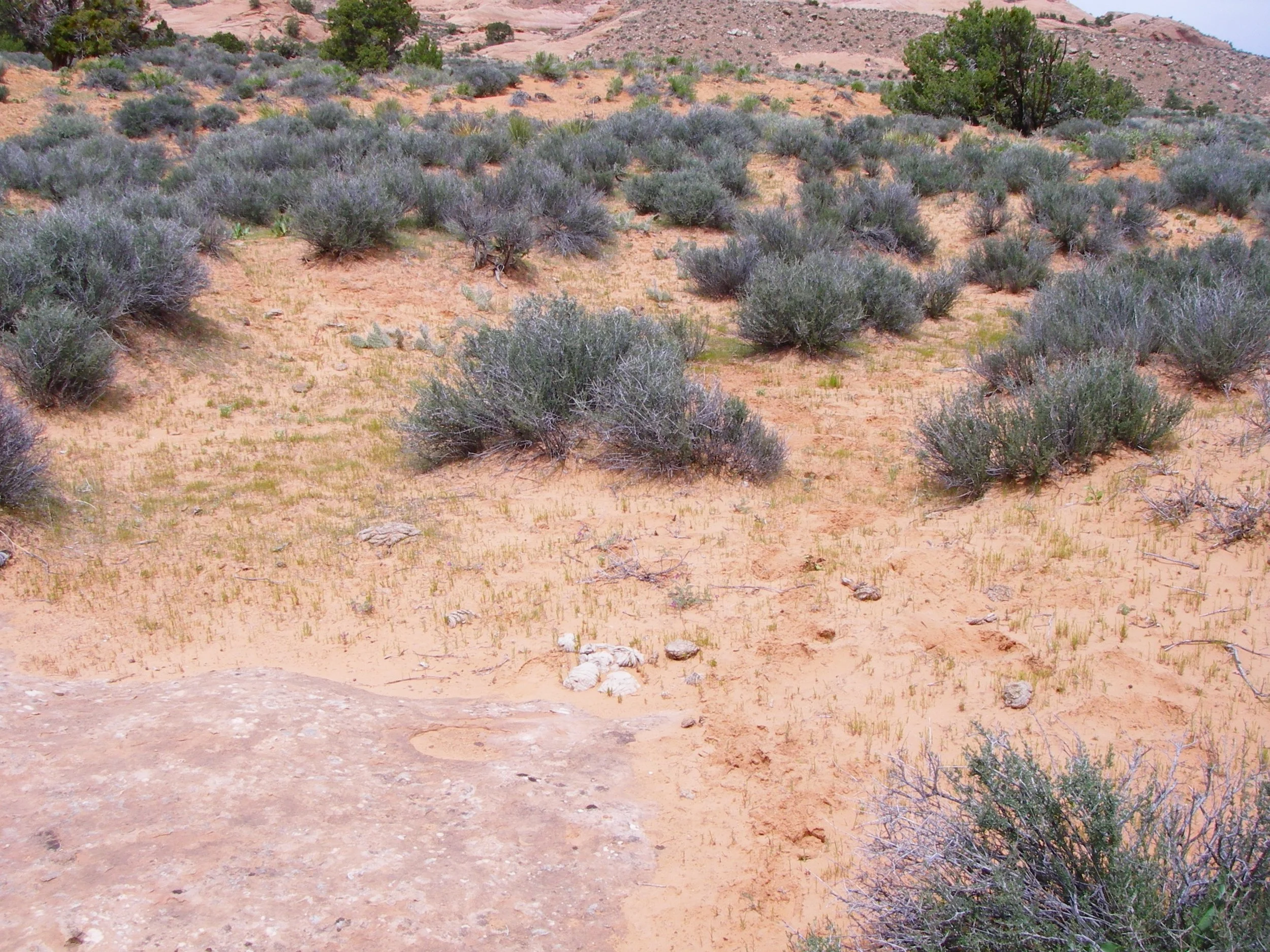
Old growth chaparral
Taste and Energetics
Evidence: traditional herbal classification
Chaparral tastes bitter, astringent and resinous, with the same tar note as its smell. Western herbalists classify it as cooling and drying. In traditional terms that points it toward hot, damp, congested presentations rather than dry or depleted ones.5 The bitterness is strong enough that most people who have tried the tea remember it. In my own practice I treat that taste as useful information. A plant this bitter and this resinous was never meant to be sipped casually, and the traditional record shows it used briefly and often externally.
Chaparral Herb Benefits in the Traditional Record
Evidence: ethnobotanical records compiled from early twentieth-century fieldwork. These are documented uses, not proven effects.
Most lists of chaparral benefits online trace back to two places: the ethnobotanical record and a handful of laboratory studies. This section covers the first. The uses below are what field researchers recorded from the people who used the plant, and none of them has been tested in a controlled human trial.
Daniel Moerman's Native American Ethnobotany database, which compiles field reports going back over a century, records creosote bush use among the Pima, Cahuilla, Tohono O'odham (Papago), Maricopa and other peoples of the Sonoran and Mojave deserts.6 The Pima drank a leaf tea for colds and applied a decoction to sores. The Cahuilla used it for colds, chest complaints and bowel trouble. The Tohono O'odham heated the branches and applied them to painful joints, and used the leaf on wounds. Across these records the leaf appears as a wash, a poultice, a steam and a short-term tea far more often than as a daily drink.
Hispanic New Mexico and northern Mexico kept a parallel tradition. L.S.M. Curtin's 1947 fieldwork along the upper Rio Grande recorded gobernadora used as a tea and bath for rheumatism, as a wash for sores, and as a remedy for kidney complaints.7 The resin itself served as a glue and a waterproofing sealant on baskets and tools.
What Researchers Have Studied
Evidence: laboratory and animal studies, one uncontrolled clinical report from 1970, one small retrospective chart review from 2001. No controlled human trials.
Nearly all modern research concerns nordihydroguaiaretic acid, or NDGA, a lignan that can make up more than 10 percent of the leaf's dry weight.1 NDGA was used for decades as a food antioxidant until it was withdrawn in the 1960s after rat studies showed kidney damage at high doses.8 In the lab it scavenges reactive oxygen species and inhibits 5-lipoxygenase, an enzyme in the leukotriene pathway, which is why it turns up as a reference compound in inflammation research.9 Cell and animal work has also examined NDGA in blood vessel, nerve and metabolic models. None of that work has been carried into controlled human trials of the herb.
Antimicrobial findings
A 2021 study from the Southwest College of Naturopathic Medicine tested a 40 percent ethanol extract of chaparral leaf against bacteria in culture. The extract inhibited Staphylococcus aureus and Streptococcus pyogenes at low concentrations, while gram-negative bacteria such as E. coli were unaffected. Using an ELISA estimate of beta-lactam content, the authors calculated the extract's anti-staph activity at roughly 2000 to 8000 times that of penicillin or ampicillin, and found that the extract also increased the activity of added penicillin. The study was funded internally by the college, the active compounds were not isolated, and all results come from bacteria in dishes rather than infections in people.10 Separate Mexican work identified specific lignans and flavonoids in the leaf with activity against MRSA and mycobacteria in culture.11
Antiparasitic and antiviral findings
A 2017 screen found chaparral extract and isolated compounds active against Entamoeba histolytica, Giardia lamblia and Naegleria fowleri in culture.12 Methylated NDGA derivatives, which are synthetic modifications rather than the plant compound itself, have blocked HIV-1 transcription and HPV-16 gene expression in cell studies.13 These are drug discovery leads, not evidence about chaparral tea.
The cancer episode
In 1968 an 85-year-old Utah man with recurrent facial melanoma declined further surgery and began drinking chaparral tea. His physicians at the University of Utah documented tumor regression and published the case in 1969.14 A 1970 follow-up treated a larger group of cancer patients with NDGA or the tea and reported a few responses among many non-responders, with no control group.15 No controlled trial followed. The episode is the origin of chaparral's reputation in alternative cancer circles, and it remains an anecdote from more than fifty years ago.
Traditional Herbal Combinations
Evidence: Western herbal formulation practice, documented by Michael Moore
Western herbalists rarely used chaparral alone. Its cooling, drying character was paired with plants that offset it or extended it, and Michael Moore, who worked with the plant across the Southwest for decades, documented the groupings below.5 These are categories, not recipes. Building a formula for a specific person requires training in assessing constitution and presentation that no list can replace.
- Infection-fighting partners: echinacea (Echinacea spp.), boneset (Eupatorium perfoliatum), osha (Ligusticum porteri), goldenseal (Hydrastis canadensis), Oregon grape root (Berberis spp.), yarrow (Achillea millefolium).
- Anti-inflammatory partners: arnica (Arnica spp., external only), willow (Salix spp.), turmeric (Curcuma longa), licorice (Glycyrrhiza spp.).
- Astringent partners: yerba mansa (Anemopsis californica), oak bark (Quercus spp.), witch hazel (Hamamelis virginiana), wild geranium root (Geranium maculatum).
- Skin-healing partners: calendula (Calendula officinalis), yarrow, St. John's wort (Hypericum perforatum).
Harvesting Considerations
Evidence: field practice and one dermatology case series
Creosote bush is abundant across its range, so the main harvesting concerns are pollution and skin. Moore recommends gathering leaf and young twig in late spring or early summer, when resin content peaks, and selecting the brighter green new growth.5 That growth is most vigorous where road runoff collects, which is exactly where you should not harvest. Walk a hundred paces off the road, since cleaner shrubs are always nearby.
Gloves are needed because the resin is sticky and has caused allergic contact dermatitis in people who handle the plant, documented in a case series from an Arizona clinic.16 Snap or cut young stems from many shrubs rather than stripping one, carry the harvest in a burlap or cloth bag so it can breathe, and leave old-growth stands alone. Some of them were already ancient when agriculture began.
How Chaparral Was Traditionally Prepared
Evidence: documented traditional practice. No dosing is given here, and none is implied.
The leaf, often with small twigs, flowers and seed capsules mixed in, is the part used. It dries easily because the fresh leaf carries little water. Spread on a sheet in a dry room it finishes in about three days, and full sun is faster. A dehydrator works, but the tar smell fills the house and lingers in the machine. The resin's antioxidant content keeps dried leaf and finished preparations usable far longer than most herbs.5 Moore documented the following forms, which I have listed for reference rather than instruction. For general technique on each of them, see my guide to types of herbal preparations.
- Tincture: leaf steeped in high-proof alcohol for several weeks. This was the most common internal form in Southwestern practice.
- Infused oil and salve: leaf steeped in a liquid oil, then thickened with beeswax. The resin's antioxidant lignans slow rancidity in the oil, a property that was valued as much as the herb itself.
- Tea: hot water poured over the leaf and steeped, not boiled. Traditional records show it used briefly and in small quantity, given the taste.
- Soak, compress and wash: strong tea used externally on hands, feet or skin, which is how most historical infection-related use was carried out.
- Poultice: bruised fresh leaf applied directly to skin.
- Powder and capsule: a modern form. Capsules were the product involved in most of the 1990s liver injury reports described below.
Chaparral Side Effects and the Safety Record
Evidence: published human case reports, one case series compiled by FDA staff, one retrospective naturopathic chart review, one dermatology case series
In the early 1990s a cluster of liver injury cases in people taking chaparral appeared in the medical literature. Most involved capsules or tablets taken daily for weeks to months. A 1997 review in the Archives of Internal Medicine assessed 18 adverse event reports filed between 1992 and 1994. In 13 of them the timing supported chaparral as the cause. Most patients recovered after stopping, and a few progressed to cirrhosis or transplant.17 A 1995 JAMA report described a 60-year-old woman who developed liver failure after ten months of chaparral tablets and needed a transplant.18 A published letter in response noted that she was also taking diltiazem, a blood pressure drug, and asked whether the herb, the drug or a contaminant was responsible.19 A separate 1995 report in the American Journal of Gastroenterology documented hepatitis after chaparral use, with recovery after stopping.20 A 1994 urology case linked years of daily chaparral tea to acquired renal cystic disease and renal cell carcinoma in a 56-year-old woman.21 The American Herbal Products Association asked its members to stop selling chaparral in 1992 and lifted that request in 1995, after an outside review of the case files, on the condition that products carry a liver warning.1
The other side of the record is smaller. In 2001 two naturopathic physicians in Sedona, Arizona reviewed every patient they had prescribed Larrea to over a 22-month period. Thirteen people took a tincture internally as less than 10 percent of a larger formula, and 23 used a castor oil extract on the skin. None showed signs of liver or kidney damage during follow-up, though only four had complete before-and-after blood work.22 The authors concluded that small tincture doses prescribed by a trained practitioner behaved differently from the capsules in the case reports, and they advised avoiding capsules altogether. A chart review of 36 people is not a safety trial, and the authors also operate a botanical products company, so the study carries the weight of clinical observation and no more.
Herbalists who defend the plant point out that the case reports involve concentrated capsules and extended daily use, forms with no traditional precedent, and that the review panel could not establish a clear mechanism. Both points stand: the injuries were real, the pattern of use was modern, and no one has established a safe internal dose. Contact dermatitis from handling the fresh plant is a separate, well-documented adverse effect.16
Cautions on record for chaparral
Herbal safety references advise against chaparral in pregnancy and nursing, in children, and in anyone with liver or kidney disease. People taking medications processed by the liver are advised to review their medication list with a pharmacist or clinical herbalist before considering it. Yellowing skin or eyes, dark urine, pale stool, nausea or right-side abdominal pain after using any herb calls for stopping it and seeking care.
Frequently Asked Questions
What is chaparral herb used for?
Historically, desert tribes and Mexican folk practice used chaparral leaf as a tea for colds, as a wash and poultice for sores and wounds, and as a bath or heated application for joint pain. Modern research on its main compound, NDGA, is limited to laboratory and animal studies.
What are the benefits of chaparral herb?
The benefits attributed to chaparral come from the ethnobotanical record and from lab work on NDGA, which scavenges free radicals and inhibits certain bacteria and parasites in culture. No controlled human trial has confirmed a health benefit from taking the herb.
What are the side effects of chaparral?
Published case reports describe hepatitis, liver failure and, in one case of long-term daily tea, kidney disease. Most liver cases involved capsules or tablets taken daily for weeks to months. Handling the fresh plant has caused allergic contact dermatitis.
Is chaparral tea safe?
No safe internal dose has been established. Herbal safety references advise against internal use without professional supervision and against any use in pregnancy, nursing, or liver or kidney disease.
Is chaparral herb the same as the chaparral biome?
No. The chaparral biome is a California shrubland of manzanita, ceanothus and scrub oak. The chaparral herb is creosote bush, Larrea tridentata, a resinous shrub of the Mojave, Sonoran and Chihuahuan deserts. The plant is not found in true chaparral habitat.
What does creosote bush smell like?
The leaf resin has a sharp, tarry, medicinal scent that is strongest when rain hits the foliage. It is the smell many people associate with a desert rainstorm.
How long does creosote bush live?
Individual stems live decades, but the plant spreads as a clone from its root crown. The King Clone ring in the Mojave Desert was estimated by botanist Frank Vasek at about 11,700 years old, which makes it one of the oldest living organisms known.
Sources
- Arteaga S, Andrade-Cetto A, Cárdenas R. Larrea tridentata (creosote bush), an abundant plant of Mexican and US-American deserts and its metabolite nordihydroguaiaretic acid. J Ethnopharmacol. 2005;98(3):231–239. PubMed ↩
- Vasek FC. Creosote bush: long-lived clones in the Mojave Desert. Am J Bot. 1980;67(2):246–255. ↩
- Abella SR. Post-fire plant recovery in the Mojave and Sonoran Deserts of western North America. J Arid Environ. 2009;73(8):699–707. ↩
- Molinari RL, Bishop TBB, Bekker MF, Kitchen SG, Allphin L, St. Clair SB. Creosote growth rate and reproduction increase in postfire environments. Ecol Evol. 2019;9(22):12897–12905. ↩
- Moore M. Medicinal Plants of the Desert and Canyon West. Museum of New Mexico Press; 1989. Chaparral entry. ↩
- Moerman DE. Native American Ethnobotany. Timber Press; 1998. Entries for Larrea tridentata. ↩
- Curtin LSM. Healing Herbs of the Upper Rio Grande. Laboratory of Anthropology; 1947. Entry for gobernadora. ↩
- Lü JM, Nurko J, Weakley SM, et al. Molecular mechanisms and clinical applications of nordihydroguaiaretic acid (NDGA) and its derivatives: an update. Med Sci Monit. 2010;16(5):RA93–RA100. PubMed ↩
- Salari H, Braquet P, Borgeat P. Comparative effects of indomethacin, acetylenic acids, 15-HETE, nordihydroguaiaretic acid and BW755C on the metabolism of arachidonic acid in human leukocytes and platelets. Prostaglandins Leukot Med. 1984;13(1):53–60. ↩
- Turner T, Ruiz G, Gerstel J, Langland J. Characterization of the antibacterial activity from ethanolic extracts of the botanical, Larrea tridentata. BMC Complement Med Ther. 2021;21:177. Funded internally by the Southwest College of Naturopathic Medicine. ↩
- Favela-Hernández JMJ, García A, Garza-González E, Rivas-Galindo VM, Camacho-Corona MR. Antibacterial and antimycobacterial lignans and flavonoids from Larrea tridentata. Phytother Res. 2012;26(12):1957–1960. ↩
- Bashyal B, Li L, Bains T, Debnath A, LaBarbera DV. Larrea tridentata: a novel source for anti-parasitic agents active against Entamoeba histolytica, Giardia lamblia and Naegleria fowleri. PLoS Negl Trop Dis. 2017;11(8):e0005832. DOI ↩
- Gnabre JN, Brady JN, Clanton DJ, et al. Inhibition of human immunodeficiency virus type 1 transcription and replication by DNA sequence-selective plant lignans. Proc Natl Acad Sci USA. 1995;92(24):11239–11243. DOI. See also Craigo J, Callahan M, Huang RCC, DeLucia AL. Inhibition of human papillomavirus type 16 gene expression by nordihydroguaiaretic acid plant lignan derivatives. Antiviral Res. 2000;47(1):19–28. ↩
- Smart CR, Hogle HH, Robins RK, Broom AD, Bartholomew D. An interesting observation on nordihydroguaiaretic acid (NSC-4291; NDGA) and a patient with malignant melanoma: a preliminary report. Cancer Chemother Rep. 1969;53(2):147–151. ↩
- Smart CR, Hogle HH, Vogel H, Broom AD, Bartholomew D. Clinical experience with nordihydroguaiaretic acid, "chaparrel tea," in the treatment of cancer. Rocky Mt Med J. 1970;67(11):39–43. ↩
- Leonforte JF. Contact dermatitis from Larrea (creosote bush). J Am Acad Dermatol. 1986;14(2):202–207. ↩
- Sheikh NM, Philen RM, Love LA. Chaparral-associated hepatotoxicity. Arch Intern Med. 1997;157(8):913–919. Authors were employed by the FDA at the time of publication. PubMed ↩
- Gordon DW, Rosenthal G, Hart J, Sirota R, Baker AL. Chaparral ingestion: the broadening spectrum of liver injury caused by herbal medications. JAMA. 1995;273(6):489–490. PubMed ↩
- Fleiss PM. Chaparral and liver toxicity (letter). JAMA. 1995;274(11):871. PubMed ↩
- Batchelor WB, Heathcote J, Wanless IR. Chaparral-induced hepatic injury. Am J Gastroenterol. 1995;90(5):831–833. ↩
- Smith AY, Feddersen RM, Gardner KD Jr, Davis CJ Jr. Cystic renal cell carcinoma and acquired renal cystic disease associated with consumption of chaparral tea: a case report. J Urol. 1994;152(6 Pt 1):2089–2091. ↩
- Heron S, Yarnell E. The safety of low-dose Larrea tridentata (DC) Coville (creosote bush or chaparral): a retrospective clinical study. J Altern Complement Med. 2001;7(2):175–185. Retrospective chart review from the authors' own naturopathic practice; the authors also operate a botanical products company. PubMed ↩