Herbs for Anxiety: 18 Calming Herbs Ranked by the Evidence
Herbs for anxiety fall into a few traditional categories: nervines that steady the nervous system, sedatives that lower arousal, and tonics that support it over time. Clinical trials back some of these plants far better than others. This guide ranks 18 herbs by the strength and independence of the evidence, and records the cautions the safety literature lists for each one.
I'm Ivy Ham, a certified clinical herbalist, and I have lived with generalized anxiety since my teens. This article started as a short piece about the three herbs I used most. It now covers 18 plants, what the trials found for each, and the conditions and medications that appear in the safety literature for every one. It is a reference for reading labels and monographs, and a starting point for questions to bring to whoever manages your care.
Key takeaways
- Kava and oral lavender oil have the most clinical trial support. Both also carry cautions: liver injury reports for kava, hormone questions for lavender.
- Chamomile and passionflower have positive randomized trials in diagnosed anxiety. Chamomile's were publicly funded, which is unusual in this field.
- Ashwagandha has many trials, nearly all paid for by extract makers, and regulators in Denmark and the Netherlands have flagged liver and thyroid concerns.
- St. John's wort is better studied for low mood than for anxiety. Extract standardization explains part of its mixed results.
- Skullcap, California poppy, hops, albizia, shankhpushpi, vervain, damiana, and bee balm rest mostly on tradition and animal studies.
- Every herb on this list has documented cautions, and several interact with common prescriptions.
This article is for education only. It does not diagnose, treat, cure, or prevent any condition, and it is not a substitute for care from a licensed physician, psychiatrist, or pharmacist. I am a certified clinical herbalist, not a medical doctor. Anxiety can be a symptom of thyroid disease, heart rhythm problems, blood sugar disorders, and medication side effects, and those need to be ruled out by a clinician. Many of the herbs described here interact with prescription drugs, and several are unsafe in pregnancy, with liver disease, or before surgery. Do not start, stop, or change any medication or supplement based on this article; bring it to your provider instead. Responses to herbs vary from person to person, and a trial result is not a promise for any individual. If you are having thoughts of harming yourself, please contact a crisis line or emergency services in your area now.
What anxiety is, and what it is not
Evidence: definitional. Clinical criteria, not a study.
Clinicians define generalized anxiety disorder as excessive worry about several areas of life on more days than not for at least six months, paired with at least three symptoms such as restlessness, fatigue, poor concentration, irritability, muscle tension, or disturbed sleep, and enough disruption to interfere with work or relationships. Only a licensed professional can apply that definition, and it excludes worry that is better explained by another condition, a medication, or a substance.
Many people with anxiety symptoms never meet the full criteria. The herbs in this article have been tested in both groups: people with diagnosed generalized anxiety and people under ordinary stress. Where a trial used one group or the other, I say so, because a result in healthy volunteers does not transfer automatically to someone with a diagnosis.
Herbalists tend to describe anxiety as a nervous system that has become quick to fire and slow to settle. The root can be past trauma, long-running stress, an illness, or something no one has named yet. Whatever the source, the herbal goal is the same: lower the reactivity enough that the person can do the slower work of retraining, whether that is therapy, breathwork, exercise, or simply sleeping again. The approach I use on myself borrows from cognitive behavioral therapy and exposure work, using herbs to take the edge off while I practice sitting with the things that used to set me off. Herbs are one part of that, alongside daily sunlight, movement, a nutrient-dense diet, and a fair amount of patience.
Herbal actions to look for
Evidence: traditional classification. These categories come from Western herbal practice, not from trials.
Herbal monographs and good product labels describe plants by their actions rather than by conditions. For anxiety, four actions matter. The definitions below follow David Hoffmann's Medical Herbalism, which is the standard reference for the Western tradition.
Nervine tonics
Plants that nourish and restore the nervous system over weeks rather than hours. They are the herbs herbalists reach for when someone is worn down, not just wound up. Skullcap, oat straw, and damiana are classic examples. Tonics are traditionally taken daily for a season.
Nervine relaxants
Plants that ease tension in the moment without putting you to sleep. Lemon balm, passionflower, chamomile, lavender, and blue vervain fall here. Most people can take them during the day and still function.
Sedatives and hypnotics
Plants that lower arousal enough to dull anxiety or bring on sleep. Valerian, hops, California poppy, and kava at higher amounts belong to this group. They are the herbs most likely to interact with alcohol, benzodiazepines, and sleep medication.
Adaptogens
Plants used to support the body's stress response over time rather than to calm it directly. Ashwagandha is the one most often sold for anxiety. I covered the whole category, and the reasons some herbalists question it, in the adaptogens guide.
Research papers use a fifth word, anxiolytic, which simply means anxiety-reducing and says nothing about how the plant works. When a label says only "anxiolytic," look for the traditional action too, because a relaxant and a sedative are used very differently.
How this list is ranked
Evidence: method note.
The 18 herbs below run from the best-supported to the least. Four things moved a herb up the list: human trials rather than animal studies, trials in people with diagnosed anxiety rather than healthy volunteers, larger and longer trials, and funding that did not come from the company selling the extract. Industry funding does not make a result wrong, but it does mean the result has not been checked by anyone without a stake in it, and I flag it wherever it applies.
Two limits of the research itself shaped how I read it. The first is that an extract and a whole herb are not the same thing. Most trials test a concentrated extract standardized to one or two marker compounds, and in several cases the marker turned out to be the wrong one. St. John's wort products were standardized to hypericin for years while hyperforin appears to do much of the work, and a plant standardized to the wrong constituent can fail a trial that the whole plant might have passed. That is one reason I also weigh traditional use. How people have used a plant across centuries, sometimes millennia, with the dose, the preparation, and the cautions passed down alongside it, is a large body of observation in its own right, even though no journal has formalized it.
The second limit is that there are not many studies to begin with. A properly designed trial, placebo-controlled and large enough to mean something in humans, costs a great deal of money, and a whole plant cannot be patented. That leaves little reason for a company to fund one. The trials that do get funded tend to test proprietary extracts, which can be patented and sold at a margin, and they tend to be small, short, and designed to fit a budget. That is why most of the studies cited below enrolled a few dozen people, ran for a few weeks, and tested a branded extract rather than the herb as a tea or tincture.
Safety did not affect the ranking. Some of the best-studied herbs carry the most serious cautions, so every entry ends with what the safety literature, case reports, and pharmacology texts record for that plant. Those notes are not exhaustive, and they are not instructions. A pharmacist or clinical herbalist who can see your full medication list is the right person to check any herb against it.
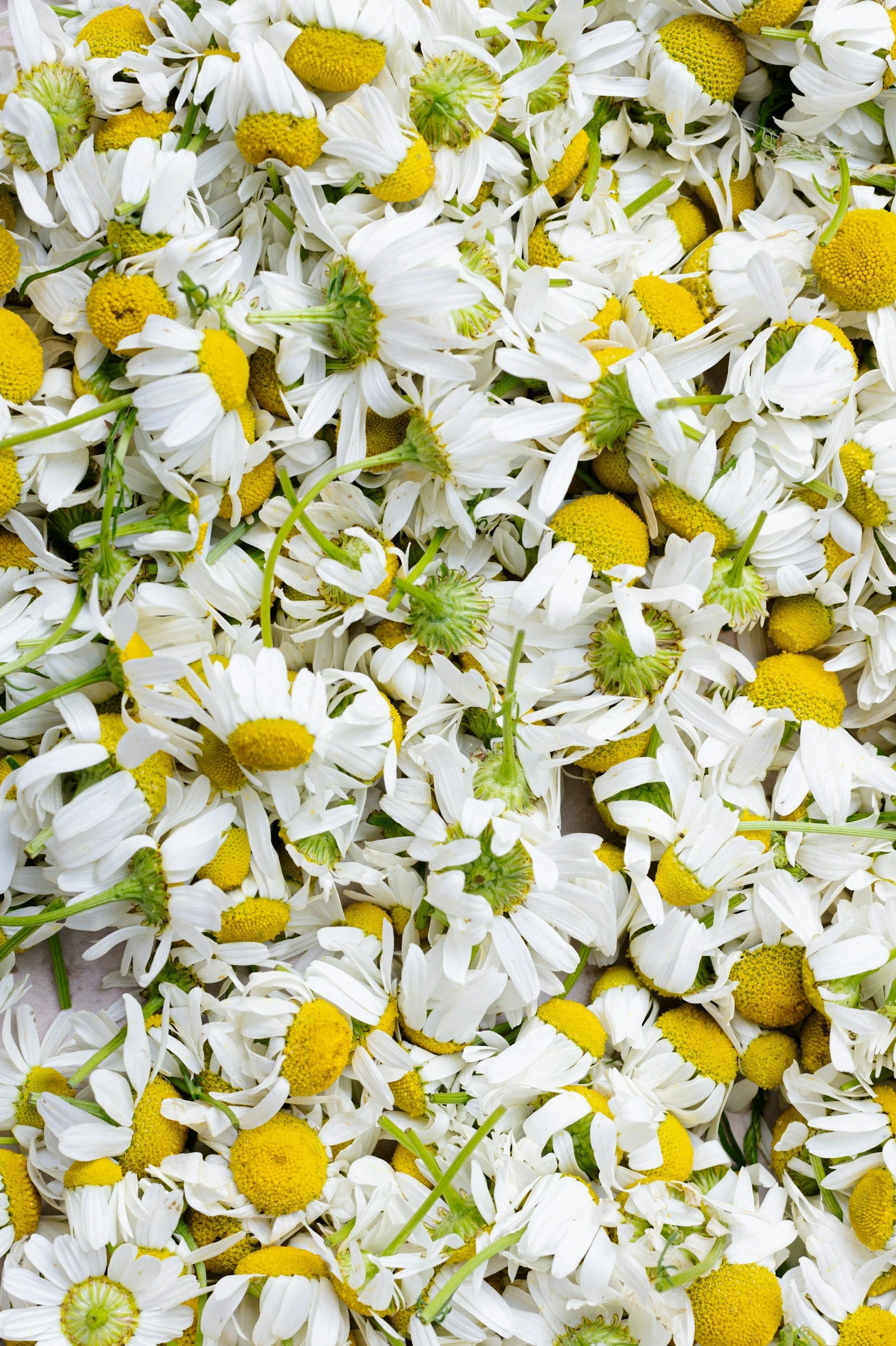
1. Kava root (Piper methysticum)
Evidence: strong but mixed. Cochrane review of twelve trials, one positive independent trial, one larger negative trial.
Kava is a Pacific Island root with a bitter, numbing taste and a long history as a social drink. Its actions are anxiolytic and muscle relaxant, with sedation at higher amounts. It is the herb with the deepest trial record in this category, and the one I have used longest myself.
A 2003 Cochrane review pooled twelve placebo-controlled trials and found kava extract reduced anxiety scores more than placebo, with the authors calling the effect small but consistent.1 A 2013 Australian trial in 75 people with diagnosed generalized anxiety, funded by a government research council with the extract donated by its maker, found a significant reduction versus placebo over six weeks.2 The same team then ran a larger 16-week trial in 171 people, and kava did no better than placebo.3 Their paper also summarizes the two older German trials that compared kava with the benzodiazepines oxazepam and bromazepam: both groups improved by similar amounts, with no significant difference between them.3 A separate trial found kava comparable to buspirone and opipramol over eight weeks, funded by the extract's manufacturer.4 No trial has shown kava outperforming a benzodiazepine.
Case reports of liver injury in the early 2000s led to bans in several countries, and researchers who later reviewed those cases attributed most of them to poor-quality material: aerial parts and peelings instead of root, mold contamination, non-traditional cultivars, and solvent extracts. Traditional water preparations of noble root have a much cleaner record.5 Long-term heavy use also produces a dry, scaly skin condition known as kava dermopathy that clears when use stops.
Cautions on record for kava
Herbal safety references list kava as contraindicated in liver disease, raised liver enzymes, and a history of hepatitis, and advise against combining it with alcohol or with medications that stress the liver, including high-dose acetaminophen. Pharmacology texts describe additive sedation with benzodiazepines, sleep medication, and other central nervous system depressants. Case reports link kava to worsened symptoms in Parkinson's disease. It is listed as unsuitable in pregnancy and breastfeeding, and anesthesiology guidance is to discontinue herbal sedatives before surgery. Driving after taking it is discouraged in every monograph I have read.
2. Lavender oil, oral capsules (Lavandula angustifolia)
Evidence: strong, industry-funded. Multiple randomized trials and meta-analyses, all sponsored by one manufacturer.
The lavender studied for anxiety is not the sachet in your drawer or a diffuser blend. It is a specific steam-distilled oil taken by mouth in a sealed capsule, sold in Europe under the name Silexan. The largest trial enrolled 539 adults with generalized anxiety and compared two capsule strengths with paroxetine and placebo over ten weeks. The higher lavender dose lowered anxiety scores more than placebo and slightly more than paroxetine, with fewer side effects.6 A 2017 meta-analysis of five trials confirmed the effect.7 Every major Silexan trial was funded by its manufacturer, Dr. Willmar Schwabe, and several authors are company employees. No independent group has replicated the results at that scale.
The caution is hormonal. In 2007, researchers at the National Institute of Environmental Health Sciences described three boys who developed breast tissue while using lavender or tea tree products, and showed both oils acted like estrogen and blocked testosterone in human cell lines.8 The same institute followed up in 2019 with four more pediatric cases and lab data showing eight lavender and tea tree components with estrogenic or anti-androgenic activity.9 The human evidence is a handful of case reports, the cell data are replicated, and no one has measured what long-term daily oral use does to adult hormones. I covered the full debate in the essential oil safety article. The trial capsules were also pharmaceutical-grade and measured; essential oil from a retail bottle is a different product, and poison control centers record burns to the mouth and digestive tract from swallowing it.
Cautions on record for oral lavender oil
The pediatric case reports above are the reason safety references single out children before puberty. No safety data exist for pregnancy or breastfeeding. Given the cell-line hormone activity, the literature counsels caution in hormone-sensitive conditions such as breast, uterine, or prostate cancer, endometriosis, and fibroids. Additive sedation with sleep medication is documented, and pre-surgery guidance covers it as it does other sedative herbs.
3. Chamomile flower (Matricaria chamomilla)
Evidence: moderate, publicly funded. Two randomized trials in diagnosed generalized anxiety.
Chamomile is usually filed under bedtime tea, and the trial record is stronger than that reputation suggests. A University of Pennsylvania team ran an eight-week placebo-controlled trial of chamomile extract in 57 people with mild to moderate generalized anxiety and found a significantly larger drop in anxiety scores in the chamomile group, with side effects no different from placebo. The trial was funded by a grant from the National Institutes of Health rather than a supplement company.10
The same group then gave chamomile to 179 people for twelve weeks and randomized the responders to keep taking it or switch to placebo for another 26 weeks. Relapse was lower on chamomile (15% versus 26%) but the difference did not reach statistical significance, while anxiety scores stayed lower in those who continued.11 The action is a gentle nervine relaxant and carminative, which is why it has been given to colicky infants and nervous stomachs for centuries. Its constituent apigenin binds the same receptor site as benzodiazepines, at a much weaker level.
Cautions on record for chamomile
Chamomile belongs to the daisy family, and allergy references note cross-reactions in people allergic to ragweed, marigolds, and chrysanthemums. A published case links chamomile with internal bleeding in a patient on warfarin, likely from its coumarin content, and interaction databases carry a caution for other blood thinners on that basis.12 Additive effects with sedatives are noted, and traditional texts list medicinal amounts as a mild emmenagogue, which is why herbal pregnancy references treat it differently from a cup of tea.
4. Passionflower vine (Passiflora incarnata)
Evidence: moderate but thin. One small randomized trial in diagnosed anxiety, several in pre-surgery nerves.
Passionflower is a nervine relaxant with a mild sedative edge, traditionally used for circular thinking and the kind of anxiety that keeps you awake. The key trial randomized 36 people with generalized anxiety to passionflower extract or the benzodiazepine oxazepam for four weeks. Both groups improved by a similar amount. Oxazepam worked faster, and passionflower caused less impairment at work.13 That is one small trial, and it has not been repeated at a larger scale. Several trials have since tested single doses before surgery or dental work and found lower anxiety scores than placebo, which supports short-term use but says little about daily use for months.14
Cautions on record for passionflower
Animal data and traditional texts describe uterine stimulation, which is why pregnancy references exclude it, and there are no data for breastfeeding. Pharmacology texts record additive sedation with benzodiazepines, sleep medication, and alcohol. Passionflower contains harmala alkaloids with weak MAO-inhibiting activity, so interaction databases flag MAOI antidepressants. Pre-surgery guidance and driving cautions apply as for other sedative herbs.
5. Ashwagandha root (Withania somnifera)
Evidence: many trials, nearly all industry-funded. Active regulatory concern in Europe.
Ashwagandha is an Ayurvedic root in the nightshade family, sold as an adaptogen for stress. Its name means "smell of a horse," for both the odor of the fresh root and the strength it was said to give. It has more randomized trials than any other herb on this list. The two most-cited, one in 64 adults with chronic stress and one in 60 adults with mild anxiety, were funded by the companies that make the extracts tested (Ixoreal Biomed for KSM-66, Arjuna Natural for Shoden).1516 A 2022 meta-analysis of twelve trials found reduced anxiety and stress scores overall, while noting that nearly all the trials came from India, used different extracts, and varied widely in quality.17
The liver reports need careful reading. The 2020 case series that started the regulatory response described five people in Iceland and the United States who developed jaundice and itching after taking ashwagandha supplements, with liver tests taking one to five months to normalize.18 Those products were commercial supplements, and some were multi-herb blends, which means an adulterant, a contaminant, or another ingredient could have been the cause; a later Indian research team made that criticism in print. Whole, organically grown root powder, the traditional preparation, was not what those patients took. The picture is less clean than that, though. The Indian team published its own series in 2023 of eight patients who had used single-ingredient ashwagandha products, which were chemically tested and found free of adulterants and contaminants. Three of those patients had chronic liver disease before starting the herb, and all three died.19 A further pattern in the case literature is that several implicated products contained leaf as well as root, and leaf has a different withanolide profile. So the fair reading is that contaminants and blends explain some cases, the leaf-versus-root question explains others, and a small number of reactions to the plant itself remain, concentrated in people whose livers were already compromised.
Regulators have acted on that record. Denmark's food institute reviewed the plant in 2020, cited the liver cases along with thyroid and sex hormone effects and its traditional use to end pregnancy, and concluded that no safe intake could be set; Denmark banned it from food supplements in 2023.20 The Dutch public health institute reached the same position in 2024, listing liver injury, thyroid overactivity, and adrenal suppression as possible effects in sensitive people.21 Poland now caps the daily amount.
The thyroid effect is a benefit for some and a caution for others. An eight-week trial in people with subclinical hypothyroidism found ashwagandha raised T3 and T4 and lowered TSH, using an extract supplied by its manufacturer.22
Ray Peat (long-time thyroid and hormones researcher) was asked directly about ashwagandha and rhodiola for cortisol in a June 2020 interview. He did not endorse them. He said the body's own adaptogens are pregnenolone, DHEA, and progesterone, that the emergency cortisol response becomes counterproductive unless energy production rises to back it up, and that the real long-range adaptation comes from thyroid-supported mitochondrial function and carbon dioxide production rather than from an herb that acts on the stress hormones themselves.23 Within that framework, ashwagandha's cortisol-lowering effect is treating a signal instead of the cause.
Peat's writing on stress, thyroid, and the hormones he called the body's own adaptogens is collected in one place.
Visit the Ray Peat resource hubCautions on record for ashwagandha
The case series and both regulatory reviews above are the basis for the liver caution, with pre-existing liver disease as the strongest risk factor in the published cases; the early signs recorded in those reports were dark urine, pale stool, itching, and yellowing skin. The thyroid trial is the basis for cautions in hyperthyroidism, Graves' disease, and thyroid medication. The Dutch review cites the World Health Organization's record of ashwagandha's traditional use to induce abortion as the reason it is excluded in pregnancy, and no breastfeeding data exist. Immunology references note it stimulates immune activity, which is why autoimmune conditions appear in its caution lists. Trials report raised testosterone, which is relevant to hormone-sensitive prostate cancer. Nightshade sensitivity, additive sedation, and pre-surgery guidance round out the list.
6. Saffron threads (Crocus sativus)
Evidence: moderate. Meta-analysis of 23 trials, nearly all from one country, with signs of publication bias.
Saffron is better known for depression, and I covered the antidepressant trials separately. It earns a place here because a 2019 meta-analysis of 23 randomized trials found saffron improved anxiety symptoms as well as depressive ones, both on its own and alongside antidepressants.24 The authors flagged two limits: statistical signs of publication bias, and the fact that nearly every trial came from Iran, where saffron happens to be grown. One of the review's authors has also run saffron trials funded by an extract manufacturer. Trial amounts were small, around 30 milligrams a day, which is just a few threads. Note that amounts of several grams are toxic.
Preparation matters with this one. Saffron's coloring and aromatic constituents, crocin and safranal, are sensitive to prolonged heat, and the traditional way to take it as a remedy reflects that: a few threads steeped in a cup of warm milk, the kesar doodh of Indian households. Long cooking in rice, stews, and baked goods degrades those constituents, so culinary saffron and medicinal saffron are not the same exposure even when the amount of threads is similar.
Cautions on record for saffron
Saffron stimulates the uterus, and pregnancy references exclude supplement amounts on that basis. Mood-lifting herbs carry a mania caution in bipolar disorder in the psychiatric literature, and saffron's serotonin activity is the reason interaction databases flag it alongside antidepressants. Its effects on platelets and blood pressure appear in cautions for bleeding disorders, anticoagulants, and low blood pressure. Culinary amounts in food are not treated as a concern in any reference I know of.
7. Lemon balm leaf (Melissa officinalis)
Evidence: moderate but small trials. One meta-analysis with high variability between studies.
Lemon balm is a mint-family nervine relaxant with a bright citrus smell and a long record as a "gladdening" herb in European medicine. A 2021 systematic review pooled the randomized trials in people with anxiety or depressive symptoms and found lemon balm lowered scores compared with placebo by a moderate to large margin.25 That figure comes with caveats: the trials were short, several enrolled people with heart or surgical anxiety rather than a diagnosis, and the results varied a great deal from trial to trial. In practice it is gentle, tastes good, and is one of the few herbs on this list that most people tolerate as a daily tea.
Cautions on record for lemon balm
Laboratory work has shown lemon balm extracts block TSH from binding its receptor, and the herb has a traditional use for calming an overactive thyroid, which is why thyroid medication and hypothyroidism appear in its caution lists.26 Additive sedation is noted. Medicinal amounts in pregnancy and breastfeeding lack data, and pre-surgery guidance applies.
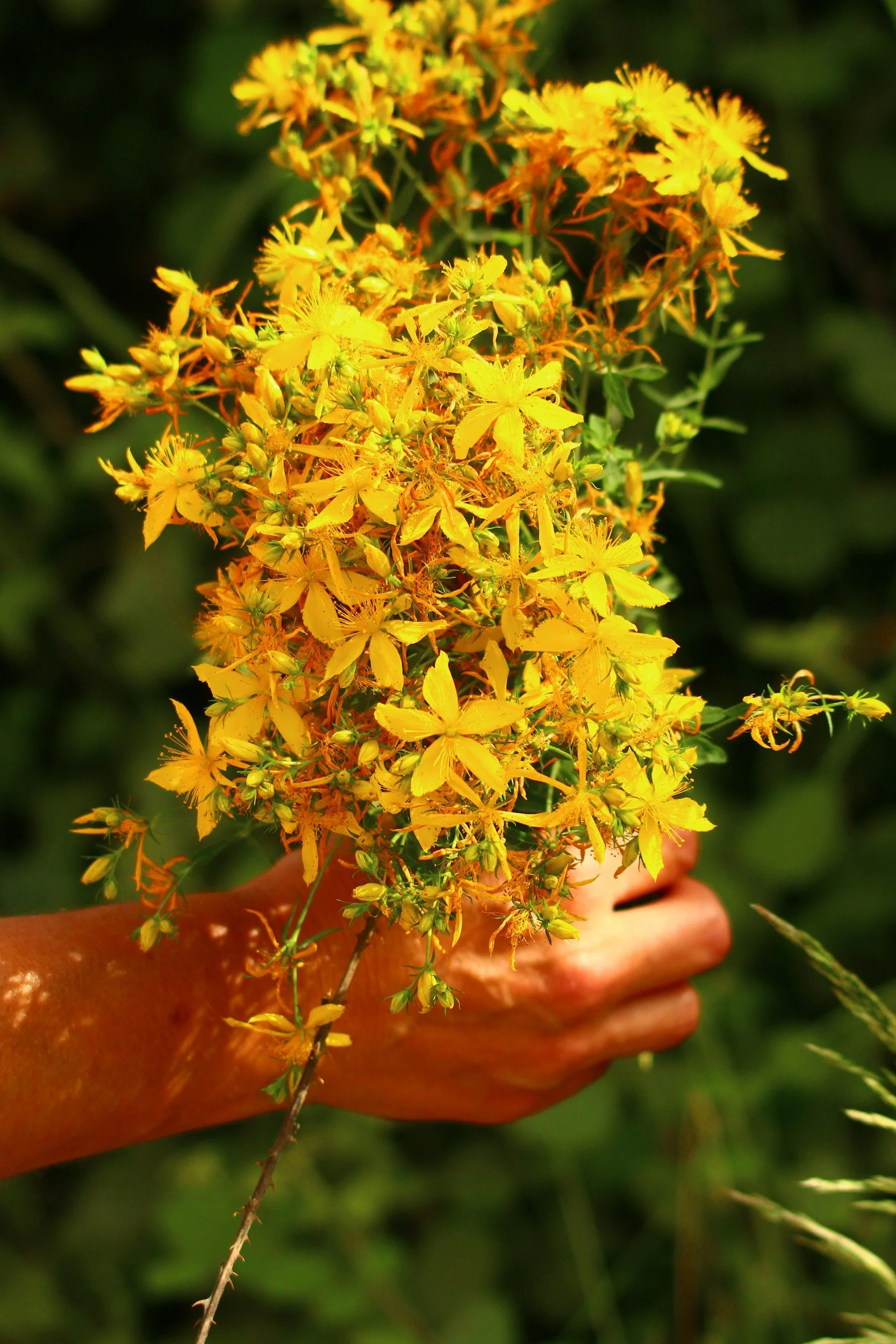
8. St. John's wort (Hypericum perforatum)
Evidence: strong for depression, weak for anxiety. Serious drug interactions.
St. John's wort has the best depression evidence of any herb: a Cochrane review of 29 trials found it comparable to standard antidepressants for major depression, with fewer side effects, though results from German-speaking countries were more favorable than elsewhere.27 For anxiety specifically the evidence is thin. A 2009 review of kava and St. John's wort concluded that St. John's wort had weak support for anxiety on its own and was better suited to anxiety that rides along with low mood.28 I covered it in more depth in the depression article.
The standardization problem explains why so many people report it doing nothing. Early products were standardized to hypericin, the red pigment, because it was easy to measure. A 1998 trial tested two extracts that were identical except for hyperforin content, 0.5% versus 5%. Only the high-hyperforin extract beat placebo.29 That trial was funded by the extract's manufacturer, and a later low-hyperforin extract has also performed well, so the picture is not settled, but it shows the constituent on the label is not always the one doing the work. Hyperforin also breaks down in light and heat, so an old bottle may contain almost none. In my own practice I prefer whole-plant preparations of the fresh flowering tops over isolated extracts, so the full constituent range is present.
Cautions on record for St. John's wort
This herb induces the liver enzymes that clear many drugs, and regulatory pharmacovigilance data document treatment failures as a result.30 The documented list includes hormonal birth control (unplanned pregnancies are on record), antiretrovirals for HIV, transplant anti-rejection drugs, warfarin, digoxin, some chemotherapy agents, and anticonvulsants. Case reports describe serotonin syndrome when it is combined with SSRIs, SNRIs, MAOIs, tramadol, or triptans. Psychiatric references note mania in bipolar disorder, dermatology references note sun sensitivity in fair-skinned people, and pregnancy and pre-surgery references exclude it. Interaction databases treat it as a herb to check against every prescription a person takes.
9. California poppy (Eschscholzia californica)
Evidence: limited. One large trial of a combination product; animal data for the plant alone.
California poppy is a mild sedative and pain-easing nervine, and despite the name it contains no morphine or codeine. Its alkaloids, mainly protopine and californidine, bind the GABA receptor in laboratory studies. The only sizable human trial tested it in a fixed combination with hawthorn and magnesium: 264 people with mild to moderate generalized anxiety took the product or placebo for three months, and the combination lowered anxiety scores slightly more than placebo.30 The gap was small, and there is no way to say how much of it belonged to the poppy. Herbalists use it for restless, wired anxiety at night and for people who find valerian too heavy.
Who should skip California poppy
Pregnancy and breastfeeding, for lack of data. Anyone on benzodiazepines, opioids, sleep medication, or alcohol. People taking MAOI antidepressants. Stop two weeks before surgery, and do not drive after taking it.
10. Valerian root (Valeriana officinalis)
Evidence: insufficient for anxiety. A Cochrane review found one qualifying trial.
Valerian is the classic herbal sedative, and it belongs on this list for what the research does not show. A Cochrane review looking specifically at anxiety disorders found only one trial that met its standards and concluded the evidence was insufficient.31 That trial randomized 36 people with generalized anxiety to valerian extract, diazepam, or placebo for four weeks and found no significant difference between the groups on the main anxiety score, though valerian reduced the "psychic" anxiety subscale.32 Valerian is better supported for sleep onset, and that is where I use it. A minority of people find it stimulating rather than calming, which is worth knowing before you take it at bedtime.
Who should skip valerian
Anyone on benzodiazepines, sleep medication, or alcohol. People with liver disease, given rare case reports. Pregnancy and breastfeeding, for lack of data. Stop two weeks before surgery, since it can prolong anesthesia. Do not drive after taking it.
11. Skullcap (Scutellaria lateriflora)
Evidence: limited. Two small trials in healthy volunteers.
American skullcap is the nervine tonic of the Western tradition, used for frayed nerves, tension headache, and the exhausted kind of anxiety. A crossover study in 19 healthy volunteers found freeze-dried skullcap reduced self-rated anxiety over two hours compared with placebo, with only slight effects on energy and focus, though the authors did not run statistics.33 A second crossover trial in 43 healthy volunteers taking skullcap for two weeks found a significant improvement in overall mood but not in anxiety, which the authors attributed to low anxiety at baseline.34 No trial has tested it in people with a diagnosis. Its flavonoids baicalin and baicalein bind the benzodiazepine site in laboratory work.
Buy this one carefully. Skullcap products have historically been adulterated with germander, a plant linked to liver injury, and the two are hard to tell apart once dried. A supplier that verifies the species is worth the extra cost.
Who should skip skullcap
Pregnancy and breastfeeding, for lack of data. Anyone with liver disease, because of the adulteration history. Sedatives and alcohol. Stop before surgery.
12. Hops (Humulus lupulus)
Evidence: limited. One small crossover trial; strong estrogenic activity documented.
Hops are a bitter sedative, usually paired with valerian for sleep. One placebo-controlled crossover trial gave a hops extract to 36 healthy young adults with mild stress for four weeks and found lower anxiety, depression, and stress scores than on placebo.36 The caution matters more than the trial. Hops contain 8-prenylnaringenin, which a 1999 study identified as one of the most potent plant estrogens known, stronger than the isoflavones in soy.35 Hop pickers have long reported disrupted menstrual cycles, and old herbals list hops as a cause of low mood with prolonged use.
Who should skip hops
Anyone with a hormone-sensitive condition: breast, uterine, or ovarian cancer, endometriosis, or fibroids. A history of depression, per traditional warnings. Pregnancy and breastfeeding. Sedatives and alcohol. People with a hops or pollen allergy, since contact dermatitis is common among growers. Stop before surgery.
13. Albizia bark and flower (Albizia julibrissin)
Evidence: traditional and animal only. No human trials.
The silk tree, called he huan pi (bark) and he huan hua (flower) in Chinese medicine, is used there for grief, anger that has turned inward, and the insomnia that follows. Its nickname translates to "collective happiness." Rat studies found a water extract of the bark reduced anxiety-like behavior on the elevated plus maze without sedation, and the effect disappeared when a serotonin receptor blocker was given first.38 A later study isolated a single saponin, julibroside C1, and found the same effect in mice, blocked by both serotonin and GABA antagonists.39 Rodent work of that kind shows the plant is active and suggests a mechanism; it leaves dose, duration, and safety in people unanswered.
Cautions on record for albizia
The Chinese materia medica lists it as contraindicated in pregnancy, and no breastfeeding data exist. Additive sedation is assumed from its traditional use for sleep. Given the serotonin mechanism in animal work, interaction references counsel caution with serotonergic antidepressants. The genus has about 150 members, which is why species verification from the supplier matters.
14. Shankhpushpi (Evolvulus alsinoides)
Evidence: traditional and animal only. Species identity is disputed.
Shankhpushpi is one of the Ayurvedic medhya rasayanas, herbs for the mind, used for memory, sleep, and a restless nervous system. The complication is that at least three different plants are sold under the name in India: Evolvulus alsinoides, Convolvulus pluricaulis, and Clitoria ternatea (butterfly pea). A rodent study tested the first two and found extracts of both reduced anxiety-like behavior without impairing coordination.40 There are no human trials for anxiety, and a product labeled only "shankhpushpi" could be any of the three.
Cautions on record for shankhpushpi
No data exist for pregnancy or breastfeeding. Additive sedation is assumed from traditional use. Convolvulus pluricaulis, one of the substitutes sold under the same name, has lowered thyroid hormones in animal work, which is a species-identity concern for anyone with hypothyroidism.
15. Blue vervain (Verbena hastata)
Evidence: traditional and animal only. Most research is on the European species.
Blue vervain is a bitter North American nervine used for people who are tense, driven, and unable to stop, the ones whose stress shows up as a locked neck and jaw. It is one of the most useful herbs in my dispensary for that pattern and one of the least studied. The laboratory work is almost all on its European cousin, Verbena officinalis. A 2016 mouse study found a crude extract reduced anxiety-like behavior, induced sleep at higher doses, and protected against chemically induced seizures.41 The two species share their main iridoid glycosides, but they are not the same plant, and no one has tested blue vervain in people.
Cautions on record for blue vervain
Vervain has a traditional use for stimulating the uterus and starting labor, which is why pregnancy references exclude it, and no breastfeeding data exist. Additive sedation is assumed. Its tannins reduce iron absorption when taken with meals, a point noted in references for people with iron deficiency. Large amounts are recorded as emetic.
16. Damiana leaf (Turnera diffusa)
Evidence: traditional and animal only. No human trials for anxiety.
Damiana is a Mexican and Central American shrub used as a nervine tonic and aphrodisiac, traditionally for the low mood and low drive that come with long anxiety. Mouse studies from an Indian pharmacognosy group found damiana extracts reduced anxiety-like behavior on standard tests, and traced the effect to the flavonoid apigenin, the same constituent found in chamomile.42 It tastes pleasant, slightly bitter and resinous, and blends well with lemon balm.
Cautions on record for damiana
Animal data suggest damiana lowers blood glucose, which is why diabetes and blood sugar medication appear in its caution lists. No data exist for pregnancy or breastfeeding. Additive sedation is assumed. The plant contains small quantities of cyanide-releasing glycosides, and a published case describes seizures after a person took about 200 grams of extract, an amount far above any tea or tincture.
17. Bee balm (Monarda fistulosa)
Evidence: traditional and animal only. No human trials.
Wild bergamot, or bee balm, grows across the northern plains and was used by Blackfoot, Lakota, and other Indigenous herbalists for fevers, wounds, and nervous complaints. Western herbalists use the leaf and flower as a warming nervine and carminative, especially for anxiety with a tight or upset stomach. Its essential oil is rich in thymol or carvacrol depending on the chemotype. Carvacrol reduced anxiety-like behavior in mice through the GABA system in one study, without affecting coordination.43 That is a study of one constituent, not the whole plant, and no one has tested bee balm in people.
Cautions on record for bee balm
Traditional texts list it as an emmenagogue, which is why pregnancy references exclude it. Allergy references note cross-reactions with thyme, oregano, and other mint-family plants. The essential oil is classed as external-use only in aromatherapy safety references. Mild additive sedation is assumed.
18. Indian snakeroot (Rauvolfia serpentina)
Evidence: strong pharmacology, wrong category. This is a prescription-strength plant.
Several unrelated plants are called snakeroot. The one with a history in anxiety is sarpagandha, Indian snakeroot, which Ayurvedic physicians used for agitation, insomnia, and what we would now call psychosis. In 1952 chemists isolated reserpine from its root, and it became the first modern drug for high blood pressure and one of the first tranquilizers. Reserpine empties the nerve endings of norepinephrine, dopamine, and serotonin, which is why it lowers blood pressure and calms agitation, and also why it caused depression in a share of the patients who took it for years.44 It fell out of use once drugs with fewer side effects arrived.
I include it because it appears on lists of anxiety herbs and because it is the strongest plant on this page. It is prescription-only in several countries, and where the raw root is sold, practitioners who use it monitor blood pressure and mood throughout. It does not belong in the self-care category with the rest of this list.
Cautions on record for Indian snakeroot
The pharmacology literature records depression and suicidal thoughts as reserpine side effects, along with low blood pressure, slowed heart rate, nasal congestion, drowsiness, and worsened peptic ulcer, ulcerative colitis, and Parkinson's disease. Documented interactions include MAOIs, digoxin, blood pressure medication, and other psychiatric drugs. It is excluded in pregnancy and breastfeeding, and anesthesiology references require a long washout before surgery.
Frequently asked questions
What is the most effective herb for anxiety?
Judged by clinical trials, kava and oral lavender oil have the strongest records, followed by chamomile and passionflower. Kava's evidence is mixed, with one large trial finding no effect, and every lavender oil trial was funded by its manufacturer. "Most effective" also depends on the person: a sedative that suits one person leaves another groggy at work.
Can herbs for anxiety be combined with anxiety medication?
Some combinations are documented as dangerous. Kava, passionflower, valerian, hops, and California poppy add to the effect of benzodiazepines, sleep medication, and alcohol. St. John's wort interacts with dozens of drugs, including birth control and SSRIs. Saffron and albizia act on serotonin. A pharmacist or clinical herbalist who can see a person's full medication list is the one to answer this for any individual.
How long do herbs for anxiety take to work?
In the kava and lavender oil trials, scores separated from placebo by the second week. Sedatives such as valerian and passionflower act within an hour. Nervine tonics such as skullcap are traditionally taken daily for a season, and the trials that exist measured them over two to twelve weeks.
Are herbs for anxiety safe in pregnancy?
Most lack safety data, and several on this list (passionflower, blue vervain, bee balm, saffron, albizia, ashwagandha) have traditional uses as uterine stimulants or were used to end pregnancy. Chamomile and lemon balm tea in food amounts are generally regarded as fine in herbal pregnancy references. Beyond that, the question belongs with a provider who works with pregnant patients.
Tea, tincture, or capsule?
It depends on what dissolves the active constituents and how they survive preparation. Kava's kavalactones need fat or alcohol, though the modern trials used water extracts of the root. Ashwagandha is taken as whole root powder in Ayurveda because its constituents extract poorly into water. Saffron threads are steeped in warm milk rather than cooked. Lemon balm, chamomile, and passionflower work well as tea. Lavender oil for anxiety has only been studied as a sealed capsule.
Is ashwagandha safe for the liver?
For most people in trials, yes. Published case series describe liver injury in a small number of users; some involved multi-herb supplements where the cause is unclear, while a 2023 series of single-ingredient products found no contaminants and included three deaths in people with pre-existing liver disease. Food safety agencies in Denmark and the Netherlands have concluded no safe intake can be set. The early signs recorded in those cases were dark urine, itching, and yellowing skin.
Sources
- Pittler MH, Ernst E. Kava extract versus placebo for treating anxiety. Cochrane Database of Systematic Reviews. 2003;(1):CD003383. ↩
- Sarris J, Stough C, Bousman CA, et al. Kava in the treatment of generalized anxiety disorder: a double-blind, randomized, placebo-controlled study. Journal of Clinical Psychopharmacology. 2013;33(5):643-648. Funded by Australia's National Health and Medical Research Council; extract supplied by MediHerb. ↩
- Sarris J, Byrne GJ, Bousman CA, et al. Kava for generalised anxiety disorder: a 16-week double-blind, randomised, placebo-controlled study. Australian and New Zealand Journal of Psychiatry. 2020;54(3):288-297. ↩
- Boerner RJ, Sommer H, Berger W, Kuhn U, Schmidt U, Mannel M. Kava-Kava extract LI 150 is as effective as opipramol and buspirone in generalised anxiety disorder: an 8-week randomized, double-blind multi-centre clinical trial in 129 out-patients. Phytomedicine. 2003;10 Suppl 4:38-49. Funded by the extract's manufacturer. ↩
- Teschke R, Sarris J, Schweitzer I. Kava hepatotoxicity in traditional and modern use: the presumed Pacific kava paradox hypothesis revisited. British Journal of Clinical Pharmacology. 2012;73(2):170-174. ↩
- Kasper S, Gastpar M, Müller WE, et al. Lavender oil preparation Silexan is effective in generalized anxiety disorder: a randomized, double-blind comparison to placebo and paroxetine. International Journal of Neuropsychopharmacology. 2014;17(6):859-869. Funded by Dr. Willmar Schwabe GmbH, maker of Silexan; two authors are company employees. ↩
- Generoso MB, Soares A, Taiar IT, Cordeiro Q, Shiozawa P. Lavender oil preparation (Silexan) for treating anxiety: an updated meta-analysis. Journal of Clinical Psychopharmacology. 2017;37(1):115-117. ↩
- Henley DV, Lipson N, Korach KS, Bloch CA. Prepubertal gynecomastia linked to lavender and tea tree oils. New England Journal of Medicine. 2007;356(5):479-485. ↩
- Ramsey JT, Li Y, Arao Y, et al. Lavender products associated with premature thelarche and prepubertal gynecomastia: case reports and endocrine-disrupting chemical activities. Journal of Clinical Endocrinology and Metabolism. 2019;104(11):5393-5405. ↩
- Amsterdam JD, Li Y, Soeller I, Rockwell K, Mao JJ, Shults J. A randomized, double-blind, placebo-controlled trial of oral Matricaria recutita (chamomile) extract therapy for generalized anxiety disorder. Journal of Clinical Psychopharmacology. 2009;29(4):378-382. Funded by the National Institutes of Health. ↩
- Mao JJ, Xie SX, Keefe JR, Soeller I, Li QS, Amsterdam JD. Long-term chamomile (Matricaria chamomilla L.) treatment for generalized anxiety disorder: a randomized clinical trial. Phytomedicine. 2016;23(14):1735-1742. Funded by the National Institutes of Health. ↩
- Segal R, Pilote L. Warfarin interaction with Matricaria chamomilla. CMAJ. 2006;174(9):1281-1282. ↩
- Akhondzadeh S, Naghavi HR, Vazirian M, Shayeganpour A, Rashidi H, Khani M. Passionflower in the treatment of generalized anxiety disorder: a pilot double-blind randomized controlled trial with oxazepam. Journal of Clinical Pharmacy and Therapeutics. 2001;26(5):363-367. ↩
- Lakhan SE, Vieira KF. Nutritional and herbal supplements for anxiety and anxiety-related disorders: systematic review. Nutrition Journal. 2010;9:42. ↩
- Chandrasekhar K, Kapoor J, Anishetty S. A prospective, randomized double-blind, placebo-controlled study of safety and efficacy of a high-concentration full-spectrum extract of ashwagandha root in reducing stress and anxiety in adults. Indian Journal of Psychological Medicine. 2012;34(3):255-262. Funded by Ixoreal Biomed, maker of the KSM-66 extract tested. ↩
- Lopresti AL, Smith SJ, Malvi H, Kodgule R. An investigation into the stress-relieving and pharmacological actions of an ashwagandha (Withania somnifera) extract: a randomized, double-blind, placebo-controlled study. Medicine. 2019;98(37):e17186. Funded by Arjuna Natural, maker of the Shoden extract tested. ↩
- Akhgarjand C, Asoudeh F, Bagheri A, et al. Does ashwagandha supplementation have a beneficial effect on the management of anxiety and stress? A systematic review and meta-analysis of randomized controlled trials. Phytotherapy Research. 2022;36(11):4115-4124. ↩
- Björnsson HK, Björnsson ES, Avula B, et al. Ashwagandha-induced liver injury: a case series from Iceland and the US Drug-Induced Liver Injury Network. Liver International. 2020;40(4):825-829. ↩
- Philips CA, Valsan A, Theruvath AH, et al. Ashwagandha-induced liver injury: a case series from India and literature review. Hepatology Communications. 2023;7(10):e0270. ↩
- DTU Fødevareinstituttet (National Food Institute, Technical University of Denmark). Risikovurdering af roden fra Withania somnifera (Risk assessment of Withania somnifera root). Prepared for the Danish Veterinary and Food Administration, 15 May 2020. ↩
- Rijksinstituut voor Volksgezondheid en Milieu (Dutch National Institute for Public Health and the Environment). Risk assessment of herbal preparations containing Withania somnifera. RIVM report 2024-0029. 2024. ↩
- Sharma AK, Basu I, Singh S. Efficacy and safety of ashwagandha root extract in subclinical hypothyroid patients: a double-blind, randomized placebo-controlled trial. Journal of Alternative and Complementary Medicine. 2018;24(3):243-248. Extract supplied by its manufacturer. ↩
- Peat R. Interview with Jodelle Fitzwater, question-and-answer segment on adaptogens, 10 June 2020. Transcript in the Ray Peat archive. ↩
- Marx W, Lane M, Rocks T, et al. Effect of saffron supplementation on symptoms of depression and anxiety: a systematic review and meta-analysis. Nutrition Reviews. 2019;77(8):557-571. One author has conducted saffron trials funded by an extract manufacturer. ↩
- Ghazizadeh J, Sadigh-Eteghad S, Marx W, et al. The effects of lemon balm (Melissa officinalis L.) on depression and anxiety in clinical trials: a systematic review and meta-analysis. Phytotherapy Research. 2021;35(12):6690-6705. ↩
- Auf'mkolk M, Ingbar JC, Kubota K, Amir SM, Ingbar SH. Extracts and auto-oxidized constituents of certain plants inhibit the receptor-binding and the biological activity of Graves' immunoglobulins. Endocrinology. 1985;116(5):1687-1693. ↩
- Linde K, Berner MM, Kriston L. St John's wort for major depression. Cochrane Database of Systematic Reviews. 2008;(4):CD000448. ↩
- Sarris J, Kavanagh DJ. Kava and St. John's wort: current evidence for use in mood and anxiety disorders. Journal of Alternative and Complementary Medicine. 2009;15(8):827-836. ↩
- Laakmann G, Schüle C, Baghai T, Kieser M. St. John's wort in mild to moderate depression: the relevance of hyperforin for the clinical efficacy. Pharmacopsychiatry. 1998;31 Suppl 1:54-59. Funded by Dr. Willmar Schwabe GmbH, maker of the extracts tested. ↩
- Henderson L, Yue QY, Bergquist C, Gerden B, Arlett P. St John's wort (Hypericum perforatum): drug interactions and clinical outcomes. British Journal of Clinical Pharmacology. 2002;54(4):349-356. ↩
- Hanus M, Lafon J, Mathieu M. Double-blind, randomised, placebo-controlled study to evaluate the efficacy and safety of a fixed combination containing two plant extracts (Crataegus oxyacantha and Eschscholtzia californica) and magnesium in mild-to-moderate anxiety disorders. Current Medical Research and Opinion. 2004;20(1):63-71. ↩
- Miyasaka LS, Atallah AN, Soares BG. Valerian for anxiety disorders. Cochrane Database of Systematic Reviews. 2006;(4):CD004515. ↩
- Andreatini R, Sartori VA, Seabra ML, Leite JR. Effect of valepotriates (valerian extract) in generalized anxiety disorder: a randomized placebo-controlled pilot study. Phytotherapy Research. 2002;16(7):650-654. ↩
- Wolfson P, Hoffmann DL. An investigation into the efficacy of Scutellaria lateriflora in healthy volunteers. Alternative Therapies in Health and Medicine. 2003;9(2):74-78. ↩
- Brock C, Whitehouse J, Tewfik I, Towell T. American skullcap (Scutellaria lateriflora): a randomised, double-blind placebo-controlled crossover study of its effects on mood in healthy volunteers. Phytotherapy Research. 2014;28(5):692-698. ↩
- Milligan SR, Kalita JC, Heyerick A, Rong H, De Cooman L, De Keukeleire D. Identification of a potent phytoestrogen in hops (Humulus lupulus L.) and beer. Journal of Clinical Endocrinology and Metabolism. 1999;84(6):2249-2252. ↩
- Kyrou I, Christou A, Panagiotakos D, et al. Effects of a hops (Humulus lupulus L.) dry extract supplement on self-reported depression, anxiety and stress levels in apparently healthy young adults: a randomized, placebo-controlled, double-blind, crossover pilot study. Hormones. 2017;16(2):171-180. ↩
- Kim WK, Jung JW, Ahn NY, et al. Anxiolytic-like effects of extracts from Albizzia julibrissin bark in the elevated plus-maze in rats. Life Sciences. 2004;75(23):2787-2795. ↩
- Kim JH, Kim SY, Lee SY, Jang CG, et al. Anxiolytic effects of Julibroside C1 isolated from Albizzia julibrissin in mice. Progress in Neuro-Psychopharmacology and Biological Psychiatry. 2013;44:184-192. ↩
- Nahata A, Patil UK, Dixit VK. Anxiolytic activity of Evolvulus alsinoides and Convulvulus pluricaulis in rodents. Pharmaceutical Biology. 2009;47(5):444-451. ↩
- Khan AW, Khan AU, Ahmed T. Anticonvulsant, anxiolytic, and sedative activities of Verbena officinalis. Frontiers in Pharmacology. 2016;7:499. ↩
- Kumar S, Sharma A. Anti-anxiety activity studies of various extracts of Turnera aphrodisiaca Ward. Journal of Herbal Pharmacotherapy. 2005;5(4):13-21. ↩
- Melo FH, Venâncio ET, de Sousa DP, et al. Anxiolytic-like effect of carvacrol (5-isopropyl-2-methylphenol) in mice: involvement with GABAergic transmission. Fundamental and Clinical Pharmacology. 2010;24(4):437-443. ↩
- Lobay D. Rauwolfia in the treatment of hypertension. Integrative Medicine: A Clinician's Journal. 2015;14(3):40-46. ↩